

We may earn a commission when you buy through links on this page, at no extra cost to you. Learn more.
Zwiesel Glas Champagne glasses are worth considering for their elegant designs, durable Tritan crystal construction and practical sparkling-wine features. The range includes traditional flutes and wider, more expressive shapes for different drinking preferences. The Pure Champagne glass is a particularly appealing option for buyers who want contemporary styling, dishwasher compatibility and a glass designed to showcase rising bubbles. However, anyone prioritizing the fullest possible Champagne aromas should also consider the wider-bowled designs in the collection.
Choosing Champagne glassware involves more than finding an attractive shape. The bowl influences how aromas develop, the opening affects how easily the wine reaches the nose, and the glass’s construction determines how comfortably it fits into everyday use. Zwiesel Glas addresses these considerations with several sparkling-wine collections, combining machine-made and handmade options. Understanding the differences between them makes it easier to select a set that suits celebrations, regular entertaining and more focused wine appreciation.
Specs and Key Features
Zwiesel Glas combines contemporary styling with Tritan crystal technology in its Champagne glass range. The Pure Champagne glass provides a useful starting point because its dimensions, capacity, manufacturing method and care requirements are clearly specified by the manufacturer.
The Pure Champagne glass is a machine-blown sparkling-wine glass with a stated capacity of 209 ml, equivalent to approximately 7.1 US fluid ounces. Its relatively tall profile and narrow opening give it the recognizable appearance of a modern flute, while the effervescence point at the bottom of the bowl encourages bubbles to rise through the wine.
The manufacturer’s specifications also distinguish this model from more delicate traditional crystal options. It uses Tritan crystal glass with Tritan Protect technology, and Zwiesel identifies it as dishwasher-safe. That combination makes the Pure an appealing choice for households that want attractive stemware without treating every serving occasion as a formal event. The manufacturer’s Pure Champagne glass specifications provide the full product details.
| Specification | Zwiesel Glas Pure Champagne Glass |
|---|---|
| Collection | Pure |
| Manufacturer item number | 122316 |
| Material | Tritan crystal glass |
| Protective technology | Tritan Protect |
| Manufacturing method | Machine-blown |
| Capacity | 209 ml / approximately 7.1 fl oz |
| Height | 252 mm / approximately 9.9 inches |
| Diameter | 72 mm / approximately 2.8 inches |
| Packaging | 2 glasses |
| Dishwasher compatibility | Yes |
| Effervescence point | Yes |
| Suitable wines | Champagne, Cava, Crémant, Franciacorta and Prosecco |
These measurements provide useful information about the glass’s proportions. At approximately 9.9 inches tall, the Pure flute has a substantial vertical profile. Its 2.8-inch diameter and 7.1-ounce capacity provide a relatively compact drinking vessel rather than the broad bowl associated with a traditional white-wine glass.
The effervescence point is another notable feature. This small point inside the base creates a location where carbon dioxide bubbles can form and travel upward. The resulting stream makes the wine’s carbonation easier to see and contributes to the classic presentation associated with Champagne service. It does not create carbonation or prevent an opened bottle from gradually losing its fizz.
Zwiesel also lists the Pure Champagne glass as suitable for several sparkling-wine styles. Champagne, Cava, Franciacorta, Crémant and Prosecco all appear in the manufacturer’s recommendations. That flexibility makes the collection useful beyond formal Champagne occasions.
For a broader comparison of bowl shapes, materials and everyday glassware options, the wine glasses buying guide provides additional selection criteria.
What Owners Like
Owner feedback on the Pure Champagne flute emphasizes its modern appearance, attractive proportions and practical construction. The strongest recurring appeal is the combination of elegant presentation and a material designed for more frequent household use.
Customer comments published by Macy’s describe the Pure design as clean, contemporary and elegant. Several owners appreciate the appearance of the glasses when filled with sparkling wine, while others mention the way bubbles rise through the bowl. These observations align with the manufacturer’s inclusion of an effervescence point.
The appearance is particularly suited to modern dining rooms. Rather than using elaborate decorative details, the Pure collection relies on geometric lines and a distinctive bowl profile. That restrained styling can complement contemporary dinnerware, simple white table settings and more formal glassware collections.
Owners also appreciate the practical advantages of Tritan crystal. Zwiesel describes the material as resistant to scratches, breakage and repeated dishwasher use compared with conventional crystal alternatives. These properties make the collection attractive for people who entertain regularly and do not want every glass to require extensive special handling.
Dishwasher compatibility is especially useful when several guests are served at once. A household hosting a dinner for six or eight people can appreciate being able to clean its stemware in the dishwasher rather than hand-washing every piece after the occasion. Appropriate loading still matters, however, because glass-on-glass contact can cause damage even when the material itself is designed for durability.
The range also gives buyers more than one design direction. The Pure collection is a recognizable flute option, while the handmade Simplify and The Moment collections provide different proportions and visual character. This makes it possible to select glassware according to serving habits rather than buying solely on the strength of a brand name.
Another advantage is the brand’s established presence in professional and domestic glassware. Zwiesel Glas positions its products for both private customers and hospitality businesses, which helps explain the emphasis on clarity, repeat use and practical maintenance.
There is also a functional distinction between the Pure’s compact flute shape and larger wine glasses. The narrow bowl can be useful for a quick celebratory pour, especially when the visual movement of bubbles is an important part of the occasion. It is less suited to people who want plenty of room to swirl and examine complex sparkling wines.
Overall, owner feedback supports the Pure as an attractive everyday celebration glass rather than an exclusively specialist tasting vessel. Its main strengths are appearance, convenience and a construction that is more forgiving of routine use than extremely delicate stemware.
Common Complaints
The main drawback of the Pure Champagne flute is its relatively narrow bowl, which limits how much room the wine has to release its aromas. Some owners also find the tall profile, rim thickness and storage requirements less convenient than those of wider or shorter alternatives.
A particularly useful criticism appears in the Macy’s customer feedback. One owner considers the glass attractive and reasonably good value but feels that its opening is too small, the bowl is too straight and the rim is thicker than preferred. The same reviewer also describes the overall glass as too tall.
These observations point to a genuine distinction between a glass designed primarily for presentation and one designed to explore complex wine aromas. A narrow flute can concentrate aromas near its opening, but it does not provide the same freedom to swirl the wine as a wider tulip-shaped glass.
Research published by Serious Eats supports this distinction. Its comparison of 14 Champagne glasses found that tulip designs generally revealed more noticeable aromas than narrow flutes. In that comparison, tulip openings averaged approximately 2.25 inches, while flute openings averaged approximately 1.8 inches.
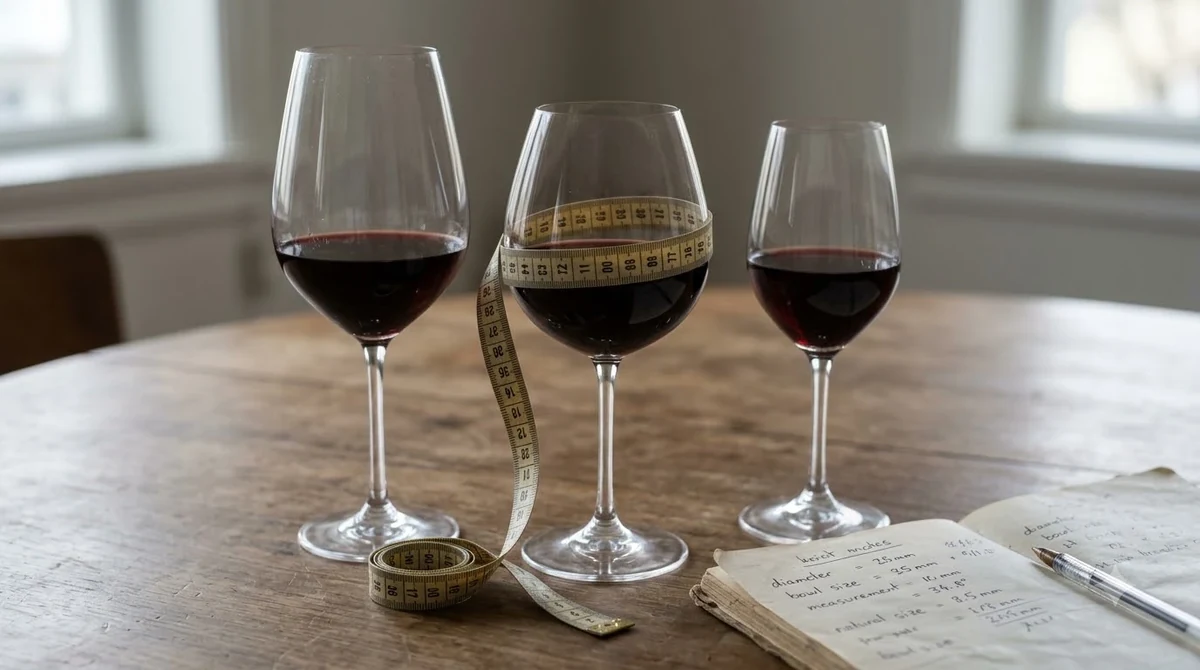
The Pure’s stated diameter is approximately 2.8 inches at its widest point, but that figure does not establish the diameter of its drinking opening. Buyers should distinguish maximum bowl diameter from rim diameter when comparing glasses. A wider measurement across the bowl does not automatically mean the opening offers more room for aromas.
Height is another practical consideration. At 252 mm, the Pure is almost 10 inches tall. That makes it visually striking but potentially awkward for cabinets with limited vertical clearance. Buyers who store stemware in enclosed cupboards should measure their available shelf height before purchasing a full set.
Its stem also requires sensible handling. Tritan technology improves resistance to certain types of damage, but no stemmed crystal glass is unbreakable. Twisting a glass while holding its bowl and pulling against a tight dishwasher rack can place unnecessary pressure on the stem-to-bowl connection.
Another possible limitation is the flute format itself. Serious sparkling-wine drinkers may prefer to use a more generous bowl for vintage Champagne, Blanc de Blancs or complex rosé Champagne. These wines can offer layers of fruit, yeast, citrus and mineral character that are easier to examine in a glass with additional room for aromatic development.
None of these criticisms makes the Pure a poor purchase. They simply define the circumstances in which its strengths are most useful. For celebratory pours and attractive table presentation, the traditional flute format remains appealing. For detailed tasting, another shape may be more appropriate.
Who Should Buy and Who Should Skip
Zwiesel Glas Champagne glasses are a strong match for buyers who want refined stemware with practical durability. The Pure collection is particularly suitable for people who enjoy traditional flute styling, serve sparkling wine regularly and value dishwasher-compatible glassware.
Households that entertain frequently should consider the Pure because its Tritan crystal construction offers a practical balance between appearance and everyday maintenance. It is suitable for serving Prosecco at brunch, Cava with appetizers or Champagne during a holiday dinner. Its effervescence point also provides the visual appeal many people expect from a dedicated sparkling-wine glass.
Buyers furnishing a first home may appreciate the collection’s restrained appearance. A simple modern glass can work across several types of celebrations without clashing with different dinnerware patterns. The two-piece packaging also provides a convenient starting point for a smaller household or a couple who mainly entertain in pairs.
People who prefer traditional presentation should also consider the flute’s proportions. Its narrow profile makes it easier to serve a succession of sparkling-wine pours without the broad footprint of a large wine glass. For a New Year’s Eve toast, wedding anniversary or informal gathering, that familiar shape can be an advantage.
Who should consider another design?
Buyers who regularly drink premium vintage Champagne may be better served by a wider tulip-shaped glass. The extra bowl space allows more movement and gives complex aromas an opportunity to develop. This can be especially useful when comparing different producers, vintages or Champagne grape blends.
People with limited storage space should also examine the glass’s 252 mm height before buying. A shorter glass may be more convenient in cabinets with low shelves, particularly if stemware needs to fit alongside everyday drinking glasses.
Those who prefer handmade glassware may want to investigate the Simplify or The Moment collections instead. Zwiesel offers both machine-made and handmade designs, so the Pure should not be treated as representative of every glass in its portfolio.
Buyers who prioritize maximum aroma development over the traditional flute appearance should also explore the wider champagne flutes and alternative sparkling-wine glass shapes covered in a dedicated comparison.
Tip: Think about the wines you serve most often before choosing the shape. A traditional flute is useful for celebratory pours and visual presentation, while a tulip-shaped bowl is generally better for examining the aromas of complex Champagne.
The decision should come down to serving habits rather than an assumption that a more expensive or more elaborate glass will automatically improve every bottle. A practical, attractive glass that gets used regularly can be a better household purchase than an extremely delicate specialist design that rarely leaves the cabinet.
How It Compares to Alternatives
The Zwiesel Glas Pure is best understood as a contemporary flute rather than a universal solution for every sparkling wine. Comparing it with the wider shapes discussed by wine professionals helps clarify what buyers gain and what they give up.
Traditional flutes emphasize the visual presentation of bubbles. Their narrow openings can help concentrate aromas, but the restricted bowl makes swirling difficult. Serious Eats found that the bubbles often remained visibly active for longer in flutes than in wider tulip glasses during its comparison.
Tulip glasses offer a different balance. Their broader lower bowls provide additional room for the wine, while their narrower upper sections help direct aromas toward the nose. This is why wine professionals frequently recommend them for more complex Champagne.
Wine Enthusiast also highlights the advantages of serving Champagne in a wider white-wine glass. Professionals interviewed by the publication favor these shapes for capturing delicate aromas that may be less apparent in narrow flutes. Its article, Here’s When to Use Every Style of Champagne Glass, explains the practical differences among flutes, coupes and wine glasses.
The difference becomes particularly relevant with wines made primarily from Chardonnay. A Blanc de Blancs Champagne can show citrus, floral and mineral notes that benefit from additional room in the bowl. A simple celebratory Prosecco, by contrast, may not require such detailed aromatic examination.
Zwiesel’s own range offers alternatives to the Pure design. The handmade Simplify Champagne glass has a capacity of 407 ml and a height of 240 mm. Its larger capacity and tall, narrow bowl provide a different experience from the Pure’s 209 ml format.
The Moment offers another distinct design. Its broad lower section and chimney-shaped upper bowl were developed specifically for classic Champagne. It is handmade, measures 240 mm in height and has a stated capacity of 369 ml.
For buyers comparing Zwiesel with other manufacturers, Serious Eats also includes the Riedel Performance Champagne Glass among its recommended tulip-style options. The comparison is useful because it illustrates the difference between prioritizing aroma development and choosing a traditional flute for its recognizable silhouette.
The publication also discusses Schott Zwiesel Forté stemless Champagne flutes. These provide an alternative for people who prefer a stemless format, although the narrower shape can still restrict aromatic expression. The distinction between Zwiesel Glas and Schott Zwiesel is important when comparing product listings because they are separate brands within the wider Zwiesel Fortessa portfolio.
For buyers building a complete stemware collection, the red wine glasses comparison can help establish whether a separate sparkling-wine glass is necessary or whether a versatile white-wine glass might cover more occasions.
The following comparison summarizes the practical differences between the main shapes and collections.
| Option | Design | Main advantage | Best use |
|---|---|---|---|
| Zwiesel Pure | Traditional flute | Bubble presentation and practical construction | Celebrations and regular sparkling-wine service |
| Zwiesel Simplify | Handmade, tall bowl | Distinctive design and larger capacity | Flexible sparkling-wine service |
| Zwiesel The Moment | Broad lower bowl with tapered upper section | Room for Champagne to develop | Classic Champagne occasions |
| Tulip Champagne glass | Wider bowl with tapered opening | Greater aromatic expression | Complex and vintage sparkling wines |
| Stemless flute | Short, stem-free format | Convenient handling and storage | Casual gatherings |
The most useful distinction is not simply machine-made versus handmade. It is the relationship between bowl size, opening width, handling and the type of wine being served. Buyers who want one traditional Champagne glass can reasonably choose the Pure, while those who frequently examine complex bottles should consider a tulip or more generous bowl.
Frequently Asked Questions
Are Zwiesel Glas Champagne glasses made in Germany?
Zwiesel Glas identifies Zwiesel in the Bavarian Forest as its main production location and corporate headquarters. The company also states that selected mouth-blown collections are produced in its workshop in Hungary. Manufacturing location can therefore differ depending on the specific collection.
What makes Tritan crystal different from ordinary crystal glass?
Tritan is Zwiesel Glas’s proprietary crystal-glass material, developed to combine clarity and brilliance with resistance to breakage, scratching and dishwasher use. The manufacturer also describes the material as free from lead, cadmium and BPA. It is intended to provide a practical alternative to traditional lead crystal.
Does an effervescence point make Champagne stay fizzy longer?
An effervescence point provides a location where carbon dioxide bubbles can form and rise visibly through the wine. It does not replace the function of a sparkling-wine closure or stop carbonation from escaping. Once a bottle is opened, proper refrigeration and an appropriate sparkling-wine stopper remain important for preserving its remaining fizz.
Can Zwiesel Glas Champagne glasses be used for cocktails?
Yes, the Pure flute can serve sparkling cocktails such as a Mimosa or a Bellini. Its tall shape also works for simple sparkling-wine aperitifs. For stirred cocktails served without carbonation, a coupe or dedicated cocktail glass may provide a more suitable presentation.
How much sparkling wine should be poured into a 209 ml glass?
A standard wine serving is approximately 5 ounces, or 148 ml. That leaves roughly 61 ml of the Pure glass’s stated 209 ml capacity unfilled, although actual usable headspace depends on the shape of the bowl. Smaller pours are also useful for maintaining serving temperature during longer meals.
Zwiesel Glas Champagne glasses combine attractive styling with practical construction, making them appealing for households that regularly serve sparkling wine. The Pure is particularly suitable for buyers who prefer the traditional flute format, while the handmade Simplify and The Moment designs offer alternatives for different serving preferences. Choose according to bowl shape, storage space and the wines you enjoy most, rather than relying on appearance alone.
More in Wine Glasses
 Spiegelau Crystal Wine Glasses That Bring Clarity to Every PourUpdated Nov 21, 2026
 Zalto Crystal Wine Glasses: Are They Worth the Investment?Updated Nov 21, 2026
 Villeroy And Boch White Wine Glasses for a More Cohesive TableUpdated Nov 21, 2026
 Zalto Wine Glasses On Sale: Find the Right Denk’Art GlassUpdated Nov 21, 2026
 Zwiesel Glas Decanter Review: A Durable, Elegant Choice for Wine ServiceUpdated Nov 21, 2026
 Zalto Cabernet Glass Review: Features, Fit, and CareUpdated Nov 21, 2026