

We may earn a commission when you buy through links on this page, at no extra cost to you. Learn more.
The best coupe wine glasses are the classic wide-bowled saucer for sparkling wine service, sturdy stemless coupes for casual tables, and fluted-base coupes for festive brunches. A coupe is a broad, shallow glass with a rounded bowl, and it suits sparkling wine, rosé, and parties better than it suits a long, quiet tasting of a single red.
The coupe has a longer history than most people expect. It shows up in bars, weddings, and party photos, and it has a distinct look that a tall flute does not. This guide explains what a coupe does well, where it falls short for wine, and how to choose among the main styles so that the glass you buy matches the way you serve.
Quick Comparison of Coupe Glass Styles
Coupe glasses come in a few main forms. The traditional stemmed coupe has a wide, shallow bowl on a long stem. A stemless coupe drops the stem for a sturdier, more casual feel. A wide-bowled coupe with a thick base suits outdoor or party use, and a small-bowl coupe is closer to a cocktail glass. Each style trades some features for others, so the table below sums up the differences that matter for wine.
| Coupe style | Best use | Stability | Bubble retention | Feel |
|---|---|---|---|---|
| Traditional stemmed coupe | Formal sparkling service | Moderate | Lower, broad surface | Classic and elegant |
| Stemless coupe | Everyday and casual tables | High | Lower, broad surface | Relaxed |
| Thick-base coupe | Outdoor and party use | Very high | Lower, broad surface | Sturdy |
| Small-bowl coupe | Cocktail-style pours | Moderate | Not designed for bubbles | Bar-style |
Best for Classic Sparkling Wine Service
The traditional stemmed coupe is the glass most people picture when they hear the word. Its shallow bowl is wide enough for a generous pour, and the stem keeps your hand away from the wine. It is the natural choice for a formal toast or a wedding table, where the look of the glass is part of the event.
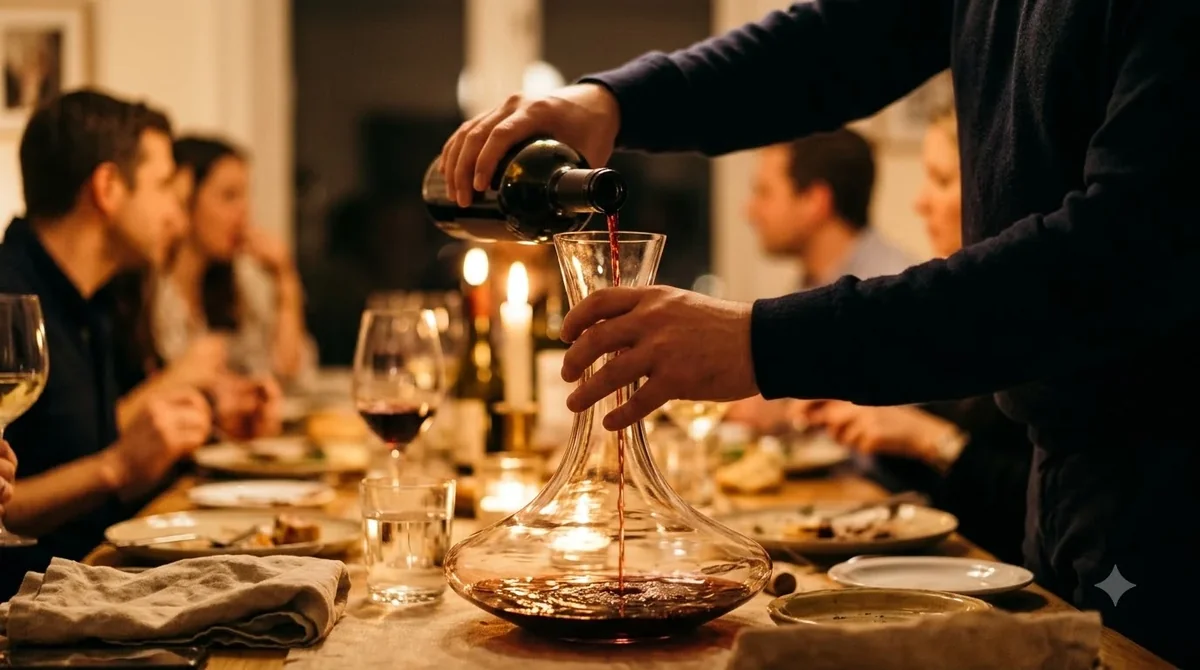
Coupes have a practical trade-off for sparkling wine. The champagne coupe is a shallow, broad-bowled glass that holds about 180 to 240 ml, according to the Wikipedia entry on champagne glasses. That same entry explains that the flute’s narrow, tapered shape reduces the surface where carbonation escapes, so the coupe’s broad surface lets bubbles disperse faster. The coupe wins on atmosphere, and the flute wins on long-lasting fizz.
Why it stands out: The wide bowl shows off the bubbles and the color of the wine, and it suits a toast or a dessert pairing.
Keep in mind: A coupe loses carbonation faster than a flute, so pour a little at a time and refill sooner.
Best for: weddings, anniversaries, and any sparkling service where the glass should look special.
Best for Cocktail Nights and Up Drinks
A coupe is also a bartender’s glass. Many classic cocktails are served “up,” meaning chilled and without ice, and the coupe’s broad rim lets the drink be enjoyed in small sips. A wine-based cocktail or a sparkling spritz looks right in this shape, and it gives a dinner party a little more polish than a plain tumbler.
This use is where the coupe fits a wine drinker’s routine best. If your guests want a wine-forward drink with a bit of bitters or citrus, a coupe holds it nicely and makes the serving feel deliberate. The small-bowl versions are better for cocktails than for big pours of wine.
Why it stands out: It works for wine and cocktails, so one set of glasses covers two kinds of drinks.
Keep in mind: The shallow bowl can spill when you carry a full glass across a crowded room, so fill it no more than two-thirds full.
Best for: cocktail parties, bar carts, and wine-based drinks served chilled.
Best for Pink Sparkling Wine and Festive Brunches
Rosé and pink sparkling wines have long been served in coupes, and the glass still suits a brunch table or a holiday spread. Its look matches the soft color of the wine, and the wide bowl is easy to sip from when you hold a plate in the other hand.
Serving temperature matters here. VinePair’s temperature guide puts sparkling wine at 40 to 50 degrees and rosé at 45 to 55 degrees, so chill the bottle well before pouring. Keep the bottle on ice while the glasses are on the table, since a coupe warms the wine quickly once it is poured.
Why it stands out: It pairs well with pastel wines and gives brunch a relaxed, celebratory look.
Keep in mind: A thin rim and wide bowl are easy to chip, so wash them by hand if they are antique or heavily cut.
Best for: brunches, baby showers, and holiday tables with pink bubbles.
Best for Casual Tables and Everyday Use
A stemless coupe is the practical version of the classic. Without a stem, the glass is harder to knock over, easier to stack, and less likely to snap when it lands on a tile floor. It is a good fit for a family dinner or a relaxed weekend, where the glass gets used often and washed often.
VinePair’s wine glass guide describes stemless glasses as more versatile than stemmed ones, and it notes that the stem is mainly a matter of preference for casual serving. The same guide points out that a stem keeps the heat of your hand away from the wine, which is worth remembering with stemless coupes, since the bowl warms faster in your grip.
Why it stands out: It is the most durable coupe style and the easiest to store.
Keep in mind: The hand warms the wine faster, so hold the glass by the base or the lower bowl when you serve a white or rosé.
Best for: everyday dinners, casual gatherings, and households with children.
Best for Gifts and Vintage-Style Collections
A coupe with a little character, such as a fluted rim, a gold band, or a colored stem, makes a thoughtful gift for someone who collects glassware. Vintage-style pieces suit a wine lover who likes to serve with a theme, and a set of four or six looks more deliberate than a single glass.
When you buy for a collection, consider how the set will be used. A matched set of coupes is easiest to serve from, while mixed styles look charming on a shelf but can be awkward for a table of eight. Check whether the glasses are crystal or glass, because crystal is heavier and cuts more brilliantly, while standard glass is cheaper and easier to replace.
Why it stands out: It is a gift with a clear purpose and a look that suits many homes.
Keep in mind: Decorative coupes are often hand-washed, so check the care instructions before you give them.
Best for: housewarmings, wedding registries, and collectors of barware.
How to Choose the Right Coupe Wine Glass
Start with the wine you serve most. A coupe is best for sparkling, rosé, and chilled white wines, while a bold red does better in a narrower bowl that keeps the aroma closer to your nose. If you mostly serve big reds, a coupe is a fun extra rather than your main glass.
Next, think about setting. A stemmed coupe suits a formal table, a stemless one suits a casual table, and a thick-base style suits a party outdoors. Then check the weight and rim. A thin rim feels refined but chips more easily, while a thicker rim holds up to daily use.
| Factor | What to look for |
|---|---|
| Main wine | Sparkling, rosé, or chilled white suits a coupe best |
| Setting | Stemmed for formal, stemless for casual, thick base for outdoors |
| Durability | Thicker rims and bases for daily use |
| Material | Crystal for brilliance, standard glass for value |
| Set size | Matched sets of four or six for hosting |
Finally, consider storage and cleaning. A coupe with a wide mouth is easy to wash by hand but can be awkward in a crowded dishwasher rack, so measure your cabinet before you buy a large set.
Frequently Asked Questions
Is a coupe glass better than a flute for sparkling wine?
It depends on the goal. A flute keeps bubbles longer because its narrow shape reduces the surface where carbonation escapes. A coupe gives a wider, more celebratory look and a better view of the wine, so many hosts use coupes for toasts and flutes for long pours.
How much wine should you pour into a coupe?
Fill the glass about one-third to two-thirds full. The wide bowl makes a small pour look thin, and a full coupe is easy to spill because the surface area is large. Refill often in smaller amounts.
Can you use coupe glasses for red wine?
You can, but a wide bowl lets a red lose aroma quickly. Red wine is usually better in a glass with a narrower opening, so a coupe works best as a secondary glass for red, or for a light-bodied red served at a party.
Are stemless coupes less elegant than stemmed ones?
Not necessarily. Stemless glasses are more versatile and more durable, and they suit a casual or modern table. A stemmed coupe still looks more formal, so the right choice depends on the setting rather than on the glass alone.
A coupe wine glass is best when the event matters as much as the wine. Choose a classic stemmed style for formal toasts, a stemless one for everyday use, and a thick-base coupe for outdoor parties. Keep the bottle cold, pour in small amounts, and enjoy the look. For more on glass shapes, read the guide to wine glasses and the note on how to hold a wine glass, and browse the Wine Glasses library for other styles.
More in Wine Glasses
 Spiegelau Crystal Wine Glasses That Bring Clarity to Every PourUpdated Nov 21, 2026
 Zalto Crystal Wine Glasses: Are They Worth the Investment?Updated Nov 21, 2026
 Villeroy And Boch White Wine Glasses for a More Cohesive TableUpdated Nov 21, 2026
 Zalto Wine Glasses On Sale: Find the Right Denk’Art GlassUpdated Nov 21, 2026
 Zwiesel Glas Champagne Glasses: Features, Quality and Buying AdviceUpdated Nov 21, 2026
 Zwiesel Glas Decanter Review: A Durable, Elegant Choice for Wine ServiceUpdated Nov 21, 2026