

We may earn a commission when you buy through links on this page, at no extra cost to you. Learn more.
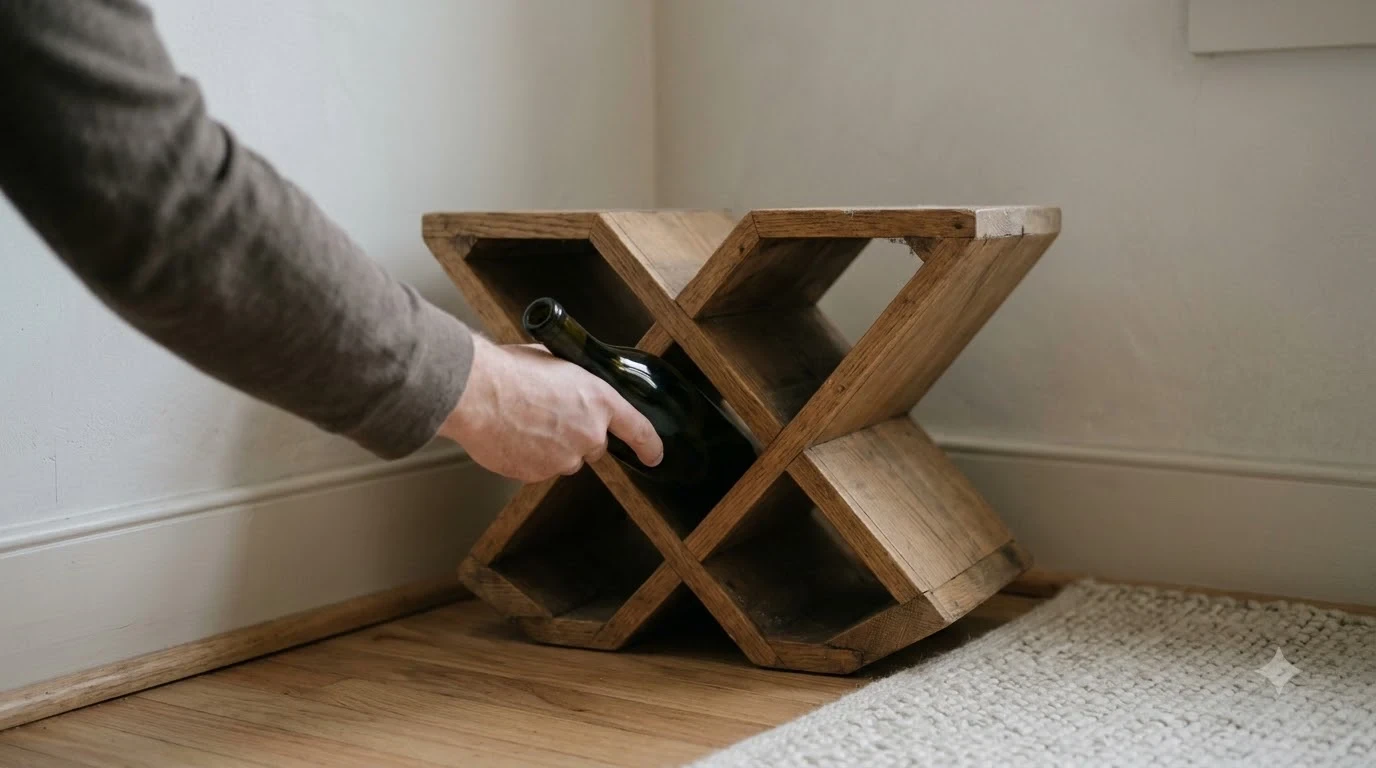
The best corner wine rack for most homes is a stackable wooden or metal unit that fills the corner without blocking the door or the counter, because it uses space that is otherwise hard to reach and still holds a usable number of bottles. A cube-style corner stack gives the most storage, a slim wall-mounted unit saves the most floor space, and a metal finish is easier to keep clean in a kitchen. This guide walks through the main styles by room and need, so you can match the rack to the space you actually have.
Corners are awkward. The walls meet at an angle, the door swings into the space, and a standard rack pushed into the gap can block the way to the fridge. A corner rack solves that by angling the storage into the unused space and keeping the bottles off the floor. Most racks are designed around the standard 750 ml bottle, so a good corner unit should be measured against the bottles you own, not just the wall. Before you buy, measure the depth of the corner, the height under any shelf, and how much clearance you need to take a bottle out with one hand.
Quick Comparison of Corner Rack Styles
The table compares the common corner styles by how many bottles they hold, how much floor space they take, and where they suit best. Use it to narrow the field before you look at the five groups below.
| Style | Bottle capacity | Floor space | Best room |
|---|---|---|---|
| Stacked cube corner rack | High, since bottles stack in layers | Moderate | Pantry or dining room |
| Wood corner unit with shelves | Moderate, usually standard bottles | Moderate | Living room or den |
| Metal corner rack | Moderate | Small | Kitchen |
| Wall-mounted corner shelf | Low, mostly decorative | None | Small apartment |
| Freestanding slim corner rack | Low to moderate | Very small | Hallway or bar nook |
Best for Maximum Storage in a Pantry Corner
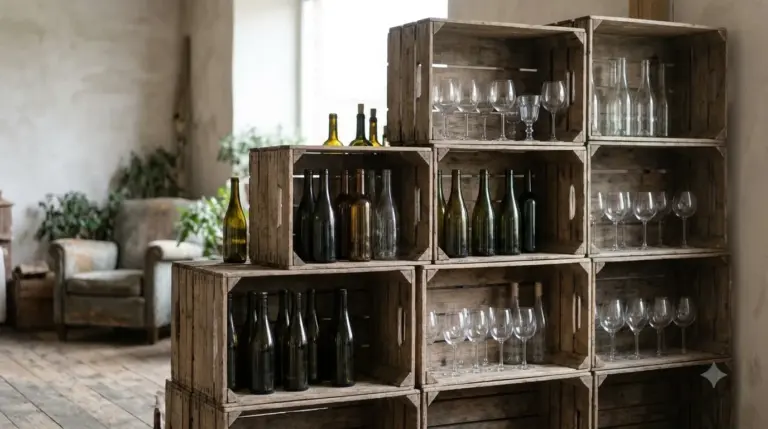
A stacked cube rack suits a corner in a pantry or dining room where you want to hold a full case without a wall-mounted unit taking over the space.
Why it stands out: cubes stack on top of one another, so the rack can hold a large number of bottles in a small footprint. The design works with any bottle shape, which matters if you buy a mix of still wine and sparkling. Most racks are built for standard 750 ml bottles, and a cube stack handles those without special fittings.
Keep in mind: a tall stack can tip if it is loaded unevenly, so anchor it to the wall in a home with children or pets. Check the height before you buy, since a rack that reaches the ceiling can be difficult to reach at the top.
Best for: households that buy wine by the case and want a single corner to hold most of it.
Best for Living Rooms and Dens
A wooden corner unit with shelves is the right choice when the rack sits in view and should match the furniture around it.
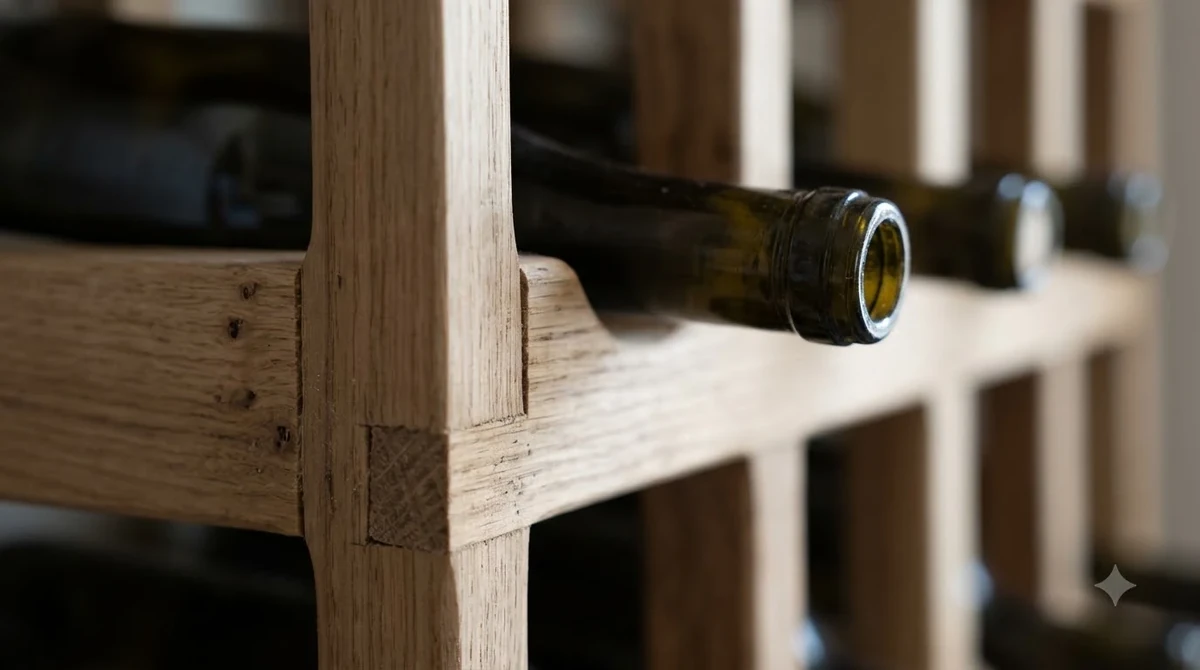
Why it stands out: wood is the most common material for wine racks, according to the Wikipedia overview, and it blends with a living room more easily than metal or plastic. Cedar has a noticeable aroma, which some people enjoy in a cabinet but prefer to avoid next to a cork, while fir is strong and light in colour. A wooden unit also reads as furniture rather than storage, which suits a room that guests see.
Keep in mind: wood can mark or swell if spilled wine sits on it, so wipe any drips at once. Cedar adds its scent to the air around the bottles, so choose a species that suits the room and the wine you keep.
Best for: wine lovers who want a rack that looks at home in a den or living room, and who keep a modest collection on display.
Best for Small Kitchens
A metal corner rack is a practical match for a kitchen where the rack will sit near the sink or the stove and needs to be wiped down often.
Why it stands out: stainless steel resists corrosion and is easy to clean, which matters in a space that sees steam and spills. Metal allows more open shapes than wood, so a corner unit can use the angle without feeling heavy. Stainless steel is also common in kitchens, so the rack fits the rest of the room.
Keep in mind: metal can feel cold and clinical in a room that is meant to feel warm. Check how the rack meets the wall, since some metal units need a second bracket to stay steady when a bottle is pulled out.
Best for: small kitchens and galley layouts where the rack must be easy to wipe and does not take up counter space.
Best for Small Apartments and Wall Space
A wall-mounted corner shelf takes no floor space at all, which makes it the most useful choice when the rest of the room is tight.
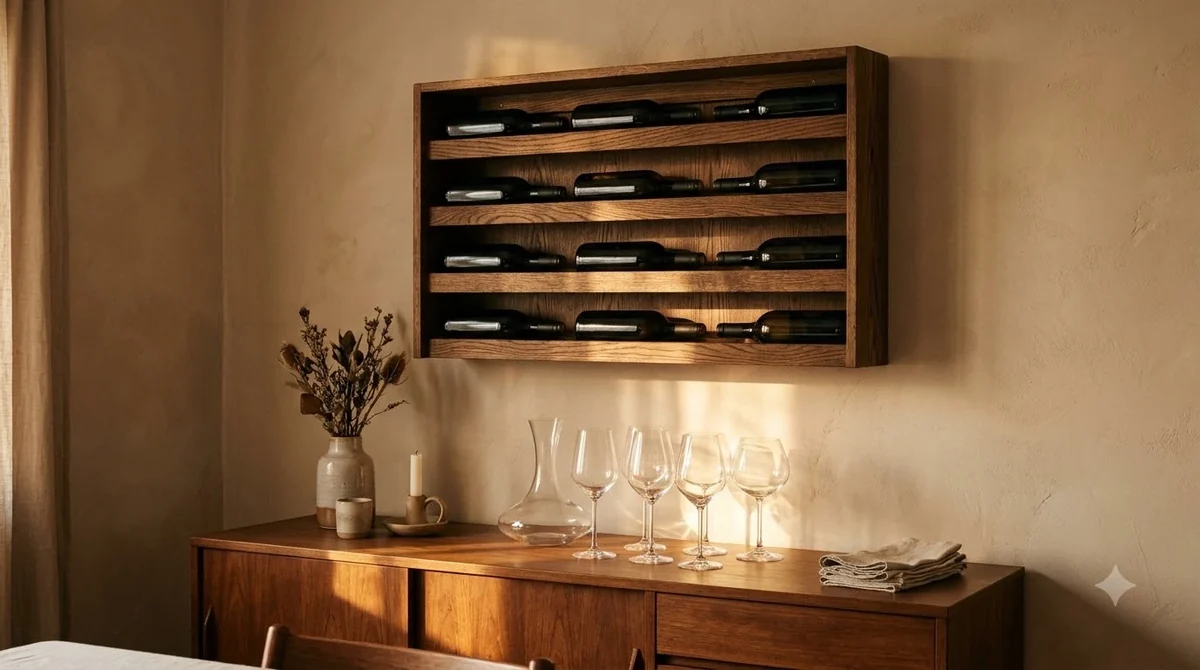
Why it stands out: a wall-mounted corner shelf keeps the floor clear and the bottles off the counter. It works well in a hallway, a small dining nook, or above a sideboard. The design is also simple to install, and many units are sold as decorative pieces that double as display shelves.
Keep in mind: wall-mounted racks generally hold only one or a few bottles, so they suit a small rotation of wine rather than a full collection. Check that the wall can take the weight of a full bottle and the shelf, and use the right fixings for your wall type.
Best for: renters, students and anyone with a small home who wants a few bottles on display without a freestanding unit.
Best for Slim Spaces Beside a Bar
A freestanding slim corner rack fits a hallway, a bar nook or a corner beside a door where a wide unit would block the path.
Why it stands out: a slim rack takes only a small footprint and can be moved if the room changes. Many slim units use a narrow, angled frame that keeps the bottles visible and easy to grab. It suits a nook where you want a few bottles close to the glasses.
Keep in mind: the capacity is limited, and a slim frame can feel unstable with a heavy bottle on the top shelf. Place the rack on a flat floor and load the heaviest bottles on the lower shelves first.
Best for: hallways, bar corners and tight kitchens where a rack has to fit a narrow gap.
How to Choose the Right Corner Wine Rack
Start with the number of bottles you keep at home. A few bottles for the week need a different rack than a full case. Then check these points before you buy.
- Measurements: measure the depth of the corner and the clearance for the door before you order.
- Capacity: confirm how many standard 750 ml bottles the rack holds, since many corner units are built around that size.
- Material: wood suits living rooms, while stainless steel is easier to clean in a kitchen.
- Stability: a rack that will hold a case should be anchored or set on a level floor.
- Access: make sure you can reach the top and bottom shelves without moving the rack.
Tip: store bottles on their side or at a slight angle so the wine stays in contact with the cork. A rack that keeps the bottles horizontal does this best.
Frequently Asked Questions
What size is a corner wine rack?
Size depends on the number of bottles you want to hold. Most racks are built for standard 750 ml bottles, so measure the corner and the clearance around it first. A wider corner can hold a case, while a narrow one suits a few bottles.
Is a wooden or metal corner rack better?
Wood is the most common choice and suits a living room because it looks like furniture. Metal, especially stainless steel, is easier to wipe clean and works well in a kitchen. Pick the material that matches the room where the rack will sit.
Can a corner wine rack hold a full case?
Yes, if the rack is a stacked cube or a shelved unit built for standard bottles. Check the rated capacity before you buy, and make sure the rack is stable under the full weight of a case.
Should a corner rack be against the wall?
Corner racks are designed to sit flush against two walls, which keeps them steady. If the rack will stand free in a room, anchor it or place it on a level floor, especially if it holds a tall stack of bottles.
If you are comparing options, the guide to wine racks covers freestanding designs in more detail, and the wall-mounted wine rack guide suits tight rooms. To plan how much wine you will need to store, see how many bottles in a case of wine.
More in Racks & Storage
 Best Wine Barrel Racks for Distinctive Bottle StorageUpdated Nov 20, 2026
 Best Wine Storage Tower: Sizing, Protection and Room LayoutUpdated Nov 18, 2026
 Best Pyramid Wine Rack: Materials, Sizes and Where It FitsUpdated Nov 18, 2026
 Best Kitchen Cabinet Wine Rack Insert for Built-In Bottle StorageUpdated Nov 18, 2026
 Best 16 Bottle Wine Rack Options for Kitchens, Bars and CellarsUpdated Nov 18, 2026
 Best 48 Bottle Wine Rack Options for Cellars, Kitchens, and Tight SpacesUpdated Nov 18, 2026