

We may earn a commission when you buy through links on this page, at no extra cost to you. Learn more.
The screwpull wine chiller is a reusable, freezer-ready bottle cooling sleeve designed to keep wine and sparkling wine cool without electricity or an ice bucket. The best-known model, the Screwpull WA-126, features a flexible 23 cm textile construction, elastic sides, and a tapered top that helps maintain contact with a bottle. It is a practical choice for picnics, outdoor meals, and dinner parties, although its cooling performance depends on preparation and the temperature of the wine.
A bottle of Sauvignon Blanc, Chardonnay, or Champagne can lose its serving temperature surprisingly quickly after leaving the refrigerator. A conventional ice bucket is effective, but it takes up table space and introduces water, while an electric wine cooler requires a power source. The Screwpull sleeve offers a simpler alternative: freeze the reusable accessory, wrap it around the bottle, and use it to help maintain a refreshing temperature during service.
Specs and Key Features of the Screwpull WA-126
The Screwpull WA-126 is a flexible textile wine cooler sleeve designed for everyday bottle chilling and temperature maintenance. Its most useful characteristics are its 23 cm length, adjustable fit, freezer compatibility, and reusable construction.
The WA-126 is associated with Le Creuset’s Screwpull wine-accessory collection. Screwpull originated with inventor Herbert Allen, whose work began in 1975. Le Creuset acquired the company behind the accessories in 1991, and the name subsequently became associated with Le Creuset wine tools. The brand’s current collection includes a separate Wine Cooler Sleeve alongside its other wine accessories, as shown in the official Le Creuset wine-tools collection.
The WA-126 is not a powered appliance or a traditional insulated wine bucket. Instead, its cooling material is stored in the freezer before use. Once prepared, the flexible sleeve wraps around the bottle and creates close contact with its surface. This construction makes it especially convenient when a bottle needs to remain cool after being removed from refrigerator storage.
The product is also visually different from rigid wine chillers. Rather than occupying a permanent position on the dining table, it follows the shape of the bottle. Its fabric-like exterior makes it easier to grip and handle during pouring, while the tapered upper section helps cover more of the bottle near the neck.
| Specification | Screwpull WA-126 |
|---|---|
| Product type | Reusable wine cooling sleeve |
| Model designation | WA-126 |
| Length | 23 cm |
| Construction | Flexible textile material |
| Cooling preparation | Freezer storage |
| Bottle capacity | Designed for 75 cl bottles |
| Fit | Elastic sides and tapered top |
| Wine compatibility | Still wine and sparkling wine |
| Reusability | Reusable |
| Cleaning | Hand washing recommended |
| Electrical requirement | None |
These specifications make the WA-126 particularly attractive for people who want a portable cooling accessory rather than another appliance. Its lack of electrical components also means there are no cords, charging requirements, or controls to operate. However, the sleeve should be viewed as a cooling and temperature-maintenance accessory, not as a substitute for properly refrigerating a warm bottle for an extended period.
For the most reliable identification when shopping for an older Screwpull accessory, look for the WA-126 designation. Similar-looking sleeves from other manufacturers may have different cooling materials, dimensions, and bottle-fit characteristics.
What Owners and Buyers Like About the Design
The WA-126’s strongest advantages are portability, flexible bottle coverage, and straightforward operation. Its design is especially useful for serving chilled wine outside the kitchen, where an ice bucket or powered cooler may be inconvenient.
One appealing detail is the tapered upper section. A cooler that only covers the lower half of a bottle leaves much of the glass exposed to warmer surrounding air. The Screwpull sleeve is designed to extend toward the neck, helping it maintain contact over a larger portion of the bottle.
The elastic sides are another practical feature. Wine bottles do not all have identical proportions. A relatively narrow Riesling bottle, a standard Bordeaux bottle, and a broader sparkling-wine bottle can have noticeably different shapes. Flexible construction helps the sleeve accommodate variations that might be difficult for a rigid cooler.
Convenience for outdoor entertaining
The portable format makes sense for backyard dinners, patio lunches, picnics, and visits to friends. A bottle can be chilled at home, placed in the sleeve, and transported without needing a separate bucket filled with ice. This is particularly useful when the destination has limited refrigerator space.
The sleeve also avoids the water accumulation associated with melting ice. That means less dripping around a dining table and fewer wet bottle labels. It is a small convenience, but one that becomes noticeable during a longer meal.
A simple approach to bottle temperature
There are no complicated settings or temperature displays. The user prepares the sleeve in the freezer, wraps it around the bottle, and monitors the wine during service. This simplicity is an advantage for people who prefer traditional accessories over electronic equipment.
Another benefit is reusability. Unlike disposable cooling products, a reusable sleeve can return to the freezer after cleaning and drying. It is therefore suitable for households that regularly serve white wine, rosé, and sparkling wine.
Appearance and color choices
Le Creuset’s WA-126 has been offered in a range of colors, including Satin Black, Burgundy, Cerise, Caribbean, Azure, and Mist Grey. Availability can differ between sellers, particularly for older colors and discontinued versions.
The selection makes it possible to choose a relatively understated black sleeve or a brighter color that coordinates with other serving accessories. For someone purchasing a wine gift, this recognizable Le Creuset association can also make the accessory more appealing than an unbranded cooling sleeve.
Nevertheless, appearance should not be confused with cooling performance. Color selection does not establish how long a bottle will remain cold. The condition of the cooling material, freezer preparation, ambient temperature, and starting wine temperature are much more important.
Common Complaints and Cooling Performance
The main limitation of the Screwpull wine chiller is that its performance is not guaranteed to match a fixed cooling-time claim. It works best with wine that is already cold, and expectations should be realistic when using it with bottles starting at room temperature.
KnifeLeader advertises that the WA-126 can refresh a bottle in less than five minutes. However, a customer review on the same retailer’s product page describes a substantially slower experience, reporting that a bottle took approximately an hour rather than five minutes.
That difference matters because a freezer sleeve is affected by several variables. A bottle taken directly from a refrigerator has a different cooling requirement from one stored in a warm room. Similarly, a warm outdoor dining area creates a greater thermal challenge than a cool indoor setting.
It is not a replacement for refrigerator chilling
The most important distinction is between cooling and maintaining temperature. A refrigerator can bring an entire bottle down to a suitable serving temperature over time. A freezer-prepared sleeve provides additional cooling contact, but it should not be expected to perform like a commercial refrigeration system.
For best results, chill the bottle in advance. Use the Screwpull sleeve afterward to help preserve the temperature during transport and serving. This approach is more dependable than relying on the sleeve to prepare a warm bottle immediately before guests arrive.
Freezer preparation requires planning
The sleeve needs freezer storage before it can be used effectively. This creates a minor inconvenience for people who do not have much freezer space or who entertain unexpectedly.
A dedicated place in the freezer makes the accessory more useful. However, a sleeve forgotten in a cupboard cannot provide the same cooling performance as one that has been properly prepared. Households that rarely plan their wine service in advance may prefer a different cooling solution.
Fit is flexible but not unlimited
The WA-126 is designed for 75 cl bottles, and its elastic sides help accommodate different shapes. That is useful for standard wine bottles, but it does not establish compatibility with every unusual bottle format.
Large-format bottles, unusually wide sparkling-wine bottles, and oversized specialty packaging deserve particular attention. The stated 75 cl capacity should not be interpreted as universal compatibility with all bottle sizes.
Cleaning is less convenient than with some rigid accessories
The retailer recommends hand washing and identifies the sleeve as unsuitable for dishwasher cleaning. This is a modest disadvantage compared with stainless-steel or plastic accessories that may have simpler cleaning requirements.
Wine drips, dust, and outdoor residue should be removed before returning the sleeve to storage. It should also be allowed to dry appropriately after cleaning. These basic steps help keep a reusable textile accessory ready for its next use.
Tip: Refrigerate your wine before using the Screwpull sleeve. Think of the sleeve as a way to maintain serving temperature during a meal or journey, rather than a guaranteed five-minute solution for a warm bottle.
Who Should Buy the Screwpull Wine Chiller and Who Should Skip It
The Screwpull WA-126 makes the most sense for people who already chill their wine and want a convenient way to keep bottles cooler during serving. It is less suitable for buyers who need rapid, predictable temperature reduction or a permanent tabletop cooling station.
Who should consider buying it?
Outdoor entertainers: Anyone who serves wine on a patio, at a garden table, or during a picnic can benefit from a portable sleeve. It reduces the need to carry a separate ice bucket and keeps the bottle easier to handle during service.
White-wine drinkers: Sauvignon Blanc, Pinot Grigio, Riesling, and other light whites are commonly served chilled. The WA-126 provides a convenient way to help maintain their temperature after refrigeration.
Sparkling-wine enthusiasts: Champagne and other sparkling wines are also suitable candidates for bottle cooling sleeves. Their serving temperature is important, and a sleeve can help limit warming during a celebration or extended dinner.
Le Creuset accessory collectors: People who already own Screwpull corkscrews or other Le Creuset wine tools may appreciate the matching accessory design and color selection.
Small-space households: A sleeve is easier to store than a large rigid wine bucket. It can be kept in a freezer drawer and does not require a dedicated countertop position.
Who should skip it?
People who regularly forget to chill wine: If bottles usually move directly from a warm cupboard to the dinner table, a sleeve may not deliver the immediate cooling performance expected. A refrigerator or an alternative rapid-cooling solution may be more appropriate.
Buyers who want a temperature-controlled appliance: The WA-126 has no thermostat or digital temperature display. Anyone who wants to set and monitor a precise temperature should consider an electric system instead.
People who entertain with oversized bottles: The stated design is for 75 cl bottles. Those who frequently serve large-format bottles should investigate a larger cooling accessory.
People who dislike hand washing: Buyers who want a completely dishwasher-friendly accessory may find the recommended cleaning method inconvenient.
Occasional wine drinkers with limited freezer space: The requirement to keep the sleeve prepared in the freezer can make it less attractive for households that rarely serve chilled wine.
How the Screwpull WA-126 Compares to Other Wine Chillers
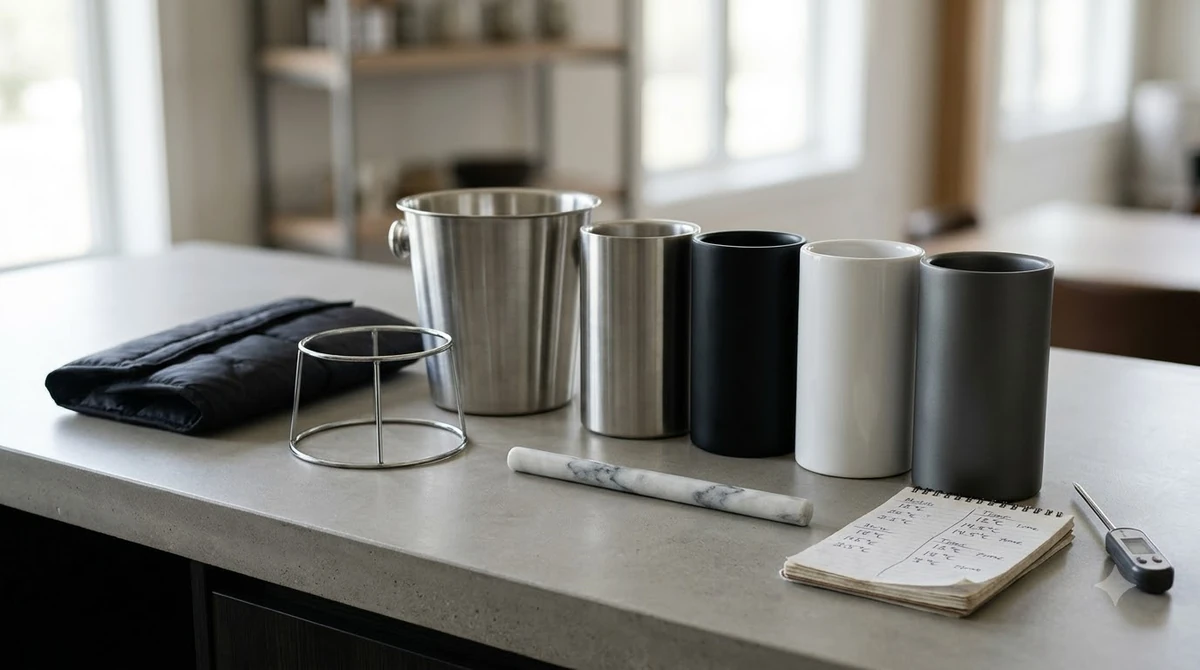
The Screwpull WA-126 occupies a middle ground between simple passive cooling accessories and powered wine chillers. Its main advantage is portability, while its main limitation is dependence on freezer preparation and the temperature of the bottle before use.
Screwpull versus a marble wine chiller
A marble wine chiller uses the thermal properties and mass of stone to help keep a bottle cool. It can be an attractive centerpiece for a dining table, particularly in a home with traditional serving accessories.
Marble offers a rigid, substantial construction that looks different from the Screwpull’s flexible textile sleeve. It can be chilled before use, although its performance depends on the stone’s temperature and the conditions surrounding the bottle.
The WA-126 is more convenient for transportation and storage. A marble vessel takes up more cupboard space and can be heavy to carry to an outdoor gathering. The Screwpull sleeve is the more practical choice for portable service, while marble is appealing for a permanent tabletop presentation.
Screwpull versus an electric wine chiller
An electric wine chiller is a better option for people who want a powered cooling system. Depending on its design, an electric unit may provide temperature controls and more consistent cooling than a freezer sleeve.
The Screwpull accessory has a clear advantage in portability because it does not need electricity. It can travel in a bag, fit around a bottle, and operate without a countertop or electrical outlet.
However, the WA-126 cannot reproduce the functionality of a powered temperature-control system. People who serve several bottles throughout an evening or need more predictable cooling may find an electric model more useful.
Screwpull versus an instant wine chiller
An instant wine chiller is designed around convenience and faster access to cooled wine. Depending on the product type, it may use a different cooling method or come into contact with the wine itself.
The Screwpull sleeve takes a more traditional approach. It stays around the outside of the bottle and does not require wine to be poured through a cooling device. That makes it straightforward for people who want to serve a bottle normally without introducing another step into pouring.
For a last-minute serving situation, the actual performance of the alternative product should be considered rather than relying on its name. Neither an instant chiller nor a freezer sleeve should automatically be assumed to deliver identical results with every wine and starting temperature.
Choosing the right format
The best choice depends on where and how wine is served. A portable sleeve suits picnics and casual outdoor meals, marble suits decorative table service, and an electric unit suits households that prioritize temperature control.
Buyers comparing the Screwpull sleeve with other accessories can also browse the wine accessory collection to understand the different equipment categories. A useful comparison considers storage requirements, cleaning, bottle compatibility, preparation time, and how long the wine needs to remain chilled.
For a household that primarily serves one refrigerated bottle at a time, the WA-126 offers a relatively uncomplicated approach. For larger gatherings involving multiple bottles, a bucket or powered cooler may be more practical.
Using and Maintaining the Screwpull Wine Cooler Sleeve
Proper preparation is the key to getting consistent results from the WA-126. The sleeve should be stored in the freezer before service, fitted around an already chilled bottle, and cleaned according to its recommended care method afterward.
Preparing the sleeve
Begin by making room for the sleeve in the freezer. Store it flat or in another position that does not unnecessarily compress its flexible construction. Keep it away from objects that could puncture or damage its exterior.
There is no need to operate a switch or adjust a temperature setting. The sleeve is a passive cooling accessory, so preparation consists primarily of allowing its cooling material to become sufficiently cold before use.
Preparing the wine
Refrigerate the wine before serving. For reference, sparkling wine is generally served at 40 to 50 degrees Fahrenheit, while light whites and rosé are typically served at 45 to 50 degrees Fahrenheit.
Full-bodied white wines such as oaked Chardonnay generally benefit from a slightly warmer serving temperature of 50 to 55 degrees Fahrenheit. The sleeve can help maintain these conditions, but the initial refrigeration step remains important.
Fitting the bottle
Remove the sleeve from the freezer and place it around the bottle. Align its tapered upper section with the bottle neck, then allow the elastic sides to provide a close fit around the glass.
Make sure the sleeve sits securely rather than bunching up around the middle. Better contact across the bottle’s surface helps the cooling accessory perform as intended.
Serving and monitoring temperature
Keep the sleeve on the bottle during service. Its flexible construction is intended to allow normal handling and pouring without removing it.
For a long dinner, monitor the wine rather than assuming that the bottle will remain at exactly the same temperature indefinitely. Warm weather, direct sunlight, and repeated handling can all affect how quickly a chilled bottle warms.
Cleaning and storage
After use, follow the recommended hand-washing method. Avoid treating the WA-126 as a dishwasher-safe accessory, since the retailer specifically identifies it as unsuitable for dishwasher cleaning.
Remove any visible dirt or wine residue and allow the sleeve to dry appropriately. Return it to suitable storage once clean and ready for its next use. Regular care is particularly useful for an accessory that is frequently taken outdoors.
For households that regularly serve chilled wine, maintaining a prepared sleeve in the freezer makes spontaneous use easier. The accessory becomes more convenient when it is ready before guests arrive rather than being something that needs preparation at the last minute.
Frequently Asked Questions
Is Screwpull the same brand as Le Creuset?
Screwpull originated as a wine-accessory brand associated with Herbert Allen and Hallen International Inc. Le Creuset acquired the company in 1991, and Screwpull products subsequently became part of Le Creuset’s wine-accessory identity. Older products may therefore carry Screwpull branding even when current product information uses the Le Creuset name.
Can the Screwpull WA-126 be used with half bottles?
The published product description specifically identifies 75 cl bottles as its intended capacity. A half bottle has a shorter body, so the sleeve may not sit in the same position or provide the same coverage. For smaller formats, a cooling accessory designed for that bottle size is a more dependable choice.
Does the Screwpull wine sleeve affect the wine’s flavor?
The WA-126 is an external bottle accessory, so it does not need to contact the wine itself. It does not introduce ingredients or change the wine through an internal cooling process. Its purpose is to help manage bottle temperature during serving rather than modify the wine’s aroma or flavor profile.
Can the sleeve be used repeatedly throughout the same evening?
Yes, it is a reusable accessory rather than a single-use product. However, its cooling material needs to remain sufficiently cold to provide useful cooling performance. If it warms substantially during an extended event, returning it to the freezer before another use is the practical approach.
Is the Screwpull WA-126 suitable as a wine gift?
It can make a useful gift for someone who regularly serves wine at home or entertains outdoors. Its association with Le Creuset and its selection of colors give it appeal as a wine accessory. It is especially suitable for someone who already owns a corkscrew, wine glasses, or other serving equipment but would appreciate a portable cooling option.
The Screwpull WA-126 is a practical wine accessory for people who value portability, reusable construction, and simple bottle cooling without electricity. Its strongest role is maintaining the temperature of wine that has already been properly chilled, rather than replacing a refrigerator or promising identical rapid-cooling results in every situation. For outdoor entertaining and everyday bottle service, it remains a useful option worth comparing with marble, instant, and electric wine chillers.
More in Wine Accessories
 Coravin Vs Vacu Vin: Choose the Right Wine Saver for Your BottlesUpdated Nov 21, 2026
 Zwilling Wine Stopper Review: Preserve Open Bottles LongerUpdated Nov 21, 2026
 Wine Enthusiast Wine Preserver Review: Features, Benefits and LimitationsUpdated Nov 21, 2026
 Wine Enthusiast Wine Stopper: An Easier Way to Reseal Open BottlesUpdated Nov 21, 2026
 Vintorio Wine Opener: Two-Step Cork RemovalUpdated Nov 21, 2026
 Zwilling Wine Aerator Review: Aerate, Pour, and Seal With One ToolUpdated Nov 21, 2026