

We may earn a commission when you buy through links on this page, at no extra cost to you. Learn more.
The swig wine chiller is best understood as an insulated stainless steel wine tumbler, rather than a traditional bottle-shaped wine cooler. Swig Life offers 12-ounce and 14-ounce stemless wine cups with vacuum insulation, copper-plated construction, and removable-slider lids. These cups are designed to keep individual servings cold for more than 9 hours, making them useful for patios, picnics, parties, and everyday sipping. However, anyone looking to chill an entire 750 ml wine bottle will need a different type of accessory.
The name can create some confusion because wine chillers generally fall into two categories: containers that cool or maintain the temperature of a complete bottle and insulated vessels designed to hold an individual serving. Swig Life belongs to the second category. Its wine cups focus on portability, temperature retention, and a stemless drinking experience rather than storing a full bottle. Understanding that distinction is essential before deciding whether this accessory suits your wine routine.
Specs and Key Features of the Swig Wine Chiller
The main attraction of the Swig wine cup is its insulated stainless steel construction, which helps maintain beverage temperature without requiring an external ice bucket. Its practical features include a removable-slider lid, a silicone base, and a condensation-resistant exterior. The 12-ounce and 14-ounce versions offer different capacities while sharing the same general insulation concept.

Swig Life describes its insulation system as double-walled, vacuum-sealed, and copper-plated. The construction is intended to reduce heat transfer between the beverage and the surrounding environment. The company states that its 12-ounce wine cup keeps drinks cold for more than 9 hours and hot for more than 3 hours. These are manufacturer performance claims, not a guarantee that every wine will maintain its ideal serving temperature for that entire period. Ambient temperature, starting beverage temperature, lid position, and how frequently the cup is opened can affect actual performance.
The stainless steel body uses 304-18/8 food-grade material, a common choice for reusable drinkware. Unlike a conventional glass wine tumbler, the metal construction is non-breakable under ordinary use. That makes the design particularly practical around swimming pools, outdoor dining areas, and picnic tables where glassware may be inconvenient.
The included medium lid has a removable slider, allowing the drinking opening to be adjusted. The silicone base is another useful detail because it provides a softer contact point against tables and other surfaces. It helps reduce slipping, scratches, and the noise associated with setting a metal vessel directly on a hard countertop.
| Specification | 12-ounce version | 14-ounce version |
|---|---|---|
| Capacity | 12 oz | 14 oz |
| Material | 304-18/8 stainless steel | 304-18/8 stainless steel |
| Insulation | Double-wall vacuum and copper plating | Double-wall vacuum and copper plating |
| Cold retention claim | 9+ hours | 9+ hours |
| Hot retention claim | 3+ hours | 3+ hours |
| Lid | Medium lid with removable slider | BPA-free medium lid with removable slider |
| Exterior | Condensation-free | Condensation-free |
| Base | Silicone coaster base | Silicone base |
| Empty weight | 0.4 lb | Not specified in the cited listing |
| Published dimensions | 4.9 x 3.5 inches, including lid | Not specified in the cited listing |
The published specifications make the 12-ounce version particularly easy to evaluate. Its 2.5-inch base diameter and 0.4-pound empty weight provide useful information for shoppers concerned about storage and portability. The 14-ounce model provides additional capacity, although the exact measurements should not be assumed to match the smaller cup.
One important limitation deserves attention: neither of these stemless cups is designed to accommodate an entire standard 750 ml wine bottle. A 750 ml bottle contains approximately 25.4 fluid ounces, considerably more than either tumbler’s capacity. The Swig cup is therefore a serving vessel, not a substitute for a bottle chiller.
For additional product context, the official Swig Life 12-ounce wine cup specifications provide the manufacturer’s material, dimensions, insulation claims, and care instructions.
What Owners Like About the Design
The strongest appeal of the Swig wine cup is the combination of temperature retention, durable construction, and everyday convenience. Its design addresses several common frustrations associated with traditional wine glasses, particularly condensation, accidental breakage, and drinks warming during outdoor gatherings.
One recurring advantage is the insulated exterior. A regular glass of chilled Sauvignon Blanc can quickly develop condensation in a warm room or on a humid patio. Swig Life’s condensation-free construction helps keep the outside of the cup dry, reducing wet rings on wooden furniture and sticky surfaces. This is particularly useful during summer entertaining, when cold drinks and warm outdoor temperatures often create moisture around ordinary glassware.
The silicone base is another practical feature. Metal drinkware can produce an unpleasant clank when placed on stone countertops, glass tables, or patio furniture. A softer base helps reduce that noise while adding friction against the surface. The additional protection is welcome when the cup is moved frequently between a kitchen counter and an outdoor table.
Capacity also contributes to the appeal. The 12-ounce option accommodates a generous serving, while the 14-ounce version provides extra room for someone who prefers a larger pour or enjoys wine-based cocktails. Both sizes can serve purposes beyond wine, including iced tea, sparkling water, and other cold beverages.
Why the stemless format works
Traditional stemmed wine glasses have an important advantage: they allow drinkers to hold the glass without warming the wine directly through the bowl. They also provide a familiar shape for observing wine color and aromas. However, their stems can be awkward around outdoor furniture, crowded tables, and travel situations.
The Swig format prioritizes stability and durability. A shorter, wider vessel is easier to transport than delicate stemware, and the stainless steel body does not shatter if accidentally knocked over. Its silicone base further supports everyday handling.
The trade-off is that stainless steel does not provide the same visual experience as clear glass. Someone comparing the color of a young Pinot Noir with an aged Cabernet Sauvignon will find a transparent wine glass more useful. Similarly, a dedicated tasting session benefits from glassware that makes visual inspection and aroma evaluation easier.
For casual entertaining, however, the Swig format has a clear purpose. It is particularly suitable for a backyard barbecue, a weekend picnic, or a relaxed evening on the balcony where convenience matters more than formal presentation.
The lid and everyday handling
The included lid provides an additional layer of convenience. Its removable slider allows the drinking opening to be accessed without removing the entire lid. This can help limit splashes when moving around with the cup or carrying it between rooms.
It is important to distinguish spill resistance from leakproof construction. A sliding lid should not automatically be treated as a sealed travel container. Keeping the cup upright remains the sensible approach, especially when it contains wine, which can stain clothing, upholstery, and bags.
The removable slider is also useful for cleaning. Rather than treating the lid as one inaccessible component, owners can remove the sliding section to address residue around the opening. This is particularly relevant when switching between wine, cocktails, and sweet beverages.
Common Complaints and Practical Limitations
The Swig wine cup has useful features, but it is not the right accessory for every wine drinker. Its biggest limitation is the distinction between chilling a bottle and keeping an individual serving cold. Other considerations include the opaque metal construction, lid handling, cleaning preferences, and the relatively generous capacity of the larger version.
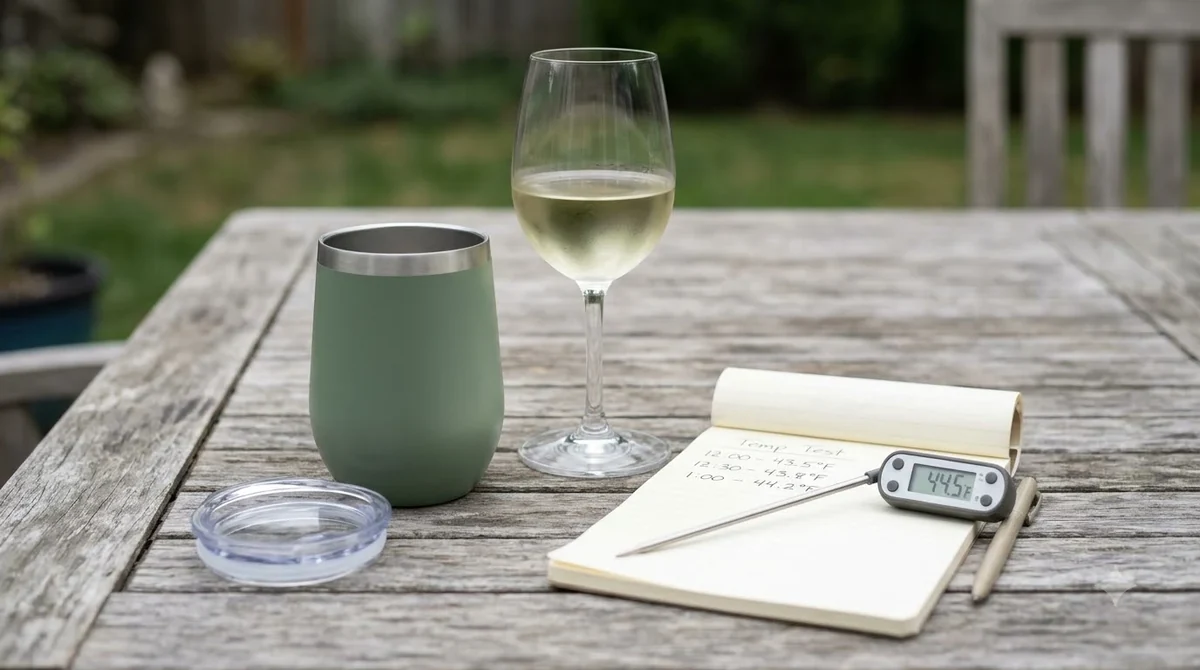
The first potential disappointment concerns the product name. Someone searching for a wine chiller may expect a sleeve or insulated bucket that surrounds a standard bottle. The Swig stemless wine cup does not perform that job. It holds wine that has already been poured into it. If the objective is to maintain a chilled bottle of Chardonnay throughout dinner, a conventional bottle cooler is the more appropriate purchase.
The second limitation is the absence of a transparent bowl. Stainless steel prevents drinkers from observing the wine’s color, clarity, and visual development. This matters less for casual drinking but can become frustrating during a structured tasting of several wines. A conventional glass remains preferable for evaluating the appearance of a pale Pinot Grigio, a deep Malbec, or a mature Bordeaux blend.
The lid is another consideration. Some wine drinkers prefer an open glass because it provides unrestricted access to aromas. A lid can be convenient outside, but it is not necessarily ideal for evaluating delicate aromatic wines. Opening the cup or removing the lid may be preferable when assessing floral, citrus, or mineral aromas in a Riesling or Sauvignon Blanc.
Capacity may not suit every pour
The 12-ounce model provides a practical balance between portability and serving capacity. The 14-ounce version offers more space, but additional capacity does not automatically improve the wine-drinking experience. A larger vessel can encourage a heavier pour, while a smaller vessel may feel easier to handle for someone who prefers a compact cup.
For reference, a standard wine serving is approximately 5 ounces. A 12-ounce cup has room for more than two such servings by volume, and a 14-ounce cup has room for almost three. These figures describe capacity rather than recommended pouring amounts. Leaving adequate headspace also makes it easier to carry the cup without spilling.
Cleaning requires attention
Although Swig Life identifies its wine cup as dishwasher safe, the manufacturer recommends handwashing to preserve the finish. That distinction matters for people who prefer low-maintenance drinkware. Handwashing takes additional time, particularly when several cups are used during a gathering.
The manufacturer also advises against bleach and abrasive cleaners containing chlorine. These products can be unsuitable for maintaining the appearance of stainless steel and decorative finishes. The removable slider should receive attention because wine residue and sugary cocktail ingredients can accumulate around its edges.
Another limitation is that insulated drinkware does not eliminate the need to start with properly chilled wine. Pouring warm white wine into an insulated vessel will not turn it into a properly chilled bottle. Insulation primarily slows temperature changes rather than acting as a refrigerator.
Who Should Buy the Swig Wine Cup and Who Should Skip It
The Swig wine cup makes the most sense for people who want an insulated individual drinking vessel with a durable exterior. It is particularly suitable for outdoor entertaining, casual wine drinking, and situations where condensation or broken glass is a concern. Shoppers seeking a dedicated wine bottle cooling accessory should choose a different design.
For patio use, the stainless steel body offers a practical advantage over fragile stemware. Someone enjoying a chilled Rosé during an outdoor lunch can pour a serving into the cup and avoid the condensation that often collects around conventional glasses. The silicone base also makes the vessel more suitable for surfaces that could be scratched by bare metal.
It is equally useful for casual gatherings where different beverages are served. The same 12-ounce cup can hold a white wine, a sparkling cocktail, or chilled water. That versatility can make it more useful than a specialized wine-only accessory.
Buy it if you want portability
Consider the Swig cup if you regularly take drinkware to a patio, picnic, camping area, or outdoor event. Its non-breakable stainless steel construction provides a practical alternative to glass, and the lid helps reduce accidental splashes during ordinary movement.
It is also a reasonable choice for someone who likes cold wine but dislikes wet table surfaces. The condensation-free exterior addresses a genuine everyday inconvenience, especially in warm and humid conditions.
People who enjoy larger servings may appreciate the 14-ounce capacity. Those who prioritize a lighter, more compact cup can consider the 12-ounce version instead. Both have the same general cold-retention claim, so the decision should center on handling and preferred capacity rather than an assumed insulation advantage.
Skip it if you need a bottle cooler
A conventional bottle chiller is a better choice if you regularly serve wine from a single bottle over an extended dinner. It surrounds the bottle and helps maintain its temperature between pours. The Swig cup cannot replace this function because it is designed to hold a single serving rather than the entire bottle.
It is also less suitable for formal wine tastings. Wine enthusiasts who compare aromas, color, and texture may prefer transparent stemware with a bowl designed to encourage aromatic development. Stainless steel is practical, but it does not offer the same sensory experience.
Finally, anyone who expects a completely leakproof container should consider the lid design carefully. A spill-resistant slider is useful for casual movement, but it should not be treated as permission to carry a filled cup horizontally inside a bag.
Tip: Chill your white wine or Rosé in the refrigerator before pouring it into a Swig cup. Insulation helps maintain an existing temperature; it is not a substitute for refrigeration. For a typical white wine serving, aim for approximately 45 to 50 degrees Fahrenheit, depending on the style.
How It Compares to Alternative Wine Chillers
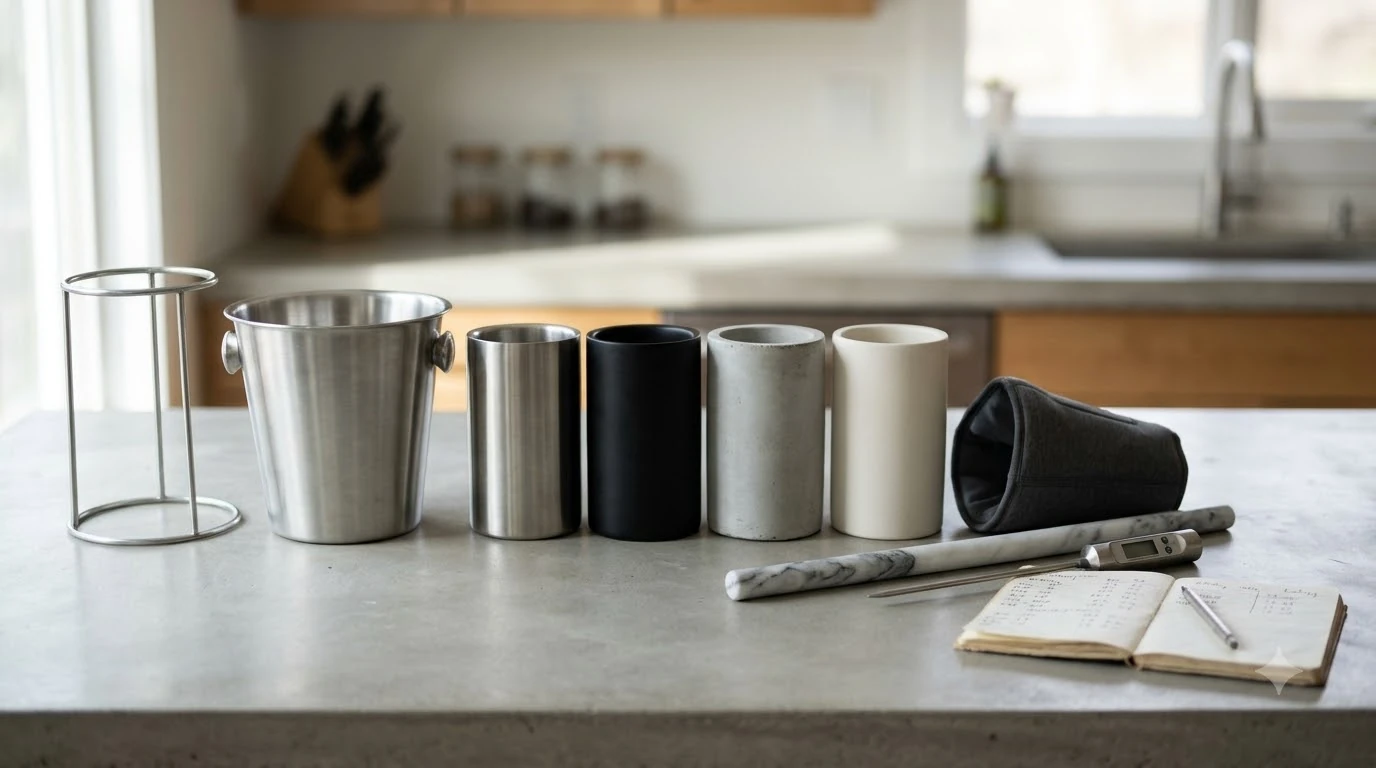
The most useful comparison is not simply between brands but between different types of wine accessories. The Swig wine cup is a personal insulated vessel, whereas marble, electric, and rapid-cooling accessories address the temperature of a complete bottle. Choosing between them depends on what needs to remain cold and how the wine will be served.
A traditional bottle cooler is useful during dinner parties because it stays on the table alongside the wine. Guests can pour directly from the bottle while the cooler helps maintain its temperature. The Swig cup serves the individual drinker instead, making it a more portable solution for situations where each person carries their own beverage.
Swig versus marble wine chillers
A marble wine chiller is designed to hold a bottle rather than a serving. Marble has thermal mass and can help maintain the temperature of a chilled bottle for a period of time. Its substantial construction and natural stone appearance also make it attractive as a tabletop accessory.
However, marble is generally heavier and less portable than an insulated stainless steel tumbler. It also requires advance chilling if the goal is to keep an already cold bottle cool. The Swig cup is more practical for someone moving between rooms or spending time outdoors, while marble is better suited to stationary presentation.
Swig versus electric wine chillers
An electric wine chiller is the more appropriate category for someone who wants active temperature management for a bottle. Depending on the design, an electric unit may provide controlled cooling rather than relying solely on insulation or stored cold.
The trade-off is that electric equipment generally requires power and a suitable location. It is not as convenient for a picnic or a walk around an outdoor gathering. Swig’s cup is simpler because it does not require a charging cable or electrical outlet during normal use.
Swig versus instant wine chillers
An instant wine chiller addresses a different problem: bringing wine toward a serving temperature quickly. These accessories are useful when a bottle has not been chilled sufficiently before guests arrive. They are not interchangeable with insulated tumblers, which are intended to maintain the temperature of wine already poured into the vessel.
The distinction is particularly important for sparkling wine and white wine. Both benefit from appropriate serving temperatures, but the right accessory depends on whether the wine needs to be cooled, maintained, or simply carried in an individual serving vessel.
Swig Life’s broader Accessory Brands category can also help readers compare different types of wine-related equipment. For someone who entertains frequently, owning both a personal insulated cup and a dedicated bottle cooler may be more practical than expecting one accessory to perform both jobs.
Comparison at a glance
| Accessory | Main purpose | Best situation |
|---|---|---|
| Swig wine cup | Maintains an individual serving’s temperature | Patios, picnics, everyday use |
| Marble wine chiller | Helps maintain a chilled bottle | Tabletop entertaining |
| Electric wine chiller | Active bottle cooling | Home wine service |
| Instant wine chiller | Rapid bottle cooling | Last-minute serving preparation |
These accessories solve different problems, so there is no universal winner. The Swig cup is the most relevant option for personal portability and individual temperature retention. A bottle-focused product makes more sense when the priority is keeping a complete bottle ready for multiple pours.
Frequently Asked Questions
Is the Swig wine chiller suitable for sparkling wine?
Yes, the insulated wine cup can hold sparkling wine after it has been poured from its bottle. Its 12-ounce and 14-ounce capacities provide room for individual servings, although the vessel is not a replacement for a sparkling wine stopper. Carbonation gradually decreases after pouring, so drinking the wine relatively soon provides a better experience.
Can the Swig wine cup be used for red wine?
Yes, the stainless steel cup can hold red wine as well as white wine and Rosé. Light-bodied reds such as Pinot Noir are generally served around 55 to 60 degrees Fahrenheit, while fuller reds are commonly served around 60 to 65 degrees Fahrenheit. Starting with the appropriate temperature is important because the insulation preserves the beverage’s existing temperature rather than actively adjusting it.
Does stainless steel change the flavor of wine?
Food-grade 304 stainless steel is widely used in reusable beverage containers because it is designed for repeated contact with drinks. A clean cup should not be expected to contribute a deliberate flavor to wine. However, lingering detergent, coffee, cocktail, or food odors can affect the drinking experience, which makes thorough cleaning between beverages important.
Can the Swig wine cup hold nonalcoholic drinks?
Yes, the manufacturer’s product descriptions include beverages beyond wine, and the insulated construction is suitable for drinks such as iced tea, sparkling water, and other cold refreshments. The 12-ounce and 14-ounce capacities also provide flexibility for different serving preferences. Cleaning the lid and drinking opening between different beverages helps prevent lingering flavors.
Should the Swig cup be prechilled before pouring wine?
Prechilling the cup can be useful if the goal is to preserve a particularly cold serving, although the manufacturer does not require a specific prechilling procedure. A refrigerator-chilled vessel can reduce the initial temperature difference between the cup and the wine. Avoid assuming that placing the cup in a freezer is necessary or that it will replace proper wine refrigeration.
The Swig wine chiller is a practical choice for anyone seeking a reusable, insulated wine tumbler with a durable stainless steel body, a removable-slider lid, and a non-slip silicone base. Its strongest use case is keeping individual servings comfortable to enjoy during casual entertaining and outdoor activities. However, shoppers who need to cool or maintain an entire wine bottle should choose a dedicated bottle chiller instead.
More in Wine Accessories
 Coravin Vs Vacu Vin: Choose the Right Wine Saver for Your BottlesUpdated Nov 21, 2026
 Zwilling Wine Stopper Review: Preserve Open Bottles LongerUpdated Nov 21, 2026
 Wine Enthusiast Wine Preserver Review: Features, Benefits and LimitationsUpdated Nov 21, 2026
 Wine Enthusiast Wine Stopper: An Easier Way to Reseal Open BottlesUpdated Nov 21, 2026
 Vintorio Wine Opener: Two-Step Cork RemovalUpdated Nov 21, 2026
 Zwilling Wine Aerator Review: Aerate, Pour, and Seal With One ToolUpdated Nov 21, 2026