

We may earn a commission when you buy through links on this page, at no extra cost to you. Learn more.
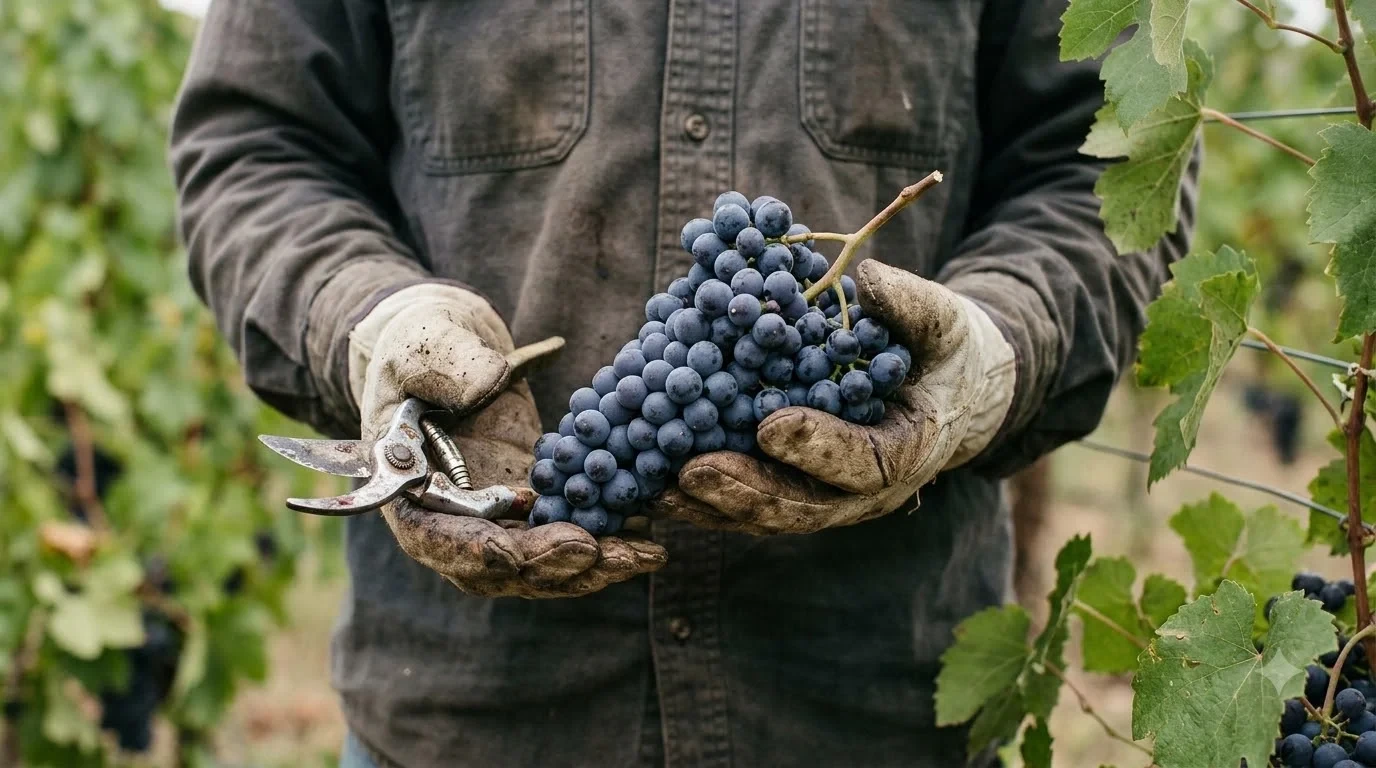
If you are wondering what does cotes du rhone taste like, the classic red blend delivers ripe red and dark berries layered with cracked black pepper, wild Mediterranean herbs, and a warm, silky finish. Most bottles are medium- to full-bodied blends led by Grenache, Syrah, and Mourvèdre that balance plush fruit against moderate tannins and refreshing acidity. While red wine accounts for roughly 84% to 90% of production, the appellation also produces floral, stone-fruited whites and crisp, berry-driven rosés.
Because Côtes du Rhône spans a huge stretch of southeastern France, the regional label acts as a gateway to one of the country’s most food-friendly wine styles. Learning how each grape shapes the glass—and how regional tier differences affect intensity—makes it much easier to pick a bottle suited to dinner.
What it is
Côtes du Rhône is a regional French Appellation d’Origine Contrôlée (AOC) established in 1937 along the Rhône River Valley. Rather than naming a single grape variety on the front label, bottles carry the name of the region and rely on traditional multi-grape blends.
For red and rosé wines, French appellation rules allow up to 21 grape varieties, though three core grapes define the signature red style known internationally as the GSM blend. According to Wine Folly’s guide to the Côtes du Rhône GSM blend, Grenache typically forms the largest share of a southern red blend, joined by Syrah and Mourvèdre. Regional regulations require red Côtes du Rhône AOC wines to contain at least 30% Grenache, while Grenache, Syrah, and Mourvèdre combined must make up at least 70% of the blend.
White Côtes du Rhône exists as a much smaller category, representing roughly 3% to 6% of total output, while rosé accounts for roughly 7% to 10%. White blends must include at least 80% combined Grenache Blanc, Marsanne, Roussanne, Viognier, Bourboulenc, and Clairette. Across all three colors, producers ferment primarily in stainless steel or concrete tanks rather than heavy new oak, preserving bright fruit purity over smoky barrel spice.
Flavor and styles
A standard red Côtes du Rhône tastes generous, savory, and balanced, combining sweet red berry warmth with dark fruit depth and an earthy herbal edge. Unlike heavily oaked Cabernet Sauvignon or ultra-tannic Nebbiolo, it favors supple texture and immediate approachability.
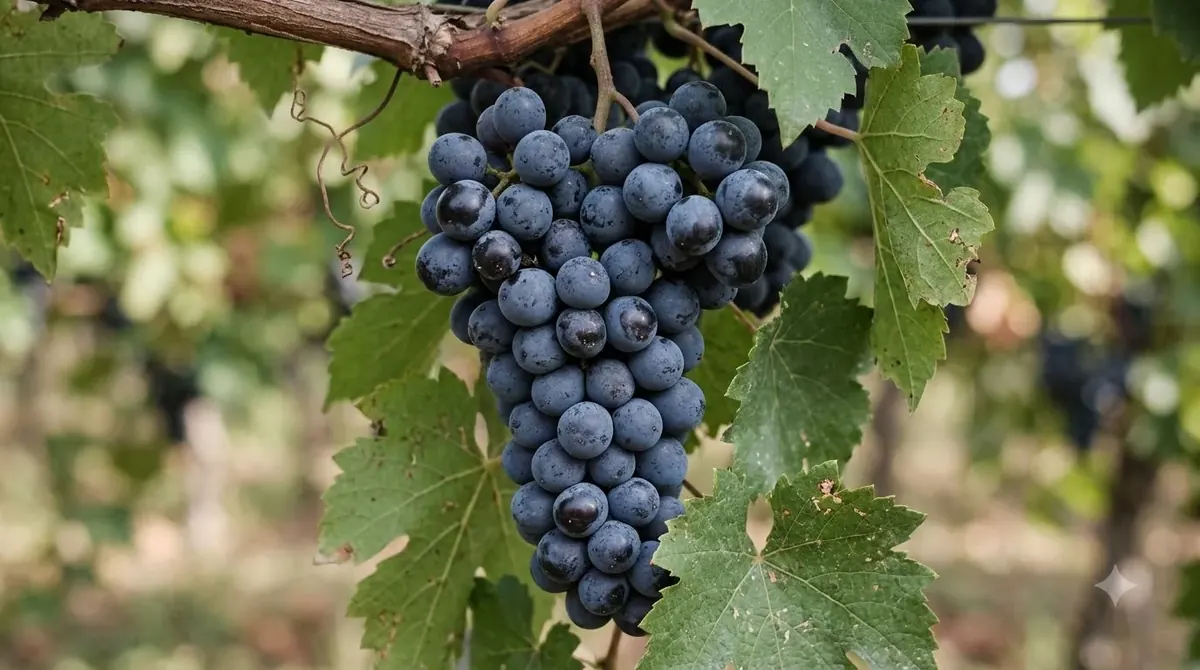
Each grape in the classic red trio plays a distinct sensory role on the palate:
- Grenache (Garnacha): Brings bright red fruit notes such as crushed strawberry, raspberry, and red cherry, along with round body, natural warmth, and a long, gently tingly finish.
- Syrah: Adds darker blackberry and black cherry tones, deeper ruby-purple color, freshly cracked black pepper, and mid-palate structural tension.
- Mourvèdre: Contributes firm tannin grip, floral violet aromas, gamey earthiness, and savory structure that lengthens the finish.
Beyond fruit and pepper, southern red bottles frequently carry an herbal note that French winemakers call garrigue—the resinous scent of wild rosemary, thyme, lavender, and scrub brush baking in the sun. Typical alcohol levels sit between 13.5% and 14.5% ABV, creating a warming sensation on the finish without feeling syrupy when acidity stays fresh.
White and rosé bottlings offer completely different flavor profiles under the same regional banner. White Côtes du Rhône leans medium-bodied and aromatic, showing white peach, pear, green apple, melon, and honeysuckle with a slightly oily texture and subtle bitterness on the finish. Rosé versions are deeper pink than pale Provençal styles, offering lively strawberry, red currant, and stone fruit flavors backed by crisp acidity.
| Côtes du Rhône Style | Primary Grapes | Core Tasting Notes | Body & Structure |
|---|---|---|---|
| Red (Classic GSM) | Grenache, Syrah, Mourvèdre | Strawberry, raspberry, blackberry, black pepper, wild herbs (garrigue) | Medium to full body; moderate tannins; lively acidity |
| White (Blanc) | Grenache Blanc, Marsanne, Roussanne, Viognier | White peach, pear, melon, honeysuckle, citrus zest | Medium body; round, slightly viscous texture; fresh finish |
| Rosé | Grenache, Cinsault, Syrah, Mourvèdre | Crushed berries, red currant, stone fruit, subtle savory herb | Light to medium body; crisp acidity; dry, refreshing finish |
Where it grows
Côtes du Rhône stretches roughly 155 miles from north to south along the Rhône River valley in southeastern France, covering 171 communes. The valley is divided into two distinct climatic and geological zones that influence how grapes ripen.
In the cooler Northern Rhône, steep granite and schist slopes follow a narrow river corridor under a continental climate. Here, Syrah dominates red winemaking, producing savory, peppery, smoky wines with violet aromatics. However, only a small fraction of generic Côtes du Rhône originates in the north, as the northern sub-regions bottle mostly under prestigious single-village names.
The vast majority of Côtes du Rhône comes from the warmer Southern Rhône, where the valley widens into rolling hills, limestone plateaus, clay beds, and stone-covered plains. As explained in VinePair’s overview of the Rhône Valley, this Mediterranean climate brings abundant sunshine and a strong, dry northern wind called the Mistral. The Mistral cools the vineyards and dries out morning moisture, allowing Grenache and Mourvèdre to ripen fully while retaining clean herbal aromatics.
Readers exploring broader Wine by Type categories will notice that the Southern Rhône also houses famous single-village appellations. If you enjoy regional Côtes du Rhône and want to taste its richest, most structured expression, learning what does chateauneuf du pape taste like shows how low yields and stony soils amplify the exact same grape blend.
How to serve
Serving Côtes du Rhône at the right temperature keeps its ripe fruit vibrant and prevents higher alcohol levels from tasting hot. Standard indoor room temperature—often around 70°F to 72°F—is too warm for Grenache-based reds.
Aim to pour red Côtes du Rhône slightly below room temperature, between 57°F and 64°F (14°C to 18°C). Placing a red bottle in the refrigerator for 20 to 30 minutes before opening brings it right into the ideal zone, tightening the berry fruit and highlighting the peppery spice. White Côtes du Rhône tastes best chilled to 50°F to 54°F (10°C to 12°C), cold enough to keep acidity crisp without muting its floral and stone-fruit aromatics. Rosé shines coldest, between 46°F and 50°F (8°C to 10°C).
Most entry-level Côtes du Rhône AOC reds are crafted for immediate enjoyment within one to four years of harvest and do not require prolonged decanting. Pouring the wine into a large, bowl-shaped red wine glass 15 to 20 minutes before dinner gives youthful aromas plenty of air. If you open a denser Côtes du Rhône Villages bottle, decanting for 30 to 60 minutes helps soften firmer tannins.
Tip: Put red Côtes du Rhône in the fridge for 25 minutes before dinner so the Grenache fruit tastes crisp and bright rather than warm or heavy.
Food pairing
Côtes du Rhône is widely regarded by sommeliers as one of the most versatile table wines in France because its moderate tannins and savory herb notes match everyday cooking. It neither overwhelms simple roasted meats nor disappears next to garlic, olive oil, and Mediterranean spices.
Classic red Côtes du Rhône pairs naturally with grilled lamb chops, roast pork tenderloin, beef burgers, herb-roasted chicken, and slow-cooked beef stews. The sweet berry core of Grenache softens charred grill flavors and smoky barbecue glazes, while Syrah’s black pepper note echoes cracked pepper rubs, sausages, and cured charcuterie boards. For vegetarian meals, roasted eggplant, mushroom ragù, lentil stews, and ratatouille mirror the wine’s earthy garrigue profile.
White and rosé bottlings handle lighter fare with equal ease. White Côtes du Rhône has enough body and round texture to accompany pan-seared salmon, roast chicken with lemon and thyme, creamy soft cheeses, and buttery shellfish. Dry rosé pairs effortlessly with grilled shrimp, Niçoise salads, fresh goat cheese, and summer picnic spreads.
How to choose a bottle
Shopping for Côtes du Rhône becomes straightforward once you understand the region’s three-tier quality pyramid printed on French labels. Each tier reflects stricter vineyard rules, lower grape yields, and greater flavor concentration.
At the base sits regional Côtes du Rhône AOC, which draws fruit from across the entire valley. These bottles focus on juicy red fruit, soft tannins, and easy weeknight drinkability. One step higher is Côtes du Rhône Villages AOC, restricted to 95 designated southern communes with stricter yield limits and higher minimum alcohol requirements. Villages bottles taste noticeably darker, spicier, and more structured.
At the top of the hierarchy are Named Villages (21 specific towns permitted to put their village name on the label, such as Sablet, Séguret, or Plan de Dieu) and independent Crus like Gigondas, Vacqueyras, and Châteauneuf-du-Pape. Checking the back label for the grape breakdown also helps: higher Grenache percentages signal plush, strawberry-driven warmth, whereas higher Syrah and Mourvèdre shares indicate darker fruit, firmer grip, and more black pepper. If you like the bright cherry and spice side of Grenache blends, comparing them with what does corvina taste like highlights how northern Italian reds achieve similar food versatility with higher tartness.
Frequently Asked Questions
Is Côtes du Rhône a sweet or dry wine?
Côtes du Rhône is a dry wine with virtually no residual sugar. Its ripe strawberry and raspberry aromas come from sun-ripened Grenache grapes, which can create a sweet fruit impression on the nose while finishing completely dry and savory on the palate.
What does Côtes du Rhône taste like compared to Cabernet Sauvignon?
Compared to Cabernet Sauvignon, red Côtes du Rhône is typically lighter in color, softer in tannin, and more focused on red berries, white and black pepper, and wild dried herbs. Cabernet Sauvignon usually delivers heavier dark cassis fruit, firmer astringency, and stronger vanilla or cedar flavors from new oak aging.
What are the main grapes in Côtes du Rhône?
Red Côtes du Rhône is built around Grenache, Syrah, and Mourvèdre—often called a GSM blend. Appellation law requires at least 30% Grenache and at least 70% combined Grenache, Syrah, and Mourvèdre, though winemakers may also blend in small amounts of Cinsault or Carignan.
Do you need to age Côtes du Rhône before drinking it?
Most standard Côtes du Rhône AOC bottles are made to be enjoyed young, ideally within one to four years of the vintage date. Higher-tier Côtes du Rhône Villages and Cru wines have denser tannins and acidity that allow them to develop savory leather and spice notes over five to ten years.
From juicy, pepper-dusted weeknight reds to textured stone-fruited whites, Côtes du Rhône rewards anyone looking for honest, food-loving French wine. Keep a bottle slightly chilled on hand, and you will have an effortless match for everything from roasted vegetables to grilled lamb.
More in Wine Types & Grapes
 What Does Mourvèdre Taste Like? Flavor Profile, Regions, and PairingsUpdated Nov 20, 2026
 What Does Marsanne Taste Like? Flavors, Styles, and Food PairingsUpdated Nov 20, 2026
 What Does Malvasia Taste Like? Styles, Flavors, and Food PairingsUpdated Nov 20, 2026
 What Does Grenache Blanc Taste Like? Flavor Profile, Styles, and PairingsUpdated Nov 20, 2026
 What Does Garnacha Taste Like? Key Flavors, Styles, and Pairing TipsUpdated Nov 20, 2026
 What Does Fruit Wine Taste Like? A Complete Flavor and Style BreakdownUpdated Nov 20, 2026