

We may earn a commission when you buy through links on this page, at no extra cost to you. Learn more.
If you are wondering what does chateauneuf du pape taste like, the classic red bottling is a full-bodied, dry wine packed with ripe raspberry, black cherry, dried herbs, and warm spice. Made primarily from Grenache, Syrah, and Mourvèdre in France’s Southern Rhône Valley, it combines plush red and dark fruit with earthy undertones of leather, lavender, and white pepper. While red wines account for the vast majority of production, rare white bottlings also exist and offer rich flavors of peach, pear, honey, and toasted almond.
Few French appellations carry as much immediate recognition on a wine list or retail shelf as Châteauneuf-du-Pape, easily spotted by the embossed papal crest stamped onto the glass shoulder of most bottles. Despite its prestigious reputation, understanding the actual sensory profile inside the glass helps demystify why this historic Southern Rhône wine has captivated collectors and casual drinkers alike for centuries.
What It Is
Châteauneuf-du-Pape is a historic French wine appellation located in the Southern Rhône Valley, best known for bold, red blends anchored by the Grenache grape. In 1936, it became the very first official Appellation d’Origine Contrôlée (AOC) in France, establishing strict rules for vineyard boundaries, yields, and winemaking standards.
Unlike single-varietal wines from Burgundy or Bordeaux’s famous Left Bank estates, Châteauneuf-du-Pape is celebrated for the art of blending. According to Wine Folly’s guide to Châteauneuf-du-Pape, winemakers are permitted to blend up to 13 official grape varieties—or 18 if you count distinct color mutations separately—to craft their final cuvée. Red grapes dominate the landscape, led by Grenache, Syrah, and Mourvèdre, alongside supporting players such as Cinsault, Counoise, Muscardin, Terret Noir, and Vaccarèse.
Although red wines represent more than 90 percent of the appellation’s output, white Châteauneuf-du-Pape (Blanc) is an acclaimed specialty crafted from varieties like Grenache Blanc, Roussanne, Clairette, and Bourboulenc. Rosé wines are strictly prohibited under the appellation’s laws, keeping the regional identity squarely focused on structured reds and textured, full-bodied whites. For readers exploring broader categories across Wine by Type, this appellation stands as the benchmark for warm-climate Mediterranean blends.
Flavor and Styles
The signature red Châteauneuf-du-Pape delivers a generous wave of ripe red and black fruit layered over savory garrigue herbs, warm baking spices, and subtle minerality. It walks a compelling line between opulent, sun-drenched fruitiness and earthy, rustic complexity that evolves dramatically over time.
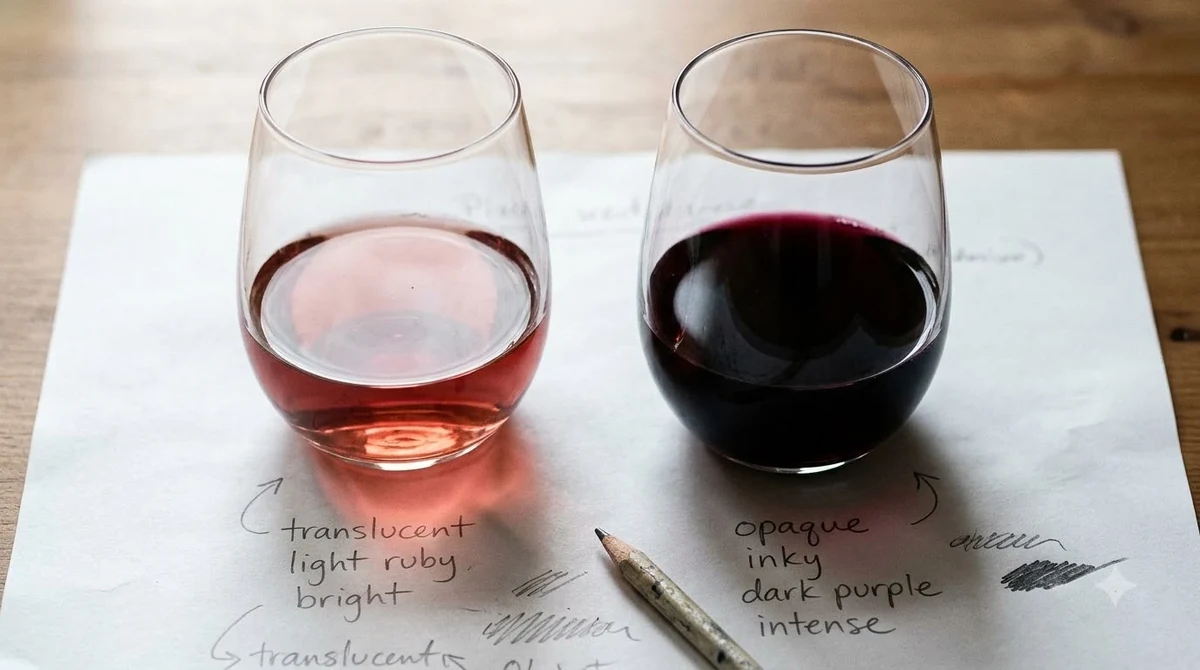
On the palate, young red bottlings burst with flavors of crushed strawberry, raspberry jam, black plum, and dark cherry, driven largely by the high proportion of Grenache in the blend. Because the region enjoys abundant Mediterranean sunshine, the fruit character leans toward ripe, baked, or macerated berries rather than tart, crunchy forest fruit. Supporting grapes add structural backbone and darker aromatics: Syrah contributes blackberry, violet, and cracked black pepper, while Mourvèdre brings deep gamey notes, cocoa, and firm tannins.
Beneath the fruit lies the hallmark savory signature of the Southern Rhône, locally known as garrigue. This aromatic profile evokes the wild, sun-baked scrubland surrounding the vineyards, imparting distinct hints of dried thyme, rosemary, lavender, sage, and dusty earth. As the wine matures in bottle, primary berry flavors gradually recede into tertiary notes of worn leather, dried fig, cured meat, tobacco leaf, and forest floor. Meanwhile, white Châteauneuf-du-Pape trades red fruit for orchard and stone fruits—think white peach, apricot, and yellow apple—balanced by honeysuckle, beeswax, and a creamy, waxy mouthfeel.
| Wine Style | Primary Grapes | Core Fruit & Floral Notes | Savory & Secondary Notes | Body & Structure |
|---|---|---|---|---|
| Classic Grenache-Led Red | Grenache (majority), Syrah, Mourvèdre, Cinsault | Ripe raspberry, strawberry compote, red plum | Garrigue herbs, white pepper, cinnamon, sweet leather | Full-bodied, plush mid-palate, moderate-to-high alcohol, velvety tannins |
| Structured Mourvèdre/Syrah Red | Grenache, higher proportions of Mourvèdre & Syrah | Blackberry, black cherry, dark cassis, violet | Smoke, cured meat, dark chocolate, black olive, earth | Full-bodied, dense, firmer tannins, longer aging trajectory |
| Châteauneuf-du-Pape Blanc | Grenache Blanc, Roussanne, Clairette, Bourboulenc | White peach, ripe pear, Meyer lemon, honeysuckle | Toasted almond, beeswax, fennel, wet stone | Medium-to-full-bodied, rich texture, moderate acidity |
Where It Grows
Châteauneuf-du-Pape sits in southeastern France near the historic city of Avignon, spanning roughly 3,200 hectares of vineyards across five communes in the Vaucluse department. The region’s warm Mediterranean climate and distinctive stony soils directly shape the concentration and warmth found in every glass.
The appellation is famous for its iconic vineyard terrain carpeted in galets roulés—large, smooth, rounded quartzite river stones left behind by ancient Alpine glaciers and the Rhône River. During the blazing summer afternoons, these cobblestones absorb intense solar heat and radiate it back up to the grapevines overnight, accelerating ripening and boosting sugar levels in the grapes. This natural heat-retention mechanism helps produce wines with naturally generous alcohol levels, frequently ranging from 14% to 15.5% ABV, alongside supple, well-ripened tannins.
Not every vineyard in the appellation looks identical, however, and soil variation creates distinct micro-styles across the territory. As detailed in Decanter’s Châteauneuf-du-Pape region guide, the northern and eastern sectors feature higher concentrations of those famous heat-retaining galets over red clay, yielding powerful, muscular reds. In contrast, sandy soils found around areas like Rayas and Pignan produce markedly lighter-colored, perfumed, and ethereal reds that emphasize floral aromatics and red berries over sheer weight. Throughout the year, the fierce northern Mistral wind sweeps down the valley, drying the vines after rain, preventing fungal disease, and concentrating the juice inside the berries.
How to Serve
Serving Châteauneuf-du-Pape at slightly below room temperature and giving the wine adequate air unlocks its full aromatic range without letting its naturally high alcohol feel hot. Proper glassware and decanting allow the dense fruit and herbal layers to separate cleanly in the glass.
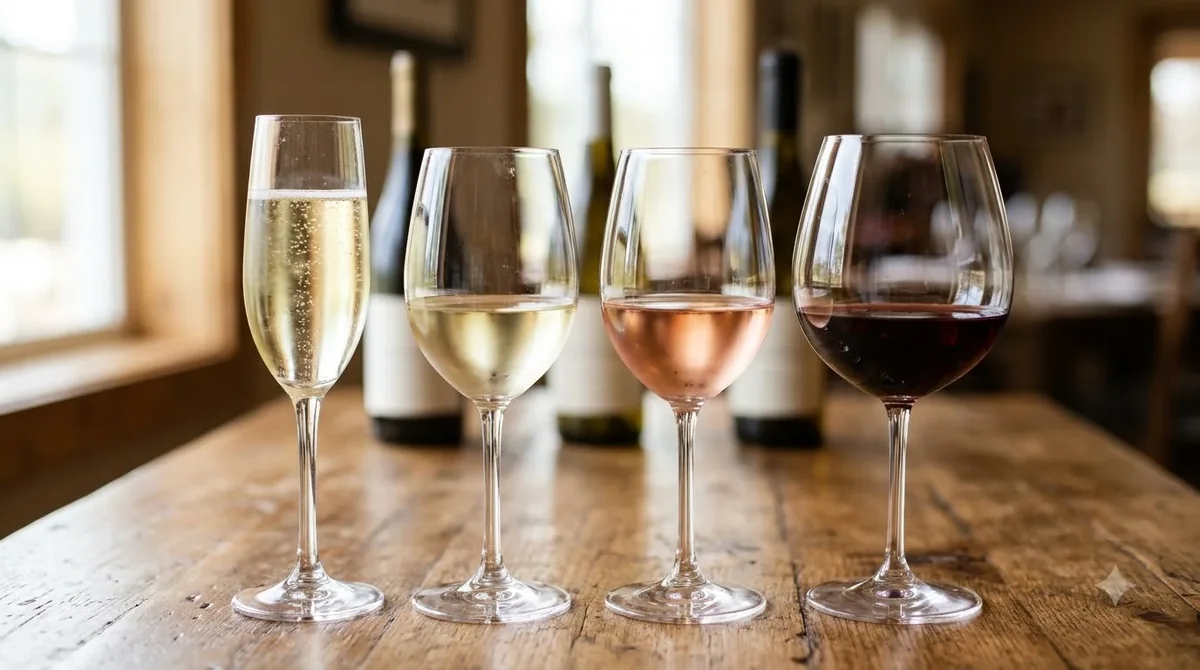
Aim to serve red Châteauneuf-du-Pape between 60°F and 65°F (15°C to 18°C), which is noticeably cooler than a warm living room. Placing the bottle in the refrigerator for about 20 to 30 minutes before opening brings it right into the sweet spot, keeping the bright raspberry and floral notes crisp while preventing the wine from tasting overly heavy. For white Châteauneuf-du-Pape, target a slightly warmer chill than you would use for crisp Sauvignon Blanc—around 50°F to 55°F (10°C to 13°C)—so its rich stone-fruit texture and nutty complexity shine through.
Aeration plays a major role in how the wine expresses itself, especially with younger releases that can feel tightly wound immediately upon uncorking. If you are wondering does chateauneuf du pape need to breathe, young bottles under five years old benefit enormously from 60 to 90 minutes in a wide-bottomed decanter to soften tannins and release trapped garrigue aromas. Older vintages with significant bottle age require gentler handling: stand the bottle upright for a day to let sediment settle, pour carefully into large Burgundy-style balloon glasses, and let the wine open gradually in the glass rather than splashing it aggressively.
Tip: Pour Châteauneuf-du-Pape into wide, bowl-shaped Burgundy stems rather than narrow Bordeaux glasses; the broad surface area captures delicate lavender, spice, and red-berry aromatics while diffusing alcohol vapors.
Food Pairing
The bold, herb-laced profile of Châteauneuf-du-Pape makes it an ideal partner for slow-cooked meats, roasted game, and richly seasoned Mediterranean dishes. Matching the wine’s weight and savory herbal notes with hearty proteins prevents either the food or the drink from overwhelming the other.
Classic regional pairings lean heavily into roasted and braised meats seasoned with garlic, rosemary, and thyme, which mirror the wine’s innate garrigue character. Herb-crusted rack of lamb, slow-braised beef short ribs, duck confit, and wild boar ragù all meld effortlessly with the wine’s plush red fruit and supple tannins. Charcoal-grilled steaks, pepper-crusted pork tenderloin, and gourmet burgers topped with caramelized onions also stand up well to the wine’s generous body and warm spice.
For non-meat dishes, look toward earthy, umami-rich ingredients that echo the wine’s forest-floor complexity. Wild mushroom risotto, roasted eggplant ratatouille, lentil stews, and aged hard cheeses like Comté, Manchego, or aged Gouda create satisfying harmony at the table. If you are pouring a bottle of white Châteauneuf-du-Pape, pair it with butter-poached lobster, roast chicken with tarragon, seared scallops, or creamy triple-crème cheeses. Avoid pairing the reds with fiercely spicy chili dishes, as capsaicin amplifies the wine’s natural warmth and alcohol.
How to Choose a Bottle
Choosing a great bottle of Châteauneuf-du-Pape comes down to matching the producer’s stylistic approach and the vintage’s maturity to your personal palate. Paying attention to grape percentages and vintage conditions ensures you get the exact balance of fruit, spice, and structure you want.
First, look at the blend composition if listed on the back label or technical sheet. Bottles made predominantly—or entirely—from old-vine Grenache emphasize lush strawberry, raspberry, sweet spice, and velvety accessibility even in their youth. Cuvées incorporating larger shares of Syrah and Mourvèdre lean darker, firmer, and more savory, offering black fruit, smoky spice, and greater structural grip that rewards extra cellar time. Similarly, producers who age their wines exclusively in large, neutral oak foudres preserve pure fruit and herbal transparency, whereas those using smaller French oak barrels impart subtle vanilla, toast, and clove accents.
Next, consider whether you want immediate drinkability or long-term cellar potential. Warm, sunny vintages produce opulent, fruit-forward wines that drink beautifully within three to seven years of harvest, while cooler or more structured years yield tauter bottles built for a decade or more of evolution. If you are planning to cellar a bottle at home, learning how long does chateauneuf du pape last unopened under proper temperature and humidity control will help you open it at peak maturity. For everyday weeknight enjoyment with a similar Southern Rhône flavor profile at a lighter intensity, exploring what does cotes du rhone taste like offers a helpful point of comparison.
Frequently Asked Questions
Is Châteauneuf-du-Pape sweet or dry?
Châteauneuf-du-Pape is a dry wine, containing virtually no residual sugar after fermentation. However, because the warm Mediterranean climate ripens the Grenache grapes thoroughly, the intense flavors of ripe raspberry, strawberry jam, and warm spice can create a lush, slightly sweet impression on the mid-palate.
Why does Châteauneuf-du-Pape have higher alcohol than many French wines?
The region’s abundant sunshine and heat-retaining river stones drive high natural sugar accumulation in the grapes during summer ripening. When fermented fully dry, those sugars convert into alcohol levels that commonly sit between 14% and 15.5% ABV, giving the wine its signature warmth and full body.
Does white Châteauneuf-du-Pape taste like Chardonnay?
While white Châteauneuf-du-Pape shares a similar full-bodied weight and creamy mouthfeel with oaked Chardonnay, its flavor profile is distinctly different. Made from grapes like Grenache Blanc and Roussanne, it leans toward white peach, pear, honeysuckle, beeswax, and toasted almond with softer acidity.
How does Châteauneuf-du-Pape compare to Cabernet Sauvignon?
Compared to Cabernet Sauvignon, classic Grenache-based Châteauneuf-du-Pape features brighter red-berry fruit, softer and more supple tannins, and distinct Mediterranean herbal notes rather than cassis, green bell pepper, and heavy new-oak vanilla. It feels rounder and warmer on the palate, though Syrah- and Mourvèdre-heavy blends can approach Cabernet’s darker structure.
From its sun-ripened red berries and aromatic garrigue herbs to its velvety, spice-driven finish, Châteauneuf-du-Pape offers one of the most distinctive and rewarding flavor profiles in the wine world. Whether you uncork a vibrant young red alongside roasted lamb or savor a textured white bottling with seafood, knowing what to expect in the glass makes every pour far more enjoyable.
More in Wine Types & Grapes
 What Does Mourvèdre Taste Like? Flavor Profile, Regions, and PairingsUpdated Nov 20, 2026
 What Does Marsanne Taste Like? Flavors, Styles, and Food PairingsUpdated Nov 20, 2026
 What Does Malvasia Taste Like? Styles, Flavors, and Food PairingsUpdated Nov 20, 2026
 What Does Grenache Blanc Taste Like? Flavor Profile, Styles, and PairingsUpdated Nov 20, 2026
 What Does Garnacha Taste Like? Key Flavors, Styles, and Pairing TipsUpdated Nov 20, 2026
 What Does Fruit Wine Taste Like? A Complete Flavor and Style BreakdownUpdated Nov 20, 2026