

We may earn a commission when you buy through links on this page, at no extra cost to you. Learn more.
If you are wondering what does barbera taste like, expect a lively, dry red wine bursting with tart cherry, strawberry, plum, and blackberry flavors alongside bright acidity and gentle tannins. Despite its deep, inky purple color, the wine feels fresh and juicy on the palate rather than heavy or astringent. Depending on where it grows and whether it touches oak, Barbera can also show subtle notes of licorice, dried herbs, black pepper, and warm baking spice.
Originating in northern Italy’s Piedmont region, Barbera has earned a reputation among sommeliers and everyday drinkers alike as one of the most food-friendly red grapes in the world. While famous neighbors like Barolo demand years of cellar aging to soften their grip, Barbera delivers immediate fruit and mouthwatering freshness right out of the bottle.
What it is
Barbera is a dark-skinned red wine grape native to northwestern Italy that produces dry, medium-to-full-bodied wines defined by high natural acidity and low tannin. According to Wine Enthusiast, it ranks among the most widely planted red varieties in Italy and thrives in calcareous and clay soils.
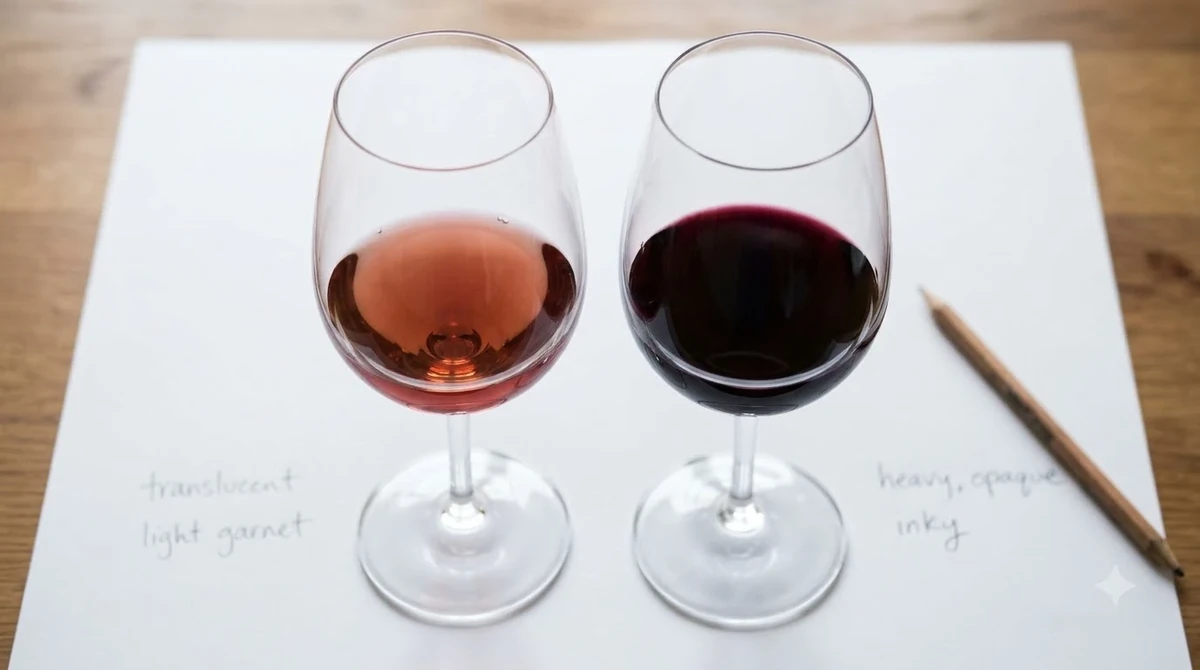
On the vine, Barbera develops thick, deeply pigmented skins that stain the wine a dark ruby or near-black hue. Most dark-colored reds owe their intense color to high levels of polyphenols that also create drying, astringent tannins. Barbera breaks that visual expectation completely. When you swirl a glass, the opaque purple color suggests a weighty, chewy wine, yet the first sip feels surprisingly light on its feet and refreshing.
The grape is also naturally vigorous and capable of producing generous yields if left unchecked in the vineyard. When growers prune carefully to keep cluster sizes smaller and yields balanced, the resulting fruit develops concentrated berry character without losing its signature snap. Winemakers almost always bottle Barbera as a single-varietal wine rather than blending it, because its brisk acidity and bright fruit profile already give it plenty of personality on its own.
Flavor and styles
Barbera’s core flavor profile centers on tart red and dark berries—specifically sour cherry, dried strawberry, raspberry, plum, and blackberry—layered over subtle savory accents of black pepper, anise, and dried Mediterranean herbs. As Wine Folly notes, the wine typically sits around 13.5% to 15% ABV while maintaining a lively, mouthwatering finish driven by acidity rather than oak or tannin.
Because winemakers handle the grape differently depending on their goals, you will encounter two main stylistic camps on wine shop shelves. Everyday, stainless-steel or large neutral-cask bottlings highlight pure, snappy fruit. These versions taste bright and juicy, showing crunchy red cherry, wild strawberry, and a hint of violet or crushed herbs. They are built to be opened young—usually within two to four years of the vintage—while that primary fruit energy is at its peak.
At the higher end, reserve or oak-aged bottlings spend time in smaller toasted oak barrels, which transforms the texture and adds deeper layers. Aging in oak rounds out the sharp edges of the acidity and introduces warm notes of vanilla, cocoa, clove, and sweet baking spice alongside darker blackberry jam and black cherry flavors. If you enjoy approachable, fruit-driven profiles—much like people exploring what does corvina taste like in northern Italian reds—Barbera offers a similar balance of drinkability and regional character with a noticeably sharper citrus-like tang.
| Style or Designation | Primary Fruit Notes | Secondary & Oak Notes | Body & Structure |
|---|---|---|---|
| Unoaked / Everyday Barbera | Sour cherry, raspberry, wild strawberry | Dried herbs, white pepper, violet | Medium body, high acidity, very low tannin |
| Barbera d’Asti DOCG | Red cherry, cranberry, fresh plum | Anise, lavender, subtle earth | Medium body, crisp and fine-grained acidity |
| Barbera d’Alba DOC | Black cherry, ripe blackberry, dark plum | Black pepper, cocoa, dried leaves | Medium-full body, rounder and richer feel |
| Nizza DOCG / Superiore | Marasca cherry, blackberry compote | Vanilla, clove, espresso, leather | Full body, velvety oak tannins, age-worthy |
| California / New World | Ripe black cherry, boysenberry, plum | Toasted oak, mocha, sweet spice | Medium-full to full body, riper fruit core |
Where it grows
Piedmont in northwestern Italy is Barbera’s ancestral home and remains the global benchmark for quality, though the grape has also put down roots in California, Australia, and South Africa. Within Piedmont, producers give Barbera prime hillside real estate, particularly around the towns of Asti, Alba, and Monferrato.
Each Italian appellation imprints a slightly different personality on the glass. In Alba, winemakers historically reserved the warmest south-facing slopes for Nebbiolo, leaving cooler or varied sites for Barbera; even so, Barbera d’Alba tends to yield darker, fuller-bodied wines with plush black cherry and plum fruit. Over in Asti, Barbera gets the finest sun-drenched hillsides, producing Barbera d’Asti DOCG—a brighter, red-fruited, and slightly more aromatic expression. At the top of the pyramid sits Nizza DOCG, a dedicated sub-zone within Asti with stricter yield limits and mandatory aging that yields concentrated, cellar-worthy bottles.
Outside Italy, California has embraced Barbera longer than almost anywhere else. Italian immigrants planted the grape across California prior to Prohibition, and today it thrives in warm inland regions like Amador County and the Sierra Foothills, as well as Lodi, Lake County, Napa Valley, and Sonoma. New World versions soak up extra sunshine, resulting in riper blackberry and dark plum flavors while still hanging onto the grape’s naturally brisk acidity. Growers in Oregon, Washington, Australia’s McLaren Vale and Adelaide Hills, and South Africa’s Paarl region also craft vibrant varietal bottlings.
How to serve
Serve Barbera slightly cooler than room temperature—aiming for cellar temperature—to keep its bright fruit flavors crisp and prevent the alcohol from feeling warm on the finish. Chilling the bottle in the refrigerator for about 20 to 30 minutes before pouring brings out its refreshing, juicy snap without muting the aromatics.
Unlike structured, tannic reds that need hours in a decanter before they open up, young Barbera is ready to pour almost immediately after pulling the cork. A brief 20 to 30 minutes of air in the glass or a decanter helps blow off any initial tightness and lets the floral and herbal notes bloom. If you open an older, oak-aged Barbera d’Asti Superiore or Nizza DOCG, giving it 30 to 60 minutes in a decanter will help integrate the spice and dark fruit notes smoothly.
Use a standard medium-to-large tulip-shaped red wine glass with a tapered rim. The generous bowl gives the wine room to release its cherry, violet, and pepper aromas, while the narrower opening focuses that perfume toward your nose rather than letting it dissipate.
Tip: If a bottle of Barbera feels overly sharp or tart on the first sip, chill it slightly for 15 minutes and pair it with something salty or savory—food immediately softens high acidity and brings out the wine’s sweet cherry core.
Food pairing
Barbera’s combination of mouthwatering acidity and low tannin makes it one of the easiest red wines to pair with food, especially dishes that trip up heavier reds. High-tannin wines can clash with acidic ingredients like tomatoes or vinegar, creating a metallic aftertaste, whereas Barbera’s brisk acidity matches those ingredients stride for stride.
Classic Italian comfort food is a natural starting point. Tomato-based pasta sauces, wood-fired Margherita or pepperoni pizza, baked lasagna, and mushroom risotto all highlight the wine’s bright cherry and herbal undertones. In Piedmont, locals traditionally pour Barbera alongside rich regional specialties like egg-rich tajarin pasta with butter and shaved truffles, braised meats, and beef carpaccio dressed with olive oil and aged cheese.
Beyond Italian cooking, Barbera works wonderfully with weeknight favorites off the grill or stovetop. Try it with herb-roasted chicken, pork tenderloin seasoned with sage and fennel, grilled burgers, or tangy barbecue dishes where the wine’s acidity cuts right through smoky, rich glazes. For a cheese board, reach for semi-hard, nutty cheeses like aged Parmigiano-Reggiano, Pecorino, or sharp cheddar, while steering clear of pungent blue cheeses that can overwhelm the fruit.
How to choose a bottle
Shopping for Barbera becomes straightforward once you know how to read a few key cues on the label that signal style, weight, and oak influence. If you browse a shop’s broader Wine by Type section, look closely at the regional designation and aging terms on Italian bottles to match the wine to your meal.
For a crisp, everyday pizza-and-pasta red, look for standard Barbera d’Asti DOCG or Barbera del Monferrato from a recent vintage—ideally within two to four years of harvest. These bottles prioritize fresh red cherry, bright acidity, and minimal oak, making them effortless crowd-pleasers. If you want something richer with deeper blackberry fruit and a rounder mouthfeel, choose Barbera d’Alba DOC or a California bottling from the Sierra Foothills or Amador County.
When you are cooking a slow-braised roast or want a fuller, more complex glass, scan the label for the words Superiore or Nizza DOCG. In Piedmont, these designations require lower vineyard yields and extended aging, including time in oak barrels, which results in darker fruit concentration, velvety texture, and warm notes of cocoa and spice. Understanding how acidity shapes a wine’s personality also helps when comparing grapes across styles—even if you are curious about crisp whites like what does chenin blanc taste like, that same balance of lively acidity and ripe fruit is what keeps Barbera so refreshing.
Frequently Asked Questions
Is Barbera a sweet or dry red wine?
Barbera is almost always made as a completely dry red wine with no noticeable residual sugar. Its generous, juicy flavors of ripe cherry, strawberry, and plum can give the impression of fruitiness on the mid-palate, but its high natural acidity leaves a crisp, dry finish.
What wines taste similar to Barbera?
Sangiovese (the main grape in Chianti) is the closest match, sharing Barbera’s bright sour cherry fruit and food-friendly acidity, though Sangiovese usually has firmer, grippier tannins. Gamay (Beaujolais) and cool-climate Pinot Noir also offer similar juicy red berry notes and low tannins, while Zinfandel mirrors the ripe fruit of oak-aged California Barbera with heavier body and lower acidity.
Why does Barbera taste so tart compared to Cabernet Sauvignon?
Barbera naturally retains much higher levels of malic and tartaric acid as it ripens on the vine, giving it a bright, mouthwatering tang similar to biting into a fresh sour cherry. Cabernet Sauvignon relies on thick-skinned, astringent tannins for structure, whereas Barbera relies on lively acidity and keeps tannins low.
How long does Barbera last after opening?
An opened bottle of Barbera typically stays fresh for two to three days when recorked and stored in the refrigerator. Because it has high natural acidity, Barbera holds onto its bright fruit flavors slightly better than low-acid reds, though letting it warm back up to cellar temperature before pouring helps restore its aroma.
Whether you pick up a bright, unoaked bottle from Asti or a richer, oak-aged expression from Nizza or California, Barbera delivers vivid berry fruit and brisk acidity without heavy tannins getting in the way. Keep a bottle on hand for tomato-based dinners, grilled meats, or any night you want a red wine that feels lively from the first glass to the last.
More in Wine Types & Grapes
 What Does Mourvèdre Taste Like? Flavor Profile, Regions, and PairingsUpdated Nov 20, 2026
 What Does Marsanne Taste Like? Flavors, Styles, and Food PairingsUpdated Nov 20, 2026
 What Does Malvasia Taste Like? Styles, Flavors, and Food PairingsUpdated Nov 20, 2026
 What Does Grenache Blanc Taste Like? Flavor Profile, Styles, and PairingsUpdated Nov 20, 2026
 What Does Garnacha Taste Like? Key Flavors, Styles, and Pairing TipsUpdated Nov 20, 2026
 What Does Fruit Wine Taste Like? A Complete Flavor and Style BreakdownUpdated Nov 20, 2026