

We may earn a commission when you buy through links on this page, at no extra cost to you. Learn more.
The franzia chillable red review verdict is that Franzia Chillable Red is a convenient, approachable choice for drinkers who prefer a fruity, semi-sweet red wine served cold rather than a traditional dry red. It offers ripe red berry flavors, dark cherry and cranberry aromas, a light body, and 9% ABV. Its boxed packaging, generous serving capacity, and six-week freshness claim after opening make it particularly practical for casual gatherings and everyday occasions.
Not every red wine needs substantial tannins, complex oak flavors, or a special dinner to make sense. Franzia Chillable Red takes a more relaxed approach, combining approachable fruit character with moderate sweetness and a serving style that suits warm afternoons, informal meals, and social occasions. This guide examines its flavor, sweetness, alcohol content, food compatibility, packaging, and practical limitations to help you decide whether it belongs in your wine rotation. The official Franzia Chillable Red product information provides the producer’s description and serving recommendations.
Who This Is For: Understanding the Franzia Chillable Red Style
Franzia Chillable Red is best suited to people who enjoy fruit-forward wines with noticeable sweetness, gentle structure, and refreshing serving temperatures. It is a particularly accessible option for drinkers who find conventional Cabernet Sauvignon or other full-bodied reds too dry, tannic, or heavy.
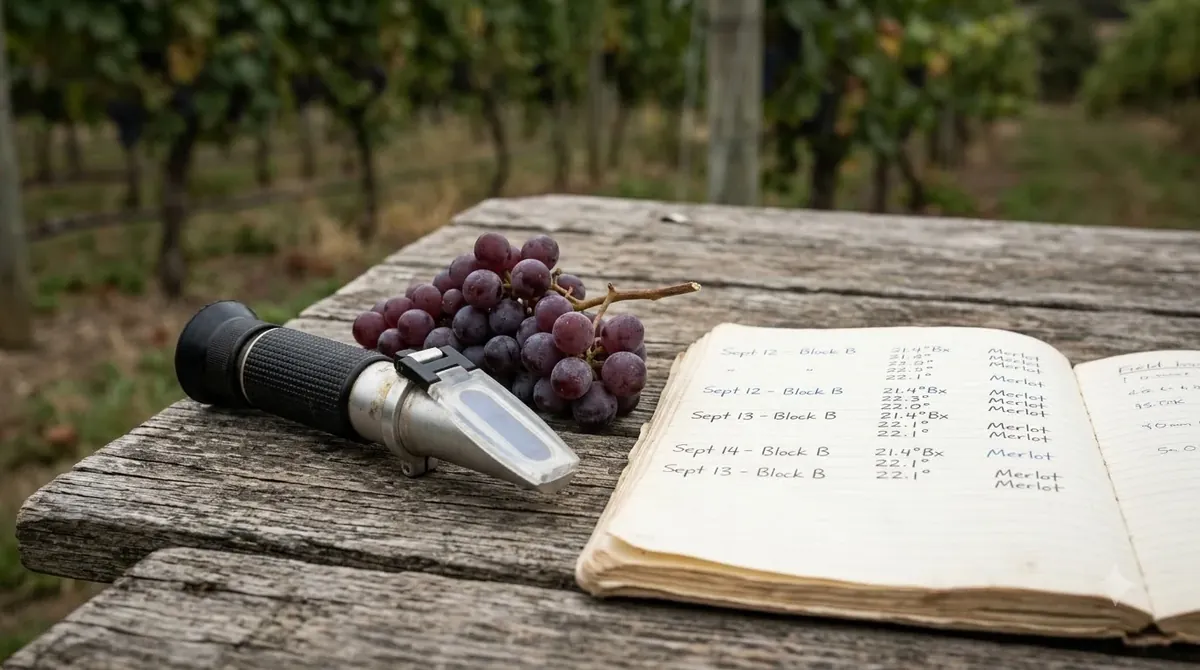
The producer describes Chillable Red as a semi-sweet red blend featuring ripe red berries, dark cherry, and cranberry aromas. Its light-bodied character makes it different from traditional reds that emphasize concentrated fruit, substantial tannins, and oak influence. The result is a more relaxed drinking experience that does not require a formal wine-and-food occasion.
Sweetness is an important part of its appeal. People who regularly choose off-dry Riesling, fruit-forward rosé, or sweeter red blends may find the transition to Chillable Red relatively comfortable. Its sweetness provides an approachable contrast to the acidity and tannins associated with many traditional red wines.
However, drinkers who prefer completely dry wines should approach it with different expectations. The wine is not intended to deliver the restrained fruit profile of a dry Pinot Noir or the firm structure of a Cabernet Sauvignon. Its medium-sweet positioning is a defining characteristic, not a minor detail.
What kind of wine is it?
Chillable Red is a red blend rather than a single-varietal wine. That distinction matters because the producer presents it as a finished style built around accessible fruit and moderate sweetness, rather than emphasizing the individual characteristics of a particular grape variety.
Franzia positions the wine between blush-style wines and conventional red wines. It offers more body and flavor than a typical blush wine while remaining softer and lighter than many traditional reds. This middle ground gives it a useful place at informal gatherings where guests may have different levels of wine experience.
It is also a practical option for households that do not finish an entire bottle in one sitting. The boxed format allows wine to be poured in smaller quantities without opening a new glass bottle every time. For additional information about the broader product, see our guide to Franzia Chillable Red.
Who may prefer another style?
Serious fans of structured reds may find the wine too soft and sweet. Someone looking for pronounced blackcurrant, cedar, tobacco, and firm tannins will probably be more satisfied with Cabernet Sauvignon. Similarly, someone seeking a complex, earthy red with pronounced acidity may prefer Pinot Noir.
Chillable Red is not designed to replace those styles. Its appeal comes from convenience, approachable sweetness, and chilled service. Choosing it for the experience it actually provides is more useful than judging it against the standards of an entirely different wine category.
Key Factors to Compare: Flavor, Sweetness, Alcohol, and Packaging
Four factors matter most when evaluating Franzia Chillable Red: its fruit-forward flavor, medium-sweet profile, relatively moderate alcohol concentration, and large-format packaging. Together, these characteristics determine whether it suits your preferences and how you plan to serve it.
| Characteristic | Franzia Chillable Red | What It Means |
|---|---|---|
| Wine category | Red blend | Blended red wine style |
| Body | Light-bodied | Less weight and intensity |
| Sweetness | Medium-sweet | Noticeable residual sweetness |
| Alcohol | 9% ABV | Alcohol concentration by volume |
| Calories | 107 per serving | Manufacturer-listed nutrition figure |
| Carbohydrates | 11 grams per serving | Manufacturer-listed nutrition figure |
| Sugar | 8 grams per serving | Manufacturer-listed nutrition figure |
| Standard serving | 5 ounces | Approximately one-fifth of a 750 ml bottle |
| 3-liter package | 20 servings | Four standard 750 ml bottles |
| 5-liter package | 34 servings | Approximately 6.7 standard bottles |
| Freshness after opening | Up to 6 weeks | Producer’s boxed-wine freshness claim |
These figures provide a useful starting point for comparing the wine with other everyday red blends. The nutrition information and serving calculations come from Franzia’s product information, while the 9% ABV figure is also listed in the retailer’s Franzia Chillable Red product listing.
Flavor and aroma
The main flavor expectation is red fruit rather than dark, concentrated, savory complexity. Franzia identifies ripe red berries, dark cherry, and cranberry as defining aromatic and flavor references. These characteristics make the wine relatively straightforward to understand, even for someone who rarely drinks red wine.
Cherry and berry notes are familiar fruit references, but they should not be confused with the flavor of fresh fruit juice. This remains a wine, with alcoholic warmth, acidity, and sweetness contributing to its overall character. The light body keeps those elements from feeling especially heavy.
Its soft profile is an important consideration for people who associate red wine with drying tannins. Cabernet Sauvignon generally has high tannin, while Pinot Noir typically has lower-to-medium tannin and higher acidity. Chillable Red is positioned differently, prioritizing softness and fruit-forward appeal over traditional red-wine structure.
Sweetness and alcohol content
Chillable Red is semi-sweet rather than dry. This means the fruit character is accompanied by perceptible sweetness, making it a better match for drinkers who prefer approachable red blends over austere or strongly tannic wines.
The listed alcohol concentration is 9% ABV. That figure is useful when comparing wine labels, but it should not be interpreted as an indication that a particular serving is automatically appropriate for every person or occasion. The actual amount of alcohol consumed depends on serving size and quantity.
For a more detailed explanation of the numerical figure, including how alcohol by volume is interpreted, see Franzia Chillable Red alcohol content.
Packaging and serving capacity
Franzia offers Chillable Red in several package sizes. Its product page lists 1.5-liter and 5-liter options, while retailers also list a 3-liter package. These formats offer different levels of convenience depending on how frequently the wine is served.
A 1.5-liter package provides approximately 10 standard servings, while the 3-liter format provides about 20. The larger 5-liter format provides approximately 34 servings. These calculations use a standard 5-ounce pour and are particularly useful when planning a gathering.
The WineTap design also changes the storage experience. Instead of exposing the remaining wine to air every time a bottle is opened, the dispensing system is designed to limit exposure during pouring. Franzia advertises freshness for up to six weeks after opening, although storage conditions and handling still matter.
Step-by-Step: How to Choose and Serve Franzia Chillable Red
Getting the best experience from Chillable Red starts with choosing the appropriate package size and allowing enough time for chilling. A few straightforward decisions can make a noticeable difference in how the wine fits a meal or social occasion.
-
Decide whether you enjoy semi-sweet red wine.
Start by considering your existing preferences. If you usually enjoy fruit-forward wines and find dry Cabernet Sauvignon too tannic, Chillable Red may be a comfortable alternative. If your preferred wines are completely dry, heavily structured reds, or earthy Pinot Noir, its sweetness may be less appealing.
-
Choose the package according to expected consumption.
The 1.5-liter format provides approximately 10 servings, making it a manageable option for smaller households. The 3-liter format provides approximately 20 servings, while the 5-liter box offers approximately 34. Select a size that makes sense for the number of occasions on which the wine will actually be served.
-
Refrigerate the wine before serving.
Allow sufficient time for the wine to cool rather than pouring it immediately after storing it in a warm room. A chilled red can feel fresher and more balanced than one served too warm, particularly when the wine has noticeable fruit sweetness.
-
Use an appropriate serving temperature.
A practical starting point is approximately 45–50°F. This is cooler than the usual serving temperature for light-bodied red wines, but it suits the producer’s specific recommendation to serve Chillable Red chilled. Avoid serving it so cold that the fruit aromas become difficult to recognize.
-
Pour a measured serving.
A standard wine serving is 5 ounces. Franzia calculates 34 servings from its 5-liter package and 20 servings from its 3-liter package. Using a measured pour makes it easier to estimate how much remains and to compare serving quantities across different package sizes.
-
Choose a compatible meal.
Start with chicken, green salad, or lasagna, all of which fit the producer’s suggested pairing direction. For more substantial meals, consider dishes with moderate richness and seasoning rather than very spicy sauces that could make alcohol feel more pronounced.
-
Evaluate the wine after a few minutes in the glass.
Notice its berry aromas, sweetness, acidity, and finish. This gives you a better idea of whether the wine is suited to your preferences than simply judging it by the first impression of sweetness. You can also compare it with another red blend to identify which characteristics you prefer.
These steps are especially useful when serving several guests. Some people prefer their red wine only slightly chilled, while others enjoy a colder pour. Starting with the recommended chilled style and allowing individual preferences to guide subsequent servings is a straightforward approach.
Tip: Chill the wine before guests arrive rather than relying on ice in individual glasses. Excessive melting ice dilutes the wine and changes its flavor balance. If the wine becomes too cold, let the poured serving warm slightly in the glass.
Types or Styles Explained: How Chillable Red Compares With Other Red Wines
Franzia Chillable Red occupies a different position from dry, tannic red wines and more concentrated red blends. Understanding these distinctions helps determine whether it is the right style or whether another Franzia red wine would better match your preferences.
The most important differences involve sweetness, body, tannin, acidity, and serving temperature. These characteristics influence how a wine feels in the mouth and which foods complement it.
Chillable Red versus traditional dry reds
Traditional dry reds generally offer little perceptible sweetness. Their character comes from fruit concentration, acidity, tannins, and sometimes oak aging. Cabernet Sauvignon, for example, is known for relatively high tannin and a structured mouthfeel.
Chillable Red takes a softer approach. Its medium-sweet profile and light body make it easier to serve chilled, whereas many conventional reds are served warmer to allow their aromas and structure to show more clearly.
This difference does not mean one style is universally superior. A dry red may work better with a grilled steak, while a softer, fruit-forward wine may be more appealing at a casual gathering with lighter dishes.
Chillable Red versus Pinot Noir
Pinot Noir is usually a lighter-bodied red grape variety, but its typical structure is different. It often has high acidity, lower-to-medium tannin, and flavors that can include red cherry, raspberry, earth, and spice.
Chillable Red shares the approachable fruit direction but is not interchangeable with Pinot Noir. Its semi-sweet positioning makes it more suitable for people who specifically enjoy sweetness in red wine, while Pinot Noir is often preferred by drinkers seeking a lighter but drier style.
Chillable Red versus other Franzia red wines
The wider Franzia red wine range offers alternatives for different preferences. Someone who likes a softer wine but wants to explore other red-wine profiles can compare Chillable Red with other red blends and varietal offerings.
For example, a person looking for a more conventional red-wine experience may prefer a Cabernet Sauvignon or Merlot. Cabernet generally has firmer tannins, while Merlot tends to be softer and medium in tannin. Neither should automatically be assumed to have the same sweetness or fruit profile as Chillable Red.
Our overview of Franzia red wine provides a useful starting point for understanding the broader selection. For shoppers comparing different producers and wine categories, the Wine Brands resource can also help establish the differences between familiar labels.
Which style fits which occasion?
Chillable Red makes sense for informal outdoor meals, relaxed dinners, and gatherings where a refreshing red is more important than traditional structure. Dry reds are generally better suited to occasions where guests specifically enjoy tannins, oak, or a more structured wine.
For summer meals, the ability to serve Chillable Red cold is a practical advantage. A chilled red can provide an alternative to rosé or white wine when guests want something fruit-forward but still prefer a red-wine profile.
However, it should not be treated as a substitute for every other red wine. Its sweetness is a defining feature, and that characteristic may not suit every menu or preference.
Common Mistakes When Buying and Drinking Franzia Chillable Red
The biggest mistakes involve expecting a dry red, serving the wine too warm, overlooking its sweetness, or purchasing more wine than the household is likely to use. Understanding the intended style helps avoid disappointment.
Expecting a conventional dry red
One of the easiest mistakes is purchasing Chillable Red because it has the word red in its name and assuming it will taste like Cabernet Sauvignon, Merlot, or a traditional dry red blend.
That expectation misses the main point of the wine. Franzia specifically describes it as semi-sweet and fruit-forward. Its softer structure and berry-led profile are central to its identity.
If dry wine is your preference, choosing a different style is likely to be more satisfying. A dry Merlot may offer softer tannins than Cabernet Sauvignon without the same emphasis on sweetness.
Serving it at conventional red-wine temperature
Another mistake is leaving Chillable Red at room temperature because many traditional red wines are served that way. The producer explicitly recommends chilled service, and a warmer serving can make its sweetness and alcohol feel more noticeable.
A temperature around 45–50°F is a reasonable starting point. The wine can warm slightly in the glass, allowing more of its fruit aromas to emerge without losing the refreshing quality that makes chilled service appealing.
Pairing it with very spicy food
Not every dish works equally well with a semi-sweet red blend. Strong chili heat can make alcohol feel more pronounced, while a wine’s sweetness may create an awkward contrast with some intensely spicy sauces.
For a more reliable pairing, start with grilled chicken, mild tomato-based dishes, or green salad. Lasagna is another producer-suggested option, particularly when its tomato sauce and savory ingredients are balanced rather than aggressively spicy.
Buying a large package without considering consumption
A 5-liter package contains approximately 34 standard servings. That is useful for entertaining, but it may be excessive for someone who drinks wine only occasionally.
Although Franzia advertises freshness for up to six weeks after opening, the product still needs appropriate storage and handling. A larger format is most useful when the wine is consumed regularly or shared among several people.
Assuming all fruit-forward wines taste alike
Berry aromas and fruit-forward descriptions appear across many wine categories, but they do not guarantee similar sweetness or texture. A dry Pinot Noir can have pronounced cherry aromas without tasting sweet.
Likewise, a semi-sweet red blend is not equivalent to a sweet dessert wine. Comparing body, sweetness, acidity, and tannin separately provides a more accurate way to understand the wine than relying on fruit descriptions alone.
Care and Storage Tips: Keeping Boxed Chillable Red Fresh
Proper storage helps preserve the wine’s fruit character and makes its large-format packaging more practical. Franzia advertises up to six weeks of freshness after opening, while cool, consistent storage helps avoid unnecessary deterioration.
Before opening
Keep the unopened package in a cool, dry location away from direct sunlight and major temperature fluctuations. The Franzia packaging document recommends storage below 70°F, which provides a useful upper limit for the recommended storage environment.
Avoid placing the box near ovens, radiators, sunny windows, or other sources of heat. Excessive warmth can negatively affect wine quality, regardless of whether it is packaged in glass or a bag-in-box format.
Unlike a traditional cork-finished bottle, the boxed format does not require horizontal storage. Its dispensing design allows it to be kept in a convenient position for pouring, provided the packaging instructions are followed.
After opening
Franzia states that Chillable Red stays fresh for up to six weeks after opening. This is one of the format’s most useful characteristics because the remaining wine does not need to be consumed within a few days simply because the package has been opened.
Keep the box away from heat and direct sunlight. Follow the dispensing instructions and ensure the tap is properly closed after every serving. These basic steps help protect the remaining wine and reduce unnecessary exposure to air.
For comparison, opened still wines in conventional bottles generally retain their best quality for approximately three to five days when refrigerated. The extended freshness claim for boxed wine is therefore a practical packaging distinction, not a reason to ignore storage conditions.
Serving and leftover wine
Keep the wine chilled between servings if you expect to use it regularly in warm weather. Refrigeration also makes it easier to pour a refreshing glass without repeatedly waiting for the wine to reach its intended temperature.
If the wine has been left outside for an extended period, cool it again before serving. Avoid repeatedly exposing the package to unnecessary temperature changes, and keep the dispensing area clean.
The wine should also be treated as a perishable product rather than assumed to remain in ideal condition indefinitely. Six weeks is the producer’s advertised maximum freshness period, not a guarantee that every opened package will taste identical throughout that entire period.
Managing the package size
Consider your typical serving habits when choosing between the 1.5-liter, 3-liter, and 5-liter formats. The smaller package may be easier to manage for occasional drinking, while the larger options make more sense when several people regularly share the wine.
For entertaining, the 5-liter format can provide approximately 34 servings of 5 ounces. This makes planning easier for larger gatherings, although individual consumption and serving sizes will vary.
For smaller households, the 1.5-liter package offers approximately 10 servings and may be a more manageable choice. Matching package size to actual consumption is the simplest way to make the most of the boxed format.
Frequently Asked Questions
Is Franzia Chillable Red made from specific grape varieties?
Franzia identifies Chillable Red as a red blend but does not specify the individual grape varieties on its main product description. Therefore, it is better to describe the wine by its documented style rather than assume it contains particular percentages of Cabernet Sauvignon, Merlot, or another grape. The absence of a published varietal breakdown also means comparisons should focus on sweetness, body, and flavor.
Does Franzia Chillable Red contain sulfites?
Yes. The product warning information displayed by Target identifies sulfites in Franzia Chillable Red. Sulfites are commonly used in winemaking and can occur naturally during fermentation as well. People who need ingredient or allergen information should consult the specific package information before purchasing.
Can Franzia Chillable Red be used in sangria?
Yes, its fruit-forward character makes it a possible base for an informal red sangria. Because the wine already has noticeable sweetness, additional sugar or sweet mixers may not be necessary. Fresh citrus, sliced oranges, and berries can provide complementary fruit flavors without making the mixture excessively sweet.
Does Franzia Chillable Red need to breathe before drinking?
No extended decanting period is generally necessary for this light-bodied, approachable red blend. Unlike a young, full-bodied Cabernet Sauvignon that may benefit from 30–60 minutes of decanting, Chillable Red is intended for convenient service shortly after pouring. A few minutes in the glass can still help its fruit aromas become more noticeable.
Can Franzia Chillable Red be served in a wine cocktail?
It can be incorporated into simple wine cocktails that complement its berry character. A combination of chilled Chillable Red, citrus, and sparkling water can create a casual spritzer-style drink. Since the wine already has sweetness, balancing the mixture with unsweetened sparkling water and fresh citrus is a sensible starting point.
Franzia Chillable Red is a practical choice for drinkers who enjoy semi-sweet, fruit-forward red wine and prefer a chilled, uncomplicated serving style. Its 9% ABV, approachable berry profile, multiple package sizes, and advertised six-week freshness make it particularly convenient for casual meals and gatherings. Choose it for its intended style rather than expecting the structure of a traditional dry red, and it can be a useful addition to an everyday wine selection.
More in Wine Brands
 Underwood Wine Price: Compare Bottles, Cans, and Pack SizesUpdated Nov 21, 2026
 Zenato Wine Price: Compare Styles and Choose the Right BottleUpdated Nov 21, 2026
 Zuccardi Wine Price: Compare Bottles and Find the Right RangeUpdated Nov 21, 2026
 Yellow Tail Moscato Review: Taste, Sweetness and Serving TipsUpdated Nov 21, 2026
 Wolf Blass Yellow Label Review: Choose Your Best StyleUpdated Nov 21, 2026
 Wolffer Estate Rose Review: Choose the Right Bottle for Your TableUpdated Nov 21, 2026