

We may earn a commission when you buy through links on this page, at no extra cost to you. Learn more.
If you are wondering what does assyrtiko taste like, expect a bone-dry, intensely crisp white wine bursting with zesty lime, lemon pith, and green apple, anchored by a distinctly salty, flinty finish. Native to the volcanic Greek island of Santorini, this high-acid white combines mouthwatering citrus snap with a savory, wet-stone minerality that feels almost tactile on the palate. Unlike many warm-climate whites that turn soft and fruity, assyrtiko retains razor-sharp acidity alongside full-bodied texture and moderate-to-high alcohol, typically ranging from 13.5 to 15 percent ABV.
Pronounced ah-SEER-tee-ko, this ancient Aegean grape has evolved from an insider sommelier secret into one of the world’s most sought-after mineral white wines. While its flavor profile invites comparisons to unoaked Chablis or dry German Riesling, assyrtiko carries an unmistakable volcanic signature that sets it apart from every other white wine in your glass.
What It Is
Assyrtiko is Greece’s flagship white wine grape, celebrated globally for its rare ability to achieve full sugar ripeness in hot Mediterranean sunshine while preserving electrifying natural acidity. Originating on the wind-swept, volcanic island of Santorini, the grape produces structured, age-worthy dry whites as well as traditional barrel-aged sweet wines.
Most white wine grapes grown in warm, arid climates lose their natural tartness as sugar levels climb, resulting in heavy, low-acid wines. Assyrtiko defies that biological rule. Even under intense Aegean sunlight and severe drought, the berries maintain high tartaric acid levels and a low pH, giving winemakers raw material with tremendous structural tension. As outlined in Wine Folly’s comprehensive guide to assyrtiko, the grape is prized specifically for its combination of texture, piercing acidity, and pronounced minerality.
In the glass, unoaked assyrtiko pours pale lemon-green to medium straw, offering immediate aromatic lift without heavy floral perfume. Because the grape possesses substantial phenolic structure and higher alcohol than its pale color suggests, seasoned tasters often note that assyrtiko behaves like a red wine disguised as a white. Young bottles deliver bracing freshness, while top examples gain waxy, honeyed depth over five to ten years in the cellar.
Flavor and Styles
Classic assyrtiko leads with bright citrus and orchard fruit—specifically lime peel, lemon pith, grapefruit, and tart green apple—before transitioning into a savory finish of sea spray, crushed flint, and beeswax. Depending on how a winemaker handles fermentation and aging, the grape expresses itself across several distinct wine styles.
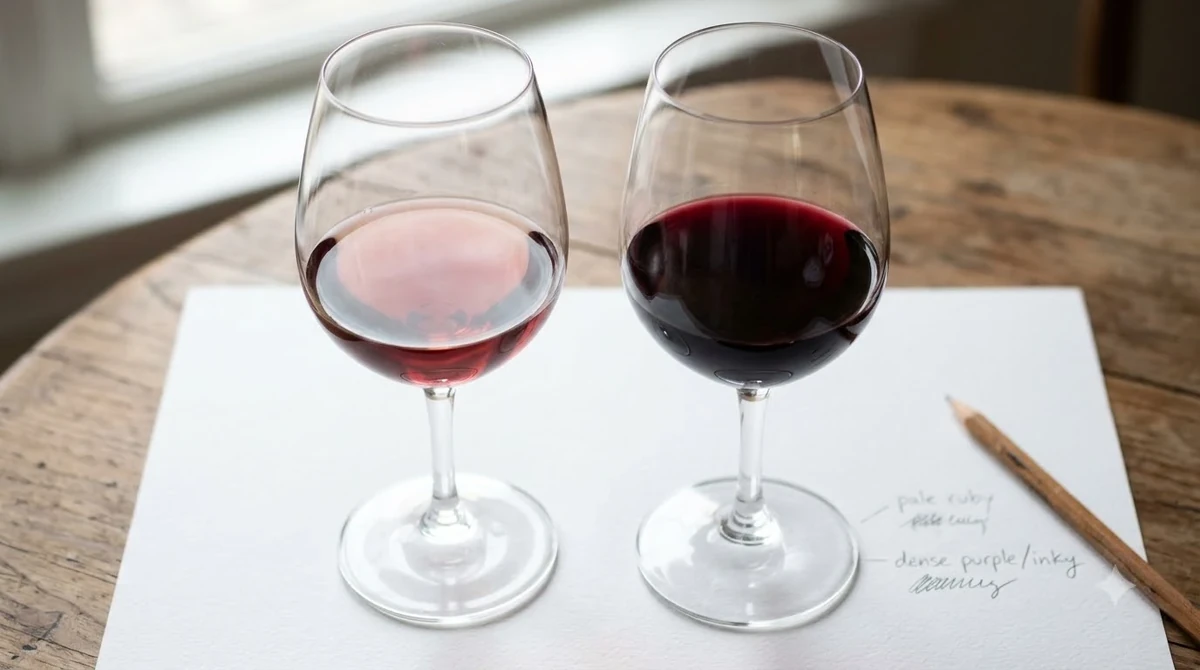
The benchmark style is crisp, unoaked stainless-steel assyrtiko, which prioritizes pure fruit and volcanic terroir. On the first sip, sharp lime and Meyer lemon hit the center of the tongue, followed quickly by subtle notes of white peach, passion fruit, and fresh herbs. What lingers longest, however, is not sweetness or oak spice, but a clean, briny sensation reminiscent of oyster shells and wet slate that leaves the palate feeling refreshed and ready for another bite of food.
Beyond pure stainless-steel bottlings, producers craft several compelling variations that expand the grape’s flavor spectrum. Oak-aged or barrel-fermented assyrtiko—sometimes labeled as “Nykteri” on Santorini—spends time in French oak barrels, softening the initial citrus bite and introducing layers of toasted hazelnut, vanilla bean, baked golden apple, and warm beeswax. On the Greek mainland, winemakers also blend assyrtiko with more aromatic local varieties like Malagousia or international grapes like Sauvignon Blanc to add floral peach and tropical notes while keeping the finish crisp.
At the sweetest end of the spectrum sits Vinsanto, Santorini’s historic dessert wine. Made predominantly from assyrtiko grapes dried in the sun for up to two weeks before pressing and aging in old oak barrels, Vinsanto trades citrus zest for concentrated flavors of dried figs, apricot jam, roasted walnuts, caramel, and espresso, all balanced by the grape’s signature high acidity.
| Assyrtiko Style | Key Flavor Notes | Body & Texture | Aging & Oak Influence |
|---|---|---|---|
| Unoaked Santorini | Lime zest, lemon pith, grapefruit, wet flint, sea salt | Medium-to-full body, electric acidity, chalky grip | Stainless steel; no oak, pure volcanic minerality |
| Barrel-Aged / Nykteri | Baked apple, white peach, beeswax, toasted almond, smoke | Full-bodied, creamy mid-palate with brisk finish | Fermented or aged in French oak barrels |
| Mainland Greek Blends | Green apple, Meyer lemon, white blossom, passion fruit | Light-to-medium body, crisp and fruit-forward | Usually stainless steel; often blended with Malagousia |
| Vinsanto (Sweet) | Sun-dried fig, apricot, toffee, walnut, dark honey | Luscious, viscous sweetness cut by sharp acidity | Sun-dried grapes aged for years in old oak casks |
Where It Grows
Santorini remains the spiritual and qualitative heartland of assyrtiko, where ancient, own-rooted vines grow in porous volcanic ash and pumice soil. Over the past few decades, however, Greek winemakers have successfully planted the variety across mainland regions, and adventurous producers have even introduced it to Australia and California.
On Santorini, assyrtiko covers roughly two-thirds of the island’s vineyard acreage, thriving in conditions that would kill most commercial grapevines. Because the island experiences virtually no summer rainfall and fierce Aegean winds, growers train the vines into low, woven baskets on the ground called kouloura. The grapes hang inside the protective coil of leaves, shielded from sandstorms and scorching sun while absorbing nighttime sea mist trapped by the volcanic pumice. Many of these ungrafted vines are 60 to over 100 years old, producing tiny yields of intensely concentrated fruit. As highlighted by Wine Enthusiast’s report on assyrtiko, this extreme volcanic environment translates directly into the wine’s steely, briny character.
Across mainland Greece—particularly in Macedonia, Drama, Halkidiki, and the Peloponnese—assyrtiko takes on a slightly gentler, more fruit-driven personality. Cooler nights and clay-limestone soils yield wines with softer minerality and more generous notes of ripe pear, melon, and citrus blossom. Outside Greece, pioneering wineries in South Australia’s Clare Valley have also found success planting assyrtiko, proving that the grape can retain its signature acid backbone in warm New World climates.
How to Serve
Serve unoaked assyrtiko well chilled at 45 to 50 degrees Fahrenheit (7 to 10 degrees Celsius) in a standard white wine glass to spotlight its crisp citrus and mineral snap. For richer, oak-aged bottles or older vintages, a slightly warmer temperature of 50 to 55 degrees Fahrenheit (10 to 13 degrees Celsius) allows complex nutty and waxy aromas to open up.
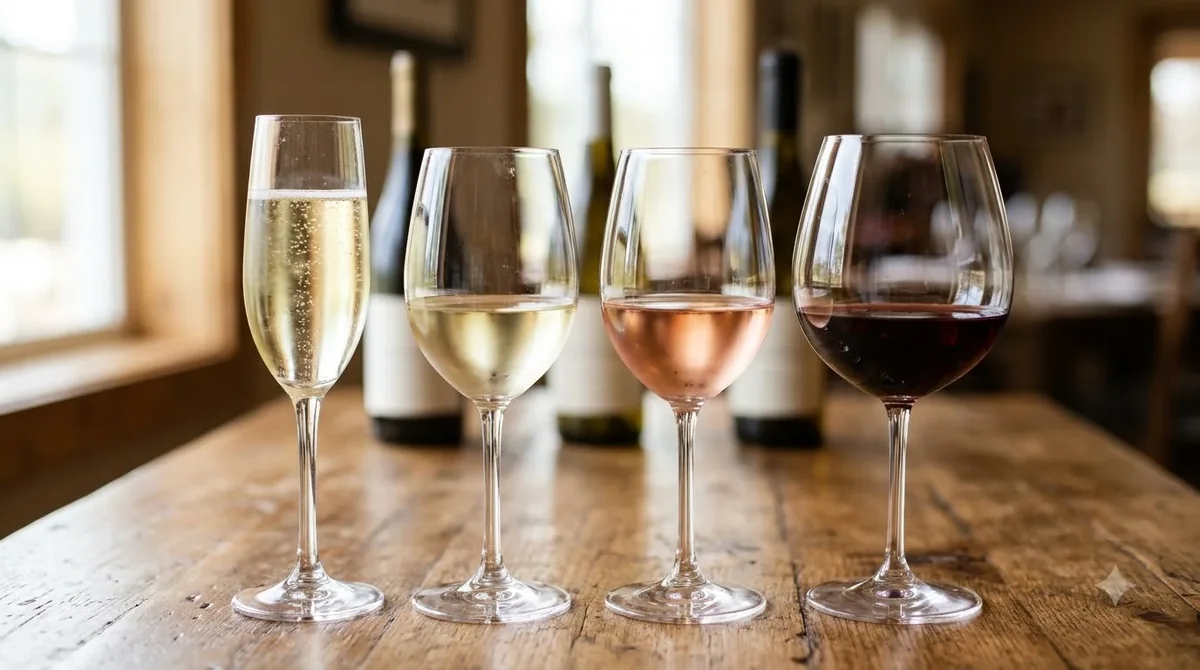
Serving temperature plays a decisive role in how you experience assyrtiko’s structural balance. Straight out of a standard kitchen refrigerator at 38 degrees Fahrenheit, the cold suppresses the subtle beeswax, stone fruit, and floral aromatics, leaving only a sharp jolt of lemon acid. Letting the bottle sit on the counter for 15 to 20 minutes before pouring brings the fruit and savory sea-salt character into clear focus. Conversely, allowing the wine to warm past 55 degrees can emphasize its 13.5 to 15 percent alcohol and make the finish feel slightly heavy.
Young, stainless-steel bottles require no decanting and are ready to pour as soon as you pull the cork or unscrew the cap. However, if you open an oak-aged Santorini reserve or a bottle with more than four or five years of bottle age, giving it 20 to 30 minutes in a decanter helps blow off any reductive flintiness and reveals deeper layers of dried herbs and honeyed citrus. If you enjoy exploring crisp, structured whites across different regions, browsing a broader guide to wine by type can help you compare assyrtiko alongside other high-acid European styles.
Tip: If a young Santorini assyrtiko tastes tightly wound right after opening, swirl your glass vigorously for 30 seconds or let the bottle breathe on the table for 15 minutes to soften the initial citrus bite and bring out its savory richness.
Food Pairing
Assyrtiko is one of the most food-friendly white wines on the dinner table, acting like a fresh squeeze of lemon juice and a pinch of flaky sea salt over rich, briny, or herbaceous dishes. Its piercing acidity cuts effortlessly through olive oil, melted butter, fried batter, and creamy cheeses without ever feeling overwhelmed.
Seafood and shellfish are the most natural companions for unoaked assyrtiko. Raw oysters on the half shell, grilled octopus with oregano, seared sea scallops, and lemon-garlic shrimp echo the wine’s inherent salinity while the bright citrus acidity refreshes the palate between bites. Even meatier fish like grilled swordfish, roasted branzino, or pan-seared halibut pair cleanly with the medium-to-full body of a Santorini bottling.
Vegetarian dishes and Mediterranean mezze also shine alongside this grape. Classic Greek salad loaded with briny feta cheese, Kalamata olives, and ripe tomatoes often clashes with softer whites, yet assyrtiko matches the tangy feta and acidic tomatoes step for step. It also pairs remarkably well with herb-packed tabbouleh, spanakopita, grilled halloumi, fried calamari, and roast chicken seasoned with lemon, thyme, and garlic. If you prefer white wines that balance high acidity with a touch of orchard fruit and beeswax weight, you may also enjoy learning what Chenin Blanc tastes like for similar food-pairing versatility.
How to Choose a Bottle
When shopping for assyrtiko, start by checking the region on the label to match the style to your palate and meal. Bottles labeled Santorini PDO deliver the most intense volcanic minerality, highest alcohol, and sharpest acid structure, whereas bottles from mainland Greece offer brighter fruit and a gentler finish.
Reading the back label for winemaking clues will also guide you toward the exact texture you want. Words like “unoaked,” “stainless steel,” or “fresh” signal a zesty, linear wine built for raw shellfish, salads, and warm-weather sipping. Look for terms such as “wild ferment,” “oak-aged,” “lees-aged,” or “Nykteri” when you want a broader, creamier white capable of standing up to rich seafood pasta, roast poultry, or aged cheeses.
Finally, pay attention to vintage and alcohol percentage. Younger vintages within one to three years of harvest showcase maximum citrus snap and briny energy, while bottles with four to eight years of age develop fascinating savory complexity. While red wine drinkers exploring lighter, savory European bottles might look into what Corvina tastes like, white wine lovers seeking bracing freshness will find assyrtiko an indispensable addition to their rack.
Frequently Asked Questions
Is assyrtiko a sweet or dry wine?
Standard table assyrtiko is completely bone-dry, containing virtually no residual sugar. Its intensely crisp acidity and salty, stony finish can make it feel even drier than Sauvignon Blanc or Pinot Grigio. The only sweet version is Vinsanto, a traditional Santorini dessert wine clearly labeled as sweet and made from sun-dried grapes.
What wine is most similar to assyrtiko?
Unoaked Chablis and dry German or Austrian Riesling are the closest stylistic relatives to assyrtiko. Like Chablis, assyrtiko combines bright citrus fruit with a chalky, wet-stone finish and zero oak sweetness. It also shares the mouthwatering acidity of dry Riesling, though assyrtiko is fuller-bodied, higher in alcohol, and distinctly saltier.
How do you pronounce assyrtiko?
Assyrtiko is pronounced ah-SEER-tee-ko, with the stress placed firmly on the second syllable. The “y” sounds like a long “ee,” and the final “o” is short and crisp.
Does assyrtiko taste like Sauvignon Blanc?
Both grapes share brisk acidity and zesty lime and grapefruit notes, making assyrtiko an easy transition for Sauvignon Blanc fans. However, assyrtiko lacks the grassy, bell-pepper, and pungent tropical aromas common in New Zealand Sauvignon Blanc, replacing them with a heavier body and a distinctly salty, volcanic-stone finish.
Whether you choose a razor-sharp bottle from Santorini’s volcanic slopes or a fruit-forward bottling from mainland Greece, assyrtiko offers an unmistakable blend of bright citrus, full texture, and sea-salt minerality. Pour a well-chilled glass alongside fresh seafood or tangy Mediterranean dishes to experience why this ancient grape has earned a permanent spot among the world’s great white wines.
More in Wine Types & Grapes
 What Does Mourvèdre Taste Like? Flavor Profile, Regions, and PairingsUpdated Nov 20, 2026
 What Does Marsanne Taste Like? Flavors, Styles, and Food PairingsUpdated Nov 20, 2026
 What Does Malvasia Taste Like? Styles, Flavors, and Food PairingsUpdated Nov 20, 2026
 What Does Grenache Blanc Taste Like? Flavor Profile, Styles, and PairingsUpdated Nov 20, 2026
 What Does Garnacha Taste Like? Key Flavors, Styles, and Pairing TipsUpdated Nov 20, 2026
 What Does Fruit Wine Taste Like? A Complete Flavor and Style BreakdownUpdated Nov 20, 2026