

We may earn a commission when you buy through links on this page, at no extra cost to you. Learn more.
The rombauer wine price depends on the bottling: U.S. retailer listings put many 750 ml Rombauer wines at about $20 to $85, with Sauvignon Blanc and Zinfandel toward the lower end and Napa Cabernet or Proprietor Selection Chardonnay near the top, based on listings at Total Wine & More, BuyWinesOnline, and ReserveBar. Prices vary by state and retailer, and vintage and bottle size can shift the comparison. This guide explains the main price bands, what each style offers, and how to choose without paying for a tier you do not need.
Rombauer is a family-founded California winery whose portfolio reaches beyond its widely recognized Carneros Chardonnay. Its range includes Sauvignon Blanc, Zinfandel, Merlot, Cabernet Sauvignon, Pinot Noir, and more selective Chardonnay bottlings. The retailer ranges below are shopping benchmarks for standard 750 ml bottles, not fixed winery prices or promises of local availability.
Who This Is For
Rombauer wine price comparisons are useful for shoppers choosing between a familiar Carneros Chardonnay, a fruit-forward red, or a Napa bottling with more structure. A standard 750 ml bottle holds about five 5 oz pours, while retailers also list 375 ml half bottles and 1.5 L magnums, so format matters before comparing shelf prices.
This guide suits buyers choosing a dinner wine, host gift, holiday bottle, or a small tasting. It also clarifies the difference between Carneros Chardonnay and specific bottlings such as Proprietor Selection, Buchli Station, and Home Ranch, which differ in style and retail tier.
Koerner and Joan Rombauer founded the winery in 1980 after moving to Napa Valley in 1972. Its wines come from Napa Valley, Sonoma County, the Sierra Foothills, and the Santa Lucia Highlands, so grape and appellation matter alongside the family name. Start with Rombauer Chardonnay for the familiar creamy white, or this Rombauer wine overview for the wider portfolio.
Key Factors to Compare
For a fair comparison, match the grape, appellation, vintage, and bottle size before looking at the dollar range. Listings for 750 ml bottles run from about $20 to $85 across common and premium Rombauer bottlings in Total Wine & More, BuyWinesOnline, and ReserveBar; prices vary by state and retailer.
| Rombauer style | Typical U.S. retail range | What to expect | Listing sources reviewed |
|---|---|---|---|
| California Sauvignon Blanc | About $20–$30 / 750 ml | Bright, high-acid white; lighter alternative to Chardonnay | Total Wine & More; BuyWinesOnline; ReserveBar |
| California Zinfandel | About $30–$40 / 750 ml | Ripe berry fruit, full body, soft tannins | Total Wine & More; BuyWinesOnline; ReserveBar |
| Carneros Chardonnay | About $35–$45 / 750 ml | Peach and melon, creamy oak notes, balancing acidity | Total Wine & More; BuyWinesOnline; ReserveBar |
| Merlot | About $50–$60 / 750 ml | Medium tannin and softer structure than Cabernet | Total Wine & More; BuyWinesOnline; ReserveBar |
| Napa Valley Cabernet Sauvignon | About $60–$80 / 750 ml | More structure and firmer tannin for hearty meals | Total Wine & More; BuyWinesOnline; ReserveBar |
| Proprietor Selection Chardonnay | About $65–$85 / 750 ml | Concentrated Chardonnay in a premium tier | Total Wine & More; BuyWinesOnline |
Listings at Total Wine & More, BuyWinesOnline, and ReserveBar place 750 ml Sauvignon Blanc around $20 to $30, Zinfandel around $30 to $40, and Carneros Chardonnay around $35 to $45. These are observed retail ranges, not universal shelf prices.
Total Wine & More, BuyWinesOnline, and ReserveBar list 750 ml Merlot around $50 to $60 and Napa Cabernet around $60 to $80; Proprietor Selection Chardonnay is around $65 to $85 at Total Wine & More and BuyWinesOnline. Inventory, vintage, and format can put an individual bottle outside these ranges.
Total Wine & More lists 375 ml, 750 ml, and 1.5 L formats. A half bottle holds half the standard volume and a magnum twice as much, so compare cost per 750 ml equivalent. For a retailer cross-check, compare ReserveBar’s Rombauer listings with the same bottling elsewhere.
Tip: Compare the same wine name, vintage, and volume across at least two retailers. Carneros Chardonnay and Proprietor Selection Chardonnay are different bottlings, and a 375 ml half bottle should not be compared directly with a 750 ml bottle by shelf price alone.
Step-by-Step
Start with the occasion and preferred style, then narrow the search to a matching vintage and format. These five steps make it easier to compare 750 ml bottles with half bottles and magnums without mixing unlike products.
- Set the serving count. A 750 ml bottle gives about five standard 5 oz pours, a 375 ml half bottle gives roughly two to three, and a 1.5 L magnum provides about ten. Choose the format around the gathering rather than buying extra volume by default.
- Choose the grape. Pick Chardonnay for a rounder, oak-influenced white, Sauvignon Blanc for pronounced acidity, Zinfandel for a fuller red with soft tannins, Merlot for gentler red structure, or Cabernet Sauvignon for firmer tannin. This prevents comparing different wine styles simply because they share a producer.
- Check the appellation and bottling. Carneros is central to the Chardonnay range, while the Napa Valley bottlings include red wines such as Cabernet Sauvignon and Merlot. Within Chardonnay, Carneros, Proprietor Selection, Buchli Station, and Home Ranch each signal a different selection; the winery describes Buchli Station as focused and saline, and Home Ranch as richer and plush.
- Match the vintage and volume. Compare 750 ml with 750 ml and the same or closely matched vintage where possible. Retailer brand pages can mix vintages, and a different vintage may have a different supply or price. A similar label design does not guarantee that two listings are the same wine.
- Check local terms. Confirm that the bottle is available for delivery or pickup in the destination state, and review shipping and tax before comparing checkout totals. A listed bottle range is not the same as the final amount paid.
Carneros Chardonnay shows why details matter: the winery lists the 2024 bottling as 100% Chardonnay, with 14.6% alcohol and nine months in American and French oak, 33% new. Its notes include peach, melon, citrus, creamy vanilla, and buttery nuances balanced by bright acidity. This profile is a more useful reason to choose it than a low shelf price alone.
For a fresher white, Sauvignon Blanc’s high acidity works with goat cheese, shellfish, herbs, and citrus salads. Chardonnay is often a better match for roast chicken with cream sauce or richer seafood. The Rombauer white wine overview separates the winery’s white options.
Types or Styles Explained
Rombauer’s portfolio covers bright whites, fuller Chardonnay bottlings, and reds with different tannin levels. The producer’s Chardonnay lineup lists Carneros, Proprietor Selection, Buchli Station, Home Ranch, and Joy Late Harvest; the wider range includes Sauvignon Blanc, Zinfandel, Merlot, Cabernet Sauvignon, and Pinot Noir.
Chardonnay: Carneros and the premium selections
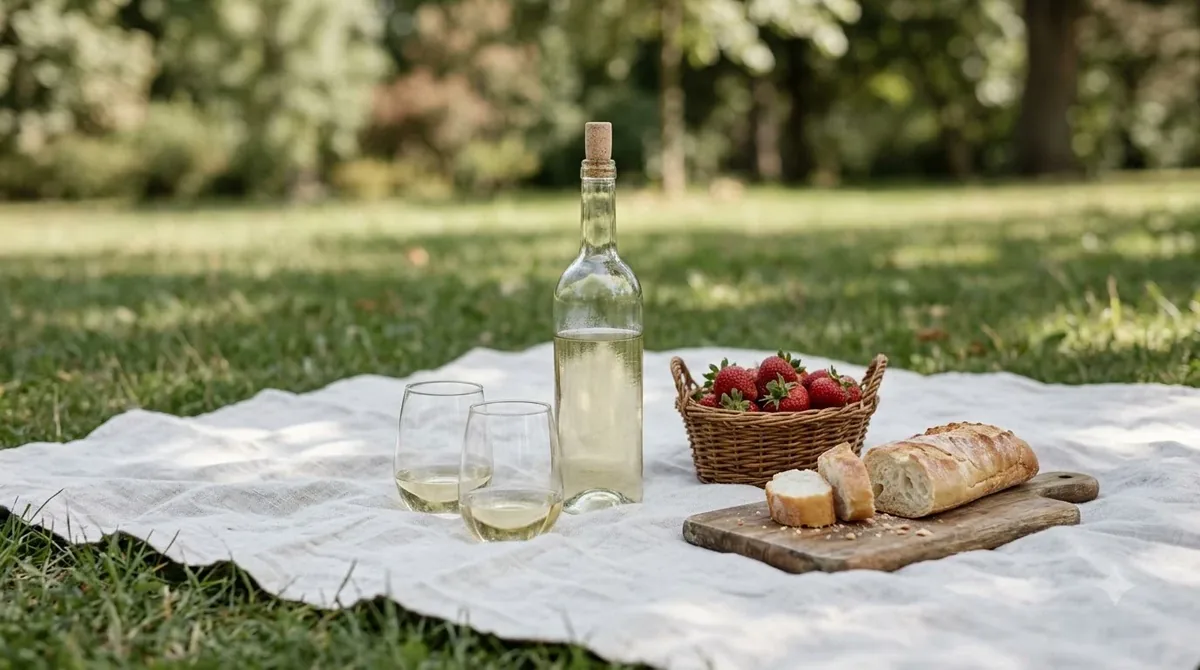
Carneros Chardonnay is the familiar reference point for many shoppers. The winery’s 2024 notes describe yellow peach, ripe melon, citrus, vanilla, and buttery nuances, with bright acidity balancing a soft midpalate. Its stated 14.6% alcohol and nine months in American and French oak, including 33% new barrels, help explain its richer feel. It suits roast chicken, crab with butter, baked salmon, or creamy pasta, and is best served around 50–55°F as a fuller-bodied white.
Proprietor Selection is described as concentrated and creamy, with melon, white peach, lemon, and stone-fruit flavors. Buchli Station has a more focused profile of candied ginger, lychee, Meyer lemon, and a saline impression. Home Ranch is presented as plush, with ripe yellow peach, pineapple, vanilla, and a peaches-and-cream character. These names help explain the premium tier when the specific profile is what a buyer wants; a higher shelf tier is not automatically a better match for every palate.
Joy Late Harvest Chardonnay is a different purchase: the winery lists it in a 375 ml bottle and describes it as a Sauternes-style dessert wine with vanilla, peach, and honey notes. Serve sweet whites around 43–50°F and pair them with fruit desserts, blue cheese, or vanilla ice cream. A dessert wine should be at least as sweet as the dessert beside it, or the wine can taste less sweet and less satisfying.
Sauvignon Blanc: the brighter white
Sauvignon Blanc is the alternative for shoppers who prefer freshness to oak and creaminess. Its high acidity makes it useful with lemon, vinaigrette, goat cheese, and seafood. Chill it to about 45–50°F. It is a sensible option for lunch, an aperitif, or a menu built around herbs and vegetables. The winery’s history notes that its Napa Valley Sauvignon Blanc was introduced with the 2014 vintage.
Zinfandel, Merlot, and Cabernet Sauvignon: three different reds
Rombauer California Zinfandel is described with cherry jam, blackberry, nutmeg, soft tannins, and lively acidity. The 2023 wine is 91% Zinfandel and 9% Petite Sirah, at 15.9% alcohol; the producer recommends 65°F. Pair it with barbecue, grilled sausages, burgers, or tomato-based dishes, but expect alcohol to amplify chili heat.
Merlot has medium tannin and a softer feel than Cabernet, suiting roast pork, meatloaf, mushrooms, or steak. Cabernet’s higher tannin suits grilled beef and lamb, especially with fat and protein to soften its grip. Serve full-bodied reds at 60–65°F. Pinot Noir has lower-to-medium tannin and higher acidity than Cabernet; it is gentler with roast poultry or salmon, while oily fish can clash with tannic reds.
Common Mistakes
A 750 ml Carneros Chardonnay, Proprietor Selection Chardonnay, Sauvignon Blanc, and Napa Cabernet differ in grape, structure, and production choices. Comparing only the Rombauer name can lead to a bottle that does not suit the meal or the drinker’s taste.
Another error is confusing a lower shelf price with better value without checking volume. A half bottle contains 375 ml, compared with 750 ml in a standard bottle; a magnum contains 1.5 L. Calculate the equivalent cost per 750 ml before judging value, and keep shipping and tax separate from the listed retail range.
Vintage mismatch is easy to overlook because retailer pages may show several releases together. If two Carneros Chardonnay listings differ, check vintage, volume, and the full bottling name before judging one overpriced. The same applies to Napa Cabernet, where a regional bottling and a single-vineyard selection can occupy different tiers. Do not buy by grape reputation alone: Rombauer’s Carneros Chardonnay pairs vanilla richness with bright acidity, Sauvignon Blanc can seem sharp beside unseasoned food, and Cabernet tannin may overpower delicate fish. Zinfandel’s alcohol can intensify chili heat, so consider food, temperature, and structure as well as grape name.
Tasting notes and shelf placement are clues, not a substitute for preference. One drinker may favor Carneros Chardonnay’s peach and vanilla; another may prefer the citrus and saline character described for Buchli Station. Choose the bottle whose style, size, and occasion line up, not necessarily the highest tier. For broader producer comparisons, the Wine Brands resource offers a wider starting point.
Care or Storage Tips
Storage and serving conditions protect a bottle’s character, with about 55°F a useful long-term reference and 40–65°F covering most serving styles. Rombauer recommends its Zinfandel at 57–62°F for storage and 65°F for serving.
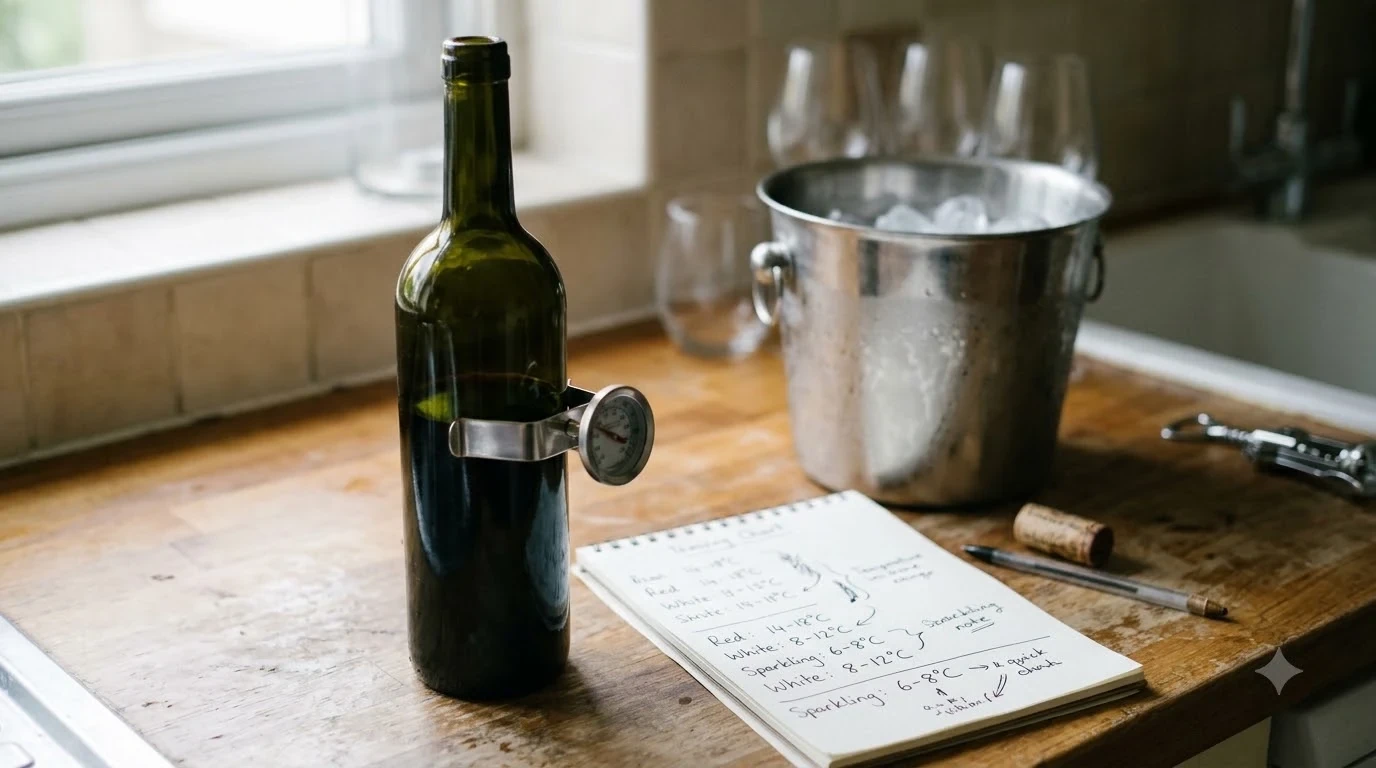
Keep unopened wine in a cool, dark place away from sunlight, vibration, and kitchen heat; store cork-finished bottles on their side. Rombauer says its California Zinfandel can continue developing for up to seven years from the vintage date. For serving, chill sparkling wine to 40–50°F, lighter whites and rosé to 45–50°F, fuller whites such as Carneros Chardonnay to 50–55°F, lighter reds to 55–60°F, and fuller reds to 60–65°F. A short refrigerator chill helps if a bottle is warmer than its target.
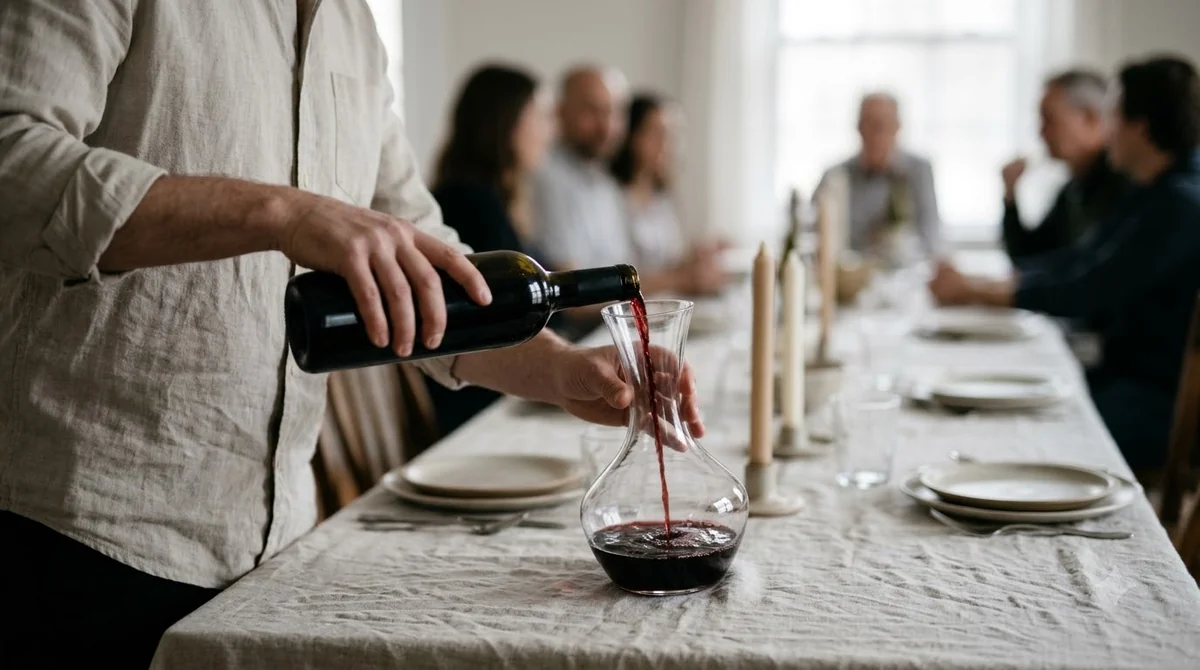
After opening, refrigerate still wine and use a good closure. Most still wines keep about three to five days; sparkling wine about one to three days with a stopper. Fortified wines can last several weeks, and bag-in-box wine four to six weeks. A young, full-bodied Cabernet may benefit from 30–60 minutes of decanting if tight or tannic; Merlot or Pinot Noir may need less, and older bottles should be handled carefully because too much air can flatten delicate aromas. Give fuller white wine a few minutes in the glass rather than serving it refrigerator-cold. For a shipped gift, check delivery rules and the recipient’s ability to receive an age-restricted shipment, and avoid leaving the bottle in a hot car or sunny spot.
Frequently Asked Questions
These answers cover five details that can affect the buying decision even after grape, vintage, and bottle size have been compared.
What was Rombauer’s first wine?
The winery’s history identifies Cabernet Sauvignon from the Stags Leap District as its first harvest in 1980. The inaugural Rombauer releases followed in 1984 and included the 1980 Cabernet Sauvignon and 1982 Chardonnay.
How is Joy Late Harvest Chardonnay aged?
The winery lists six months of aging in American oak for the 2023 Joy Late Harvest Chardonnay, with 100% new oak. That maturation detail is specific to this dessert bottling and should not be applied to the dry Carneros Chardonnay.
How long is Rombauer California Zinfandel aged in oak?
The winery lists 14 months in American and French oak for its 2023 California Zinfandel, with 10% new American oak. This is a distinct production detail in addition to the wine’s 91% Zinfandel and 9% Petite Sirah blend.
Can Rombauer Chardonnay be bought in a magnum?
Yes. The winery lists a 1.5 L magnum option for Carneros Chardonnay and Proprietor Selection Chardonnay. A magnum contains twice the wine of a 750 ml bottle, making it more practical for a group meal than an evening for one or two people.
Who is the head winemaker at Rombauer?
The winery identifies Richie Allen as its head winemaker. Its history says he joined as a harvest intern in 2004 and became head winemaker in 2008, connecting the current team with the winery’s longer family history.
For a first purchase, start with a style you already enjoy, then compare the same Rombauer bottling, vintage, and 750 ml size across retailers. That makes the price bands meaningful and keeps the decision focused on the wine in the glass rather than the label alone.
More in Wine Brands
 Underwood Wine Price: Compare Bottles, Cans, and Pack SizesUpdated Nov 21, 2026
 Zenato Wine Price: Compare Styles and Choose the Right BottleUpdated Nov 21, 2026
 Zuccardi Wine Price: Compare Bottles and Find the Right RangeUpdated Nov 21, 2026
 Yellow Tail Moscato Review: Taste, Sweetness and Serving TipsUpdated Nov 21, 2026
 Wolf Blass Yellow Label Review: Choose Your Best StyleUpdated Nov 21, 2026
 Wolffer Estate Rose Review: Choose the Right Bottle for Your TableUpdated Nov 21, 2026