

We may earn a commission when you buy through links on this page, at no extra cost to you. Learn more.
Rombauer wine comes from Rombauer Vineyards, a Napa Valley winery in St. Helena founded in the early 1980s by Koerner and Joan Rombauer, and it is best known for its rich, oak-forward Chardonnay. The range also includes Cabernet Sauvignon, Zinfandel and Sauvignon Blanc, with fruit sourced from Napa Valley and cooler coastal vineyards in California. This guide covers the winery’s background, the main wines, how they taste, and how to serve and pair them.
Rombauer appears on many restaurant lists and retail shelves, and shoppers often ask whether the style suits them. The answer depends on what you want from a bottle. This page explains the house style and gives practical guidance on choosing, serving and pairing Rombauer wines.
Who Makes Rombauer Wine and Where the Winery Started
Rombauer Vineyards was founded by Koerner and Joan Rombauer, who first worked together in the Napa Valley wine business before starting their own label. VinePair’s profile of the brand dates the founding to 1980, while other references cite 1982 as the year the winery got going. The first wines were bottled in 1982 and made in a family garage before a permanent winery was built in St. Helena.
The family’s early experience gave them a clear sense of what they wanted to make. They focused on Napa Valley fruit from respected sites and on wines with generous fruit and a noticeable oak influence. That approach set the house style that drinkers still associate with the brand today. In August 2023 the brand was acquired by the Gallo luxury wine group, and trade coverage reports that the vineyards, winemaking style and growers have stayed the same.
The Rombauer Lineup: Chardonnay First, Then the Reds
Chardonnay is the signature of the brand, and most people buy Rombauer for that wine first. Reviewers describe it as a generous, opulent style with a rich texture and clear oak character. The winery also produces a Cabernet Sauvignon, which was among its first releases, and a Zinfandel that draws on high-elevation Sierra Foothills fruit. A Sauvignon Blanc was added to the range more recently.
The table below summarizes the main wines based on trade coverage and the producer’s historical materials. Bottlings and vintages change each year, so check the label for the current release before you buy.
| Wine | Style | Where the fruit comes from |
|---|---|---|
| Chardonnay | Rich, round and oak-forward with a creamy texture | Napa Valley and cool coastal sites in California |
| Cabernet Sauvignon | Structured Napa red with dark fruit and polished tannins | Napa Valley estate and sourced vineyards |
| Zinfandel | Ripe, spicy and full-bodied red | Sierra Foothills sites, including high-elevation vineyards |
| Sauvignon Blanc | Fresh, citrus-driven white | Napa Valley plots |
Tip: If you prefer lighter Chardonnay, look for the vintage and oak note on the label before you buy. Oak-forward styles taste very different from unoaked or lightly oaked bottles.
Flavor Profile of Rombauer Chardonnay
The Chardonnay is the most discussed wine in the range. Drinkers usually describe ripe orchard fruit, vanilla and toasty notes, and a full, round mouthfeel that lingers on the palate. The oak is a defining part of the style, so the wine suits people who enjoy a richer white rather than a sharp, mineral one.
Some drinkers find the style too heavy for everyday meals, especially when they are used to lean, crisp Chardonnay from cooler regions. For those readers, the Sauvignon Blanc offers a fresher alternative from the same producer. Those who enjoy the Chardonnay often move on to the Cabernet and Zinfandel, which share the brand’s full-bodied character.
If you want a lighter wine to compare with the Chardonnay, barefoot wine is an easy-drinking option that many shoppers use as a baseline. For a bubbly comparison, la marca prosecco offers a crisp contrast to a rich, oaked white.
How to Serve Rombauer Wines
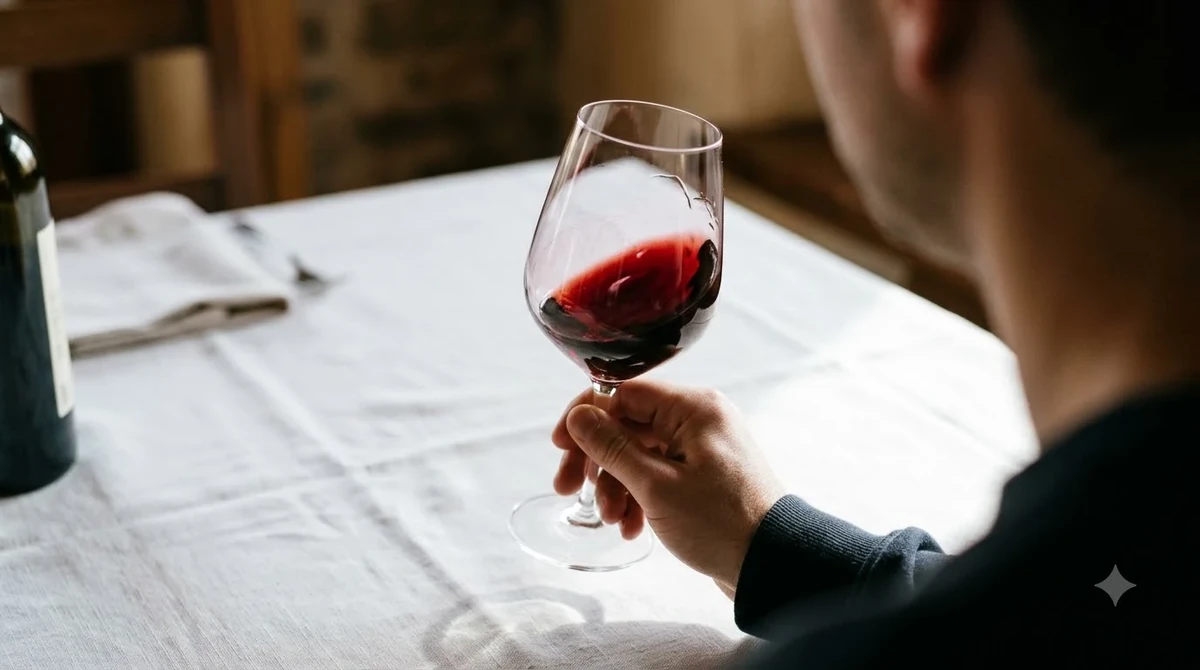
Serve the Chardonnay cool but not cold, since a slightly warmer temperature lets its texture and aromas open up. Pour it into a medium glass with room to swirl, and allow the wine a few minutes in the glass before the first sip. Very cold service tends to mute the fruit and oak.
Chardonnay also rewards a little patience at the table. Its texture is at its best when the glass is not allowed to warm far above cellar temperature, so pour smaller amounts and refill as needed. Many people find that the wine tastes fuller in the middle of a meal than at the first sip, when the oak can feel more prominent. Keeping a second bottle chilled is a simple way to keep the wine consistent over a long dinner.
The reds benefit from a short rest after opening, and a Cabernet or Zinfandel can be decanted if it feels tight when first poured. Serve reds slightly cooler than room temperature, and keep opened bottles sealed and refrigerated. Finish whites within a few days, since their freshness fades faster than the fuller reds.
Food Pairings That Suit Rombauer Chardonnay and Reds
The oaked Chardonnay pairs well with dishes that have some richness of their own. Roast chicken with herbs, lobster with butter sauce, creamy pasta and roast pork with apples are all natural partners. The wine’s texture also works with mild cheeses such as Brie.
The Cabernet Sauvignon suits grilled steak, lamb and aged hard cheeses, where the fat and savory notes balance its firm tannins. The Zinfandel’s ripe, spicy character pairs with barbecue, grilled sausages and dishes with smoky flavors. The Sauvignon Blanc is the lighter choice for seafood, salads and goat cheese. Matching the sauce to the wine is a simple rule: rich dishes call for a full wine, and bright dishes call for a fresher one.
Who Rombauer Wine Suits and Who Might Look Elsewhere
Rombauer suits readers who enjoy a generous, full-bodied style and who like the consistency of a recognizable house profile. The Chardonnay is a strong choice for dinner parties and special meals, and the Cabernet and Zinfandel appeal to people who like bold reds. The brand also works as a gift for someone who already knows Napa wines and wants a reliable bottle.
When you compare Rombauer with other California producers, look at the vintage, the appellation and the oak program on the label. Two Chardonnays from the same region can taste very different depending on how the winemaker handled oak and malolactic fermentation. Reading the back label and the producer’s tasting notes helps you decide which bottle fits your meal and your budget, without relying only on the brand name.
Shoppers who prefer lean, high-acid wines may find the oak-forward style heavy, and those who want a very light everyday wine may look at other producers or regions first. A practical approach is to start with the Sauvignon Blanc or a single red, then try the Chardonnay once you know how you respond to the house style. For a broader look at producers in the category, read our overview of wine brands.
Frequently Asked Questions
What is Rombauer known for?
Rombauer is best known for its Chardonnay, which is rich, round and oak-forward. The winery also makes Cabernet Sauvignon, Zinfandel and Sauvignon Blanc, and its reds are a steady part of the portfolio.
Is Rombauer Chardonnay oaked?
Yes, oak is a defining part of the style. Reviewers describe generous oak character alongside ripe fruit and a creamy texture, which is why the wine stands out from leaner Chardonnays.
Does Rombauer wine age well?
The Cabernet Sauvignon and Zinfandel are built to age for several years when stored in a cool place. Chardonnay and Sauvignon Blanc are usually best enjoyed within a few years of release.
Who owns Rombauer Vineyards?
Rombauer was acquired by the Gallo luxury wine group in August 2023. Trade coverage reports that the vineyards, winemaking style and growers have stayed the same since then.
Rombauer offers a clear, full-bodied house style that rewards readers who enjoy rich whites and structured reds. Start with the wine that fits your meal, then explore the rest of the range as your taste develops. For more context on the category, return to wine brands and compare other producers.
More in Wine Brands
 Underwood Wine Price: Compare Bottles, Cans, and Pack SizesUpdated Nov 21, 2026
 Zenato Wine Price: Compare Styles and Choose the Right BottleUpdated Nov 21, 2026
 Zuccardi Wine Price: Compare Bottles and Find the Right RangeUpdated Nov 21, 2026
 Yellow Tail Moscato Review: Taste, Sweetness and Serving TipsUpdated Nov 21, 2026
 Wolf Blass Yellow Label Review: Choose Your Best StyleUpdated Nov 21, 2026
 Wolffer Estate Rose Review: Choose the Right Bottle for Your TableUpdated Nov 21, 2026