


We may earn a commission when you buy through links on this page, at no extra cost to you. Learn more.
This oyster bay wine review finds that Oyster Bay is a worthwhile choice for drinkers who enjoy fresh New Zealand whites, approachable reds, and fruit-forward sparkling wines. The Marlborough Sauvignon Blanc is the brand’s signature style, offering citrus, passionfruit, and lively acidity. Its Pinot Noir provides a softer alternative with cherry and plum flavors, while Chardonnay, Pinot Gris, Merlot, Rosé, and sparkling wines give shoppers several other options. The right bottle depends on whether you prefer crisp acidity, rounder white-wine textures, or lighter, fruit-driven reds.
Oyster Bay is a recognizable New Zealand wine name, particularly among shoppers looking for Marlborough Sauvignon Blanc. Its appeal comes from a relatively straightforward approach: recognizable grape varieties, expressive fruit, and regional character rather than complicated winemaking terminology. However, the label represents more than one wine, and the differences between its bottles matter when choosing something for dinner, a gathering, or an ordinary evening at home.
This guide examines the brand’s origins, its major wine styles, tasting characteristics, food compatibility, and practical buying considerations. It also considers the importance of vintage variation and independent criticism, so shoppers can make a decision based on more than the familiarity of the label.
Who This Oyster Bay Wine Guide Is For
Oyster Bay is particularly suitable for shoppers who want recognizable New Zealand varietals without having to explore unfamiliar grape varieties or complicated regional classifications. The range includes accessible choices for people who enjoy refreshing Sauvignon Blanc as well as drinkers who prefer Pinot Noir, Chardonnay, or sparkling wine.

Newcomers to New Zealand wine may find the Marlborough Sauvignon Blanc the easiest starting point. Its combination of citrus, tropical fruit, and noticeable acidity creates a recognizable style that works well as an aperitif and alongside seafood. Those who already enjoy Sauvignon Blanc from New Zealand can also use the bottle as a familiar reference point when comparing different producers.
The range is not limited to white wine enthusiasts. Oyster Bay’s Marlborough Pinot Noir provides a fruit-centered red with cherry and plum characteristics, while its Hawke’s Bay Merlot offers an alternative for shoppers who prefer a softer, more rounded red-wine profile. Chardonnay and Pinot Gris also provide different expressions of white wine, making the portfolio useful for households with varied preferences.
There are a few reasons to look beyond the brand’s flagship bottle:
- New wine drinkers: The familiar grape names and recognizable fruit profiles make it easier to understand what each bottle offers.
- Sauvignon Blanc enthusiasts: Marlborough is a useful regional reference for people who enjoy citrus-driven whites with high acidity.
- Red wine drinkers: Pinot Noir and Merlot provide contrasting levels of body, tannin, and fruit expression.
- Food-focused shoppers: The selection includes styles that can accompany seafood, poultry, vegetables, and meat.
- Casual hosts: Having a crisp white, a red, and a sparkling option makes it easier to accommodate different preferences.
Oyster Bay may be less suitable for someone specifically seeking powerful, heavily oaked reds, highly concentrated white wines, or distinctive small-production bottles. Its central identity is based on recognizable varietal character and regional freshness rather than extreme winemaking styles.
Key Factors to Compare Before Buying Oyster Bay
The most useful way to compare Oyster Bay bottles is to consider grape variety, growing region, acidity, body, and intended food pairing. Marlborough and Hawke’s Bay are both important parts of the portfolio, but they contribute different regional identities and wine styles.
| Wine style | Region | Main flavor characteristics | Body and structure | Serving temperature |
|---|---|---|---|---|
| Sauvignon Blanc | Marlborough | Passionfruit, citrus, tropical fruit | Light, crisp, high acidity | 46°F |
| Pinot Gris | Hawke’s Bay | Floral notes, citrus, subtle spice | Light to medium | 45°F |
| Chardonnay | Marlborough | White peach, citrus, lime zest | Medium, potentially creamy | 50°F |
| Pinot Noir | Marlborough | Dark cherry, black plum | Light to medium, softer tannin | 60°F |
| Merlot | Hawke’s Bay | Cherry, plum, subtle spice | Medium, softer tannin | 60–65°F |
| Rosé | Marlborough | Red berries, floral notes, citrus | Light, refreshing | 46–55°F |
| Sparkling Cuvée Brut | Hawke’s Bay | Lime citrus, white peach | Light, sparkling, refreshing | 43–47°F |
| Sparkling Cuvée Rosé | Hawke’s Bay | Cherry, fresh strawberry | Light, sparkling, refreshing | 43–47°F |
The regional distinction is useful because Oyster Bay identifies Marlborough as the production location for Sauvignon Blanc, Pinot Noir, Chardonnay, and Rosé. Its Merlot, Pinot Gris, and sparkling wines are produced in Hawke’s Bay. These details provide a helpful framework for understanding the range without assuming that every bottle tastes alike.
Acidity is especially important when selecting a white wine. Sauvignon Blanc and Riesling generally have high acidity, while Chardonnay usually has medium acidity. Oyster Bay’s Sauvignon Blanc is the logical choice for people who enjoy pronounced freshness. Chardonnay is more appropriate for someone who prefers a broader texture and less aggressive acidity.
Red-wine shoppers should pay attention to tannin. Pinot Noir generally has low-to-medium tannin and relatively high acidity, making it more delicate than Cabernet Sauvignon. Merlot usually has medium tannin and a softer impression. This distinction can make Pinot Noir a useful option for poultry, mushrooms, and salmon, while Merlot can work with richer meat dishes.
Vintage is another consideration. Weather conditions influence grape ripeness, acidity, alcohol, and aromatic development. Even when the grape variety and regional origin remain consistent, two consecutive vintages do not necessarily produce identical wines. Independent reviews should therefore be matched to the particular vintage being considered rather than treated as permanent judgments about the entire brand.
For a closer look at the signature white, see our Oyster Bay Sauvignon Blanc coverage, which focuses on its Marlborough identity and characteristic flavor profile.
Step-by-Step: How to Choose the Right Oyster Bay Bottle
Choosing Oyster Bay becomes easier when the decision starts with drinking preferences and the occasion rather than the label alone. A few practical steps can narrow the selection to a wine that suits the meal and the people drinking it.
-
Decide between white, red, rosé, and sparkling wine.
Start with the basic category. Sauvignon Blanc, Pinot Gris, and Chardonnay are white-wine options, while Pinot Noir and Merlot cover two different red-wine preferences. Rosé and sparkling Cuvée bottles are useful for lighter occasions and celebrations.
-
Choose the flavor profile you enjoy.
Look for Sauvignon Blanc if passionfruit, grapefruit, and citrus sound appealing. Choose Chardonnay for white peach and a creamier impression. Pinot Noir suits cherry and plum preferences, while Merlot is a better starting point for someone who wants a softer, rounder red.
-
Consider the meal before selecting the wine.
Fresh seafood and goat cheese generally work well with Sauvignon Blanc. Chardonnay is more flexible with roasted poultry and richer seafood preparations. Pinot Noir suits mushrooms and roasted chicken, while Merlot can accompany burgers and grilled beef.
-
Compare the regional designation.
Marlborough is particularly associated with Sauvignon Blanc and also supplies Oyster Bay’s Pinot Noir, Chardonnay, and Rosé. Hawke’s Bay is the source of its Merlot, Pinot Gris, and sparkling wines. This helps distinguish the range’s regional identities.
-
Check the vintage and available product information.
Look for the vintage when buying still wine and compare independent commentary for that same bottling. Alcohol content can vary between vintages, so a technical specification from one bottle should not automatically be applied to another.
-
Plan the serving temperature.
Chill Sauvignon Blanc to approximately 46°F, Chardonnay to 50°F, and Pinot Noir to around 60°F. Correct serving temperature can make a noticeable difference to how aromas, acidity, and texture are perceived.
-
Consider how quickly the bottle will be consumed.
A bottle intended for a dinner with several guests may be a better fit for a group than one intended for a single glass over several evenings. Properly sealing opened Oyster Bay bottles and refrigerating them helps preserve their freshness.
These steps are particularly helpful when buying for people with different wine preferences. Rather than assuming that the most recognizable Oyster Bay label will suit everyone, select the grape and structure that match the occasion.
Tip: If you are buying your first Oyster Bay bottle, begin with the Marlborough Sauvignon Blanc if you enjoy crisp whites. If you prefer red wine, consider the Marlborough Pinot Noir before choosing a more tannic red. Match the wine to your usual flavor preferences rather than buying solely because a particular bottle is familiar.
Oyster Bay Wine Types and Styles Explained
Oyster Bay’s range covers several major wine categories, with each offering a different combination of fruit, acidity, body, and structure. Understanding these differences is more useful than treating the entire portfolio as one consistent flavor profile.
Marlborough Sauvignon Blanc
This is the signature wine associated with Oyster Bay. Its character centers on passionfruit, tropical fruit, citrus, and a refreshing finish. The producer emphasizes careful handling of individual vineyard parcels and slow, temperature-controlled fermentation to preserve aromatic qualities.
Expect a crisp, lively white with noticeable acidity rather than a rich, buttery texture. Citrus and tropical fruit make it suitable for grilled shrimp, oysters, white fish, salads, and goat cheese. Its acidity also helps balance dishes with lemon-based dressings and fresh herbs.
Independent assessments provide useful additional perspective. Wine Enthusiast’s review of the 2025 Marlborough Sauvignon Blanc described citrus and passionfruit alongside volatile and sulfur-like characteristics, illustrating that the brand’s signature style may not satisfy every critic or vintage preference. The review should be considered as commentary on that specific bottling, not an automatic verdict on every Oyster Bay Sauvignon Blanc. Read the Wine Enthusiast review of Oyster Bay Sauvignon Blanc for its vintage-specific assessment.
For shoppers who want a fruit-forward New Zealand white with substantial freshness, this is the natural first bottle to investigate. For those who prefer restrained aromas, lower acidity, or more obvious oak influence, Chardonnay may be a better match.
Marlborough Pinot Noir
Oyster Bay Pinot Noir offers a red-wine alternative with a more delicate structure than many traditional full-bodied reds. The producer describes dark cherry and black plum flavors, with soft fruit tannins and an elegant texture.
The winemaking approach includes barrel and tank fermentation, followed by maturation in a combination of new and older French oak. This contributes to the wine’s structural complexity without making it equivalent to a heavily extracted Cabernet Sauvignon.
Pinot Noir’s naturally lower-to-medium tannin and relatively high acidity make it useful with roast chicken, duck, mushrooms, pork, and salmon. Serve it around 55–60°F rather than at a warm room temperature. This allows the fruit aromas to remain expressive without making the wine feel excessively alcoholic.
Readers comparing the red-wine selection can also explore our Oyster Bay Pinot Noir discussion for a more focused look at this particular style.
Marlborough Chardonnay
Chardonnay is the alternative for shoppers who enjoy white wine but want something different from the sharp citrus profile of Sauvignon Blanc. Oyster Bay describes its Marlborough Chardonnay through white peach, vibrant citrus, lingering lime zest, and a creamy texture.
Chardonnay generally has medium acidity and can show a broader palate than Sauvignon Blanc. That makes it useful with roasted chicken, creamy pasta, grilled seafood, and vegetables with butter-based sauces. Serve it around 50–55°F, allowing enough time outside the refrigerator for its aromas to develop.
Its appeal depends on the drinker’s preference for texture. Someone who specifically wants a very lean, sharply acidic white may prefer Sauvignon Blanc, while someone looking for a softer impression may appreciate Chardonnay.
Hawke’s Bay Pinot Gris
Oyster Bay’s Pinot Gris provides another white-wine option, with summer florals, subtle spice, and refreshing citrus. It can appeal to drinkers who want aromatic fruit without the pronounced grassy and tropical character often associated with Sauvignon Blanc.
Pinot Gris generally offers a flexible middle ground for meals. Consider it with roasted vegetables, chicken, seafood, and lightly spiced dishes. Its aromatic qualities can also make it an appealing choice for people who prefer a less assertive white.
Hawke’s Bay Merlot
Merlot provides a softer red-wine alternative to more tannic grape varieties. Oyster Bay describes its Merlot through bright cherry, rich plum, subtle spice, and a soft lingering texture.
Its medium tannin makes it suitable for burgers, roast beef, meatballs, and dishes with tomato-based sauces. Merlot is generally less aggressive than Cabernet Sauvignon, which can make it a practical selection for people who find strongly structured reds too drying.
Rosé and Sparkling Cuvée
The Marlborough Rosé offers floral and red-berry characteristics with refreshing citrus. It is a flexible option for picnics, light lunches, grilled vegetables, and casual gatherings. Serve it chilled, generally within 45–50°F for a refreshing presentation.
Oyster Bay also produces Sparkling Cuvée Brut and Sparkling Cuvée Rosé. The Brut is described through lime citrus and white peach, while the Rosé emphasizes cherry and fresh strawberry. Both are suitable for celebrations and can accompany appetizers, seafood, and lighter party foods.
Shoppers comparing the full selection can explore Oyster Bay wine for a broader look at the brand’s individual offerings.
Common Mistakes When Buying Oyster Bay Wine
The most common purchasing mistake is assuming every Oyster Bay bottle has the same character as its Sauvignon Blanc. The brand covers multiple grapes, two principal production regions, and different winemaking approaches, so the label alone does not tell the complete story.
Another mistake is choosing by grape name without considering structure. Someone who likes Pinot Noir may not automatically enjoy Merlot, even though both are red wines. Pinot Noir is generally more delicate, with lower-to-medium tannin and high acidity, while Merlot usually has more noticeable tannin and a rounder impression.
Serving temperature is also frequently overlooked. Sauvignon Blanc served too warm can lose some of its refreshing character, while Pinot Noir served straight from a very cold refrigerator can seem muted. The producer’s recommended temperatures provide useful starting points: approximately 46°F for Sauvignon Blanc and 60°F for Pinot Noir.
Food pairing mistakes can create the impression that a wine is less enjoyable than it actually is. High-acid Sauvignon Blanc usually works well with acidic foods such as citrus-dressed seafood, but a low-acid white may seem flat beside a strongly acidic dish. Matching acidity between food and wine is a helpful principle.
Likewise, high-tannin reds can feel harsh with lean, delicate fish. Oily fish and tannic red wine are often an awkward combination. Pinot Noir, with its more moderate tannin, is generally a better red-wine direction for salmon than Cabernet Sauvignon.
Sweetness is another important distinction. Fruit-forward does not necessarily mean sweet. Oyster Bay Sauvignon Blanc emphasizes tropical fruit and citrus, but its aromatic fruit character should not be confused with the sugar level of a dessert wine. Someone seeking an obviously sweet wine should investigate the actual style rather than relying on descriptions such as passionfruit or peach.
Finally, avoid treating a single critic’s assessment as the final word on the whole portfolio. Independent reviews can differ from producer descriptions and consumer impressions. The Wine Enthusiast assessment of one Sauvignon Blanc vintage, for example, is useful precisely because it demonstrates that individual bottlings can receive mixed reactions.
Care, Serving, and Storage Tips for Oyster Bay
Proper storage and serving can make Oyster Bay wines more enjoyable without requiring specialized equipment. The most important considerations are temperature, exposure to air, and the amount of time a bottle remains open.
Serving temperatures
Oyster Bay provides specific serving recommendations for its main wine styles. Sauvignon Blanc is best served at approximately 46°F, Pinot Gris at 45°F, Chardonnay at 50°F, and Pinot Noir at 60°F. Merlot benefits from a slightly warmer serving range of 60–65°F.
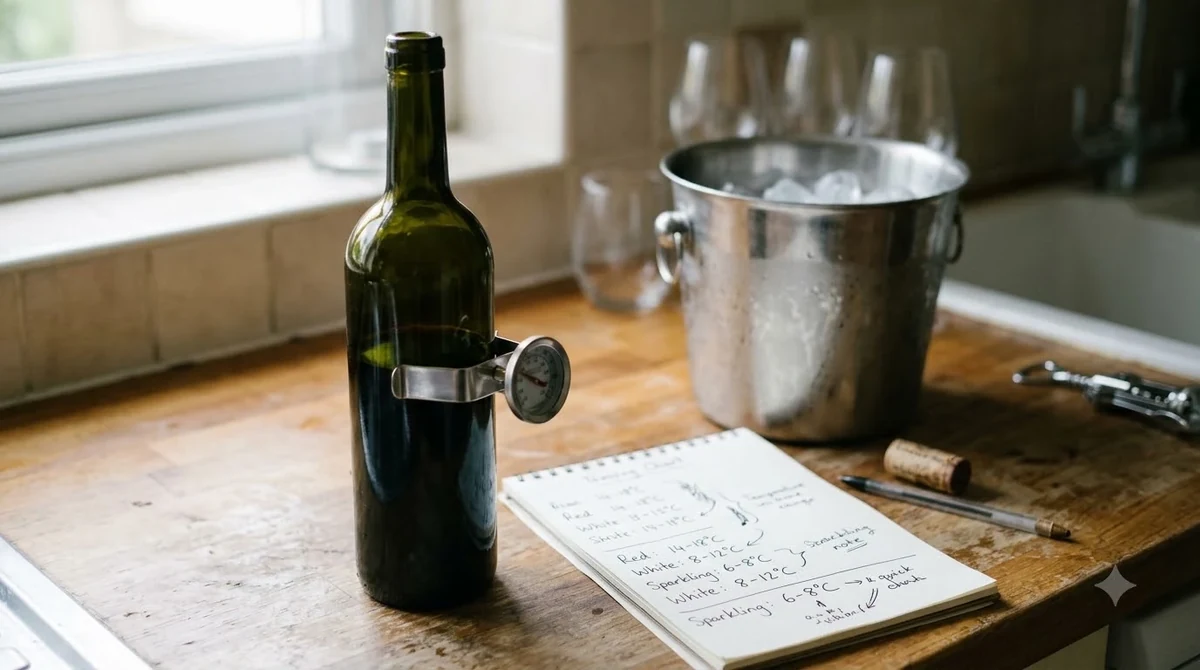
For general serving guidance, light whites and rosé are commonly served around 45–50°F, while full-bodied whites are served closer to 50–55°F. Light reds generally work well around 55–60°F. These ranges help maintain freshness while allowing the wine’s aromatic characteristics to emerge.
Do not assume that red wine should always be served at a warm indoor temperature. A bottle that has been sitting in a warm kitchen can taste heavier and less balanced than one served slightly cool. A brief period in the refrigerator can help bring it closer to the intended temperature.
Opening and pouring
A standard 750 ml bottle provides approximately five 5-ounce servings. This is a useful planning measurement for dinner parties and gatherings. Smaller pours can be helpful when serving several different wine styles during the same meal.
Sparkling wines should be opened carefully. Keep the cork controlled while removing the wire cage and turning the bottle slowly rather than pulling the cork forcefully. Once opened, pour gently to preserve the bubbles and avoid excessive foaming.
Storage before opening
Still wines are best kept away from direct sunlight, strong temperature fluctuations, and heat-producing appliances. A cool, dark storage area around 55°F is a useful general target for bottles intended for longer storage.
Bottles sealed with natural cork are generally stored on their sides to keep the cork from drying out. Screw-cap bottles do not require the same positioning for cork maintenance, although a stable, cool storage environment remains important.
Most fresh, aromatic Sauvignon Blanc is intended to be enjoyed for its youthful fruit character rather than held for many years. Oyster Bay’s signature style is based on freshness, so buying a bottle for relatively early consumption is generally a sensible approach.
After opening
Oyster Bay recommends tightly resealing bottles after every pour. Its official guidance says white and rosé wines can last up to five days when stored correctly, while red wines can last up to three days.
Refrigerate opened still wines, including red wines, to slow oxidation. Remove a refrigerated red bottle shortly before serving so it can approach the appropriate drinking temperature. Sparkling wine needs a suitable sparkling-wine stopper to preserve carbonation.
A wine that has lost its fresh fruit aromas or developed an unpleasant oxidized character may no longer be enjoyable. Storage time is a guideline rather than a guarantee, since the condition of the bottle before opening also affects how it develops.
Frequently Asked Questions
Is Oyster Bay wine made in New Zealand?
Yes. Oyster Bay is a New Zealand wine brand with production in Marlborough and Hawke’s Bay. Its official FAQ identifies these as the production locations for different parts of its portfolio, rather than treating all wines as products of one region.
Is Oyster Bay Sauvignon Blanc made without oak?
The producer’s international FAQ describes its Sauvignon Blanc as unoaked, using slow, temperature-controlled fermentation in stainless steel tanks. This approach is intended to preserve fresh fruit aromas and crisp varietal character rather than introduce oak-derived flavors.
Does Oyster Bay offer winery tours and tastings?
No. Oyster Bay’s official FAQ states that it does not currently operate winery tours, vineyard visits, or tastings. Travelers planning a New Zealand wine itinerary should therefore arrange visits with other wineries that publicly offer visitor experiences.
Is Oyster Bay wine suitable for vegans?
Not every bottle can automatically be assumed to be vegan. Oyster Bay explains that certain wines may use animal-derived fining agents, including egg whites, milk proteins, or gelatin. Shoppers following a vegan diet should seek confirmation for the particular wine and production batch rather than assuming that all grape-based wines use identical processing methods.
Does Oyster Bay wine contain sulfites?
Oyster Bay states that its wines may contain residual and naturally occurring sulfites. Sulfites are commonly associated with wine production and preservation, and their presence is not unique to this brand. For exact product information, consult the producer’s technical specifications for the individual wine.
Oyster Bay is a useful brand to explore if you enjoy recognizable New Zealand grape varieties, especially crisp Marlborough Sauvignon Blanc and approachable Pinot Noir. Its wider portfolio also offers Chardonnay, Pinot Gris, Merlot, Rosé, and sparkling alternatives, making it possible to choose according to the occasion rather than relying on one familiar bottle. Start with the grape style you already enjoy, pay attention to serving temperature, and compare the particular vintage before making your selection.
More in Wine Brands
 Louis Latour Wine Price: Compare Bottles by Style and TierUpdated Nov 20, 2026
 Yellow Tail Moscato Price: What to Expect Before You BuyUpdated Nov 20, 2026
 Sutter Home Sweet Red Review: Find the Right Food PairingsUpdated Nov 20, 2026
 Franzia Chillable Red Review: Find the Right Serving StyleUpdated Nov 20, 2026
 Veuve Clicquot Rose Review: Flavor, Food Pairings and Buying AdviceUpdated Nov 20, 2026
 Rombauer Wine Price: Compare Bottles Before You BuyUpdated Nov 20, 2026