

We may earn a commission when you buy through links on this page, at no extra cost to you. Learn more.
The classic vintage port food pairing centers on salty, pungent blue cheeses like Stilton, bittersweet dark chocolate around 65 to 80 percent cacao, and toasted walnuts or dried figs. Because vintage Port is a sweet, full-bodied fortified wine with roughly 20 percent ABV and gripping tannins, it needs bold, salty, bitter, or richly textured foods that stand up to its intensity without clashing. Young, fruit-driven bottles also pair well with seared duck or venison, while decades-old bottles are best enjoyed on their own or with a minimalist cheese plate.
Unlike everyday table wines designed to wash down a multi-course dinner, vintage Port is built for slow, deliberate sipping—typically after the main plates have been cleared. Produced only in exceptional harvest years in Portugal’s Douro Valley and aged mostly in bottle rather than wood, it brings a level of concentration, dark berry fruit, and structural grip that can overwhelm delicate dishes in a single sip. Getting the match right comes down to balancing sweetness against salt, matching weight for weight, and knowing when to step back and let an older bottle shine solo.
What Vintage Port Is and Why It Pairs Differently
Vintage Port is a sweet, unfiltered fortified wine made from a single declared harvest year in Portugal, bottled after just 18 to 36 months in wood so it can mature slowly inside glass for decades. Its high alcohol, residual sugar, and firm tannins require foods with equal weight, pronounced saltiness, or dark, roasted bitterness.
During fermentation in the Douro Valley, winemakers halt yeast activity early by adding a neutral grape spirit (brandy), leaving natural grape sugar in the wine while raising its strength to around 20 percent ABV. According to Wine Folly’s guide to Port styles and pairings, vintage bottlings skip fining and filtration, which preserves dense layers of blackberry, plum, licorice, and spice while allowing heavy sediment to form over time. That combination of sweetness, heat, and astringency sets vintage Port apart from lighter Wine by Type categories.
Because the wine carries so much sensory power, mild proteins, delicate greens, and subtly seasoned starches disappear beside it. Successful pairings rely on two core culinary principles: contrast and congruence. Salt in pungent cheese suppresses bitterness and makes the wine taste noticeably fruitier, while dark cocoa and roasted nuts mirror the wine’s own baked-fruit, spice, and tannic notes.
Age also changes the pairing equation dramatically. A bottle under five years old bursts with primary black fruit and muscular tannins that can handle rich meats or intensely bitter chocolate. Once a vintage Port passes 15 to 30 years in the cellar, those primary fruit notes soften into dried fig, leather, cedar, and subtle spice, calling for simpler accompaniments that will not mask its nuance.
Classic Cheese Pairings: Stilton and Beyond
Blue cheese is the benchmark partner for vintage Port because intense salt and creamy funk counter the wine’s sweetness while matching its full body. Stilton is the historic favorite, though Roquefort, Gorgonzola, and select aged hard cheeses also create memorable contrast.
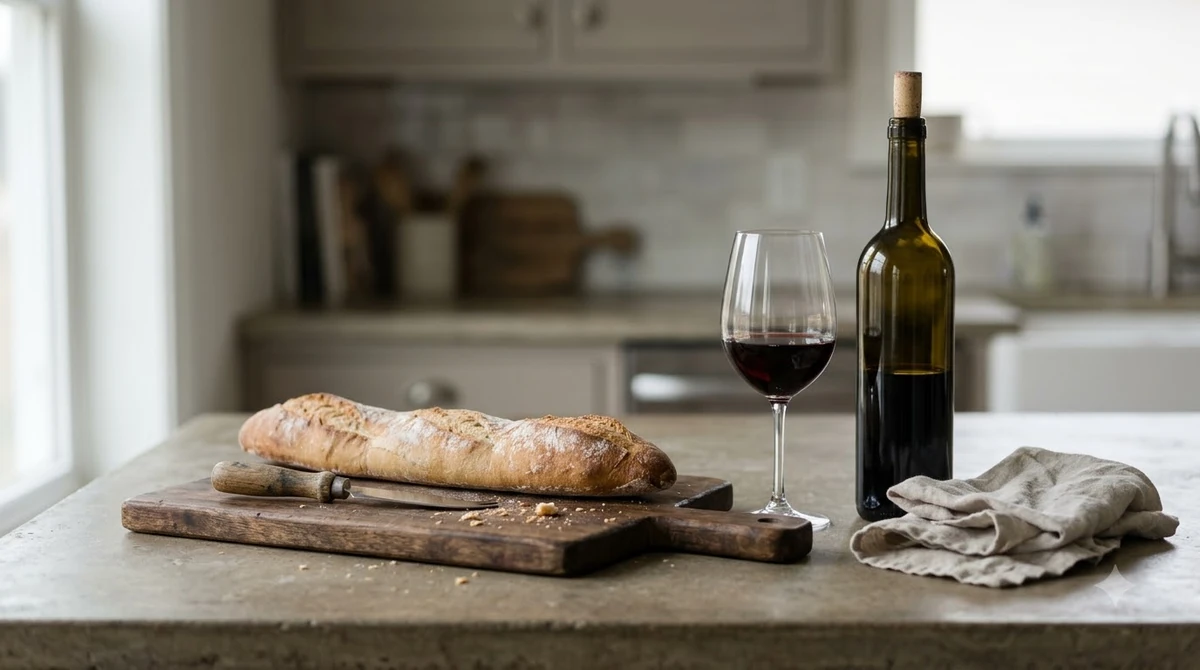
The pairing of English Stilton and vintage Port became a staple of British holiday tables for good reason. Stilton’s crumbly yet creamy paste delivers sharp salinity and earthy blue-vein pungency that cut straight through the wine’s residual sugar, preventing the finish from feeling cloying. In turn, the wine’s sweet dark plum and blackberry flavors soften the cheese’s salty bite, creating a balanced push-and-pull on the palate.
If Stilton is unavailable, other full-flavored blue cheeses perform along similar lines. Roquefort brings a sharper, sheep’s-milk tang that works especially well with younger, more structured vintage Ports, while aged Gorgonzola Dolce offers a sweeter, creamier texture suited to mature bottles. Serve the cheese at room temperature so its aromatics open up alongside the wine.
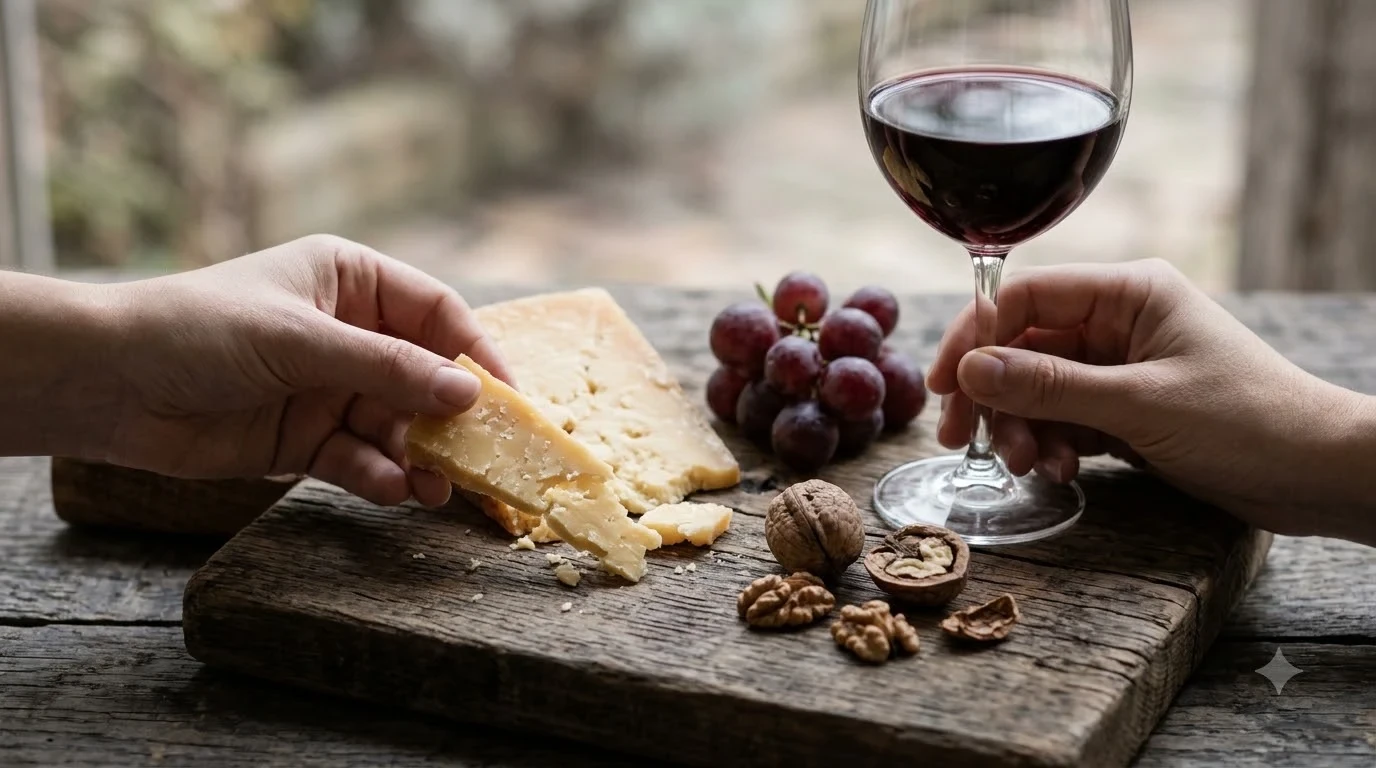
Hard, aged cheeses can also work when blue cheese is off the table, though they often lean toward the nutty profile explored in tawny port food pairing. Aged Parmigiano-Reggiano, mature Cheddar, or crystalline aged Gouda offer enough umami and salt to hold their ground. Skip fresh goat cheese and washed-rind styles, however, as high acidity and barnyard aromatics tend to clash awkwardly with sweet red fortified wine.
Chocolate and Dessert Matches That Work
When pairing vintage Port with dessert, the wine must always be at least as sweet as the plate, making bittersweet dark chocolate (65 to 80 percent cacao) far better than sugary confections. Berry tarts, dense flourless chocolate cakes, and nut-driven pastries also echo the wine’s dark fruit and tannic structure.
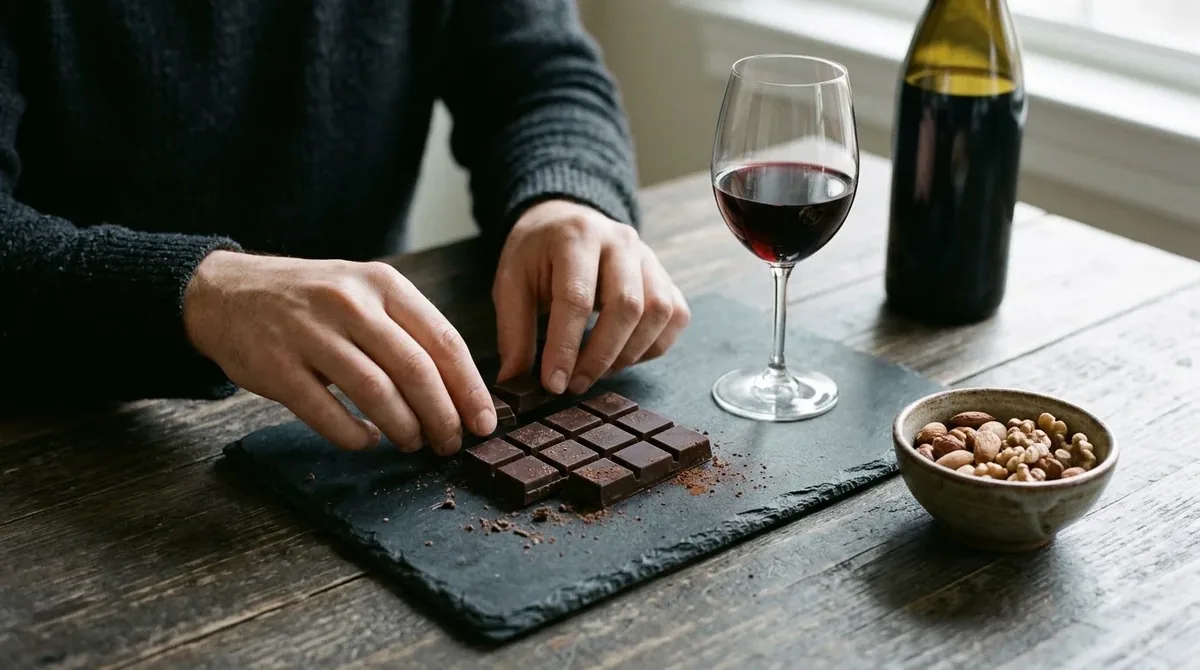
Sugar is the single biggest pitfall in dessert pairing. If a frosting, caramel sauce, or milk chocolate bar is sweeter than the Port, the wine will suddenly taste thin, hot, and overly alcoholic. Dark chocolate in the 65 to 80 percent cacao range avoids that trap by bringing roasted cocoa bitterness and moderate sweetness that harmonize with the wine’s black cherry, raisin, and spice tones. Break a high-quality dark chocolate bar into bite-sized shards rather than serving a heavy plated cake after a large dinner.
Baked desserts work best when they share the wine’s flavor family without overloading the palate with sugar. Flourless chocolate torte, dark chocolate brownies, black forest cake, and blackberry or plum galettes all bridge the gap between fruit and cocoa. While fruit-forward ruby port food pairing easily handles milk chocolate or berry coulis, vintage Port’s deeper grip shines alongside denser, darker cocoa preparations.
Approach ultra-bitter chocolate above 85 percent cacao with caution, as extreme astringency can combine with young Port tannins to leave a dry, chalky finish. Similarly, bright citrus desserts like lemon meringue tart clash with dark red fruit and feel much more at home with chilled white port food pairing.
Savory Dishes and Cheese Board Accompaniments
Although vintage Port is traditionally poured after dinner, younger bottles pair remarkably well with rich, gamey meats like seared duck breast, venison, and aged beef, as well as classic cheese board staples like walnuts, dried figs, and cured meats.
In savory dining, vintage Port acts much like a concentrated fruit reduction sauce in a glass. Reviewers at Decanter highlight seared or confit duck alongside vintage Port as a standout match, because the bird’s rendered fat and savory richness absorb the wine’s sweet berry depth and firm tannins. Roasted venison, wild boar, and dry-aged ribeye work on the same principle, especially when plated with a blackberry, cherry, or mushroom pan sauce.
Keep savory portions modest. Pouring a full glass of 20 percent ABV sweet wine throughout a heavy three-course meal quickly fatigues the palate, so treat a small two- to three-ounce pour as an accent for a rich game course or an intermezzo cheese plate.
On a grazing board, small pantry staples bridge the gap between cheese, wine, and meat:
- Walnuts and toasted pecans: Raw or lightly toasted walnuts carry gentle skin tannins that lock right into the structure of young and mid-aged vintage Ports.
- Dried figs, dates, and quince paste: Chewy dried orchard fruits mirror the concentrated plum and raisin notes that develop as vintage Port matures.
- Cured meats and liver pâté: Prosciutto, jamón ibérico, and rich duck or chicken liver pâté use fat and salt to temper the wine’s alcohol warmth.
Quick Vintage Port Food Pairing Reference
Use the table below to match different ages and styles of vintage Port with reliable savory, cheese, and dessert partners while avoiding common flavor clashes.
| Food Category | Best Matches | Why It Works | What to Avoid |
|---|---|---|---|
| Blue Cheeses | Stilton, Roquefort, aged Gorgonzola | High salt and pungent funk balance sweetness and match full body | Mild, low-salt fresh cheeses |
| Aged Hard Cheeses | Aged Gouda, mature Cheddar, Parmigiano-Reggiano | Crystalline texture and savory umami stand up to tannins | Washed-rind cheeses and tart fresh chèvre |
| Chocolate & Sweets | Dark chocolate (65–80% cacao), flourless chocolate cake, berry tart | Bittersweet cocoa echoes dark fruit without exceeding wine sweetness | Milk chocolate, sugary frosting, citrus tarts |
| Savory Meats & Game | Seared duck breast, venison, aged steak, liver pâté | Rich fat and gamey depth absorb sweet fruit and firm tannins | Spicy chili dishes, delicate white fish, bitter greens |
| Board Accompaniments | Walnuts, dried figs, medjool dates, quince paste | Nutty tannins and concentrated dried fruit mirror wine complexity | Pickled vegetables and sharp vinegar-dressed salads |
One category belongs strictly off the table regardless of bottle age: spicy chili-driven food. High alcohol amplifies the burning sensation of capsaicin, while residual sugar adds heaviness rather than relief, turning even mild heat into an uncomfortable distraction.
How to Serve Vintage Port for Maximum Flavor
Serve vintage Port slightly below room temperature at 60 to 64°F (16 to 18°C) in a small tulip-shaped wine glass, and always decant unfiltered bottles carefully to separate the clear wine from heavy bottle sediment.
Temperature makes or breaks the experience. Many people mistakenly pour Port at warm living-room temperatures, which emphasizes alcohol heat and makes the fruit taste heavy and flat. Chilling the bottle briefly in the refrigerator for 20 to 30 minutes before serving brings it into the ideal cellar-cool window of 60 to 64°F, keeping the aromatics lifted and the finish crisp.
Because vintage Port is bottled unfiltered after short wood aging, older bottles throw a thick crust of sediment along the side of the glass. Stand the bottle upright for at least 24 hours before opening so sediment settles to the bottom, then pour slowly in one steady motion into a clean decanter, stopping as soon as dark grit reaches the neck. Bottles under 40 years old generally benefit from two to three hours of air in the decanter, whereas fragile bottles older than 40 years should be decanted just 30 to 60 minutes before pouring.
Tip: Skip tiny, thimble-sized liqueur glasses—pour two to three ounces into a small tulip-shaped wine glass so you have enough bowl space to swirl and capture the wine’s layered aromatics.
Once opened, vintage Port oxidizes faster than wood-aged styles because it spent so little time exposed to air in barrel. Plan to finish the bottle within one to two days, storing any remaining wine recorked in the refrigerator and letting it warm slightly to cellar temperature before pouring again.
Frequently Asked Questions
Do you have to decant vintage Port before serving?
Yes, almost all vintage Port must be decanted because it is bottled without fining or filtration and develops heavy sediment as it ages. Stand the bottle upright for a day beforehand, then pour slowly into a decanter until sediment appears in the neck. Young bottles under 40 years old benefit from two to three hours of decanting, while bottles over 40 years old need only 30 to 60 minutes.
What temperature should vintage Port be served at?
Vintage Port is best served at cellar temperature, between 60 and 64°F (16 to 18°C), which is slightly cooler than a typical heated room. Serving it too warm makes the 20 percent alcohol taste sharp and heavy, while serving it straight from the refrigerator mutes its complex aromas. Putting the bottle in the fridge for about 20 minutes before decanting usually hits the sweet spot.
Can you pair vintage Port with a main course instead of dessert?
Yes, particularly when pouring a younger, fruit-driven vintage Port alongside rich, savory meats such as seared duck breast, roasted venison, or dry-aged beef. The fat and savory depth of game meats absorb the wine’s sweetness and tannins much like a fruit pan sauce. Keep portions to a small two- or three-ounce pour so the high alcohol does not overwhelm your palate mid-meal.
How long does an open bottle of vintage Port last?
Unlike Tawny Port, which can last several weeks after opening due to years of barrel oxidation, an open bottle of vintage Port is best enjoyed within one to two days. Very old bottles past 40 years can lose their delicate aromatics within hours of decanting. Store leftovers tightly stoppered in the refrigerator to slow down oxidation overnight.
Whether you set out a classic wedge of room-temperature Stilton with walnuts or shave dark chocolate beside a roaring fire, great vintage Port pairings rely on bold flavors and careful temperature control. Treat the bottle with a little patience in the decanter, keep portions modest, and let the interplay of salt, bitterness, and dark fruit do the rest.
More in Wine Types & Grapes
 What Does Mourvèdre Taste Like? Flavor Profile, Regions, and PairingsUpdated Nov 20, 2026
 What Does Marsanne Taste Like? Flavors, Styles, and Food PairingsUpdated Nov 20, 2026
 What Does Malvasia Taste Like? Styles, Flavors, and Food PairingsUpdated Nov 20, 2026
 What Does Grenache Blanc Taste Like? Flavor Profile, Styles, and PairingsUpdated Nov 20, 2026
 What Does Garnacha Taste Like? Key Flavors, Styles, and Pairing TipsUpdated Nov 20, 2026
 What Does Fruit Wine Taste Like? A Complete Flavor and Style BreakdownUpdated Nov 20, 2026