

We may earn a commission when you buy through links on this page, at no extra cost to you. Learn more.
Is Oyster Bay wine good? Yes, Oyster Bay is a good choice for approachable, fruit-forward New Zealand wines, particularly its crisp Marlborough Sauvignon Blanc. The brand offers several recognizable styles, including Sauvignon Blanc, Pinot Noir, Chardonnay, Merlot, and sparkling wine. Its main strengths are fresh fruit flavors, accessible drinking styles, and reliable everyday versatility, although individual vintages can receive mixed professional reviews.
Oyster Bay is particularly appealing if you enjoy wines with recognizable fruit flavors rather than heavily structured, complicated profiles. Its Sauvignon Blanc is the best-known bottle, but the wider range gives shoppers options for seafood dinners, casual gatherings, grilled meat, and relaxed evenings. The important distinction is that Oyster Bay is a producer with several different styles, not a single flavor profile. Choosing the right grape variety makes a considerable difference to your experience.
Who This Is For: Wine Drinkers Who Prefer Fresh, Approachable Bottles
Oyster Bay is a sensible choice for people who enjoy bright fruit, refreshing acidity, and wines that are easy to understand without extensive wine knowledge. Its Sauvignon Blanc is particularly suitable for drinkers who like citrus, passion fruit, green apple, and fresh herbal aromas. The style is recognizable and expressive, making it a useful introduction to New Zealand wine.
The brand is also worth considering if you want a few different varieties from one producer. A household that enjoys crisp white wine with seafood but also wants a lighter red for chicken or mushroom dishes can explore Sauvignon Blanc and Pinot Noir within the same range. Chardonnay and Rosé provide additional options for people who prefer softer fruit expressions or a different texture.
However, Oyster Bay is not automatically the right choice for every wine drinker. Someone who prefers rich, heavily oaked Chardonnay, powerful Cabernet Sauvignon, or complex reds designed for extended cellaring may find the range less interesting. Its general identity emphasizes fresh regional character and approachable fruit rather than maximum concentration, aggressive tannin, or elaborate oak influence.
It is especially suitable for these types of occasions:
- Casual dinners: Sauvignon Blanc works with seafood, salads, and lighter chicken dishes.
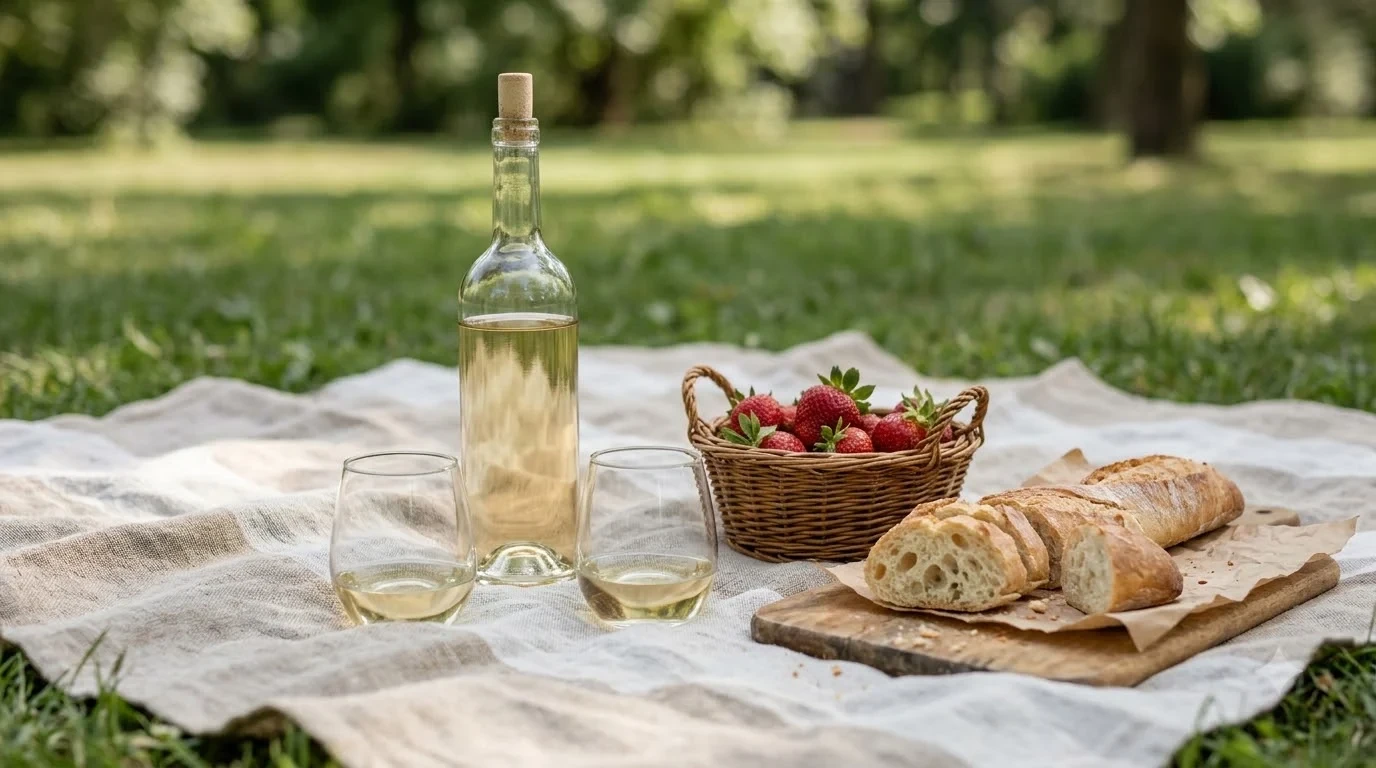
- Outdoor gatherings: Sauvignon Blanc and Rosé are refreshing choices when served properly chilled.
- Weeknight meals: Pinot Noir provides a lighter red option without the weight of a full-bodied Cabernet Sauvignon.
- Wine beginners: Recognizable citrus, tropical fruit, and cherry flavors make the different varieties relatively easy to understand.
- Mixed food menus: The range includes white, red, rosé, and sparkling styles for different dishes.
For a broader introduction to producers and regional styles, the Wine Brands resource can help put Oyster Bay into context. The main buying recommendation is to begin with the grape variety you already enjoy rather than assuming every bottle carrying the same label will taste alike.
Key Factors to Compare Before Choosing Oyster Bay
The most important factors are grape variety, flavor intensity, acidity, sweetness, alcohol level, and winemaking style. Oyster Bay’s Marlborough Sauvignon Blanc provides a useful reference point because its production details and tasting characteristics are clearly described by the producer and independent retailers.
According to the producer’s official Marlborough Sauvignon Blanc information, the wine undergoes slow, temperature-controlled fermentation and is bottled promptly to retain its fresh fruit aromas. Its fruit comes from Marlborough, where warm days and cool nights support the development of aromatic characteristics while preserving natural acidity.
The following comparison helps explain what to expect from the Sauvignon Blanc and how its basic specifications translate into drinking experience. The numerical details for the Sauvignon Blanc are from the SAQ’s product listing rather than specifications assumed to apply to every Oyster Bay wine.
| Factor | Oyster Bay Sauvignon Blanc | What It Means |
|---|---|---|
| Country | New Zealand | Cool-climate wine identity |
| Region | Marlborough | Fresh, aromatic style |
| Grape | Sauvignon Blanc | Bright citrus and herbal flavors |
| Bottle size | 750 ml | Approximately 5 standard 5 oz pours |
| Alcohol | 12% | Moderate alcohol for a table wine |
| Residual sugar | 4.5 g/L | Dry tasting profile |
| Oak influence | None | Fresh fruit remains the focus |
| Serving temperature | 43–46°F | Cool service preserves freshness |
| General style | Dry, aromatic white | Suitable for seafood and lighter dishes |
These specifications are useful because they show why the Sauvignon Blanc appeals to drinkers who prefer refreshing whites. A 12% alcohol level and 4.5 grams per liter of listed sugar support a dry, relatively light impression, while its acidity provides the freshness associated with Marlborough Sauvignon Blanc. The SAQ describes citrus, asparagus, freshly cut grass, and lemon among its aromas.
There is also a difference between technical quality and personal preference. A dry wine with pronounced acidity may be well made but still disappoint someone who prefers soft, sweet whites. Likewise, a wine with strong tropical fruit aromas may be enjoyable to one drinker and too aromatic for another. The best comparison is therefore between the bottle’s actual style and the kind of wine you normally enjoy.
One independent assessment illustrates why vintage matters. Wine Enthusiast awarded the 2025 Oyster Bay Sauvignon Blanc 84 points and described concerns about its aromatic integration and sulfur impressions. The publication classifies 83–86 points as good, suitable for everyday drinking, often with good value. This is a more measured assessment than assuming every vintage will receive uniformly enthusiastic reviews.
Step-by-Step: How to Choose the Right Oyster Bay Bottle
Choosing an Oyster Bay wine becomes easier when you start with the food, decide between white and red, and then consider the grape variety. A few practical decisions can prevent the common mistake of buying a bottle simply because the brand name is familiar.
-
Decide whether you want white, red, rosé, or sparkling wine.
For seafood and warm-weather meals, start with Sauvignon Blanc or Rosé. For chicken, mushrooms, and lighter meat dishes, consider Pinot Noir. Chardonnay offers a fuller white option, while sparkling wines suit celebrations and appetizers.
-
Choose a flavor profile that matches your preferences.
Passion fruit, grapefruit, lemon, and fresh herbs point toward Sauvignon Blanc. Dark cherry and black plum indicate the Pinot Noir style. White peach, citrus, and a creamier texture are associated with Chardonnay. People who prefer softer red fruit and plum flavors may enjoy Merlot.
-
Decide how much acidity you enjoy.
Sauvignon Blanc is naturally high in acidity, so it can taste particularly lively. Chardonnay generally has medium acidity, while Pinot Noir combines relatively low-to-medium tannin with good acidity. If you dislike sharp, citrus-driven whites, consider Chardonnay instead.
-
Consider sweetness carefully.
Oyster Bay Marlborough Sauvignon Blanc is dry rather than sweet. Its tropical fruit aromas can create an impression of sweetness even though the wine itself is not a dessert-style white. If you want noticeable sweetness, investigate the specific wine rather than assuming a fruity aroma means residual sugar.
-
Match the bottle to your meal.
Pair Sauvignon Blanc with oysters, shrimp, grilled fish, and goat cheese. Pinot Noir is a natural option for roast chicken, salmon, and mushroom dishes. Chardonnay works with roasted poultry and creamy seafood preparations, while Merlot can accompany burgers and grilled beef.
-
Check the vintage and product details.
Different harvest conditions can influence fruit ripeness, acidity, and aromatic intensity. Independent reviews may also evaluate individual vintages differently, so consider the specific bottle rather than treating the producer’s entire range as identical.
-
Plan how you will serve the wine.
Chill Sauvignon Blanc to approximately 45–50°F, serve full-bodied Chardonnay around 50–55°F, and allow Pinot Noir to warm slightly to 55–60°F. Serving temperature can make a noticeable difference to aroma, acidity, and overall balance.
This process is particularly useful when buying wine for guests. A bottle of Sauvignon Blanc may be an excellent choice for someone who loves citrus-driven whites but less appealing to a guest who prefers rounded, buttery Chardonnay. Knowing the intended drinking style is more useful than relying on a familiar label alone.
Tip: If you are buying Oyster Bay for the first time, start with Marlborough Sauvignon Blanc. It is the producer’s signature style and provides a clear introduction to the fresh, aromatic character associated with the brand. If you already know that you prefer red wine, choose Pinot Noir instead.
For a closer look at its signature white, the Oyster Bay Sauvignon Blanc article provides a more focused starting point. That is a useful next step if the citrus-driven New Zealand style is the main reason you are considering the producer.
Types and Styles Explained: What Does Oyster Bay Offer?
Oyster Bay produces several grape varieties and wine styles, with Marlborough and Hawke’s Bay serving as important production locations. Sauvignon Blanc is the most recognizable option, but Pinot Noir, Chardonnay, Pinot Gris, Merlot, Rosé, and sparkling wines give shoppers a wider selection.
According to the producer’s FAQ, Sauvignon Blanc, Pinot Noir, Rosé, and Chardonnay are produced at its Marlborough winery. Merlot, Pinot Gris, and sparkling wines are produced at its Hawke’s Bay winery. This distinction is helpful because the wines are not all intended to express exactly the same regional character.
Sauvignon Blanc: The Signature White
Oyster Bay Marlborough Sauvignon Blanc is the natural first bottle to consider. Its defining characteristics include passion fruit, grapefruit, lemon, green apple, and herbal freshness. The wine is dry, aromatic, and refreshing, with acidity that makes it especially useful at the dinner table.
The production approach supports that profile. Oyster Bay describes careful handling of individual vineyard parcels, gentle pressing, clarified juice, and slow, temperature-controlled fermentation. The Sauvignon Blanc is not oak-aged, allowing its citrus and tropical fruit character to remain prominent rather than taking on obvious vanilla or toasted wood flavors.
Its strongest food matches include oysters, shrimp, white fish, grilled asparagus, and salads with citrus-based dressings. The acidity also makes it useful with dishes containing lemon or vinegar, because wine generally works better with acidic food when it has comparable or higher acidity.
Pinot Noir: A Lighter Red Option
Oyster Bay Marlborough Pinot Noir offers a different experience from the bright white wines. The producer describes fragrant dark cherry, juicy black plum, and an elegant, silky texture. It also uses a combination of barrel and tank fermentation, followed by maturation in new and older French oak.
Pinot Noir generally has lower tannin than Cabernet Sauvignon and is often a good match for meals where a powerful red would overwhelm the food. Try it with roast chicken, mushroom dishes, grilled salmon, or pork. Its fruit character and softer structure make it an approachable introduction to lighter New Zealand reds.
Chardonnay: A Fuller White
Chardonnay is worth considering if you want a white wine with more texture than Sauvignon Blanc. Oyster Bay describes its Marlborough Chardonnay through white peach, vibrant citrus, lime zest, and a creamy texture. These characteristics suggest a rounder experience while retaining recognizable fruit freshness.
It can accompany roast chicken, grilled seafood, and pasta with cream-based sauces. Chardonnay is also a practical choice for people who find highly aromatic Sauvignon Blanc too sharp or herbal. However, its medium acidity generally produces a different balance from the more intensely refreshing Sauvignon Blanc.
Merlot and Pinot Gris: Alternative Everyday Styles
Oyster Bay Hawke’s Bay Merlot is described through bright cherry, rich plum, subtle spice, and a soft texture. Merlot typically has medium tannin and a gentler impression than Cabernet Sauvignon, which makes it suitable for burgers, roasted meat, and tomato-based pasta dishes.
The Hawke’s Bay Pinot Gris provides another white option. Its described characteristics include summer florals, subtle spice, and refreshing citrus. It can be a useful alternative for someone who wants an aromatic white without choosing the more pronounced passion fruit and grassy character of Marlborough Sauvignon Blanc.
Rosé and Sparkling Wine
Oyster Bay Marlborough Rosé combines summer blossom, red berry fruit, refreshing citrus, and an elegant texture. It suits casual lunches, appetizers, grilled vegetables, and lighter summer dishes. Its freshness makes it particularly useful when a red wine feels too heavy but a conventional white is not quite what you want.
The sparkling range includes Cuvée Brut and Cuvée Rosé. Brut is the more suitable choice for drinkers who prefer a dry sparkling style, while sparkling Rosé brings red-fruit aromas into the experience. Both can work as aperitifs or alongside appetizers and seafood.
These distinctions make the range easier to understand: Sauvignon Blanc for bright acidity, Pinot Noir for lighter red fruit, Chardonnay for a fuller white, Merlot for softer red structure, and sparkling wine for celebratory occasions.

Common Mistakes When Buying and Drinking Oyster Bay
Most disappointing experiences with Oyster Bay come from mismatched expectations rather than the brand itself. Understanding sweetness, acidity, vintage variation, and serving temperature helps you make a more informed choice.
Assuming Fruity Means Sweet
One of the biggest misconceptions about Sauvignon Blanc is that tropical fruit aromas indicate a sweet wine. Oyster Bay Sauvignon Blanc can smell strongly of passion fruit, grapefruit, and ripe citrus while still tasting dry. Aromatic intensity and residual sugar are different characteristics.
The producer explicitly describes its Sauvignon Blanc as dry, and the SAQ lists 4.5 grams per liter of sugar for its product listing. This makes it a better fit for people who enjoy crisp white wine than for those seeking a sweet, dessert-style bottle.
Expecting Every Vintage to Taste Identically
Wine is an agricultural product, and weather conditions change between growing seasons. Temperature, rainfall, harvest timing, and grape maturity can influence acidity and fruit expression. A bottle from one vintage may taste more citrus-driven, while another may show riper tropical fruit.
Independent reviews demonstrate that vintage differences should be taken seriously. Wine Enthusiast’s assessment of the 2025 Sauvignon Blanc was more critical than the producer’s promotional description might suggest. Neither a favorable award nor one unfavorable review should be treated as a complete judgment of every bottle from the producer.
Serving Sauvignon Blanc Too Warm
White wine served too warm can seem less refreshing, with its alcohol and aromatic intensity becoming more noticeable. Sauvignon Blanc generally benefits from a serving temperature of 45–50°F. Chilling it too aggressively, however, can make its aromas difficult to appreciate.
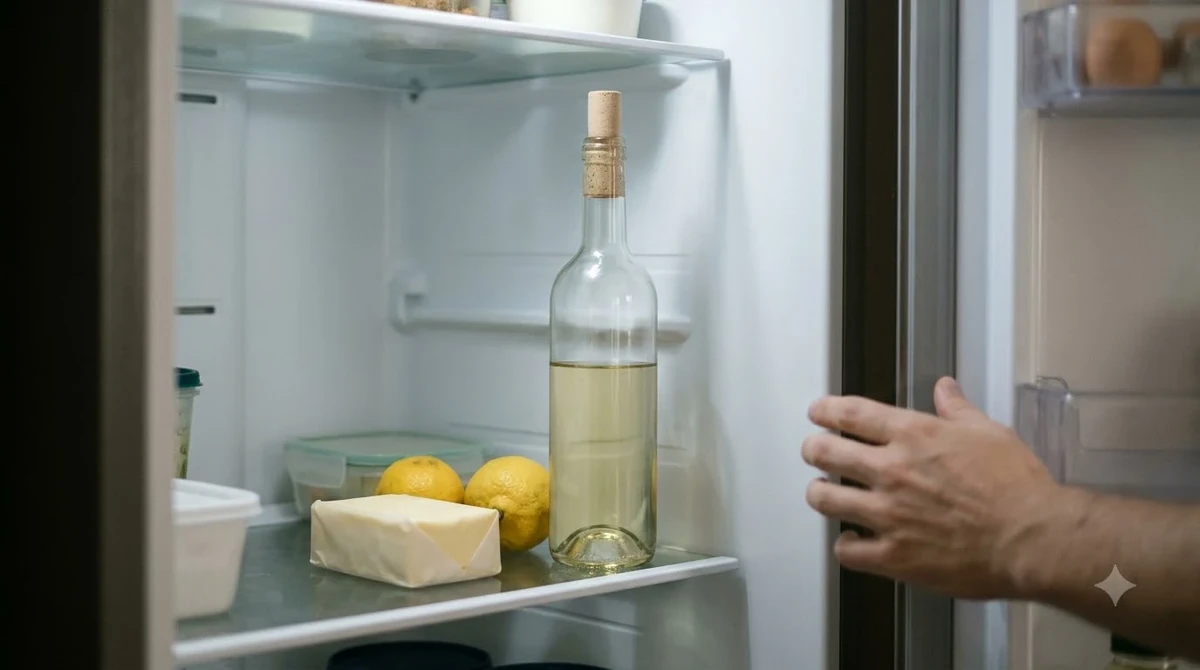
Remove the bottle from the refrigerator briefly if it is extremely cold, and allow it to warm slightly in the glass. This gives citrus, tropical fruit, and herbal aromas a better opportunity to develop.
Pairing High-Acid Wine With the Wrong Food
Sauvignon Blanc’s refreshing acidity makes it useful with seafood, salads, and dishes containing citrus. However, rich sauces, very sweet foods, and intensely spicy meals can change the balance. Food that is substantially sweeter than a dry wine can make the wine seem sharper or more acidic.
For spicy dishes, be particularly careful with alcohol and tannin. Both can intensify the perception of chili heat. Sauvignon Blanc is generally a more suitable starting point than a tannic Syrah or Cabernet Sauvignon, although the actual alcohol level and seasoning still matter.
Choosing a Red Simply Because It Is More Expensive or Full-Bodied
A fuller wine is not automatically better for every meal. Oyster Bay Pinot Noir is designed around a softer, more elegant fruit profile than a highly tannic Cabernet Sauvignon. It can therefore be a better choice for poultry, mushrooms, and lighter meat preparations.
Likewise, a rich red may overpower delicate seafood. Oily fish can also clash with tannic reds, so Sauvignon Blanc or Chardonnay is generally a more dependable direction for fish dishes.
The most reliable approach is to select the bottle based on its grape variety and intended drinking style. A suitable wine should complement the meal and your preferences rather than simply having the strongest flavors or most impressive description.
Care and Storage Tips for Better Drinking
Correct storage and serving conditions help preserve Oyster Bay’s fresh fruit character, especially in aromatic whites such as Marlborough Sauvignon Blanc. Most of the range is intended to be enjoyed while its primary fruit flavors remain lively, rather than being purchased specifically for long-term cellaring.
Store Unopened Bottles Properly
Keep unopened bottles in a cool, dark location with a relatively stable temperature. A storage temperature near 55°F is a useful target for general wine storage. Avoid placing wine beside an oven, heating appliance, or sunny window, where repeated temperature changes can affect quality.
Bottles with traditional cork closures are generally best stored horizontally so the cork remains in contact with the wine. Screw-cap bottles do not require horizontal storage for cork-moisture reasons, although keeping them on their side can still be a convenient arrangement.
For Sauvignon Blanc and Rosé, avoid keeping bottles in warm kitchen cabinets for extended periods. These styles are valued for fresh aromas, so excessive heat and prolonged storage are not helpful.
Use the Right Serving Temperature
Serving temperature is one of the easiest ways to improve the experience without changing the wine itself. The following ranges provide practical starting points for Oyster Bay’s different styles.
- Sparkling Cuvée: 40–50°F.
- Sauvignon Blanc: 45–50°F.
- Pinot Gris: 45–50°F.
- Rosé: 45–50°F.
- Chardonnay: 50–55°F.
- Pinot Noir: 55–60°F.
- Merlot: 60–65°F.
These temperatures are starting points rather than rigid requirements. A chilled Sauvignon Blanc can be poured directly into a standard white wine glass, while Pinot Noir benefits from slightly warmer service so its cherry, plum, and oak-related aromas can develop.
Handle Opened Bottles Carefully
Once a bottle is opened, oxygen begins changing the wine. Replacing the closure promptly and refrigerating leftover wine slows this process. Oyster Bay’s FAQ states that its white and rosé wines can last up to five days after opening when correctly sealed and stored. Its red wines can last up to three days.
These are practical upper guidelines rather than guarantees that every bottle will taste identical throughout that period. Sauvignon Blanc may gradually lose some of its fresh citrus and tropical aromas, while Pinot Noir can become less expressive as it oxidizes. If the wine develops an unpleasant smell or noticeably deteriorates in flavor, it is better not to continue serving it.
Use Appropriate Glassware and Pour Sizes
A standard wine glass is sufficient for enjoying most Oyster Bay wines. A narrower white wine glass can help retain Sauvignon Blanc’s aromatic freshness, while a larger bowl gives Pinot Noir more room to release its red-fruit and subtle oak aromas.
A standard 5 oz pour is a useful serving reference. A 750 ml bottle contains approximately five such glasses, making it straightforward to plan a dinner for four or five people. Avoid filling glasses to the rim, because leaving space allows aromas to collect above the wine.
Decanting is generally unnecessary for Oyster Bay Sauvignon Blanc, Rosé, and sparkling wines. Young Pinot Noir may benefit from a short period of exposure to air if it seems closed, but extended decanting is rarely necessary for this approachable style.
Frequently Asked Questions
Is Oyster Bay considered a premium wine brand?
Oyster Bay describes its winemaking focus as producing Super Premium wines that capture the character of New Zealand. This is the producer’s own positioning rather than a guarantee that every bottle will receive the same independent assessment. Its range is best understood through individual varieties, vintages, and tasting preferences.
Is Oyster Bay wine suitable for a dinner party?
Yes. Its different varieties make it possible to offer several styles without choosing wines from multiple producers. A 750 ml bottle provides approximately five standard 5 oz pours, which is a convenient planning figure for a small gathering.
Does Oyster Bay produce organic wine?
The producer’s standard product descriptions do not establish that every Oyster Bay bottle is certified organic. Organic certification is a specific production and labeling claim, not something that should be inferred from a winery’s general environmental or vineyard practices. Look for an explicit certification on the individual product if this distinction matters to your purchase.
Can Oyster Bay Sauvignon Blanc be used in wine cocktails?
Yes. Its dry profile and citrus-driven character can work in simple white wine spritzers and light wine-based punches. Combine it with sparkling water, citrus slices, and fresh herbs for a refreshing drink. Avoid adding too much sweet mixer, which can overwhelm its natural acidity.
Does Oyster Bay offer winery tours and tastings?
According to the producer’s FAQ, Oyster Bay does not currently operate vineyard or winery tours and tastings. Its stated focus is producing wines for consumers around the world rather than operating a public tasting experience. Travelers interested in visiting Marlborough should investigate other wineries in the region for tasting opportunities.
Oyster Bay is a worthwhile brand to consider if you enjoy fresh, fruit-forward New Zealand wines, particularly dry Sauvignon Blanc with bright citrus and tropical fruit character. Start with the Marlborough Sauvignon Blanc if you prefer crisp whites, or explore Pinot Noir, Chardonnay, and Merlot according to your food preferences. The best bottle is the one whose acidity, body, and flavor profile suit the occasion rather than the one with the most impressive description.
More in Wine Brands
 Louis Latour Wine Price: Compare Bottles by Style and TierUpdated Nov 20, 2026
 Yellow Tail Moscato Price: What to Expect Before You BuyUpdated Nov 20, 2026
 Sutter Home Sweet Red Review: Find the Right Food PairingsUpdated Nov 20, 2026
 Franzia Chillable Red Review: Find the Right Serving StyleUpdated Nov 20, 2026
 Veuve Clicquot Rose Review: Flavor, Food Pairings and Buying AdviceUpdated Nov 20, 2026
 Rombauer Wine Price: Compare Bottles Before You BuyUpdated Nov 20, 2026