

We may earn a commission when you buy through links on this page, at no extra cost to you. Learn more.
Hawkes Bay wineries are the wine estates of New Zealand’s Hawke’s Bay region on the east coast of the North Island. The region is the country’s second largest wine area after Marlborough, and it is best known for red blends, Chardonnay and Syrah. Most of the estates sit within a short drive of Napier and Havelock North, so a visit can cover several cellar doors in one day.
This guide explains how the region is laid out, which grape varieties define its wines, how its climate shapes the bottles, and what to plan before visiting. Both “Hawkes Bay” and the official “Hawke’s Bay” spelling appear in search and on travel listings, and both refer to the same wine country.
What Hawkes Bay wineries are known for
Hawke’s Bay has one of the longer wine histories in New Zealand. According to the New Zealand Wine profile of the region, vines were first planted there in 1851 by Marist missionaries. The regional tourism site describes Hawke’s Bay as a “Great Wine Capital of the world,” a status it shares with Bordeaux, Napa Valley, Mendoza and South Australia. That label points to the range of styles rather than to any single signature wine.
The region’s wineries range from established family estates to smaller boutique producers. Many offer cellar door tastings, and the tourism site lists more than thirty places to visit. Visitors who want a quick overview often start with the red blends and then move to the whites from the coastal sites.
Sub-regions and soils that shape the wines
Hawke’s Bay is not one uniform vineyard area. Regional sources divide it into several zones, each with different soils, altitude and exposure, and wineries often label their bottles by sub-region when the fruit comes from a specific site.
The coastal areas, including Bay View in the north and Te Awanga in the south, have gravelly soils that are known for premium Chardonnay and early-ripening reds, including Pinot Noir. Hillside vineyards around Havelock North, Maraekakaho and Bay View are planted mostly to red varieties, and producers use the differences in soil and altitude to separate their blocks. On the alluvial plains between Havelock and Napier, free-draining soils and stony terraces support the pioneering vineyards at Taradale and Meeanee, as well as the Gimblett Gravels and the Bridge Pa Triangle. The same regional profile describes these two areas as home to some of the region’s best wines.
Further inland, Central Hawke’s Bay sits at up to about 300 metres above sea level. The cooler conditions there suit Sauvignon Blanc, Pinot Gris and Pinot Noir.
Key grape varieties and wine styles
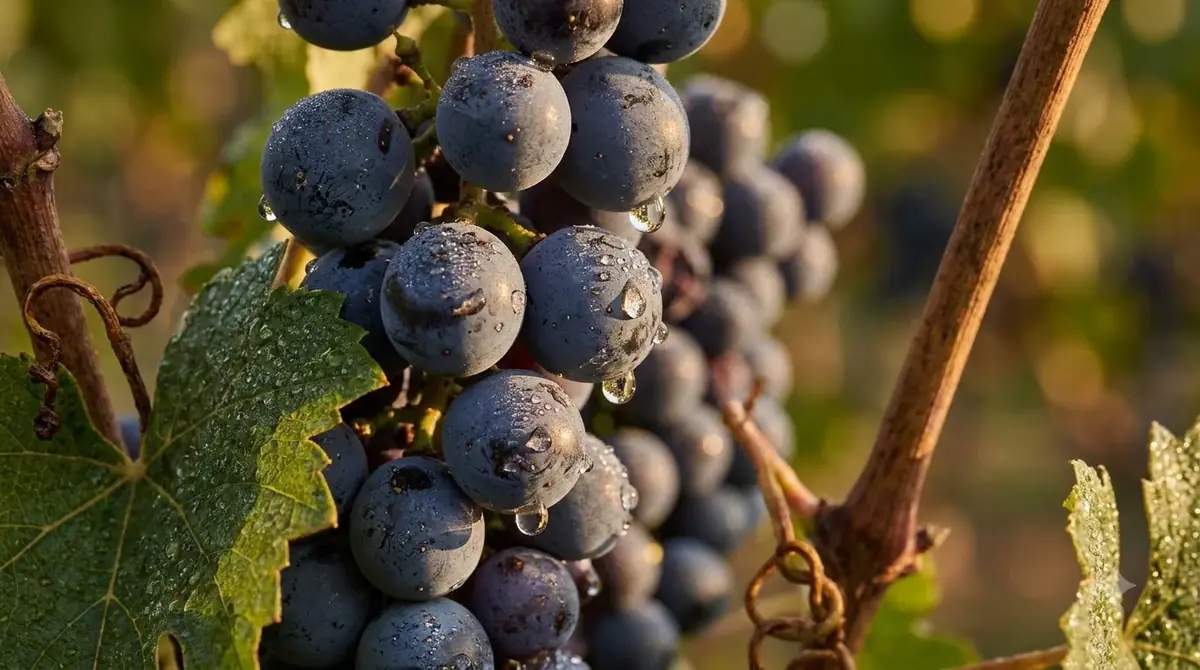
Red blends and Chardonnay carry the reputation of the region, but the range is wider than that. The table below summarizes how regional sources describe the main varieties and what to expect in the glass.
| Variety | Typical style | Where it does well |
|---|---|---|
| Chardonnay | Full-bodied and lengthy, with acidity that balances the richness | Higher-altitude river valley and coastal sites |
| Sauvignon Blanc | Tropical, ripe and bold; early-picked versions are lighter, herbaceous and zesty | Central Hawke’s Bay and cooler inland blocks |
| Syrah | Perfumed and elegant, with ripe fruit, supple tannins and lingering spice | Gimblett Gravels and the Bridge Pa Triangle |
| Pinot Noir | Cherry, berry and plum notes with floral and spice aromas, soft tannins | Coastal gravels and higher-altitude sites |
| Pinot Gris | Aromatic and spicy, with balanced acidity and good body | Cooler inland sites |
| Cabernet Sauvignon and Merlot | Structured, dark-fruited reds; Merlot needs drier vintages for its fleshiest character | Sheltered, sunny plains sites |
When you read a label, a region-level name such as Hawke’s Bay usually signals a blend or a varietal from several sites. A sub-region name signals a more specific place, and the producer’s notes will often explain how the soil or altitude affects the taste.
The region’s Chardonnay deserves a closer look because it shows the range within one variety. Regional sources single out premium Chardonnay from the coastal gravels and from higher-altitude river valley sites, and tasting the two side by side is one of the easiest ways to see how a single grape changes with place. Pinot Noir shows a similar range, from savory to earthy, depending on the site and the vintage.
Syrah is the other variety that repays a focused tasting. Regional sources describe it as perfumed and elegant, with ripe fruit, supple tannins and a lingering spice finish. Wines from the Gimblett Gravels and the Bridge Pa Triangle are often the first place visitors look for it, and many producers offer a vertical or a comparison flight that puts a Syrah beside a red blend from the same estate.
Tip: If you are new to the region, compare a Chardonnay from a river valley site with one from the coast. The difference in acidity and texture is one of the clearest ways to see how Hawkes Bay sub-regions vary.
Climate and what it means for the bottle
The region has a temperate climate with plenty of sunshine. Its coastal areas feel the strongest influence of that climate and enjoy a long growing season, which gives fruit extra time to develop flavor before harvest.
The climate also explains why Merlot is considered a challenge. Regional sources say it can be difficult in this climate, while drier years produce fleshy, flavorful wines from carefully chosen sites. Producers often respond by blending or by focusing on varieties that thrive in the local conditions. Because the sunshine is generous and the coastal areas have a long growing season, many vineyards can ripen fruit slowly without losing acidity, which helps explain the freshness that visitors often note in the whites. Regional sources do not publish a single planted-area figure for the whole district, so the best way to see the scale is to look at the number of estates and the range of their labels.
Planning a visit to Hawkes Bay wineries
A first visit works best when you choose a single sub-region rather than trying to cover the whole district. Napier, Havelock North and the Bay View and Te Awanga coastal roads are close enough to combine in a day, while Central Hawke’s Bay is a longer drive and suits a separate trip.
With more than thirty cellar doors to choose from, it helps to shortlist estates in advance, especially on weekends. If you plan to taste at several places, arrange a driver or a tour, and keep water and food on hand. The regional tourism site is a useful starting point for planning the route. For more background before you travel, the wine regions guide explains how sub-regions and labeling work in other countries as well.
Plan for a relaxed pace. Tastings are usually short, but moving between sub-regions takes time, and many visitors find that two or three estates in one area is enough for a day. Ask each cellar door which wines are poured by the glass and which are only available by the bottle, so you can compare fairly. Keep notes on the varieties you liked, because a clear list makes it easier to choose bottles to take home or to ask for at a restaurant later.
Frequently Asked Questions
How many wineries are there in Hawkes Bay?
Tourism material for the region refers to more than thirty cellar doors that visitors can choose from. The exact number changes as new estates open and others close, so check the current list before you travel.
Which grape is Hawkes Bay best known for?
The region is best known for red blends and Chardonnay, according to regional wine sources. Syrah is also widely praised for its perfume and elegance, and Sauvignon Blanc from Central Hawke’s Bay is a strong option for white wine drinkers.
Is Hawkes Bay good for a day trip from Napier?
Yes. Many estates sit within a short drive of Napier and Havelock North, so a day can include several tastings and a restaurant lunch. A driver or guided tour is a practical choice if you plan to taste more than a few wines.
What is the difference between Hawke’s Bay and Hawkes Bay?
There is no difference in the place. The official spelling used by the regional wine and tourism bodies is Hawke’s Bay, while “Hawkes Bay” is a common variant in search and on some travel listings.
Hawkes Bay rewards visitors who take time to compare sub-regions and varieties. Start with the coast, move to the river valleys and plains, and finish with a Syrah or red blend from the Gimblett Gravels. Once you know which style you prefer, the Hawkes Bay wine guide covers the bottles in more detail.
More in Wine Regions
 Willcox Wine Trail: Discover Arizona’s High-Elevation Wine CountryUpdated Nov 20, 2026
 Yakima Valley Wine Region: Find the Best Styles to TryUpdated Nov 20, 2026
 Vosne Romanee Wine Tasting: Identify Aromas and Choose Better PairingsUpdated Nov 20, 2026
 Yakima Valley Wine Festival: Find the Best Seasonal Wine EventsUpdated Nov 20, 2026
 Wales Vineyards: Discover Cool-Climate Wines and Where to VisitUpdated Nov 20, 2026
 Yountville Wine Festival: Discover Napa Wines and Local FoodUpdated Nov 20, 2026