

We may earn a commission when you buy through links on this page, at no extra cost to you. Learn more.
is bogle chardonnay good? Yes, Bogle Chardonnay is a good choice for everyday white wine drinkers who enjoy ripe apple and pear flavors, a rounded texture, and noticeable American oak influence. Its combination of fruit, vanilla, baking spice and moderate freshness makes it approachable with familiar foods such as roasted chicken, grilled fish and mild cheeses. However, its relatively full body and higher alcohol level may disappoint shoppers looking for a particularly light, crisp or delicate Chardonnay.
Bogle Family Vineyards makes a recognizable California Chardonnay style that combines orchard fruit with creamy texture and oak-derived flavors. It is designed to appeal to people who appreciate a richer white wine rather than a sharply acidic, mineral-driven bottle. Understanding its sweetness, acidity, alcohol content and winemaking approach makes it easier to decide whether this is the right bottle for your table. This guide examines what the wine offers, who will appreciate it, and how to choose and serve it.
Who Should Buy Bogle Chardonnay?
Bogle Chardonnay is best suited to drinkers who enjoy approachable California white wines with ripe fruit, a rounded mouthfeel and some oak character. It is particularly appealing for casual dinners, relaxed gatherings and meals where a medium-to-full-bodied white wine works better than a very light alternative.
One of its main attractions is its recognizable flavor profile. The importer describes green apple and pear aromas accompanied by honeycomb and vanilla. These familiar characteristics make the wine accessible to people who do not necessarily want complicated tasting experiences. The richer texture also gives it enough presence to accompany substantial dishes without requiring an elaborate menu.
The wine is particularly appropriate for the following drinkers:
- Fans of oaked Chardonnay: The combination of American oak, vanilla, baking spices and creamy texture suits people who prefer a richer white wine.
- Everyday wine drinkers: Its familiar apple and pear character makes it an uncomplicated option for ordinary dinners and informal entertaining.
- People who enjoy fuller whites: The round texture and relatively high alcohol content give the wine more weight than a light-bodied, crisp white.
- Hosts planning versatile meals: Its fruit and oak characteristics work with roasted chicken, mushrooms, mild cheeses and grilled seafood.
- Chardonnay newcomers: Its recognizable fruit flavors and approachable style provide a useful introduction to oak-influenced California Chardonnay.
However, Bogle is not an ideal match for everyone. Drinkers who prefer lean Chablis, unoaked Chardonnay or very crisp Sauvignon Blanc may find it too rich. Its 14% to 14.5% ABV across the reviewed 2023 and 2024 vintages is also worth considering if a lower-alcohol white wine is the priority.
People who strongly dislike vanilla, buttery impressions or toasted oak should also consider a different style. The wine’s appeal depends partly on these characteristics, even though the fruit and acidity help prevent the overall profile from becoming one-dimensional.
If you already enjoy California Chardonnay but want to understand this particular bottle in greater detail, the Bogle Chardonnay overview provides a useful starting point for comparing its characteristics and choosing a suitable vintage.
Key Factors to Compare Before Buying Bogle Chardonnay
The most important buying considerations are flavor intensity, oak influence, body, dryness and alcohol content. These characteristics determine whether Bogle’s California style fits your preferences better than a lighter or more acidic Chardonnay.
| Factor | What to Expect | What It Means for Buyers |
|---|---|---|
| Grape variety | 100% Chardonnay | Classic varietal white wine character |
| Origin | California, USA | Ripe orchard fruit and approachable style |
| Fruit flavors | Green apple, pear and apricot | Familiar, fruit-forward profile |
| Oak influence | American oak in the traditional style | Vanilla, toast and baking spice |
| Fermentation | 50% barrel and 50% stainless steel in the described winemaking approach | Combines richness with fresher fruit character |
| Alcohol | 14% to 14.5% ABV in the reviewed vintages | Relatively substantial for a white wine |
| Bottle size | 750 ml | Approximately five standard 5 oz pours |
| Overall style | Medium-to-full-bodied impression | Better for richer meals than delicate dishes |
These details reflect the standard Bogle Chardonnay information and the specific vintages reviewed by Wine Enthusiast and Wine.com. Winemaking details and alcohol levels can differ between releases, so comparing the actual vintage is important rather than assuming every bottle has identical specifications.
Fruit and flavor intensity
Green apple and pear are the most recognizable starting points. Depending on the vintage and tasting description, additional characteristics include yellow plum, apricot, peach, citrus, cinnamon and nutmeg. These flavors create a combination of fresh orchard fruit and warmer, more mature fruit impressions.
The 2024 vintage received 91 points from Wine Enthusiast. Its review identifies Golden Delicious apple, yellow plum, Seville orange and nutmeg, alongside green apple, pear, cinnamon, caramel and toasted oak aromas. The Wine Enthusiast review of the 2024 Bogle Chardonnay provides additional vintage-specific tasting details and professional evaluation.
The 2023 vintage received 92 points from the same publication, with baked pear, Pink Lady apple, lemon rind and brioche among its described characteristics.
Those professional reviews indicate that the wine can deliver considerable flavor for its approachable category. They also show why vintage-specific tasting descriptions are more useful than expecting every release to taste exactly the same.
Oak and texture
Oak is an important part of the traditional Bogle Chardonnay identity. The importer describes the wine as having honeycomb and vanilla characteristics, while Wine.com’s winemaker notes explain that the 2022 vintage used a combination of American oak and stainless-steel fermentation.
Oak fermentation contributes warmer flavors and a rounder impression, while stainless steel helps preserve the fruit’s freshness. The result is not a completely neutral or purely citrus-driven Chardonnay. It is intended to combine recognizable fruit with a richer, more developed texture.
Alcohol and dryness
Alcohol content deserves attention because Bogle Chardonnay is relatively substantial for a white wine. The reviewed 2023 vintage is listed at 14% ABV, while the 2024 vintage is listed at 14.5% ABV by Wine Enthusiast. Wine.com also lists 14.5% ABV for its 2022 bottle.
High alcohol does not automatically mean a wine is sweet. Sweetness describes residual sugar, while alcohol describes the amount of ethanol in the finished wine. Bogle Chardonnay is generally approached as a dry-style California Chardonnay, with ripe fruit flavors that may create an impression of sweetness without necessarily indicating substantial residual sugar.
For a closer breakdown of the figures and what they mean in practical terms, see the guide to Bogle Chardonnay alcohol content.
Step-by-Step: How to Choose and Enjoy a Bottle
Choosing Bogle Chardonnay becomes easier when you work through the vintage, style, alcohol level and serving conditions in order. A few simple checks can help prevent disappointment, especially if you are buying it for someone with particular white wine preferences.
-
Decide whether you enjoy oak-influenced Chardonnay.
Think about whether you like vanilla, toasted bread, butter and baking spices in white wine. If you regularly enjoy richer California Chardonnay, Bogle’s flavor direction is likely to suit you. If your preference is sharp citrus, green herbs and pronounced mineral notes, a leaner style may be more appropriate.
-
Identify the vintage.
Different vintages can have different alcohol levels and flavor expressions. Wine Enthusiast describes the 2023 release with baked pear, brioche and lemon rind, while its 2024 review identifies Golden Delicious apple, yellow plum and toasted oak. These differences matter if you are choosing based on a particular flavor preference.
-
Check the alcohol content.
Look for the ABV information when comparing bottles. The reviewed 2023 and 2024 releases are listed at 14% and 14.5%, respectively. If you want a lighter drinking experience, compare these figures with alternative white wines before making a decision.
-
Consider what you plan to eat.
Choose the wine for a meal that can accommodate its body and oak influence. Roasted chicken, creamy vegetable dishes, grilled fish and mild cheeses are sensible starting points. Very delicate seafood or intensely acidic dishes may call for a different wine.
-
Chill the bottle before serving.
Place the bottle in the refrigerator ahead of dinner. A temperature around 50 to 55 degrees Fahrenheit is a useful target for fuller-bodied white wines. Avoid serving it extremely cold because excessive chilling can mute the fruit and oak aromas.
-
Use an appropriate glass.
A standard white wine glass with a moderately wide bowl provides enough room for the apple, pear, vanilla and spice aromas to develop. A very narrow glass can make a fuller Chardonnay feel less expressive.
-
Pour a measured serving and assess the wine.
A standard wine serving is approximately 5 oz. Let the wine warm slightly in the glass, then consider its fruit, acidity, oak character and finish. This is a practical way to determine whether the style suits your preferences before choosing another bottle.
Tip: Remove Bogle Chardonnay from the refrigerator shortly before serving and aim for approximately 50 to 55 degrees Fahrenheit. This temperature allows its fruit and oak characteristics to show without making the wine feel overly warm.
These steps also help when selecting wine for guests. A bottle with recognizable apple and pear flavors is generally approachable, but its oak influence and fuller body should be considered when serving people who normally prefer crisp, light white wines.
Bogle Chardonnay Styles and Flavor Characteristics Explained
Understanding the major Chardonnay styles helps explain where Bogle fits. Its standard California expression is closer to the ripe, oak-influenced end of the Chardonnay spectrum than to the lean, high-acid styles associated with cooler European regions.
Oaked Chardonnay
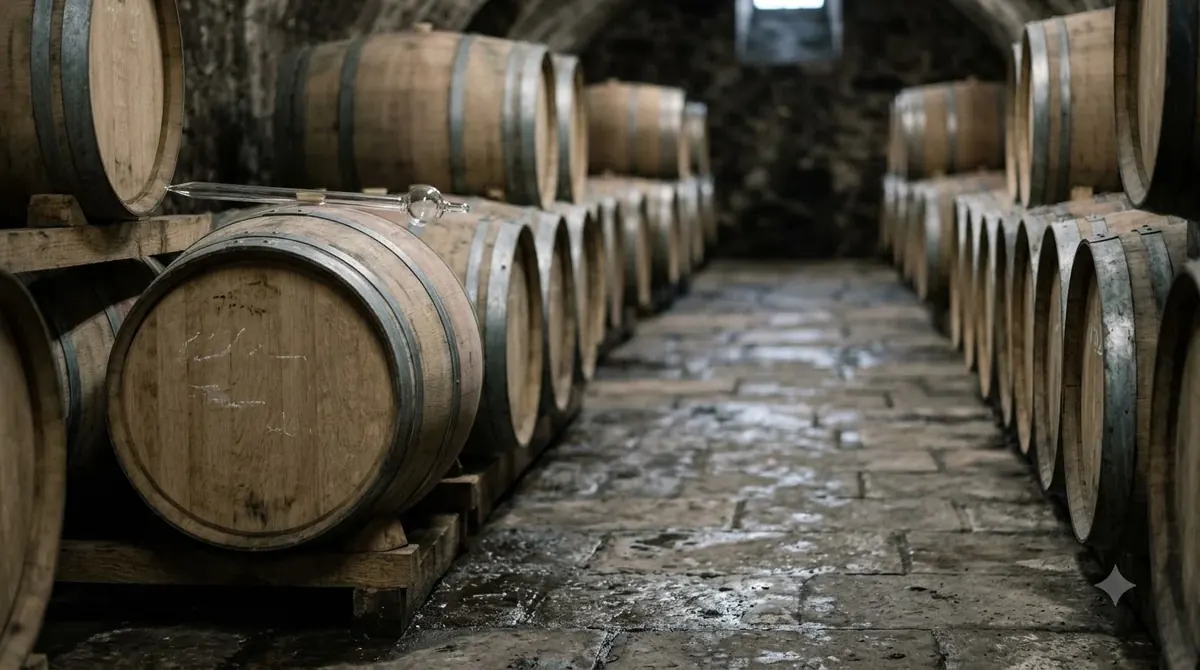
Oaked Chardonnay is fermented or aged in oak barrels, or receives oak influence through other winemaking techniques. It can develop aromas and flavors associated with vanilla, toast, baking spice and sometimes butter, depending on the winemaking decisions.
Bogle’s traditional Chardonnay uses a combination of barrel and stainless-steel fermentation. Its described apple and pear character is accompanied by honeycomb, vanilla and warm spice. This combination is attractive to people who want fruit flavor without giving up the richer character associated with oak.
Oak can also change the perceived texture of a white wine. A fuller mouthfeel makes Chardonnay more suitable for creamy sauces, roasted vegetables and poultry than an extremely light, crisp white might be.
Unoaked Chardonnay
Unoaked Chardonnay emphasizes the grape’s natural fruit and acidity without prominent oak-derived flavors. Typical characteristics include green apple, lemon, pear and mineral notes. Stainless-steel fermentation is frequently used to preserve this fresh profile.
This style is a better option for people who dislike vanilla, toasted notes or creamy textures. It can also work especially well with raw seafood, delicate salads and simply prepared fish.
Compared with an unoaked Chardonnay, Bogle generally offers a rounder and warmer profile. That difference is important because two wines made from the same grape can provide very different drinking experiences.
Buttery and creamy Chardonnay
Some Chardonnay develops buttery characteristics through malolactic fermentation, which converts sharper malic acid into softer lactic acid. This process can reduce the impression of sharp acidity and contribute to a smoother, rounder texture.
Wine.com’s winemaker notes identify malolactic fermentation in the oak-fermented portion of the 2022 Bogle Chardonnay. The notes specifically associate this process with a touch of butter and a plush mouthfeel.
That does not mean every vintage should be expected to taste identical to a heavily buttery Chardonnay. Fruit ripeness, acidity, oak treatment and fermentation choices all influence the final balance.
How Bogle compares with leaner California Chardonnay
California Chardonnay covers a wide range of styles. Wine.com explains that cooler coastal regions such as Sonoma Coast, Carneros and Santa Lucia Highlands can produce Chardonnay with citrus, green apple and mineral characteristics. Other California growing conditions can produce richer fruit profiles.
Bogle’s standard Chardonnay is a useful example of the more rounded and oak-influenced direction. Shoppers who prefer a sharp, citrus-focused profile should explore cooler-climate options, while drinkers who like vanilla and ripe orchard fruit may find Bogle more appealing.
The broader Wine Brands resource can help readers explore producers and compare the general styles associated with different wine regions and labels.
Common Mistakes When Buying or Drinking Bogle Chardonnay
The most common mistakes involve confusing fruit ripeness with sweetness, overlooking oak influence and serving the wine too cold. Understanding these distinctions makes it easier to judge the bottle fairly and pair it with suitable food.
Assuming ripe fruit means sweet wine
Green apple, ripe pear, yellow plum and peach can create a sweet-fruit impression even when the wine is dry. This distinction is particularly important with California Chardonnay because ripe fruit and oak-derived vanilla can make a wine seem sweeter than its actual residual sugar would suggest.
For example, a wine with Golden Delicious apple, caramel and vanilla aromas may feel richer than a citrus-driven white wine. That does not establish that it is a dessert wine or a sweet Chardonnay.
Expecting every vintage to taste the same
Wine changes with growing conditions and winemaking decisions. The 2023 and 2024 Bogle releases received different tasting descriptions and alcohol figures from Wine Enthusiast. One review emphasizes baked pear and brioche, while another highlights yellow plum, Seville orange and nutmeg.
These are not necessarily contradictions. They demonstrate that a wine’s overall identity can remain recognizable while individual vintage characteristics change.
Buying it for someone who dislikes oak
Oak influence is not a minor detail in Bogle’s traditional Chardonnay style. Vanilla, baking spice and toast contribute to its identity. Someone who specifically prefers stainless-steel-fermented Chardonnay may find those characteristics distracting rather than appealing.
If you are buying wine as a gift, consider the recipient’s usual preferences. Someone who drinks Chablis or other lean white wines regularly may appreciate a more restrained bottle instead.
Serving it straight from a very cold refrigerator
Very cold temperatures can reduce the aromas perceived in the glass. This makes it harder to recognize the apple, pear and vanilla characteristics that help define the wine.
Instead, aim for approximately 50 to 55 degrees Fahrenheit. If the bottle has become particularly cold, allow it a short time to warm before pouring another serving.
Pairing it with food that overwhelms the wine
Strong chili heat, heavily spiced sauces and highly acidic preparations can make Chardonnay feel unbalanced. The wine’s relatively full body also makes it less appropriate for some delicate dishes.
Choose dishes that complement rather than compete with the wine. Mild seasoning, roasted flavors, moderate richness and gentle herbs provide a more reliable foundation for pairing.
Care, Storage and Serving Tips for Bogle Chardonnay
Correct storage and serving temperatures help preserve Chardonnay’s freshness and make its aromas easier to appreciate. For Bogle, avoiding excessive warmth and serving it moderately chilled are particularly useful because of its fuller California style.
Serving temperature
Serve Bogle Chardonnay at approximately 50 to 55 degrees Fahrenheit. This is a practical range for fuller-bodied white wines and allows the fruit, oak and texture to remain expressive.
Do not serve it at room temperature if the room is warm. Higher temperatures can make the alcohol seem more prominent and reduce the refreshing character of the wine.
Glassware and pouring
A regular white wine glass is sufficient. A moderately sized bowl provides space for the aromas to develop, while a narrower opening helps direct those aromas toward the nose.
A 750 ml bottle contains approximately five standard 5 oz servings. For a dinner involving four adults, one bottle provides a moderate first pour with a little remaining, while two bottles offer more flexibility for a longer meal.
Storing unopened bottles
Store unopened Chardonnay away from direct sunlight, heat and major temperature fluctuations. A cool storage environment around 55 degrees Fahrenheit is a useful target for wine storage generally.
For longer storage, keep bottles on their sides when they have traditional cork closures. This helps maintain contact between the wine and the cork. Avoid placing wine near ovens, radiators or other sources of sustained heat.
Keeping an opened bottle fresh
After opening, reseal the bottle with its original closure or a suitable wine stopper and refrigerate it. Opened still wines generally retain acceptable quality for approximately three to five days, although the fruit and aromatic freshness can gradually decline.
Keep the bottle upright after opening to limit the surface area exposed to oxygen. Before serving another glass, allow the wine to approach its recommended serving temperature again.
Should Bogle Chardonnay be decanted?
Most bottles do not require extended decanting. Unlike a young, full-bodied red wine with substantial tannin, Chardonnay generally benefits more from appropriate serving temperature and a little air in the glass.
If the wine initially seems closed or restrained, give it several minutes in the glass. This allows the aromas to develop without requiring a separate decanter or complicated preparation.
Frequently Asked Questions
Is Bogle Chardonnay suitable for beginners?
Yes. Its recognizable orchard fruit and familiar vanilla characteristics make it approachable for people learning about Chardonnay. The combination of ripe fruit and oak also provides an accessible introduction to how winemaking influences a white wine’s flavor and texture.
Does Bogle Chardonnay contain sulfites?
Yes. The importer technical information identifies sulfites as an allergen-related disclosure for Bogle Chardonnay. Sulfites are commonly present in commercial wines, and the presence of sulfites is separate from whether a wine tastes sweet, dry or oaky.
Is Bogle Chardonnay vegan-friendly?
The importer lists Bogle Chardonnay as vegan. This is useful for shoppers who consider production methods as well as grape variety when selecting wine. Vegan suitability concerns winemaking materials and processes rather than the wine’s flavor profile.
Can Bogle Chardonnay be used for cooking?
Yes. A dry Chardonnay can be used in recipes involving cream sauces, mushrooms, chicken and seafood. Its apple and oak characteristics can contribute additional flavor to pan sauces, although a simpler, less heavily oaked white wine may be preferable when a recipe requires a very neutral wine.
Does Bogle Chardonnay need to be consumed immediately?
It can be enjoyed after purchase without requiring extended bottle aging. The standard style is intended for approachable drinking rather than requiring years of cellaring. If you keep a bottle for later, stable, cool storage and protection from sunlight are more important than attempting to age it for a long period.
Overall, Bogle Chardonnay is a worthwhile choice for drinkers who appreciate California white wines with ripe apple and pear flavors, oak influence and a rounded texture. Its relatively high alcohol content and richer style make it less suitable for people seeking very light, sharply acidic Chardonnay, but it is a versatile option for everyday meals and casual entertaining. If you enjoy vanilla, orchard fruit and a fuller white wine, Bogle Chardonnay deserves a place on your shopping list.
More in Wine Brands
 Louis Latour Wine Price: Compare Bottles by Style and TierUpdated Nov 20, 2026
 Yellow Tail Moscato Price: What to Expect Before You BuyUpdated Nov 20, 2026
 Sutter Home Sweet Red Review: Find the Right Food PairingsUpdated Nov 20, 2026
 Franzia Chillable Red Review: Find the Right Serving StyleUpdated Nov 20, 2026
 Veuve Clicquot Rose Review: Flavor, Food Pairings and Buying AdviceUpdated Nov 20, 2026
 Rombauer Wine Price: Compare Bottles Before You BuyUpdated Nov 20, 2026