

We may earn a commission when you buy through links on this page, at no extra cost to you. Learn more.
This clos du bois wine review finds that Clos du Bois is a practical choice for drinkers seeking approachable California wines, particularly fruit-forward Chardonnay and familiar red varieties. Its lineup includes several Chardonnay styles, Pinot Grigio, Sauvignon Blanc, Pinot Noir, Merlot and Cabernet Sauvignon. The best bottle depends on whether you prefer buttery oak, brighter fruit, softer red-wine tannins or a fuller Cabernet profile. Comparing the individual styles is more useful than assuming every bottle from the producer tastes alike.
Clos du Bois has built its identity around combining French winemaking influences with California-grown grapes. Its range covers everyday drinking occasions as well as more distinctive Sonoma Reserve selections. That variety gives shoppers several ways to find a suitable bottle, but it also makes understanding the differences between labels important. This guide examines the brand’s background, its main wine styles, tasting characteristics, food pairings and practical buying considerations.
Who Should Choose Clos du Bois Wine?
Clos du Bois is worth considering for wine drinkers who enjoy recognizable grape varieties, accessible fruit flavors and familiar California winemaking characteristics. Its selection includes approachable whites and reds, making it a reasonable starting point for households that want different wine styles without committing to an unfamiliar grape or region.
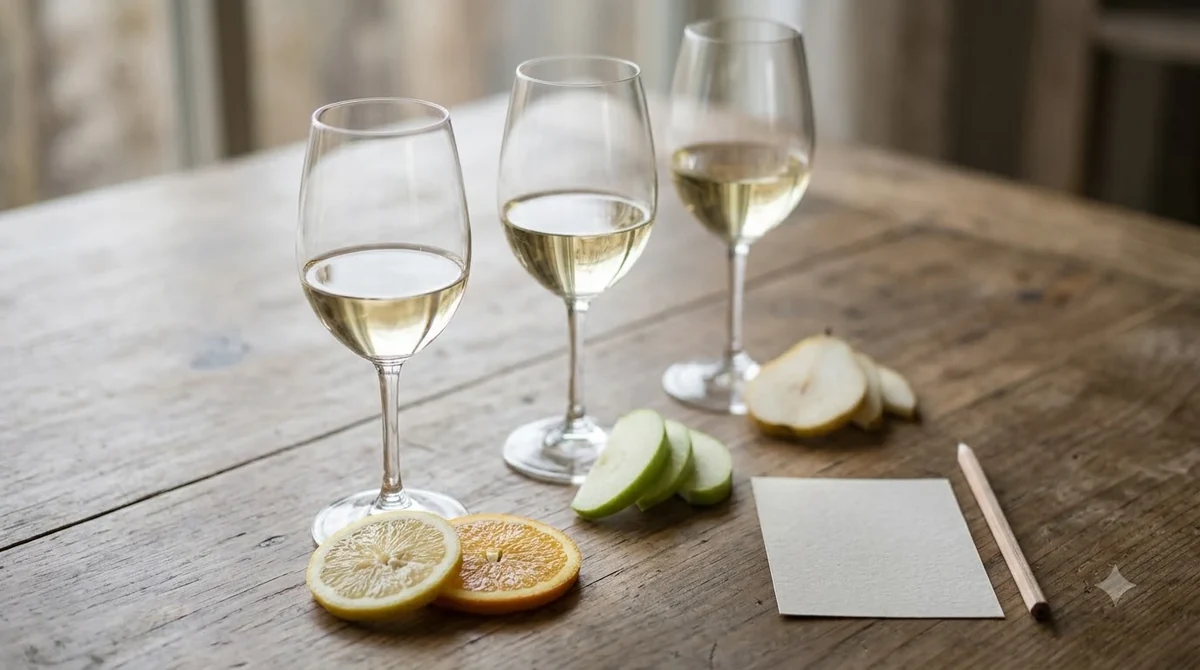
The winery was founded in 1974 by Frank Woods, who wanted to bring together French winemaking traditions and California grapes. The producer describes its philosophy as emphasizing balance, craftsmanship and varietal character. Its portfolio includes California Collection wines and Sonoma Reserve selections, offering different expressions within the same brand.
Chardonnay drinkers have particularly good reason to explore the lineup. The California Chardonnay combines ripe pear and citrus with butter and toasted oak, while the Buttery Chardonnay emphasizes vanilla bean, spiced pear and caramelized pineapple. The Tropical Chardonnay takes a more fruit-centered approach, featuring pineapple, ripe mango and Meyer lemon. These distinctions make the range more interesting than a single generic house Chardonnay.
Red-wine drinkers also have several choices. Pinot Noir offers Bing cherry, cranberry and spice, while Merlot moves toward darker fruit, mocha and vanilla. Cabernet Sauvignon emphasizes black currant, ripe blackberry and toasted oak. These familiar varieties provide different levels of structure and flavor intensity for different meals.
The brand is especially suitable for people who want a recognizable California wine for casual dinners, weekend gatherings and everyday entertaining. It may be less suitable for shoppers specifically seeking highly individual, small-production vineyard bottlings or the restrained characteristics of traditional Old World wines. The most important consideration is whether the particular bottle matches your preferred flavor profile.
Key Factors to Compare Before Buying
The most useful comparison points are grape variety, oak influence, fruit character and intended drinking occasion. Clos du Bois offers several different expressions, so choosing by the name of the grape alone does not tell the whole story.
| Wine style | Published flavor profile | Best suited to | Serving temperature |
|---|---|---|---|
| California Chardonnay | Pear, citrus, butter, toasted oak | Roasted chicken and creamy dishes | 50–55°F |
| Buttery Chardonnay | Spiced pear, vanilla, caramelized pineapple | Rich sauces and roast poultry | 50–55°F |
| Tropical Chardonnay | Pineapple, mango, Meyer lemon | Seafood and lighter poultry | 50–55°F |
| Pinot Grigio | White peach, melon, grapefruit | Salads and light seafood | 45–50°F |
| Sauvignon Blanc | Lemongrass, lime, melon, white peach | Goat cheese and fresh vegetables | 45–50°F |
| Pinot Noir | Bing cherry, cranberry, spice | Salmon and roasted poultry | 55–60°F |
| Merlot | Black plum, boysenberry, cherry, mocha | Burgers and roasted meats | 60–65°F |
| Cabernet Sauvignon | Black currant, blackberry, toasted oak | Steak and grilled beef | 60–65°F |
These serving temperatures are general recommendations for the respective wine styles, rather than claims that every bottle has an identical ideal temperature. They provide a practical starting point when preparing a meal or setting up a wine station.
Oak influence is another important comparison. A wine with more noticeable oak character can show vanilla, caramel, toasted flavors and a fuller impression. A more fruit-driven Chardonnay may emphasize citrus and tropical fruit instead. For example, the producer describes its California Chardonnay through pear, citrus, butter and toasted oak, while its Tropical Chardonnay highlights pineapple and mango.
Alcohol content and acidity also influence how a wine feels with food. Wine Enthusiast lists its reviewed 2023 California Chardonnay at 13.9% alcohol by volume. That is a useful reference for the reviewed vintage, but it should not automatically be applied to every Clos du Bois wine. Sauvignon Blanc generally has higher acidity than Chardonnay, while Cabernet Sauvignon has considerably more tannin than Pinot Noir.
Finally, consider the occasion. A bright white wine makes sense as an aperitif or alongside a light lunch, while a more structured red is better suited to a substantial dinner. Someone buying a bottle for guests with different preferences may find a Chardonnay and a Pinot Noir more versatile than two similarly structured red wines.
Step-by-Step: How to Choose the Right Bottle
A straightforward selection process helps narrow the lineup without getting distracted by attractive labels or unfamiliar tasting terminology. Start with the food or occasion, identify your preferred texture, and then compare the grape variety and specific bottling.
- Decide between white and red. Choose Chardonnay, Pinot Grigio or Sauvignon Blanc for a white wine occasion. Choose Pinot Noir, Merlot or Cabernet Sauvignon when a red is more appropriate. For a mixed gathering, consider serving one white and one red.
- Identify your preferred fruit profile. Pear, apple and citrus point toward the California Chardonnay. Pineapple and mango suggest the Tropical Chardonnay, while black plum and boysenberry indicate the Merlot style. Black currant and blackberry are useful clues when considering Cabernet Sauvignon.
- Decide how much oak you enjoy. If vanilla, butter and toasted flavors appeal to you, compare the Buttery Chardonnay with the California Chardonnay. If you prefer more emphasis on fresh fruit, the Tropical Chardonnay or Sauvignon Blanc may be more appropriate.
- Match the wine to the meal. Chardonnay works well with creamy chicken, roast poultry and richer seafood. Sauvignon Blanc is a useful choice for tangy salads and goat cheese. Merlot and Cabernet Sauvignon are more natural companions for grilled meats.
- Consider the occasion and number of guests. A standard 750 ml bottle provides approximately five 5-ounce glasses. Two bottles therefore provide roughly ten standard servings, which helps when planning a small dinner.
- Compare the specific bottling. Look at the grape, California or Sonoma designation, vintage and published tasting notes. Reserve Chardonnay, for example, has a different origin and production description from the California Chardonnay.
- Serve the wine at an appropriate temperature. Chill light whites to approximately 45–50°F and fuller Chardonnay to 50–55°F. For reds, start around 55–60°F for Pinot Noir and 60–65°F for Cabernet Sauvignon.
This method is particularly helpful when purchasing wine for someone else. Instead of guessing whether a person likes Clos du Bois, ask whether they generally prefer buttery Chardonnay, crisp Sauvignon Blanc or softer red wines. That preference is more likely to lead to a successful selection.
Tip: If you are unsure which Clos du Bois Chardonnay to choose, begin with the California bottling for a balance of pear, citrus and oak. Move toward the Buttery version for more pronounced creamy flavors, or choose Tropical for a stronger emphasis on pineapple and mango.
Clos du Bois Wine Types and Styles Explained
The lineup covers several recognizable grape varieties, but Chardonnay deserves particular attention because the producer offers multiple expressions. The red selection also has meaningful differences, especially in tannin, fruit intensity and food compatibility.
California Chardonnay
The California Chardonnay is a useful introduction to the brand’s white-wine identity. The producer describes ripe pear and citrus supported by creamy butter and toasted oak. These flavors make it a natural match for dishes that combine poultry, cream and moderate richness.
Independent reviews provide additional context. Wine Enthusiast awarded the reviewed 2023 California Chardonnay 88 points, describing melon, yellow apple, apricot, peach, orange and vanilla cream. Its review also identifies the wine as a 750 ml bottling with 13.9% alcohol by volume. The score falls within the publication’s Very Good category, which provides a useful independent reference rather than a guarantee that every vintage will taste identical. Read the Wine Enthusiast Clos du Bois 2023 Chardonnay review for its full tasting assessment.
For more detail about the individual bottling, see this Clos du Bois Chardonnay discussion.
Buttery and Tropical Chardonnay
The Buttery Chardonnay is aimed at drinkers who appreciate richer flavors. Its published notes include spiced pear, vanilla bean, caramelized pineapple and oak. These characteristics make it an interesting option alongside roasted chicken, creamy pasta and dishes with browned butter.
The Tropical Chardonnay emphasizes fruit rather than the same combination of butter and oak. Pineapple, ripe mango and Meyer lemon provide a different flavor direction. It is a sensible alternative for someone who enjoys expressive California Chardonnay but does not necessarily want the most prominent buttery profile.
These are useful distinctions when choosing a bottle for guests. A person who enjoys vanilla and caramel flavors may prefer the Buttery selection, whereas someone who favors tropical fruit may appreciate the Tropical bottling more.
Sonoma Reserve Chardonnay
The Sonoma Reserve Chardonnay represents a more specifically identified regional expression. The producer says that most of the grapes for its 2022 Reserve Chardonnay originated in the Russian River Valley in Sonoma County. Its tasting description includes orange blossom, Tahitian vanilla, lemon crème, Anjou pear, apple, toasted oak and cinnamon.
Its winemaking description also provides more detail than the general California Chardonnay listing. Most of the juice was fermented in French oak barrels, while a portion was fermented in stainless steel tanks to preserve fruit characteristics and brightness. The wine then underwent malolactic fermentation and approximately 10 months of sur-lie aging in French barrels using bâtonnage.
Those production choices help explain the combination of richness and freshness described by the producer. For shoppers interested in how region and cellar techniques influence Chardonnay, the Reserve bottling is a useful comparison with the California Collection.
Pinot Grigio and Sauvignon Blanc
Pinot Grigio is a natural choice for people who prefer a lighter white wine. The producer describes its 2025 bottling through white peach, ripe melon and pink grapefruit. These flavors suggest a refreshing style that can work with light seafood, salads and simple vegetable dishes.
The 2025 Sauvignon Blanc offers a more citrus-driven profile, with lemongrass, lime zest, melon and white peach. Sauvignon Blanc generally has higher acidity than Chardonnay, which makes it useful alongside foods with noticeable citrus, vinegar or herbal flavors.
For a summer meal, either white can work well, but the choice depends on the food. Pinot Grigio suits milder dishes, while Sauvignon Blanc is often a better partner for tangy dressings, fresh herbs and goat cheese.
Pinot Noir, Merlot and Cabernet Sauvignon
The red wines provide three distinct directions. The 2024 Pinot Noir features Bing cherry, cranberry and spice. Pinot Noir typically has lower-to-medium tannin and higher acidity than Cabernet Sauvignon, giving it a lighter structural profile. This makes it a good starting point for people who enjoy red wine but do not want an especially firm finish.
The 2022 Merlot features black plum, boysenberry, cherry, mocha and vanilla. Merlot generally has medium tannin and softer texture than Cabernet Sauvignon. It is a sensible middle ground for drinkers who want dark fruit flavors without the more pronounced structure of a full-bodied Cabernet.
The 2023 Cabernet Sauvignon is described through black currant, ripe blackberry and toasted oak. Cabernet Sauvignon generally has high tannin, making it a natural companion for protein-rich dishes such as grilled steak and roast beef. Its structure is also more substantial than that of Pinot Noir.
For a broader look at the red selection, see the Clos du Bois red wine overview.
Common Mistakes When Buying Clos du Bois
The biggest purchasing mistakes involve treating all Chardonnay bottles as interchangeable, confusing fruit intensity with sweetness and overlooking the structural differences between red varieties. Paying attention to grape variety and production style makes it easier to choose a wine that fits the occasion.
Assuming all Chardonnay tastes buttery. Chardonnay can be made in a range of styles. Clos du Bois offers California, Buttery, Tropical and Reserve expressions, each with different published flavor descriptions. Someone who dislikes strong butter and vanilla characteristics should not automatically rule out the entire Chardonnay selection.
Confusing ripe fruit with residual sugar. Pineapple, mango and ripe pear can make a dry wine seem particularly fruity. Aromatic intensity does not necessarily mean that the wine is sweet. Consider the overall description and the intended style rather than judging sweetness from one fruit note.
Choosing Cabernet Sauvignon for every red-wine occasion. Cabernet Sauvignon is generally high in tannin, while Pinot Noir has lower-to-medium tannin and higher acidity. A lighter red can be more appropriate for salmon, roast chicken or dishes where a firm tannic finish would overwhelm the food.
Pairing wine with food without considering acidity. Acidic foods can make a low-acid wine seem flat. Sauvignon Blanc is often more suitable than a rich Chardonnay for salads with citrus dressing, while Chardonnay can work particularly well with creamy sauces and roasted poultry.
Serving whites directly from an extremely cold refrigerator. Very cold temperatures can mute aromas and flavors. Fuller Chardonnay generally shows better at 50–55°F than at refrigerator temperature, while lighter whites benefit from a slightly colder 45–50°F serving range.
Ignoring the vintage and regional designation. A California Chardonnay and a Sonoma Reserve Chardonnay are not interchangeable descriptions. The Reserve wine has a more specific Russian River Valley sourcing statement and a detailed French oak production approach. Comparing those details is more useful than relying on the brand name alone.
Expecting every bottle to taste exactly like a review. Published tasting notes refer to a specific bottling and vintage. Growing conditions, grape sourcing and winemaking decisions can change from one vintage to another. A review is a helpful reference, but it should not be treated as a permanent flavor specification for every bottle carrying the label.
Serving, Storage and Food Pairing Tips
Good serving habits help preserve the intended character of Clos du Bois wines. Temperature, glassware, bottle handling and food selection can make a noticeable difference, particularly with aromatic whites and structured red wines.
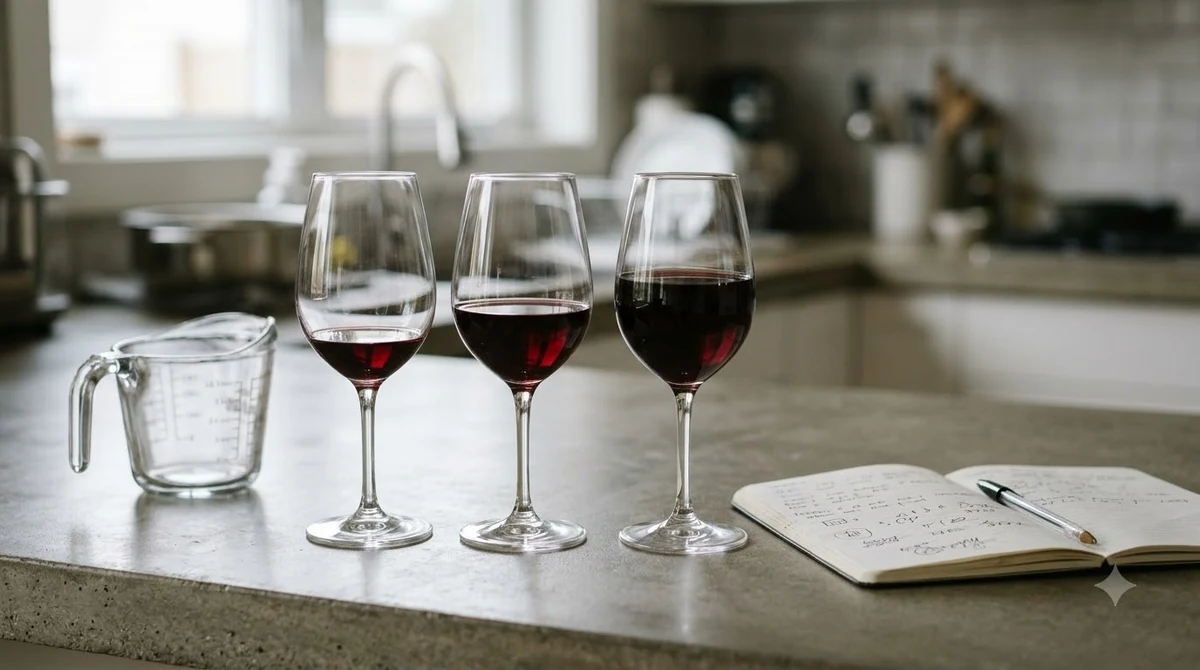
For white wines, use a standard white wine glass and avoid serving every bottle at the same refrigerator-cold temperature. Pinot Grigio and Sauvignon Blanc generally benefit from 45–50°F, while Chardonnay is better served around 50–55°F. These slightly warmer temperatures allow fuller white wines to show more of their fruit and oak character.
Red wines also benefit from appropriate temperature control. Pinot Noir is generally best around 55–60°F, while Merlot and Cabernet Sauvignon can be served around 60–65°F. A warm room can make red wine seem heavier and more alcoholic, so a brief period in the refrigerator may be helpful before serving.
Pairing the Whites
California Chardonnay pairs naturally with roasted chicken, creamy sauces, buttered vegetables and richer seafood. The producer specifically suggests creamy chicken and rice or buttered popcorn for its 2024 California Chardonnay. The latter is an interesting informal pairing because butter and salt complement the wine’s creamy and toasted character.
Buttery Chardonnay can also work with lobster, shrimp in butter sauce and roasted turkey. Tropical Chardonnay is worth considering with grilled shrimp, mild fish and fruit-based salads. Pinot Grigio suits simple seafood dishes, while Sauvignon Blanc is particularly useful for goat cheese, asparagus and salads with lemon dressing.
Pairing the Reds
Pinot Noir is a versatile option for salmon, roast chicken, mushrooms and pork. Its relatively gentle tannin and higher acidity make it less demanding than Cabernet Sauvignon. Avoid pairing heavily tannic red wines with oily fish, as the combination can create an unpleasant metallic impression.
Merlot is a practical match for burgers, meatloaf, roast pork and grilled sausages. Its softer tannins work well with foods that have moderate fat and savory flavors. Cabernet Sauvignon is better suited to steak, lamb and grilled beef, where protein and fat can soften the perception of tannin.
Also consider the influence of seasoning. Salt and fat soften tannin, while strong chili heat can be amplified by alcohol and tannin. For spicy dishes, a lower-alcohol, fruit-forward white is often a more comfortable pairing than a powerful red.
Opening and Storing Bottles
For unopened bottles, a cool, dark storage area near 55°F is a useful target. Keep cork-finished bottles on their sides to maintain contact between the wine and cork. Avoid direct sunlight, repeated temperature changes and locations near ovens or heating equipment.
Once opened, still wines generally retain their best quality for approximately three to five days when refrigerated and properly resealed. Sparkling wines usually last one to three days with a suitable sparkling-wine stopper. These are general storage guidelines, not guarantees, because freshness depends on the wine, closure and amount of oxygen exposure.
A standard 750 ml bottle provides approximately five 5-ounce pours. If a bottle is opened for a dinner party, reseal it promptly and return it to the refrigerator rather than leaving it on the table overnight. Allow chilled red wine to warm slightly before pouring if it has been stored cold.
For shoppers exploring other producers and grape varieties, the broader Wine Brands resource offers another starting point for comparing styles and making informed selections.
Frequently Asked Questions
Who owns Clos du Bois?
Clos du Bois is part of the E. & J. Gallo Winery portfolio. The brand’s official website identifies E. & J. Gallo Winery as its producer or importer on its wine information and review listings. The original brand was founded by Frank Woods in 1974.
What does the name Clos du Bois mean?
The French phrase translates approximately to an enclosed woodland or wood. Its French-language identity reflects the founder’s interest in French winemaking traditions, combined with California grape growing. The brand uses this French influence as part of its overall identity.
Does Clos du Bois make sparkling wine?
The producer’s published core collection lists still wines, including Chardonnay, Pinot Grigio, Sauvignon Blanc, Pinot Noir, Merlot and Cabernet Sauvignon. Sparkling wine is not among the listed selections in that collection. Availability of limited or regional offerings can differ from the main portfolio.
Can Clos du Bois wine be used for cooking?
Yes. Chardonnay can be used in cream sauces, risotto and pan sauces for poultry, while Merlot and Cabernet Sauvignon can contribute depth to beef stews and red-wine reductions. Use a wine whose flavors you enjoy drinking, and avoid cooking with a bottle that has developed unpleasant oxidation or other faults.
How can shoppers find Clos du Bois wines locally?
The official Clos du Bois website provides a retailer-finding feature and identifies delivery and retail options such as Instacart and DoorDash. Availability depends on local alcohol regulations, retailer inventory and delivery coverage. Buyers should also confirm that the specific grape variety and vintage they want are available.
Clos du Bois offers a broad California-focused selection, with Chardonnay providing the greatest variety of flavor directions and its Pinot Noir, Merlot and Cabernet Sauvignon covering different red-wine preferences. For the most satisfying purchase, choose according to grape variety, oak influence, food pairing and serving occasion rather than relying on the brand name alone. Its combination of familiar styles and several distinct Chardonnay expressions makes it a useful producer to consider for everyday wine shopping.
More in Wine Brands
 Louis Latour Wine Price: Compare Bottles by Style and TierUpdated Nov 20, 2026
 Yellow Tail Moscato Price: What to Expect Before You BuyUpdated Nov 20, 2026
 Sutter Home Sweet Red Review: Find the Right Food PairingsUpdated Nov 20, 2026
 Franzia Chillable Red Review: Find the Right Serving StyleUpdated Nov 20, 2026
 Veuve Clicquot Rose Review: Flavor, Food Pairings and Buying AdviceUpdated Nov 20, 2026
 Rombauer Wine Price: Compare Bottles Before You BuyUpdated Nov 20, 2026