

We may earn a commission when you buy through links on this page, at no extra cost to you. Learn more.
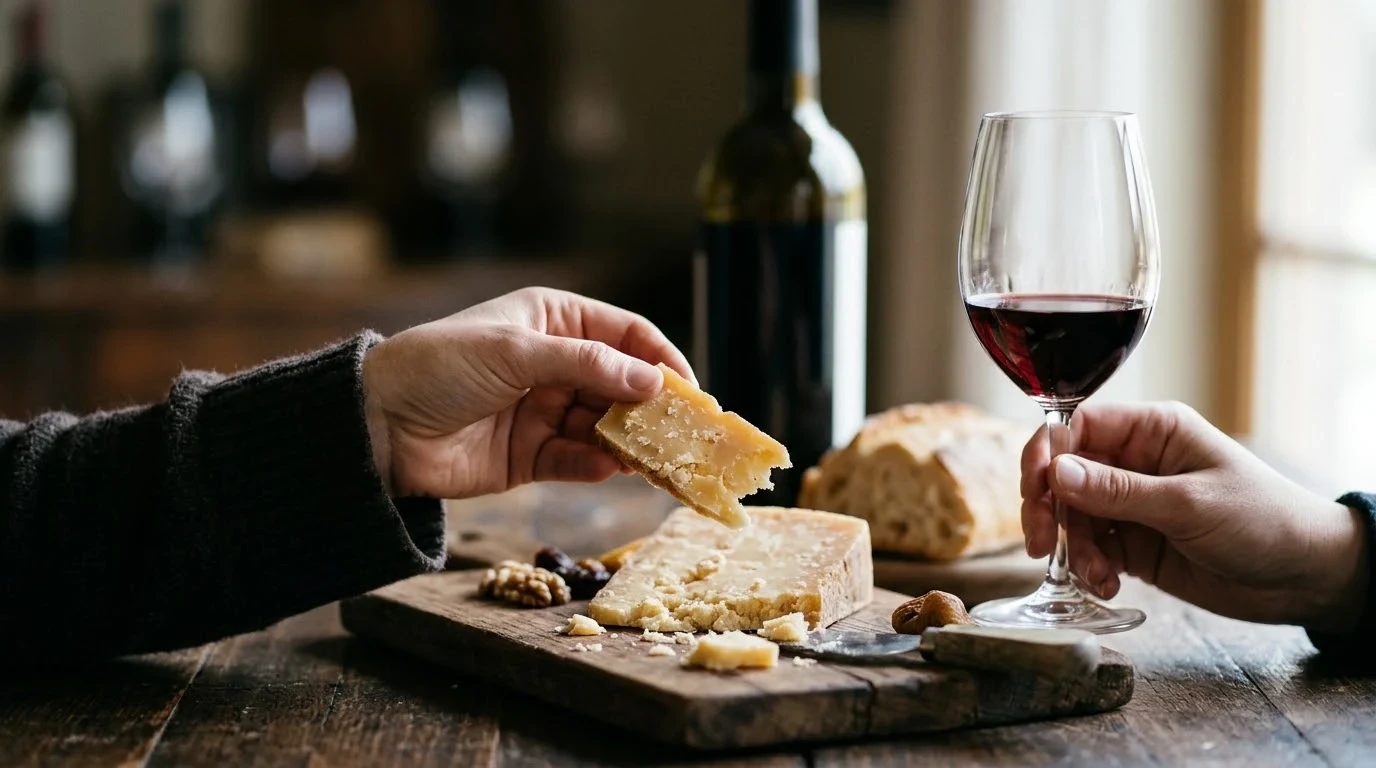
Merlot with cheese works best with semi-firm and aged cheeses that can keep up with the wine’s medium-full body. Cheddar-style, Gouda-style and Parmesan-style cheeses tend to match its plum and cherry fruit, while very soft or very strong cheeses can overpower it. Merlot’s velvety tannins also soften the richness of many cheeses, which is why it is a popular choice for a simple cheese board.
Merlot is one of the easiest red wines to build a cheese plate around. Its fruit is generous without being sharp, and its tannins are gentler than those of many Cabernet Sauvignons. This guide covers which cheese styles suit Merlot, which ones to approach with more care, and how to put a board together so the wine and the cheese both show their best side.
Why Merlot and Cheese Work Together
Merlot pairs with cheese because its fruit and its texture meet the cheese halfway. According to VinePair’s Merlot guide, the wine shows black cherries, blackberries, plums, cocoa and violets, and it has a velvety texture with lower tannin than Cabernet Sauvignon.
Wine Folly describes the grape as medium-full bodied with medium-high tannins and medium acidity, so it has enough weight to stand up to firmer cheeses. The wine’s acidity is not very high, which means it works best with cheeses that are rich rather than sharp or tangy.
Merlot Flavors and Structure
The flavor of Merlot depends a lot on where it was grown. Wine Folly’s Merlot grape guide notes that cooler climates tend to give fresh red plum and cherry, while warmer climates lean toward baked blackberry and fruitcake. Oak aging adds vanilla and spice, and a chocolate-like finish is common.
That range matters for cheese. A fresh, cool-climate Merlot can handle a lighter cheese, while a warm-climate or oak-aged bottle has the weight to match a firm, aged wedge.
| Trait | What to expect |
|---|---|
| Body | Medium-full (Wine Folly) |
| Tannin | Medium-high to moderate, softer than Cabernet Sauvignon |
| Acidity | Medium, not overtly high |
| Alcohol | About 13.5% to 15% ABV |
| Main flavors | Plum, cherry, blackberry, cocoa, vanilla |
| Sweetness | Dry |
Tip: Check the label before you buy for a cheese board. A warm-climate Merlot with a higher alcohol level will feel richer, so it can carry a bolder cheese. A cooler-climate bottle is better with lighter, creamier options.
Cheese Styles That Match Merlot
The best cheeses for Merlot are firm or semi-firm, with a savory or nutty character. They have enough fat and flavor to match the wine’s body without fighting its fruit. These are general pairing principles rather than rules, so taste a few options if you can.
- Aged cheddar: sharp enough to hold up to the wine, with a savory finish that echoes the Merlot’s plum fruit.
- Gouda-style cheese: aged Gouda has caramel and nutty notes that suit the wine’s chocolate-like tones.
- Parmesan-style cheese: hard and granular, with a savory depth that works well with the wine’s tannin.
- Comté-style cheese: nutty and firm, a good option for an oak-aged Merlot with more body.
- Manchego: a Spanish sheep’s milk cheese with a buttery, slightly tangy flavor that fits a medium-bodied red.
For softer cheeses, look for a young Merlot from a cooler climate. A fresh, fruity wine keeps a brie or a fresh chèvre from tasting flat, and the wine’s plum notes pick up the cheese’s creamy texture.
Cheeses to Approach with Care
Some cheeses work less well with Merlot. Very strong blue cheeses can overpower the wine’s fruit and make the tannins taste bitter. Very salty cheeses can also make a Merlot taste flat, because the salt pulls the fruit back and the wine’s softness disappears.
If you want to serve a blue cheese, choose a milder, creamier one and pair it with a fuller, oak-aged Merlot. Serve the blue in small portions, so the wine stays the main event rather than the cheese.
Building a Merlot Cheese Board
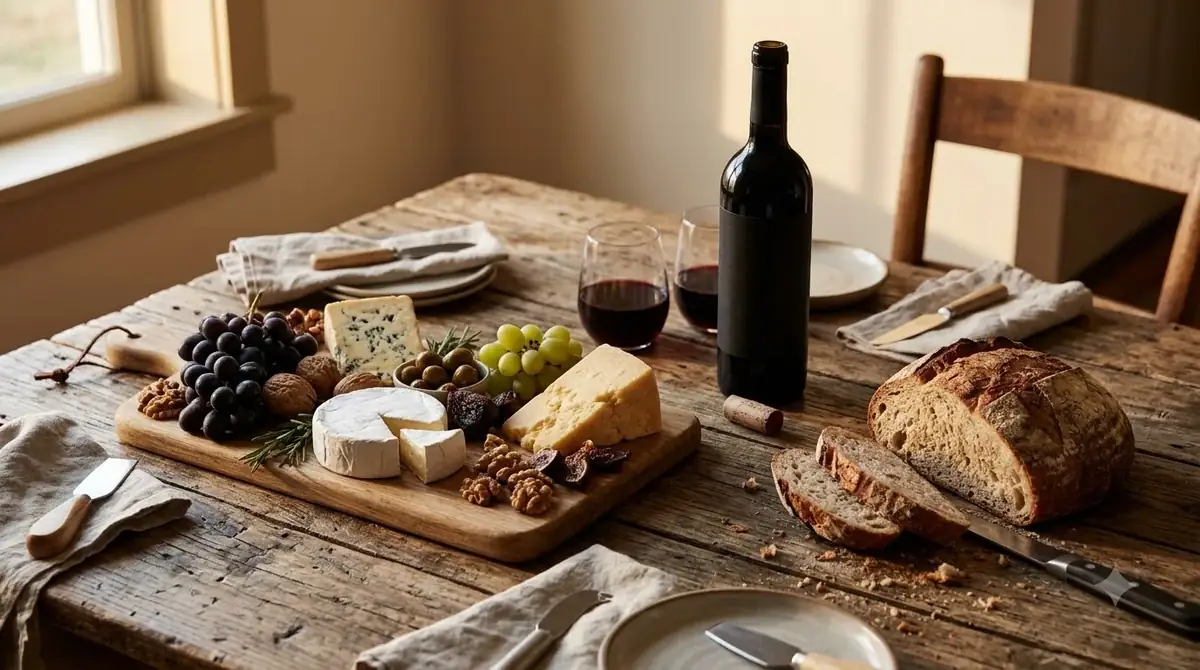
A simple board works well with a single bottle. Choose two or three cheeses with different textures, such as one aged, one semi-firm and one creamy. Add dried fruit, nuts and a few slices of crusty bread so the cheese has something to sit on.
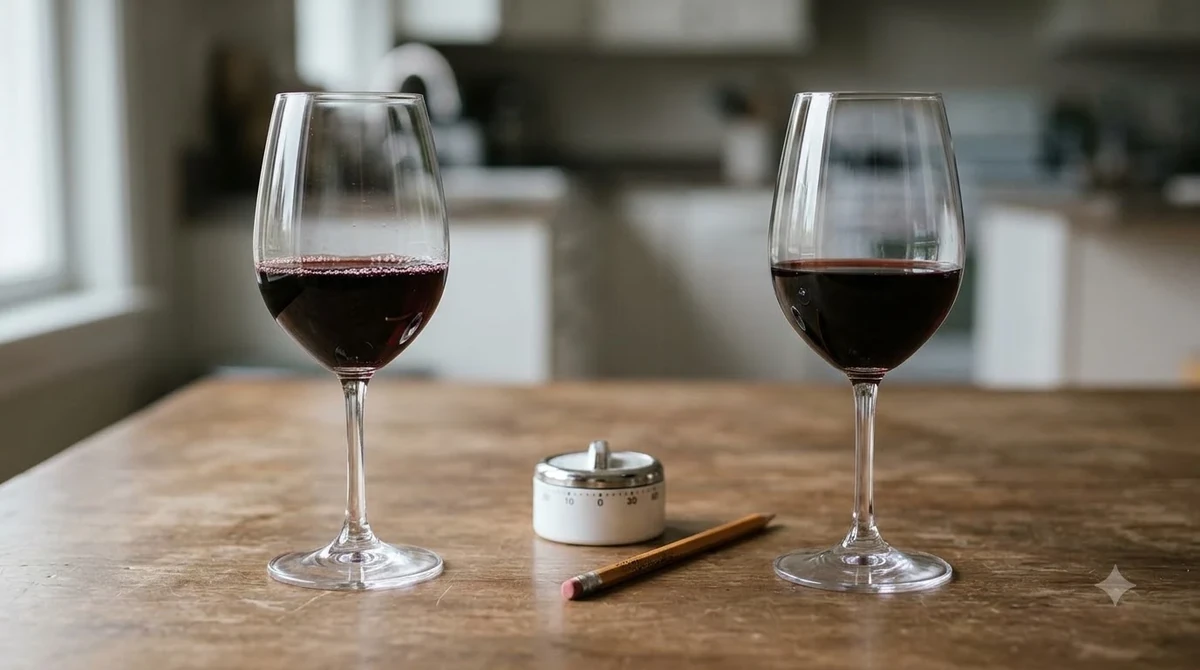
Take the cheese out of the fridge about 30 minutes before serving, because cold cheese hides its flavor. Pour the Merlot into a wide red wine glass, which lets the aroma open up, and let the wine breathe for a few minutes first.
- Pick two or three cheeses with different textures.
- Add dried fruit, nuts and bread for variety.
- Take the cheese out about 30 minutes before serving.
- Pour the Merlot and let it breathe while you slice the cheese.
Texture matters as much as flavor on a cheese board. A creamy cheese and a firm cheese placed side by side let guests move between pairings and notice how the Merlot changes. Sip the wine before and after each bite, since the same glass can taste fruitier with a salty cheese and softer with a rich one. Keep a few plain crackers on the side so the palate can reset between cheeses.
Hosts often ask how much cheese to plan for each guest. A sensible approach is to plan a few modest portions per guest and a single glass of wine per cheese, so no one feels rushed through the board. Start with the mildest cheese and move toward the strongest, which keeps the wine’s fruit clear from the first pour to the last.
Other Foods to Serve with Merlot
Merlot is also good with some meal-sized dishes. VinePair lists lighter meats such as chicken and roast turkey, hamburgers, duck or pork with sweet sauces, and tomato-based pasta among its matches. Wine Folly also suggests pizza, barbecue chicken and beef short rib.
If you are serving cheese as a course before dinner, match the rest of the meal to the same style of wine. A more structured Bordeaux-style Merlot can handle steak frites or a hearty stew, and a fruit-forward bottle suits lighter dishes. For a wider look at red wine styles, our guide to merlot wine covers the grape’s main styles, and cabernet franc wine is another red to try with cheese.
When you plan a meal around a Merlot, think about how the wine’s structure affects the rest of the plate. Its tannins are noticeable but gentle, so they work with fatty foods, and its moderate acidity means it does not need a sharp side dish to feel lively. That is why roast meats, grilled vegetables and rich sauces pair more easily with Merlot than with bright, citrus-driven dishes.
Frequently Asked Questions
What cheese goes best with Merlot?
Semi-firm and aged cheeses are the safest choice, including aged cheddar, aged Gouda, Parmesan-style cheese and Manchego. They have enough body and savory flavor to match a medium-full red without overpowering its fruit.
Does Merlot go with blue cheese?
It can, but choose a milder, creamier blue and serve it in small amounts. Very strong blues can make the wine’s tannins taste bitter and hide its plum and cherry flavors.
Is Merlot good with soft cheeses like brie?
Yes, especially a young, fruity Merlot from a cooler climate. The wine’s fresh plum and cherry notes keep a soft, creamy cheese from tasting flat.
Should Merlot be served with cheese at room temperature?
Serve the wine at a comfortable cellar-like temperature and take the cheese out of the fridge about 30 minutes early. Cold cheese has less flavor, so letting it warm slightly helps the pairing.
Merlot and cheese are a simple pairing that rewards a little attention. Start with an aged cheddar or Gouda, add a softer cheese if you like, and serve a fruit-forward bottle at the table. Taste the two together, then adjust the next bottle or cheese to suit your own palate.
More in Wine Types & Grapes
 Zinfandel Sugar Content: Dry Red vs. White Zinfandel GramsUpdated Nov 21, 2026
 Best Zinfandel Substitute Options for Sipping and CookingUpdated Nov 21, 2026
 Zweigelt Food Pairing: Best Dishes, Cheeses, and Serving TipsUpdated Nov 21, 2026
 Zinfandel Tannins Explained: How Structure Shapes Every BottleUpdated Nov 21, 2026
 Zinfandel Sweetness Level: Dry Red vs. Sweet White Zin ExplainedUpdated Nov 21, 2026
 Xinomavro Food Pairing: Best Dishes, Styles, and Serving TipsUpdated Nov 21, 2026