

We may earn a commission when you buy through links on this page, at no extra cost to you. Learn more.
This casillero del diablo cabernet review finds a medium-bodied Chilean red with blackcurrant, cherry, plum, vanilla, and toasted-coffee character, making it a practical choice for grilled meats and mature cheeses. Produced in Chile’s Central Valley, this Reserva Cabernet Sauvignon combines recognizable Cabernet fruit with noticeable but relatively approachable tannins. It is particularly appealing to drinkers who want a familiar, food-friendly red rather than an especially heavy or austere Cabernet.
Casillero del Diablo is a recognizable name in Chilean wine, and its Cabernet Sauvignon offers a straightforward introduction to the country’s Central Valley reds. The important questions are whether its fruit, oak influence, body, and structure match your preferences, and how to serve it to get the most from the bottle. This guide examines its characteristics, explains what to look for when buying it, and provides practical advice on food pairing, serving, and storage.
Who This Is For: Cabernet Drinkers Seeking an Approachable Chilean Red
Casillero del Diablo Cabernet Sauvignon is best suited to drinkers who enjoy recognizable dark-fruit flavors, moderate weight, and enough tannin to give a red wine structure without making it excessively demanding. Its combination of blackcurrant, cherry, plum, and oak-related notes makes it a familiar option for weeknight dinners, casual entertaining, and meals built around grilled food.
The wine comes from Chile’s Central Valley, a broad wine-producing area with a Mediterranean climate influenced by the Andes. According to the producer, the Cabernet Sauvignon grows in a landscape that includes alluvial, rocky, and stony soils, as well as hillside sites with granitic subsoil. Those regional details provide useful context for understanding why the wine is positioned as a fruit-forward, structured Chilean Cabernet rather than a delicate red.
Its medium body is an important distinction. Cabernet Sauvignon can be associated with substantial tannins and a powerful palate, but the Casillero del Diablo Reserva bottling is described by its producer as medium-bodied, with marked tannins and a long finish. The technical description also emphasizes silky tannins and ripe fruit. That combination makes it a reasonable starting point for someone exploring Cabernet Sauvignon who does not necessarily want the densest possible expression of the grape.
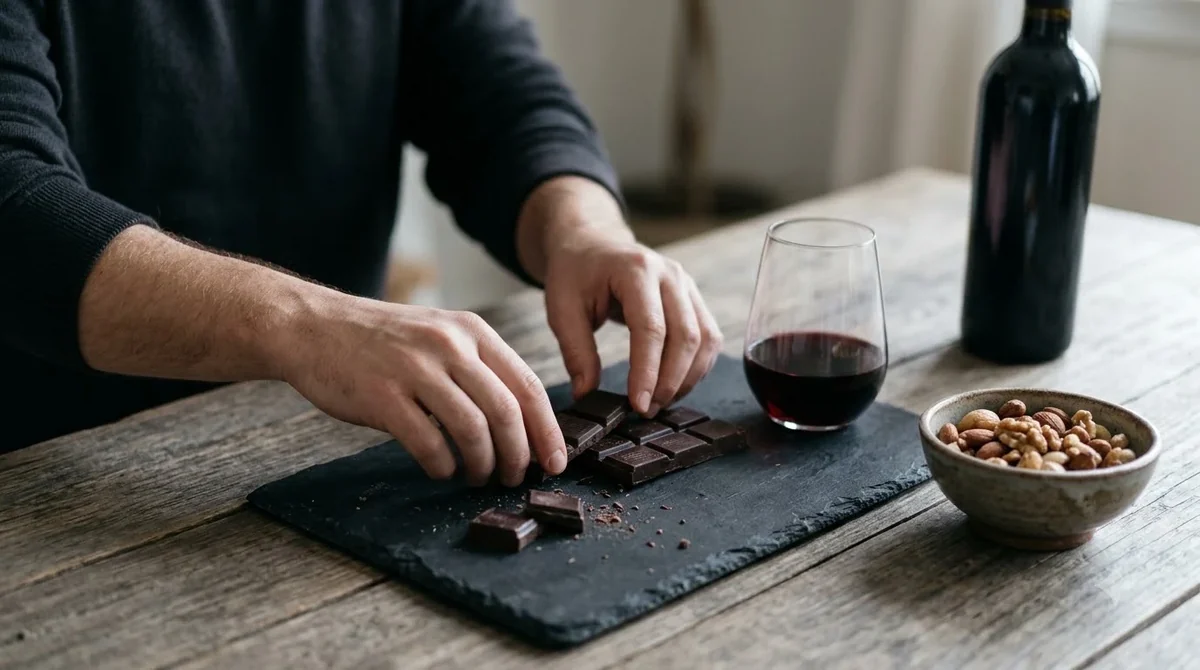
It also suits people who regularly serve red wine with dinner. Grilled beef, seasoned meat, rich tomato-based pasta, and aged cheeses provide natural opportunities for its dark-fruit flavors and tannic structure to complement food. The wine has enough character to accompany a substantial meal, while its fruit-forward profile keeps it accessible in a casual setting.
However, drinkers looking for very light-bodied wine, minimal tannins, or delicate red-fruit flavors may prefer Pinot Noir. Those who want a particularly powerful Cabernet with concentrated structure and more imposing tannins may also find this bottling relatively restrained.
Key Factors to Compare: Flavor, Body, Alcohol, and Structure
The most useful way to evaluate this Cabernet is to consider its fruit profile, oak influence, body, tannins, and alcohol together. These characteristics determine whether it will suit your preferred drinking style and whether it can handle the food you plan to serve.
The official tasting description highlights cherry and blackcurrant with a subtle touch of vanilla. Its 2021 technical sheet adds plum, cassis, toast, and coffee. These details point toward a recognizable dark-fruited Cabernet profile, with oak-derived characteristics providing additional complexity rather than replacing the fruit.
Retailer descriptions also identify dark cherry, blackcurrant, and coffee. Kroger lists the bottle as a 750 ml wine with 13.5% alcohol by volume. That alcohol level places it in a familiar range for a contemporary Chilean Cabernet and makes serving temperature particularly important: excessive warmth can make alcohol seem more prominent and the fruit feel heavier.
| Characteristic | What to expect | Why it matters |
|---|---|---|
| Wine style | Reserva Cabernet Sauvignon | A structured, fruit-led Chilean red |
| Origin | Central Valley, Chile | Identifies the wine’s regional source |
| Bottle size | 750 ml | Approximately five standard 5 oz pours |
| Alcohol | 13.5% ABV | Provides context for body and serving temperature |
| Body | Medium-bodied | More substantial than a light red without being especially heavy |
| Tannins | Silky, marked | Provide structure and work with protein-rich food |
| Fruit character | Blackcurrant, cherry, plum | Creates the recognizable Cabernet flavor profile |
| Additional notes | Vanilla, toast, coffee | Adds an oak-influenced dimension |
| Recommended serving temperature | 18–20°C (64–68°F) | Helps maintain balance between fruit, tannins, and alcohol |
Fruit and oak balance
Blackcurrant is one of the most recognizable Cabernet Sauvignon characteristics, and it is central to this wine’s identity. Cherry and plum broaden the fruit profile, while vanilla, toast, and coffee provide the impression of barrel influence. The result is a combination of ripe fruit and savory accents that can work particularly well with grilled food.
Oak is an important consideration for shoppers. Some Cabernet drinkers enjoy vanilla, coffee, and toasted flavors because they add warmth and depth. Others prefer wines in which fresh fruit and acidity take priority. Casillero del Diablo offers an oak-influenced profile, so it is more suitable for someone who enjoys both fruit and secondary savory characteristics than for someone specifically seeking a minimally oaked red.
Body and tannins
Body describes the overall weight and texture of wine in the mouth. This Cabernet is medium-bodied according to the producer, which places it between lighter reds and particularly substantial full-bodied examples. Its tannins are described as marked in the general product description and silky in the technical sheet. Both descriptions are compatible: tannins can be noticeable without feeling aggressively rough.
For comparison, Cabernet Sauvignon generally has high tannin, Merlot has medium and softer tannins, and Pinot Noir usually has low-to-medium tannin with higher acidity. Casillero del Diablo’s Cabernet remains recognizably structured, but its fruit and smoother tannin presentation make it a more approachable choice than some intensely extracted Cabernet styles.
Step-by-Step: How to Choose and Serve the Right Bottle
Choosing this Cabernet is straightforward when you approach the decision in a consistent order. Start with the grape and regional origin, confirm that the flavor profile fits your preferences, and then consider the meal, serving temperature, and amount you intend to pour.
-
Confirm the grape variety.
Look for Cabernet Sauvignon rather than assuming every Casillero del Diablo red has the same flavor. The brand also offers other varieties and blends, so the grape designation matters if you specifically want the blackcurrant-led character and structure associated with Cabernet.
-
Identify the Reserva style.
The standard Reserva Cabernet Sauvignon is the appropriate starting point for someone looking for the recognizable blackcurrant, cherry, plum, vanilla, and toasted notes discussed in this guide. Do not assume that every bottling carrying the brand name has identical blending or maturation characteristics.
-
Consider the regional origin.
The producer identifies Central Valley as the origin. This gives you a useful point of reference when comparing it with Cabernet Sauvignon from Maipo Valley, Colchagua, California, or Bordeaux. Regional origin can influence the style, although producer decisions and vintage conditions also matter.
-
Match the wine to your meal.
Choose grilled beef, lamb, well-seasoned meat, or mature cheese if you want a natural pairing. If dinner involves a lighter dish, consider whether the wine’s tannins and oak-influenced flavors might dominate the food.
-
Prepare the bottle at the right temperature.
The producer recommends 18–20°C, equivalent to approximately 64–68°F. If the bottle has been stored in a warm room, a short period in a cool place can help bring it closer to that range. Avoid serving it excessively warm.
-
Open and pour thoughtfully.
Remove the cork carefully, pour a modest 5 oz serving, and allow the wine a few minutes in the glass. A standard 750 ml bottle provides approximately five such servings. This leaves enough room in the glass to observe the aromas and gives the wine an opportunity to open up.
-
Evaluate the balance.
Pay attention to the relationship between blackcurrant, cherry, vanilla, and the savory oak notes. Consider whether the tannins feel balanced with the fruit and whether the finish remains pleasant alongside the food. These observations are more useful than judging a Cabernet by body alone.
Tip: If the wine seems warm, alcoholic, or heavy, bring it slightly cooler before serving. The producer’s recommended 18–20°C range is a useful target, and serving it closer to the cooler end can help preserve the impression of fresh fruit.
One useful distinction is that the recommended serving temperature is not the same as long-term storage temperature. A bottle can be stored in a cool, stable environment and brought up to its serving temperature shortly before dinner. Keeping those two stages separate helps protect the wine while making it more enjoyable at the table.
Types or Styles Explained: Understanding Cabernet and the Brand
Understanding the difference between a grape variety, a wine style, and a brand range helps prevent confusion when shopping. Casillero del Diablo Cabernet Sauvignon is a specific Reserva red, while Cabernet Sauvignon itself is a grape variety used in wine regions around the world.
The Reserva bottling should be understood through its own tasting profile rather than treated as interchangeable with every wine in the brand’s portfolio. The producer’s general description emphasizes blackcurrant, cherry, vanilla, medium body, marked tannins, and a long finish. Its technical sheet adds plum, toast, and coffee, reinforcing that fruit and barrel-influenced notes are central to the style.
Cabernet Sauvignon
Cabernet Sauvignon is naturally associated with blackcurrant, dark fruit, firm tannins, and a substantial structure. In warmer growing conditions, ripe fruit flavors can become more pronounced, while cooler conditions can preserve fresher fruit character and more noticeable herbal notes. The variety is adaptable, which is why Cabernet from Chile can differ considerably from Cabernet produced in California, Australia, or France.
In this particular bottling, the fruit profile is supported by oak-associated vanilla, toast, and coffee. It is a useful expression for someone who enjoys the familiar Cabernet combination of fruit and structure without necessarily seeking a particularly expensive or collectible wine.
Central Valley Cabernet
Chile’s Central Valley is the named regional source of this wine. The producer describes a Mediterranean climate with a marked influence from the Andes, along with varied soils that include alluvial and granitic components. These details provide a regional framework, although they should not be treated as a guarantee that every Central Valley Cabernet will taste alike.
Shoppers comparing Chilean reds may also encounter wines identified with Maipo Valley or Rapel Valley. Those names refer to more specific geographical areas and can be useful when exploring differences in Cabernet styles. A broader regional designation such as Central Valley gives a different level of geographical detail from an individual subregion.
Reserva versus other Cabernet bottlings
Reserva is the range designation attached to the standard Casillero del Diablo Cabernet Sauvignon discussed here. The brand also offers Reserva Especial and Reserva Privada Cabernet Sauvignon as separate bottlings. They should not automatically be interpreted as a simple quality ranking; their regional origins and descriptions provide more useful distinctions.
For example, the official Reserva Especial Cabernet Sauvignon page identifies Maule Valley as its origin, while the Reserva Privada Cabernet Sauvignon comes from Maipo Valley. The standard Reserva discussed here is identified with Central Valley. These differences make it useful to compare the actual wine descriptions rather than choosing solely by the range name.
For shoppers exploring the standard bottling in more detail, the Casillero del Diablo Cabernet overview provides another useful reference. The broader Casillero del Diablo wine collection also helps distinguish Cabernet Sauvignon from the brand’s other grape varieties and wine styles.
Common Mistakes: Avoiding Poor Pairings and Unrealistic Expectations
The most common mistakes with this Cabernet involve misunderstanding its weight, serving it too warm, and pairing it with food that clashes with tannin. A little attention to those details can make a noticeable difference without requiring specialized equipment or elaborate preparation.
Assuming medium-bodied means light
Medium-bodied does not mean delicate or thin. Cabernet Sauvignon naturally has more tannic structure than many lighter red grapes, and the Casillero del Diablo version is described as having marked tannins. Someone accustomed to Pinot Noir or an easy-drinking light red may find it more structured than expected.
At the same time, expecting an exceptionally powerful, dense Cabernet can create the opposite disappointment. This bottling is described as medium-bodied, not as an especially massive or concentrated red. Its main appeal is the balance of recognizable fruit, smooth tannin texture, and oak-influenced notes.
Serving it too warm
Serving red wine at room temperature is a familiar recommendation, but modern indoor temperatures can be warmer than the ideal range for many reds. The producer recommends 18–20°C for this Cabernet. When the wine is served substantially warmer, alcohol can become more noticeable, and the fruit may seem less fresh.
Conversely, serving it excessively cold can suppress its aromas and make the tannins seem more prominent. A cool serving environment is useful, but the goal is to retain the wine’s fruit expression rather than treat it like a chilled white wine.
Choosing food that fights the tannins
Tannin interacts with food in important ways. Protein-rich meat and fatty foods can soften the sensation of tannin, which explains why Cabernet Sauvignon often works with beef, lamb, and rich grilled dishes. Salt and fat can also make a structured red seem smoother.
Oily fish is a less reliable match for a tannic red because the combination can produce an unpleasant metallic impression. Delicate white fish and subtle seafood dishes generally benefit from wines with more acidity and less tannin. A crisp Sauvignon Blanc is often a better choice for those meals.
Pairing it with very spicy food
Chili heat can become more pronounced alongside alcoholic, tannic red wines. Because this Cabernet has 13.5% ABV according to Kroger and a recognizable tannic structure, very spicy dishes may make the alcohol and heat seem more prominent.
That does not mean all seasoned food should be avoided. The producer specifically recommends well-seasoned dishes, but there is a difference between aromatic seasoning and intense chili heat. Herbs, black pepper, garlic, rosemary, and roasted spices can complement the wine without necessarily overwhelming its fruit.
Expecting sweetness
Blackcurrant, plum, vanilla, and ripe cherry can create an impression of fruit sweetness, but that does not make the wine a dessert-style red. Cabernet Sauvignon is generally a dry wine style. Its fruit character should be distinguished from actual residual sugar.
For a dessert pairing, the usual principle is to choose wine at least as sweet as the dessert. A dry Cabernet can taste sour or bitter alongside very sweet chocolate desserts, so a sweeter wine is usually a better choice.
Care and Storage Tips: Protecting the Wine After Purchase
Proper storage helps preserve the wine’s fruit and balance, particularly if you are not planning to open it immediately. A stable, cool environment is more useful than frequent movement between warm and cold locations.
Store bottles consistently
A temperature near 55°F is a practical target for storing wine. Keep bottles away from direct sunlight, radiators, ovens, and other sources of heat. Repeated temperature changes can be more damaging than maintaining a slightly imperfect but stable environment.
If the bottle has a natural cork closure, storing it on its side helps keep the cork in contact with the wine. Avoid placing it somewhere exposed to vibration or strong odors. A dedicated wine refrigerator is convenient, but a consistently cool, dark storage area can also work.
Decide whether decanting is necessary
This Cabernet does not automatically require an elaborate decanting routine. A young, medium-bodied red can often be opened shortly before dinner and allowed to develop in the glass. If it initially seems closed or particularly tight, giving it some additional air may help its aromas become more expressive.
Young, full-bodied reds are commonly given 30–60 minutes of decanting, but that is a general guideline rather than a requirement for every Cabernet. The best approach is to open the bottle, pour a small amount, and assess whether the wine benefits from additional aeration.
Preserve opened bottles
After opening, replace the closure and refrigerate the remaining wine. Still wines commonly retain acceptable quality for approximately three to five days when properly sealed and refrigerated, although the exact result depends on exposure to oxygen and the wine’s condition when opened.
Allow a refrigerated serving to warm slightly before pouring. A small amount of time outside the refrigerator can bring the wine closer to its recommended serving range. Keeping the bottle sealed between servings limits further oxygen exposure.
For everyday use, the most practical approach is to pour what is needed for the meal, reseal the remaining wine, and return it to the refrigerator. Avoid leaving an open bottle on a warm kitchen counter overnight. This simple routine is more effective than relying on an elaborate preservation setup for an ordinary dinner bottle.
Keep expectations realistic about aging
Casillero del Diablo Cabernet Sauvignon is primarily suited to approachable drinking rather than long-term cellar collecting. Its appeal lies in its recognizable fruit, balanced oak character, and accessible structure. Buyers seeking a wine for extended aging should evaluate the specific vintage and producer guidance rather than assume that every Cabernet Sauvignon improves substantially with time.
The wine can be enjoyed as part of a regular dinner rotation without waiting for a special occasion. If several bottles are purchased, store them consistently and open them according to your needs rather than holding them indefinitely in the expectation of a dramatic transformation.
Frequently Asked Questions
Is Casillero del Diablo Cabernet Sauvignon vegan?
Kroger’s product information identifies the Cabernet Sauvignon as vegan certified. Certification details can be relevant to shoppers who avoid animal-derived processing aids, although certification standards and labeling practices can differ between markets. For a specific imported bottle, the applicable certification information is the most useful confirmation.
How much residual sugar does Casillero del Diablo Cabernet Sauvignon contain?
The International Wine & Spirit Competition classifies a listed 2020 Casillero del Diablo Cabernet Sauvignon as dry, using a category defined as below 5 grams of residual sugar per liter. This is useful context for distinguishing ripe fruit flavors from actual sweetness. The classification relates to that specific vintage rather than establishing an identical laboratory measurement for every subsequent bottling.
Does Casillero del Diablo Cabernet Sauvignon contain sulfites?
Wine commonly contains sulfites, which can occur naturally during fermentation and may also be used in winemaking. Retail wine labeling requirements differ between countries, and imported bottles may carry additional ingredient or allergen information. People checking a bottle for sulfite information should consult its market-specific labeling.
Can Casillero del Diablo Cabernet Sauvignon be used for cooking?
Yes, a dry Cabernet Sauvignon can be used in beef stews, red-wine reductions, and sauces for grilled meat. Its blackcurrant, cherry, and oak-influenced character can add depth to a dish, especially when combined with stock, herbs, and aromatics. Avoid reducing it too aggressively because concentrated tannins can make a sauce taste harsh.
What glass should be used for Casillero del Diablo Cabernet Sauvignon?
A medium-to-large red wine glass with a rounded bowl and narrower opening is a sensible choice. The bowl provides room for swirling, while the opening helps concentrate aromas such as blackcurrant, cherry, and vanilla. A universal red wine glass also works well if specialized Cabernet glasses are not available.
Casillero del Diablo Cabernet Sauvignon is a sensible choice for drinkers seeking a medium-bodied Chilean red with recognizable dark fruit, silky but noticeable tannins, and complementary oak notes. Its Central Valley origin, approachable style, and compatibility with grilled meats and mature cheeses make it particularly useful for everyday meals. Choose it if that combination suits your preferences, serve it near 18–20°C, and give it a place alongside food that complements its structure. For the producer’s complete tasting description and regional details, see the official Reserva Cabernet Sauvignon page.
More in Wine Brands
 Louis Latour Wine Price: Compare Bottles by Style and TierUpdated Nov 20, 2026
 Yellow Tail Moscato Price: What to Expect Before You BuyUpdated Nov 20, 2026
 Sutter Home Sweet Red Review: Find the Right Food PairingsUpdated Nov 20, 2026
 Franzia Chillable Red Review: Find the Right Serving StyleUpdated Nov 20, 2026
 Veuve Clicquot Rose Review: Flavor, Food Pairings and Buying AdviceUpdated Nov 20, 2026
 Rombauer Wine Price: Compare Bottles Before You BuyUpdated Nov 20, 2026