

We may earn a commission when you buy through links on this page, at no extra cost to you. Learn more.
The best sparkling wine under 20 is usually a Spanish Cava, Italian Prosecco, French Crémant, or well-made domestic sparkling wine that matches your preferred sweetness and drinking occasion. Cava is an especially useful starting point for crisp, traditional-method bubbles, while Prosecco offers fresh fruit and an approachable style. Crémant and domestic sparkling wines provide additional options for shoppers who want a different balance of texture, aroma, and acidity without moving into expensive Champagne territory.
Good sparkling wine does not need a prestigious appellation or a special occasion. A carefully chosen bottle can work for a birthday toast, weekend brunch, a seafood dinner, or an ordinary evening with friends. The important part is knowing what the label tells you about sweetness, production, and grape style. With a few practical comparisons, it becomes much easier to spend your budget on the kind of bubbles you actually enjoy.
Who This Is For
This buying guide is for shoppers who want enjoyable sparkling wine without paying Champagne prices. It is particularly useful if you are choosing a bottle for a party, comparing European and American options, or looking for something versatile enough to accompany food.
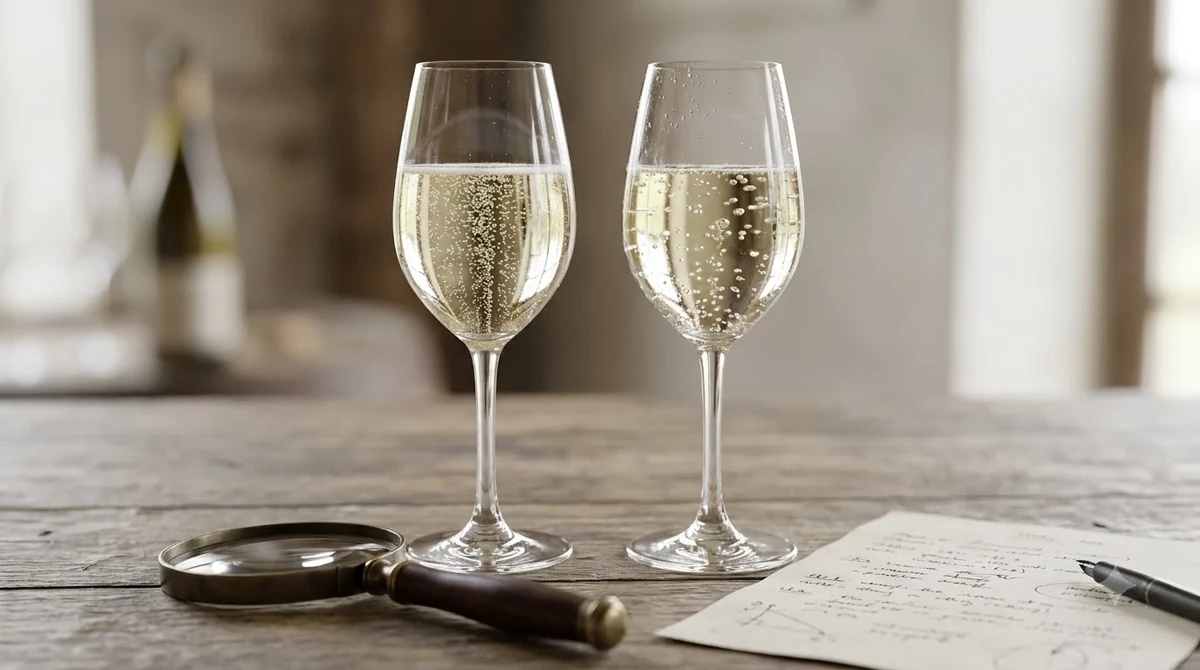
The affordable sparkling wine category covers several distinct styles. A crisp Spanish Cava can suit someone who prefers dry, refreshing wine, while a fruit-forward Prosecco may appeal to guests who enjoy softer, more immediately accessible flavors. A traditional-method domestic sparkling wine can offer a more structured alternative for someone who appreciates the texture associated with bottle fermentation.
There is also a practical difference between buying for a group and buying for a specific meal. A party bottle should generally be approachable, refreshing, and easy to serve. A dinner bottle benefits from enough acidity and structure to complement the dishes on the table. For either situation, selecting a style before selecting a producer makes the decision easier.
Choose according to the occasion
For brunch, consider Prosecco or a fresh Brut sparkling wine. Their lively fruit character works with eggs, fruit, pastries, and lighter breakfast dishes. If the menu includes fried chicken, salty appetizers, or richer foods, a dry traditional-method sparkling wine can provide refreshing acidity and bubbles that help balance the meal.
For a formal toast, a traditional-method Cava or domestic sparkling wine can provide a more structured impression than a particularly fruity tank-method wine. This does not mean that one method is automatically superior. It simply means the production method influences texture and aroma, so choosing according to the occasion is more useful than assuming that every bottle with a cork will taste alike.
For casual entertaining, look for a recognizable style and a sweetness level that most guests will enjoy. Brut is a sensible starting point because it generally tastes dry while retaining enough fruit to remain approachable. If the group prefers sweeter wine, an Extra Dry or Demi-Sec selection may be more suitable.
Readers comparing other affordable bottles for a larger gathering may also find our guide to best cabernet sauvignon under 20 useful when planning a selection that includes both red and sparkling wines.
Key Factors to Compare
The most useful comparisons are production method, sweetness, acidity, grape variety, and bottle format. These five details reveal more about the likely drinking experience than decorative packaging or a prestigious-sounding label.
| Factor | What to look for | Why it matters |
|---|---|---|
| Production method | Traditional method or tank method | Influences texture and aroma |
| Sweetness | Brut, Extra Dry, Demi-Sec | Determines perceived sweetness |
| Acidity | Fresh citrus and crisp apple character | Helps balance food and richness |
| Grape variety | Glera, Chardonnay, Pinot Noir, or Xarel-lo | Influences fruit, body, and structure |
| Origin | Spain, Italy, France, or the United States | Provides clues about regional style |
| Bottle format | 750 ml standard bottle | Usually provides about five 5 oz pours |
| Serving temperature | 40–50°F | Preserves freshness and lively bubbles |
Production method and texture
The traditional method produces bubbles through a second fermentation inside the bottle. After fermentation, the wine remains in contact with spent yeast cells, known as lees. This process can contribute aromas of bread, pastry, brioche, and cream. The duration of lees aging influences the intensity of those characteristics.
The tank method produces the second fermentation in a sealed pressurized tank rather than individual bottles. It is commonly associated with Prosecco. Because this approach emphasizes fresh fruit and floral aromas, it is particularly suitable for wines intended to be enjoyed young. Neither method guarantees quality on its own, but each gives shoppers a useful indication of the style they are purchasing.
For a clearer explanation of the differences between these processes, the WSET guide to sparkling wine production methods explains how fermentation, lees aging, and dosage shape the finished wine.
Sweetness and acidity
Sweetness is especially important because sparkling wine terminology can be confusing. Brut is drier than Extra Dry, despite what the second term might suggest. A shopper who assumes that Extra Dry means less sugar can easily choose a bottle that tastes sweeter than expected.
Acidity matters just as much. A sparkling wine with lively acidity tastes refreshing and can cut through richer foods. Chardonnay-based sparkling wines often provide a balanced middle ground, while Sauvignon Blanc and Riesling are generally higher-acid varieties when used in other wine styles. Glera, the primary grape associated with Prosecco, is often appreciated for its fresh fruit character.
Producer and regional identity
Regional names are helpful because they connect a wine to particular production traditions. Cava comes from Spain, Prosecco comes from Italy, and Crémant is produced in several French regions outside Champagne. American producers also make sparkling wine using different grapes and production methods.
Wine Enthusiast’s coverage of affordable sparkling wine includes a Cava selection such as 1+1=3 NV Brut Sparkling Blend, described with apple blossom, celery salt, and crisp apple characteristics. Its coverage also discusses Montelvini NV Serenitatis Brut, an Asolo Prosecco Superiore noted for floral aromas and green apple. These examples demonstrate how regional identity can help shoppers anticipate flavor rather than relying on a generic sparkling-wine description.
Tip: Start with Brut Cava if you prefer a dry, food-friendly sparkling wine, or choose Prosecco if you want more obvious fresh fruit and floral character. Then compare producers within that style instead of comparing every sparkling wine on the shelf.
Step-by-Step: How to Choose a Bottle
A straightforward buying process prevents unnecessary spending and makes it easier to identify a bottle that suits the occasion. Follow these six steps before making your selection.
-
Decide whether you want dry or sweet bubbles.
Start by identifying the sweetness level you normally enjoy. Brut and Extra Brut are useful choices for dry-wine drinkers, while Extra Dry offers a somewhat sweeter impression. Demi-Sec is a better starting point for people who enjoy noticeably sweet sparkling wine.
-
Choose the production style.
For fresh fruit and floral aromas, investigate tank-method Prosecco. For more bread-like, creamy, or toasted characteristics, consider traditional-method Cava, Crémant, or domestic sparkling wine. Production method is a meaningful comparison even when two bottles have similar labels.
-
Choose a regional category.
Compare Spanish Cava, Italian Prosecco, French Crémant, and American sparkling wine. Cava is a useful starting point for traditional-method value, while Prosecco offers a recognizable fruity style. Crémant provides another French option for shoppers who want bottle-fermented sparkling wine.
-
Consider the food or occasion.
For oysters, seafood, and salty appetizers, a dry sparkling wine with refreshing acidity is a sensible choice. For fruit desserts, sweet pastries, or a dessert course, select a wine at least as sweet as the food. For a general celebration, a balanced Brut is usually versatile.
-
Compare the actual bottle details.
Look at the grape varieties, origin, sweetness designation, and production information. A bottle identified as Cava Reserva, for example, signals a different aging category from a basic young sparkling wine. Also consider whether the wine is white or rosé, since color and grape selection can influence the overall flavor profile.
-
Check the bottle format and serving plan.
A standard 750 ml bottle provides approximately five 5 oz servings. If you are hosting ten guests and expect everyone to have two glasses, plan on approximately four bottles, allowing a little extra if sparkling wine is the main drink. For a small toast, fewer bottles may be sufficient.
This approach is more reliable than selecting a bottle solely because its packaging resembles Champagne. A modestly presented Cava may be a more appropriate purchase for a dry-food pairing, while an accessible Prosecco may be the better choice for a casual reception.
Types and Styles Explained
Several sparkling wine categories offer interesting choices in this budget range. Understanding the difference between Cava, Prosecco, Crémant, domestic sparkling wine, and rosé helps narrow the selection before comparing individual bottles.

Spanish Cava
Cava is one of the strongest categories to investigate when looking for traditional-method sparkling wine at an accessible price. Its second fermentation takes place in the bottle, and contact with the lees can contribute additional texture and savory aromas. The category is particularly useful for shoppers who enjoy crisp acidity with some complexity.
Common traditional Cava varieties include Macabeo, Xarel-lo, and Parellada. Chardonnay can also appear in certain bottlings. Depending on the blend and aging, flavors can include lemon, green apple, pear, almonds, and subtle toast.
Brut Cava is a practical choice for seafood, fried appetizers, and salty snacks. Its acidity provides freshness, while its bubbles complement foods with crisp textures. For someone who wants a traditional-method wine without making Champagne the entire budget, Cava deserves an early place on the shopping list.
Italian Prosecco
Prosecco is generally made primarily from Glera grapes and uses the tank method for its secondary fermentation. This process helps preserve fresh fruit and floral aromas. Typical characteristics include pear, apple, citrus, and white flowers.
Prosecco DOC and Prosecco DOCG are two useful designations to recognize. DOCG includes the more specific Conegliano Valdobbiadene and Asolo Prosecco Superiore appellations. Both categories can offer enjoyable bottles, but shoppers should not assume that the higher designation automatically means a wine will better suit their personal taste.
Prosecco is particularly appropriate for brunch, light appetizers, and spritz-style cocktails. It also works well with fruit-based snacks and mild cheeses. If you want a more detailed explanation of the sweetness differences, our article on dry sparkling wine can help distinguish the driest options from fruitier alternatives.
French Crémant
Crémant is an important alternative for people who enjoy traditional-method sparkling wine. It is made in several French regions outside Champagne, and the permitted grapes vary by region. Crémant d’Alsace, for example, can use varieties such as Pinot Blanc, Riesling, and Auxerrois, while other regions have their own grape traditions.
Because of its bottle-fermentation process, Crémant can develop some of the same broad texture and yeast-derived aromas associated with Champagne. However, the grape combinations and regional expressions create a broader range of flavors. A dry Crémant can work with seafood, soft cheeses, roasted vegetables, and appetizers.
Wine Enthusiast specifically highlights Crémant as a traditional-method option with diverse grape varieties and strong value potential. This makes it worth comparing with Cava rather than assuming that all affordable European sparkling wine comes from Spain or Italy.
American sparkling wine
Domestic sparkling wine offers another route to a suitable bottle. Producers in California, Washington, New Mexico, and other wine regions make sparkling wines with different grape combinations and production techniques.
Some American bottlings use Chardonnay and Pinot Noir in traditional-method blends, while others prioritize approachable fruit and straightforward freshness. Gruet Brut is an example of a domestic sparkling wine discussed in American sparkling wine coverage, while Total Wine’s selection also includes Cruse Brut Sparkling Wine.
American sparkling wine can be especially convenient for shoppers who want to explore local producers or find a bottle that works for a mixed group of guests. Comparing the production method and sweetness designation remains more useful than choosing solely by country.
Rosé sparkling wine
Rosé sparkling wine provides a slightly different presentation and can introduce red-fruit flavors such as strawberry, raspberry, and cherry. Depending on the grapes and production method, the wine can be delicate and refreshing or more structured and savory.
Rosé Cava is a useful category to explore if you want traditional-method bubbles with a fruit-forward character. Rosé Prosecco is another option for people who prefer fresh, approachable fruit. Both can work with charcuterie, grilled shrimp, fruit platters, and light appetizers.
Understanding sweetness terminology
The following terms appear on sparkling wine labels and provide a useful guide to residual sugar. The ranges below are expressed in grams per liter and describe the general classification boundaries used for these sparkling styles.
| Label term | Residual sugar | Typical impression |
|---|---|---|
| Brut Nature | 0–3 g/L | Very dry |
| Extra Brut | 0–6 g/L | Very dry |
| Brut | 0–12 g/L | Dry |
| Extra Dry | 12–17 g/L | Lightly sweet impression |
| Dry | 17–32 g/L | Noticeably sweeter |
| Demi-Sec | 32–50 g/L | Sweet |
| Doux | 50+ g/L | Very sweet |
These classifications explain why Extra Dry Prosecco can taste sweeter than Brut Cava. The terminology is not an indication of how strong the bubbles are or how much alcohol the wine contains. It refers to sweetness, which is adjusted through dosage and other production decisions.
Readers who prefer a softer, fruitier bottle can explore our guide to sweet sparkling wine for a more focused look at sweeter styles and occasions.
Common Mistakes When Buying Budget Sparkling Wine
The biggest shopping mistakes involve confusing sweetness terms, assuming that price predicts quality, and selecting a wine without considering its intended use. A little attention to the label can prevent all three problems.
Assuming Extra Dry means drier than Brut
This is one of the most common misunderstandings in the sparkling wine category. Extra Dry generally contains more residual sugar than Brut, so it can taste rounder and sweeter. Someone who normally drinks very dry Champagne may find Extra Dry Prosecco sweeter than expected.
If your preference is a crisp, dry wine, begin with Brut, Extra Brut, or Brut Nature. If you like a touch of sweetness, Extra Dry is a reasonable alternative. For dessert, a Demi-Sec or Doux style may be more appropriate.
Expecting inexpensive Champagne characteristics
Not every bottle of sparkling wine is Champagne, and the name refers to a specific French region and its production rules. A Cava or Prosecco can be excellent in its own style without reproducing the exact flavor profile of Champagne.
Traditional-method wines can develop toast, brioche, and creamy texture through lees aging, but the amount of time spent on the lees varies. A young sparkling wine designed around fresh apple and citrus should not be judged by whether it tastes like an aged Champagne.
Buying only according to packaging
Heavy glass, elaborate labels, and decorative foil do not establish wine quality. These details may make a bottle attractive for gifting, but they do not reveal the grape varieties, fermentation method, or sweetness level.
A better comparison starts with the wine itself. Consider a Spanish Brut Cava alongside an Italian Brut Prosecco. Both can be suitable for a gathering, but they may offer different texture and fruit characteristics. The right selection depends on the people drinking it and the food being served.
Ignoring food pairings
Even a refreshing sparkling wine can be disappointing if it is matched poorly with the menu. A very sweet bottle may overwhelm delicate seafood, while an extremely dry wine can taste austere beside a sweet dessert.
For a useful general rule, pair wine with food of similar or lower sweetness. Acidic foods need wine with equal or higher acidity. Salt and fat can soften the perception of tannin, although sparkling white wines generally avoid the heavy tannin structure found in some red wines.
Oily fish is generally better with a fresh white sparkling wine than a strongly tannic red. For spicy dishes, be careful with wines that have high alcohol or pronounced tannin, since these can intensify the sensation of chili heat. A refreshing, fruit-forward sparkling wine may be a more comfortable choice.
Serving the wine too warm
Warm sparkling wine can seem less refreshing and may release its aromas and bubbles more quickly after opening. For most sparkling wines, a serving temperature of 40–50°F is a practical target.
Very cold wine can also conceal some aromatic detail, so the objective is not to freeze the bottle. A properly chilled bottle should feel refreshing while allowing its fruit and acidity to remain recognizable.
Care and Storage Tips
Proper storage protects freshness and helps preserve the character of an affordable sparkling wine. Temperature, light exposure, bottle handling, and the way the wine is closed after opening all influence the experience.
Store unopened bottles correctly
Keep sparkling wine in a cool, dark place away from direct sunlight and sudden temperature changes. A storage temperature near 55°F is a useful general target for wine storage. Bottles intended for longer storage can be kept on their sides when they have traditional cork closures, although short-term storage before a celebration does not require complicated cellar arrangements.
A kitchen cabinet beside an oven or a shelf exposed to afternoon sunlight is not a good long-term location. Heat can accelerate unwanted changes in wine, while frequent temperature fluctuations can affect its freshness. If a dedicated wine refrigerator is available, a stable environment is preferable to a warm household cupboard.
Chill before opening
Bring the bottle to approximately 40–50°F before serving. Refrigeration for several hours is generally convenient, while an ice bucket containing ice and water can chill a bottle more quickly. The water helps transfer cold around the bottle more evenly than ice alone.
Avoid shaking the bottle or handling it roughly. Sparkling wine contains dissolved carbon dioxide under pressure, and unnecessary agitation can cause excessive foaming when the closure is removed.
Open carefully
Remove the foil and loosen the wire cage while keeping a hand over the cork. Hold the cork securely and turn the bottle slowly rather than twisting the cork forcefully. A controlled release is safer and helps retain more wine in the bottle.
Once open, pour gently into clean sparkling wine glasses. A standard 5 oz pour is suitable for a 750 ml bottle that is expected to provide approximately five servings. Narrow flutes help preserve the visual stream of bubbles, while wider white wine glasses allow more room for aromas to develop.
Preserve opened sparkling wine
After serving, use a proper sparkling wine stopper and return the bottle to the refrigerator. Opened sparkling wine generally keeps its most appealing character for approximately one to three days, although freshness and bubble retention vary by wine, stopper, and storage conditions.
Do not rely on an ordinary still-wine cork to preserve carbonation. A stopper designed for sparkling wine is better suited to the pressure inside the bottle. If the wine has lost most of its bubbles or developed stale aromas, it is unlikely to offer the same experience as it did immediately after opening.
For a party, consider opening bottles in stages instead of opening every bottle at the beginning. This keeps more of the wine fresh and reduces unnecessary waste. It also makes it easier to serve different styles to guests who prefer dry Cava or fruitier Prosecco.
More general wine-shopping and serving advice is available through our wine buying resource, which can help with selecting bottles for different occasions and budgets.
Frequently Asked Questions
Can sparkling wine under 20 be used for mimosas?
Yes. Prosecco and other fresh, fruit-forward sparkling wines are common choices for mimosas. A Brut or Extra Dry bottling can work depending on how sweet the orange juice is and how sweet you want the finished cocktail to taste. Very complex, lees-aged sparkling wines are usually unnecessary for a mixed drink.
Does sparkling wine contain more alcohol than still wine?
Not necessarily. Alcohol content depends on the grapes, fermentation, and finished wine style rather than carbonation alone. Many everyday sparkling wines fall within a moderate alcohol range, but individual bottles can vary considerably. The alcohol percentage is usually printed on the back label.
Can sparkling wine be used in cooking?
Yes. Dry sparkling wine can be used in sauces, seafood preparations, and risotto. It can add acidity and a light wine character to a dish, although most of its carbonation disappears during cooking. Avoid using an expensive bottle for a recipe that requires only a small amount of wine.
Are sparkling wines with natural sediment safe to serve?
Some traditionally made and minimally filtered sparkling wines retain yeast sediment. This can be an intentional part of the wine’s production rather than a sign of spoilage. Depending on the producer’s instructions and style, the bottle may be served carefully to leave sediment behind or gently handled to distribute it.
Why do some sparkling wines have different bubble sizes?
Bubble formation depends on dissolved carbon dioxide, glass cleanliness, temperature, and the physical characteristics of the wine. Tiny particles and microscopic imperfections in glassware can provide nucleation points where bubbles form. Bubble size alone is not a reliable measure of wine quality.
The strongest starting points for an affordable sparkling wine are Brut Cava, fresh Prosecco, and traditional-method Crémant or domestic sparkling wine. Choose according to sweetness, production method, and the food being served rather than relying on packaging or prestige. With those basics in mind, a bottle within your budget can make an excellent choice for both everyday occasions and celebrations.
More in Wine Buying Guides
 Riesling Gift: Choose a Bottle They’ll LoveUpdated Nov 21, 2026
 Sweet Red Wine Gift: Choose a Bottle They’ll LoveUpdated Nov 21, 2026
 Malbec Gift: How to Choose a Memorable Bottle for Any OccasionUpdated Nov 21, 2026
 Sherry Gift Ideas That Match Every Wine LoverUpdated Nov 21, 2026
 Moscato Gift: How to Choose a Sweet Wine They’ll LoveUpdated Nov 21, 2026
 Merlot Gift: How to Choose a Bottle They’ll AppreciateUpdated Nov 21, 2026