

We may earn a commission when you buy through links on this page, at no extra cost to you. Learn more.
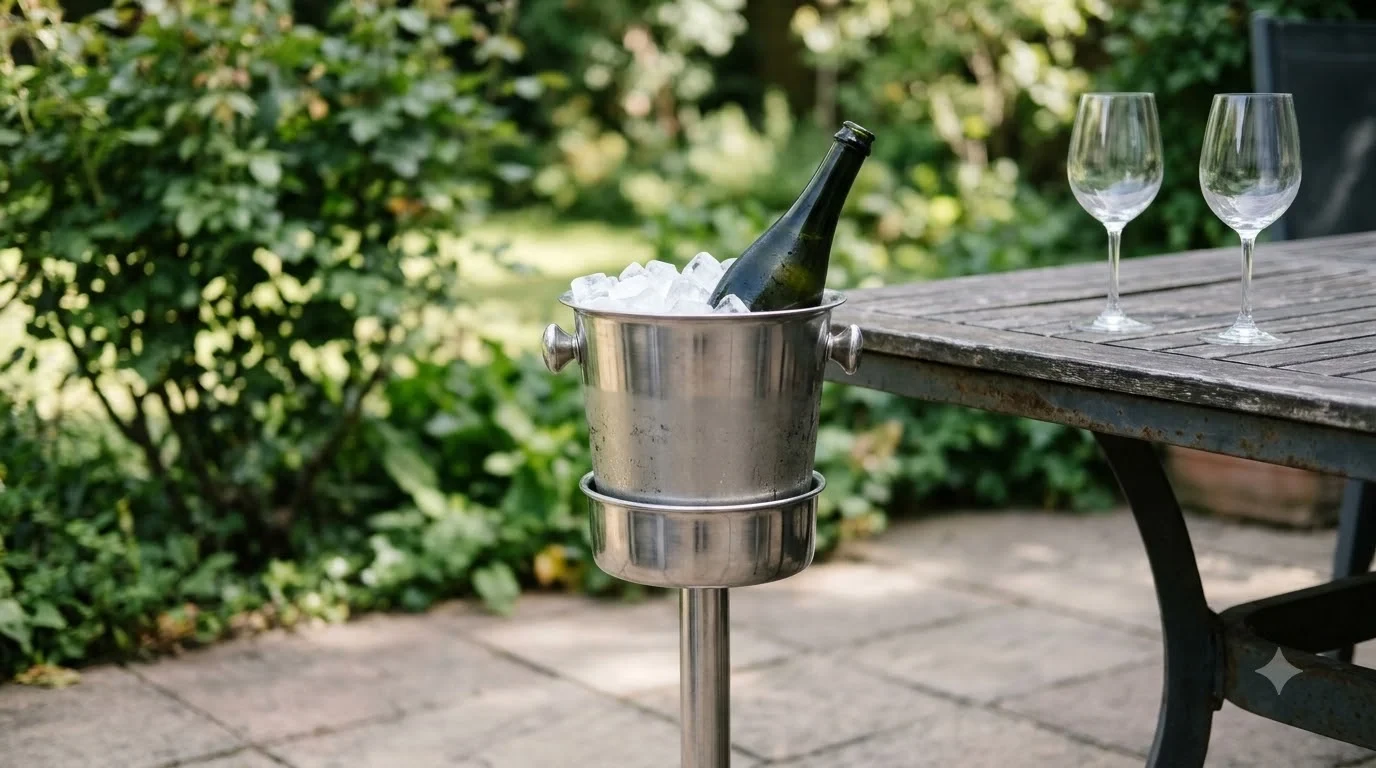
The best wine bucket stand is a sturdy, height-adjustable stand that holds an ice bucket at table level, drains well, and fits the room where you serve. A stand keeps the bucket off the floor and out of the way, so the right choice depends on the bucket size, the height of your table or bar, and how you plan to chill and serve.
A wine bucket stand is a small piece that makes chilling wine at the table easier. It keeps the ice bucket steady, lifts it to a comfortable height for guests, and protects the floor from drips. This guide explains what to look for in a wine bucket stand, how the material and height affect daily use, and which setups suit different ways of entertaining.
Quick Comparison of Wine Bucket Stand Types
Wine bucket stands come in a few common styles. Some are simple tripods made for a single bucket, while others are tall pedestal designs that suit a dining room or bar. The table compares the main types on the criteria that matter most at the table.
| Stand type | Stability | Height | Best fit |
|---|---|---|---|
| Tripod or three-leg | Good on level floors | Low to mid | Patios and casual gatherings |
| Tall pedestal | Strong when the base is wide | Mid to high | Dining rooms and bars |
| Tray with stand | Catches drips well | Low | Small tables and sideboards |
| Freestanding caddy | Varies with the base | Adjustable | Mixed-use living spaces |
Height is the detail most often overlooked. A stand that is too low forces guests to bend, and one that is too tall can tip if the base is narrow. Measure the table or bar before you choose, and keep the bucket’s rim at a comfortable reach.
The stand you choose should suit the way you host. A casual get-together with a cooler on the grass has different needs from a formal dinner with a set table, and a stand that works well in one setting may feel out of place in the other. The sections below group the common setups by where and how people drink, so you can match the stand to your own space.
Best for Casual Patio Gatherings
Outdoor entertaining needs a stand that handles uneven ground and the occasional bump. A wide tripod with a drain tray keeps the bucket stable and makes it easier to move between the grill and the table.
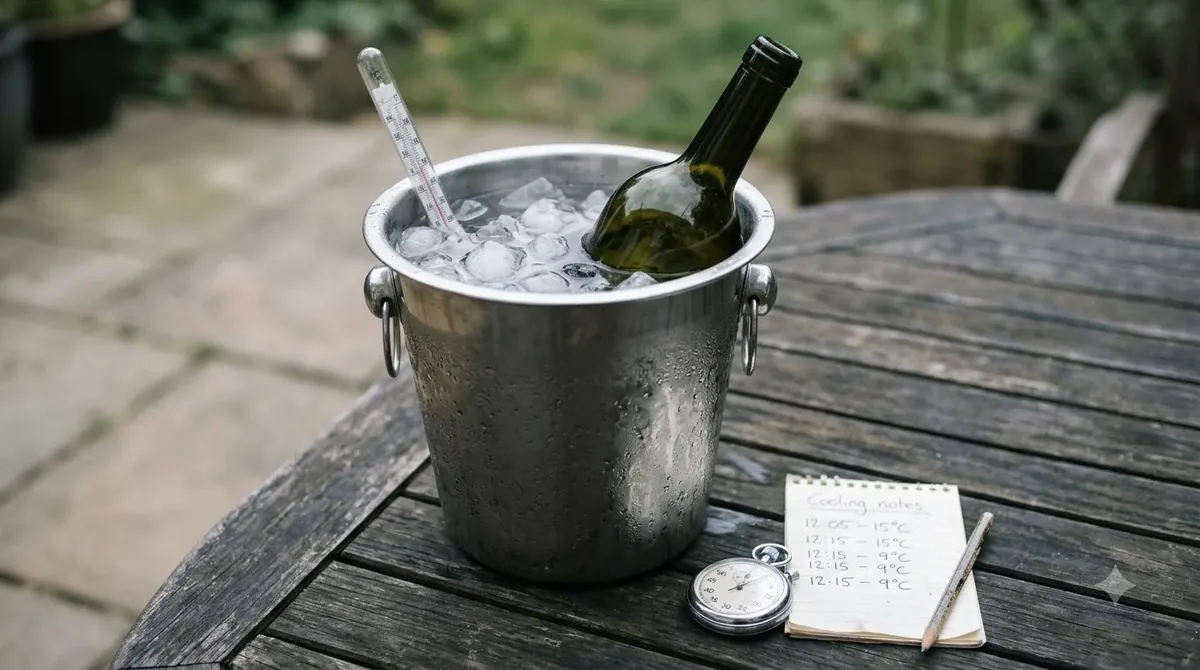
Why it stands out: A wide base resists tipping on grass or patio stones, and a drain tray keeps water off the surface.
Keep in mind: Empty and dry the stand after each use so that metal parts do not rust.
Best for: Backyard hosts who serve a few bottles at a time.
Best for Dining Rooms and Formal Tables
A dining room calls for a stand that looks finished and sits at a comfortable height beside a chair. A tall pedestal design with a clean base suits this setting, especially when the bucket matches the table settings.
Why it stands out: A tall stand keeps the bottle within reach without placing the bucket on the floor.
Keep in mind: Check that the base is wide enough for the bucket’s weight when it is full of ice and water.
Best for: Hosts who serve wine during a seated dinner.
Best for Small Tables and Tight Spaces
When the table is small, a low stand or a tray-style design keeps the bucket out of the way of plates and glasses. A tray also catches drips, which helps when condensation builds up on a cold bottle.
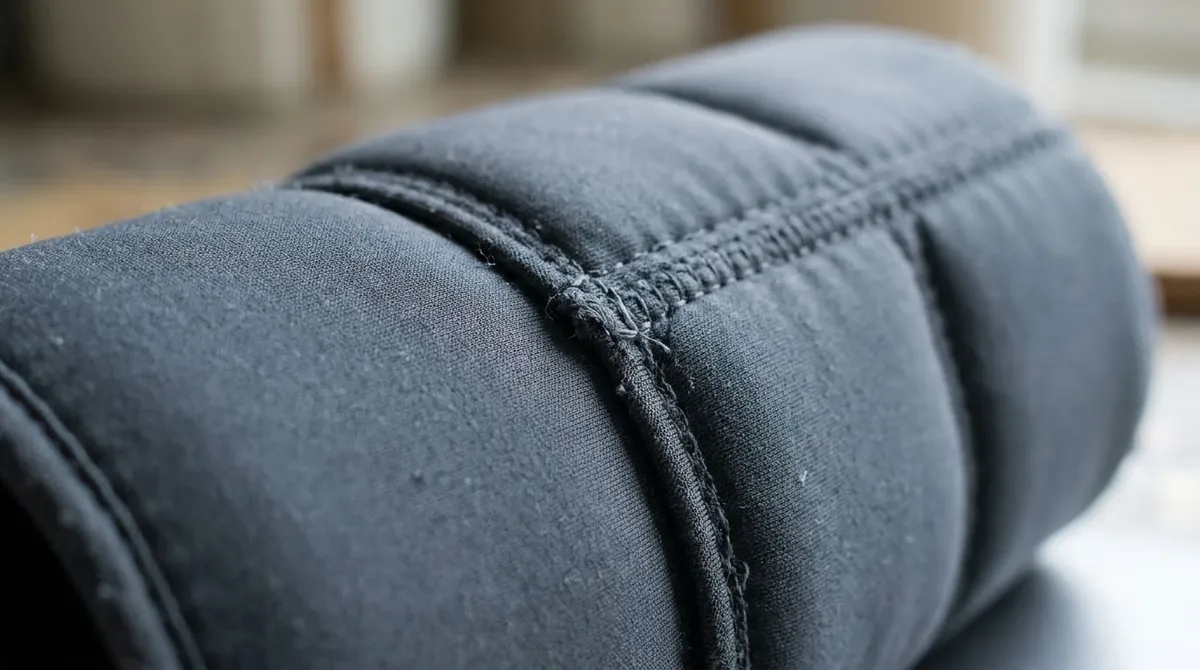
Why it stands out: A low profile and a tray keep the table clear and protect the surface.
Keep in mind: Low stands suit smaller buckets. A large bucket can make a low stand unstable.
Best for: Couples and small households who drink wine at a side table.
Best for Serving Sparkling and White Wines
Sparkling wines and light whites benefit from being kept cold during the meal. The Wine Folly serving temperature guide lists sparkling and light-bodied whites between 3 and 7 °C (38 and 45 °F), with rosé and full-bodied whites between 7 and 12 °C (44 and 55 °F). A stand that holds the bucket steady helps keep those bottles in range without constant handling.
Why it stands out: A stable stand keeps the bucket in place, so the bottle stays chilled while guests pour.
Keep in mind: Ice melts at its own pace, so top it up during long meals and do not rely on a single fill.
Best for: Parties that open sparkling wine or serve several white styles.
Best for Bars and Entertaining Carts
A bar or serving cart needs a stand that fits next to glasses and bottles. A caddy-style stand with an adjustable height lets you match the bucket to the counter, and a removable tray keeps the surface dry.
Why it stands out: An adjustable height fits both a bar counter and a lower cart, so one stand can work in more than one spot.
Keep in mind: Carts can roll or tip when loaded, so lock the wheels or choose a wider base.
Best for: Hosts who build a drinks station and want everything on one surface.
How to Choose a Wine Bucket Stand
A stand does more than hold a bucket. It defines where the chilling station sits, and that position affects how guests move and how easily the bottles are reached. Think about the traffic path from the kitchen to the table before you place the stand, so that people are not reaching across the room for a refill.
Start with the table or bar height, then check the bucket size and the surface it will sit on. The checklist below covers the details that make a stand practical.
- Height: Match the rim of the bucket to a comfortable reach from a seated or standing guest.
- Base width: Choose a wider base for uneven ground or a full bucket.
- Drainage: A tray or a drain hole keeps water off the surface.
- Material: Choose a finish that resists rust if you plan to use it outdoors.
- Bucket fit: Confirm that the stand holds the bucket you own without wobbling.
Pairing a stand with a bucket is only part of the setup. For more serving ideas, the bar cart guide covers how to organize a drinks station, and the accessories library lists related tools.
Keep the setup simple. A good stand, a bucket that fits it, and a steady supply of ice cover most needs. Extra accessories such as tongs or a towel are useful, but the stand and the bucket do the main work. Set the stand where it stays dry, and clear the surface before guests arrive so the bucket has room.
Ice needs attention during a long evening. Check the bucket every hour or so, add fresh ice when the level drops, and pour off extra meltwater so the bottles do not sit in water that is warmer than the ice. These small habits keep the stand useful from the first pour to the last.
Frequently Asked Questions
Do I need a wine bucket stand if I have an ice bucket?
A stand is not required, but it keeps the bucket off the floor, lifts it to a comfortable height, and makes it easier to reach. It helps most during longer meals or when guests are standing.
How tall should a wine bucket stand be?
Choose a height that puts the bucket rim within easy reach. For a dining table, the rim often sits near the seat’s height, and for a bar, near the counter edge. Measure your own space before buying.
What temperature should sparkling wine be served at?
Wine Folly’s serving guide lists sparkling and light-bodied whites between about 3 and 7 °C (38 to 45 °F). Keep the bottle in the bucket during the meal to hold that range.
Is a tray-style stand better than a tripod?
It depends on the setting. A tray catches drips and suits tables, while a tripod is often more stable on uneven ground. Pick the style that matches where you serve most often.
Before you buy, picture the stand in the space where it will live, not just on a product page. A stand that looks right in a photo can feel too tall for a small table or too low for a standing crowd. Take a minute to measure, check the base width, and confirm the bucket you own fits without tipping. A wine bucket stand is a small upgrade that makes serving easier and keeps the table tidy. Measure the space, match the height to your guests, and choose a base that holds the bucket steadily. For more ideas on keeping a drinks station organized, browse the glass count guide to plan how many glasses you need for a party.
More in Wine Accessories
 Coravin Vs Vacu Vin: Choose the Right Wine Saver for Your BottlesUpdated Nov 21, 2026
 Zwilling Wine Stopper Review: Preserve Open Bottles LongerUpdated Nov 21, 2026
 Wine Enthusiast Wine Preserver Review: Features, Benefits and LimitationsUpdated Nov 21, 2026
 Wine Enthusiast Wine Stopper: An Easier Way to Reseal Open BottlesUpdated Nov 21, 2026
 Vintorio Wine Opener: Two-Step Cork RemovalUpdated Nov 21, 2026
 Zwilling Wine Aerator Review: Aerate, Pour, and Seal With One ToolUpdated Nov 21, 2026