

We may earn a commission when you buy through links on this page, at no extra cost to you. Learn more.
Tawny port sugar content typically ranges from 90 to 130 grams of residual sugar per liter (g/L), placing most bottles firmly in the sweet wine category. Because winemakers halt fermentation early by adding neutral grape spirit, natural grape sugars remain unfermented in the glass alongside 19 to 22 percent alcohol by volume. In a standard 3-ounce dessert pour, that translates to roughly 8 to 12 grams of sugar, though decades of oak aging and natural evaporation can push ultra-aged bottles even higher.
Understanding how much sugar sits inside a bottle of tawny port helps you serve it at the right temperature, pair it with both sweet and savory dishes, and avoid palate fatigue. While ruby port and tawny port start their lives in the Douro Valley using nearly identical fortification methods, years of oxidative aging in small wooden casks completely transform how that sweetness tastes on your palate.
What Is Tawny Port Sugar Content?
Most standard and aged tawny ports contain between 90 and 130 grams per liter of residual sugar, which equates to roughly 9 to 13 percent sweetness by volume. This places tawny port squarely alongside other classic fortified dessert wines rather than dry table wines.
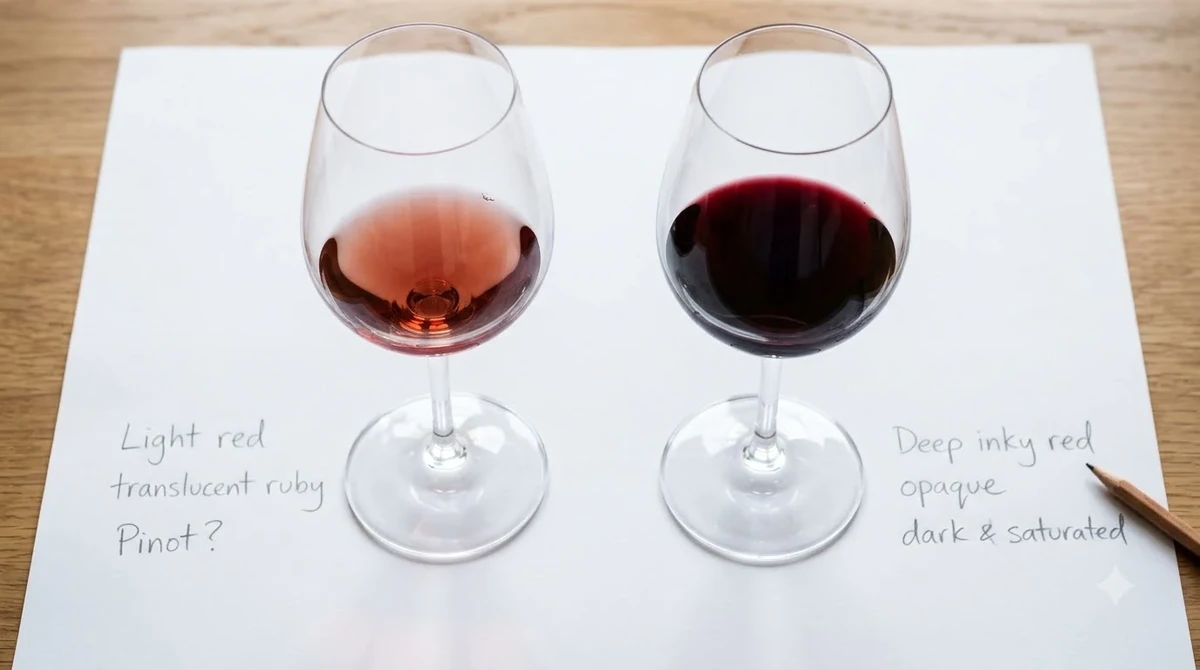
In the wine industry, residual sugar (RS) measures the natural grape sugars—primarily glucose and fructose—left behind after yeast stops converting sugar into alcohol. Dry table wines generally sit below 4 grams per liter, while off-dry Rieslings hover around 15 to 45 grams per liter. By comparison, a typical 10-year or 20-year tawny port carries roughly 110 to 126 grams per liter of residual sugar, giving it a lush, viscous texture that coats the mid-palate.
According to the Instituto dos Vinhos do Douro e Porto (IVDP), the official regulatory body governing Port wine in Portugal, producers classify Port sweetness across five distinct tiers ranging from extra dry to very sweet. While white ports are commonly bottled across dry and medium-dry styles, red tawny ports almost always land in the sweet (90 to 130 g/L) or very sweet (over 130 g/L) brackets.
To put those laboratory numbers into practical perspective, a standard 3-ounce (88 ml) pour of a 112 g/L tawny port delivers approximately 9.9 grams of sugar—roughly two and a half teaspoons. Because Port is served in smaller pours than a standard 5-ounce glass of table wine, the actual sugar intake per serving remains comparable to a small glass of sweet sparkling wine or a light fruit juice, while the broader port sugar content spectrum explains how ruby and white styles compare.
How Fortification and Aging Shape Sweetness
Tawny port gets its signature sweetness from a winemaking technique called fortification, where neutral grape brandy is added mid-fermentation to preserve natural grape sugars. Over subsequent decades in wooden barrels, slow evaporation concentrates both the remaining sugar and the wine’s natural acidity.
During harvest in Portugal’s Douro Valley, indigenous red grapes such as Touriga Franca, Touriga Nacional, and Tinta Roriz are crushed and fermented until roughly half of their natural sugar has converted into alcohol. At this exact moment, winemakers add aguardente—a clear, high-proof neutral grape spirit—bringing the tawny port alcohol content up to around 19 to 20 percent ABV. The elevated alcohol level halts yeast activity immediately, locking unfermented grape sugar into the wine permanently.
Once fortified, tawny port enters small seasoned oak casks known as pipes, which hold roughly 550 liters of wine. Unlike ruby ports, which age in massive vats to preserve bright fruit and deep purple color, tawny ports breathe slowly through porous wood staves for 10, 20, 30, or more years. As water and alcohol gradually evaporate through the oak—a phenomenon cellarmasters call the angel’s share—the wine inside becomes increasingly concentrated.
This slow concentration explains why very old tawny ports and single-harvest Colheitas frequently exceed the standard 130 g/L mark. For example, tasting notes from wine critics frequently document 40-year-old blends sitting around 117 g/L, while rare 50-year-old and 80-year-old releases from historic estates can climb to 181 g/L and 192 g/L respectively, with alcohol reaching the legal upper limit of 22 percent ABV.
Tawny Port Sweetness by Style and Age
While young tawny reserves and 10- to 20-year-old blends cluster tightly between 100 and 126 grams per liter, extended barrel maturation pushes rare 30-year-old, 40-year-old, and Colheita bottlings toward higher sugar concentrations. Every age designation reflects an average blend profile rather than a strict minimum barrel time.
| Tawny Port Style | Typical Residual Sugar (g/L) | Sugar per 3 oz Pour | Perceived Sweetness Profile |
|---|---|---|---|
| Fine / Reserve Tawny | 95 – 115 g/L | 8.4 – 10.1 g | Fruity, moderately sweet, light-to-medium body |
| 10-Year-Old Tawny | 100 – 120 g/L | 8.8 – 10.6 g | Balanced caramel, dried fig, and bright acidity |
| 20-Year-Old Tawny | 110 – 126 g/L | 9.7 – 11.1 g | Silky hazelnut, orange peel, integrated sweetness |
| 30- & 40-Year-Old Tawny | 117 – 145 g/L | 10.3 – 12.8 g | Intense, concentrated, tangy acidity offsets sugar |
| Colheita / Very Old Tawny | 125 – 190+ g/L | 11.0 – 16.7+ g | Viscous, complex toffee and espresso, vibrant lift |
A fascinating paradox happens as tawny port ages: even when laboratory measurements show higher residual sugar, older tawnies often taste drier than younger ones. Years of oxidative aging strip away primary jammy fruit flavors, replacing them with savory notes of roasted walnuts, toasted almonds, cedar, and espresso. Without fresh berry sweetness dominating the front of your tongue, the wine comes across as structured and nutty rather than syrupy.
At the same time, evaporation concentrates tartaric and malic acids alongside the sugars. A 50-year-old tawny with 181 g/L of residual sugar might carry over 8.6 grams per liter of total acidity, creating a mouthwatering tension that cleanses the palate after every sip. Reviewers at Wine Folly note that this interplay between nutty oxidation and crisp acidity is precisely why aged tawny appeals even to drinkers who normally avoid sweet wines.
How Serving Temperature Affects Perceived Sweetness
Serving tawny port slightly chilled—between 55°F and 60°F (13°C to 16°C)—keeps its residual sugar crisp and refreshing rather than heavy. Warm room temperatures amplify alcohol heat and make high sugar levels feel cloying on the palate.
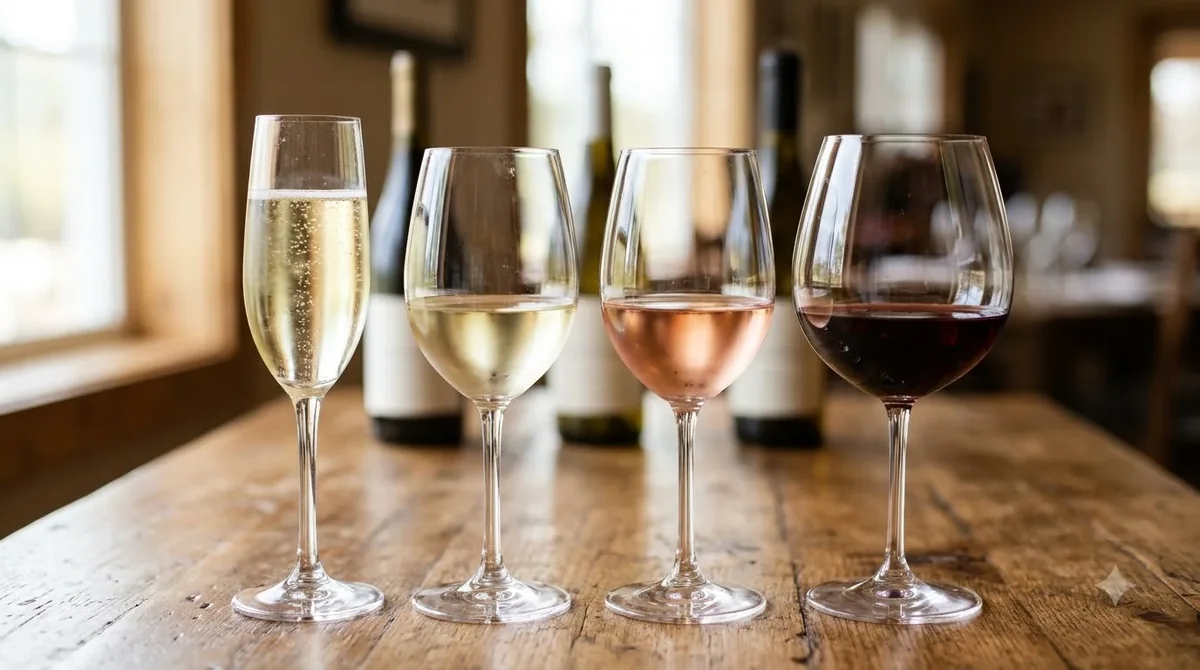
Many people mistakenly treat all red fortified wines like Cabernet Sauvignon, leaving bottles on a warm dining table at 70°F or higher. At warm temperatures, ethanol vapors rise aggressively out of the glass and sugar coats the tongue heavily, masking delicate aromatics of dried apricot, cinnamon, and orange zest. Putting the bottle in the refrigerator for 30 to 45 minutes before pouring brings it right into the ideal cellar temperature zone.
Glassware also plays a subtle role in managing sweetness. A smaller tulip-shaped dessert wine glass or a standard ISO tasting glass concentrates the nutty, caramelized aromas while guiding the liquid toward the center of the palate, where acidity and alcohol balance the sugar evenly. Avoid oversized Bordeaux bowls, which allow alcohol fumes to overwhelm the wine’s nuanced bouquet.
Tip: Because tawny port is already fully oxidized during barrel aging, an opened bottle stays fresh in the refrigerator for four to six weeks without losing flavor.
If you enjoy mixing drinks, tawny port’s natural sugar and nutty depth also work remarkably well behind the bar. Bartenders frequently use 10-year tawny in place of sweet vermouth or simple syrup when building a tawny port cocktail, letting the wine’s inherent 110 g/L sweetness soften bitter amari or high-proof whiskey without adding extra sweeteners.
Food Pairings That Balance Tawny Port Sugar
Tawny port pairs best with desserts that are slightly less sweet than the wine itself, or with salty, umami-rich savory dishes that create high-contrast flavor balance. Matching the wine’s intensity ensures neither the food nor the bottle tastes flat.
When pairing with sweets, follow the classic sommelier rule: keep the wine sweeter than the plate. If you serve a 115 g/L tawny port alongside intensely sugary frosting or milk chocolate, the dessert will overwhelm the wine and make it taste thin and overly alcoholic. Instead, opt for custard-based desserts with caramelized tops—such as crème brûlée—or nut-driven pastries like pecan tart, almond biscotti, and apple tarte Tatin, where toasted flavors mirror the wine’s barrel-aged character.
Savory pairings reveal an entirely different side of tawny port’s sugar profile. Salt acts as a natural foil to residual sugar, making aged cheeses extraordinary companions. Hard, crystalline cheeses like aged Manchego, Parmigiano-Reggiano, and aged Gouda bring nutty saltiness that cuts straight through 120 g/L of sweetness, while creamy blue cheeses offer a pungent richness that stands up to the wine’s 20 percent ABV.
Beyond the cheese board, young 10-year tawny ports pair surprisingly well with rich appetizers like duck rillettes, chicken liver pâté, or roasted chestnuts. If you are exploring how fortified styles fit alongside dry reds and whites across a full meal, browsing a breakdown of Wine by Type can help you sequence sweet and savory courses smoothly.
Frequently Asked Questions
Does tawny port have more sugar than ruby port?
No, tawny port and ruby port have very similar residual sugar levels, typically sitting between 90 and 130 grams per liter. Ruby port often tastes sweeter because it is bottled young to preserve fresh berry fruit, whereas tawny port develops nutty, savory flavors from years in oak barrels.
How many grams of sugar are in a glass of tawny port?
A standard 3-ounce serving of tawny port contains roughly 8.5 to 12 grams of residual sugar, depending on the producer and age designation. Older 30-year or 40-year bottlings concentrated by barrel evaporation can contain up to 13 or 15 grams per 3-ounce pour.
Why does 20-year tawny port taste less sweet than younger port?
Extended barrel aging exposes tawny port to slow oxidation, transforming simple fruity notes into complex flavors of toasted walnuts, leather, and dried citrus peel. Simultaneously, evaporation concentrates natural tartaric acidity, which sharpens the finish and balances the sugar on your palate.
Is there such a thing as dry tawny port?
True dry tawny port is exceedingly rare because traditional tawny production relies on halting fermentation early to retain sweetness for long-term aging. While Portugal’s IVDP recognizes dry and extra-dry Port categories, those styles are almost exclusively produced as white ports meant for chilled aperitifs.
Knowing the sugar profile behind each bottle takes the guesswork out of buying and serving tawny port. Whether you pour a lightly chilled 10-year bottling beside a salty cheese board or savor an older Colheita after dinner, balancing that natural grape sweetness with proper temperature and pairing brings every nutty layer into focus.
More in Wine Types & Grapes
 What Does Mourvèdre Taste Like? Flavor Profile, Regions, and PairingsUpdated Nov 20, 2026
 What Does Marsanne Taste Like? Flavors, Styles, and Food PairingsUpdated Nov 20, 2026
 What Does Malvasia Taste Like? Styles, Flavors, and Food PairingsUpdated Nov 20, 2026
 What Does Grenache Blanc Taste Like? Flavor Profile, Styles, and PairingsUpdated Nov 20, 2026
 What Does Garnacha Taste Like? Key Flavors, Styles, and Pairing TipsUpdated Nov 20, 2026
 What Does Fruit Wine Taste Like? A Complete Flavor and Style BreakdownUpdated Nov 20, 2026