

We may earn a commission when you buy through links on this page, at no extra cost to you. Learn more.
The best dry red wine brands are producers whose wines match the grape style, structure, and food you enjoy, rather than labels that promise one universal taste. Start with La Crema for a lighter Pinot Noir direction, Bonterra for medium-bodied Merlot, Decoy for California Cabernet Sauvignon, or Catena for Argentine Malbec. Each name points toward a different style, so compare the specific bottle and vintage instead of assuming every red from one producer tastes alike.
“Dry” describes sweetness, not how much a wine dries your mouth. A ripe, dark-fruited red can still be dry, while tannin, acidity, body, oak, and alcohol shape the way it feels at the table. This guide explains what to compare, how to shortlist producers, and how to serve a bottle so its structure works with dinner.
Who This Guide Is For: Everyday Reds and Special-Occasion Bottles
This guide is for shoppers choosing a dry red for weeknight meals, dinner parties, or a host gift. The right pick depends on whether you prefer Pinot Noir with roast chicken, softer Merlot with burgers, or firm Cabernet Sauvignon beside steak. It is also helpful when a group has different preferences: a medium-bodied red with balanced acidity is often a safer shared-table choice than a very tannic, heavily oaked bottle.
Dry wines have very little residual sugar after fermentation, although a small amount may remain. Ripe cherry, plum, blackberry, vanilla, or cocoa flavors do not automatically mean a wine is sweet. The WSJ Wine explanation of dryness versus tannin separates sugar from the gripping sensation tannin creates on the gums and cheeks.
Use producer names as starting points, not guarantees. La Crema offers a bright-acid Pinot Noir, Bonterra describes its Merlot as medium-bodied, Decoy’s California Cabernet has dark fruit and silky tannins, and Catena Alta is a 100% Malbec from Mendoza vineyard lots. For more on dry red wine, compare grape and structure before choosing a label.
Key Factors to Compare Before Choosing a Producer
Compare dryness, tannin, acidity, body, and flavor intensity before comparing brand names. A 750 ml bottle usually gives about five 5-ounce pours, so choosing a style that suits the whole meal matters more than picking a familiar label. For a mixed menu, a medium-bodied red with balanced acidity is often more adaptable than an assertive, high-tannin bottle.
| Style or factor | Typical structure | What to look for | Good starting point |
|---|---|---|---|
| Pinot Noir | Light to medium body; low-medium tannin; high acidity | Cherry, cranberry, raspberry, earthy notes | Roast chicken, mushrooms, salmon |
| Merlot | Medium body; medium, softer tannin | Plum, black cherry, cocoa, rounded texture | Burgers, pork, tomato pasta |
| Cabernet Sauvignon | Full body; high tannin | Cassis, blackberry, cedar, firm structure | Steak, lamb, hard cheese |
| Malbec | Medium-full to full body; polished tannin | Dark plum, blackberry, cocoa, spice | Grilled meats, barbecue, roasted vegetables |
| Syrah | Medium-plus to full body; medium-plus or high tannin | Dark fruit, pepper, smoke, savory notes | Lamb, ribs, grilled mushrooms |
| Serving temperature | Light reds: 55-60°F; full reds: 60-65°F | Cool slightly rather than serving warm | Chill briefly, then pour |
Dryness does not tell you whether a red feels silky or gripping. Wine Enthusiast explains that tannins from grape skins, seeds, and sometimes stems add structure and can feel like strong black tea. Cabernet Sauvignon can be dry and highly tannic, while Pinot Noir can be equally dry with much less grip.
Acidity gives wine a fresh, mouthwatering quality and helps it stand up to tangy food. Pinot Noir and Sangiovese generally show more acidity than a plush full-bodied red. Consider the whole dish: tomato sauce is more acidic than plain grilled chicken, while cream sauce adds fat. The wine should have acidity equal to or higher than an acidic dish, and it should be at least as sweet as a sweet sauce or dessert. The same wine can feel balanced with one preparation and sharp with another.
Body describes weight, not quality: Pinot Noir is often lighter, Merlot sits in the middle, and Cabernet Sauvignon, Malbec, Syrah, and Nebbiolo often feel fuller. Oak can add vanilla, cedar, toast, or baking spice. Choose an oak-forward style for those flavors, or a fruit-led style for a fresher profile.
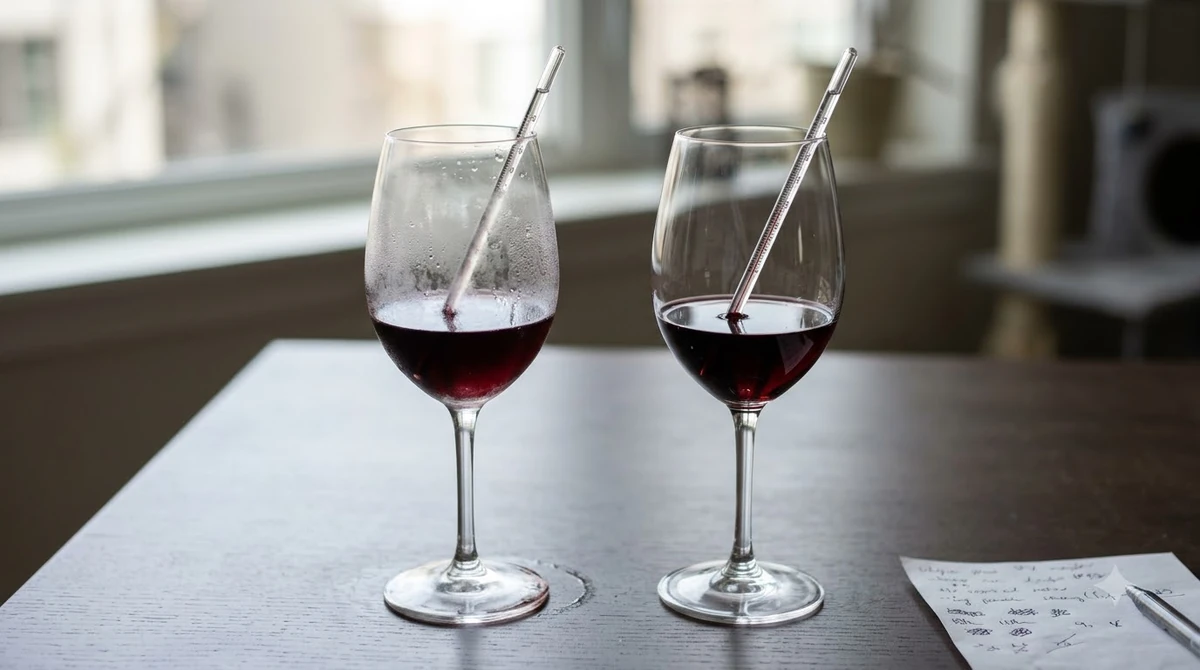
Tip: Ask a retailer for one dry red with low-to-medium tannin and one with firm tannin, then compare them with the same food. A side-by-side glass comparison makes the difference between dryness and grip easier to recognize.
Step-by-Step: Find a Bottle for Your Meal and Taste
Use these five steps to narrow a large shelf to two or three styles that suit the meal and occasion.
- Choose the meal first. Identify the main feature: steak char, tomato acidity in pasta, burger fat, mushroom earthiness, or barbecue sweetness. Match the wine to the sauce and seasoning, not just the protein.
- Set the body. Choose light Pinot Noir for delicate food, medium-bodied Merlot for a flexible table red, or full-bodied Cabernet Sauvignon or Malbec for richer dishes. A light red can disappear beside a heavily reduced sauce.
- Decide on tannin. Choose low-to-medium tannin for a softer feel, or a structured red for fatty meat and aged cheese. If dry reds taste bitter, try Merlot or Pinot Noir before ruling out the category.
- Compare producer notes. Look for grape, region, body, tannin, acidity, and flavor. “Blackberry” and “vanilla” describe flavor; “medium-bodied” and “firm tannins” explain texture.
- Check the format. A 750 ml bottle gives about five 5-ounce glasses. Plan the number of pours and whether the wine needs a long decant.
Wine Folly recommends matching wine acidity to the food, choosing wine at least as sweet as the dish, and balancing flavor intensity. Its food and wine pairing basics explain why tannic reds suit fatty foods and why sauce can matter more than the protein.
Once the style is clear, compare producers within that grape before jumping to a different category. Keep a short note of the region, grape, tannin level, and serving temperature of bottles you like; that record makes it easier to find a similar style later. The site’s wine-buying guide offers more help comparing labels, vintage information, and store descriptions.
Dry Red Styles and Producers Worth Comparing
Grape variety, climate, growing site, and winemaking create very different dry reds. Use these examples as style markers, then compare the specific producer and region rather than assuming every bottle under one brand tastes alike.
Light-bodied and brighter: Pinot Noir
Pinot Noir suits drinkers who want lower tannin, bright acidity, and red-fruit notes such as cherry, cranberry, and raspberry. It works with roast poultry, mushrooms, salmon, and soft cheeses, especially when the dish is too delicate to soften a heavily tannic red.
La Crema is one producer to compare: its Sonoma Coast Pinot Noir note lists raspberry, cranberry, red cherry, plum, spice, integrated tannins, and bright acidity. That suggests freshness with some structure, rather than a heavy Cabernet-style profile.
Medium-bodied and rounded: Merlot
Merlot bridges light Pinot Noir and firmer Cabernet Sauvignon. Its tannins are generally softer than Cabernet’s, with plum, raspberry, or black cherry notes; try it with pork, burgers, roast chicken, and tomato-based pasta.
Bonterra describes its Merlot as medium-bodied, with ripe strawberry, pomegranate, dried herbs, and a velvety finish; it also states that the wine is made with 100% certified organic grapes. These are cues for that bottling, not all Merlot. Compare more red wine brands by grape and origin.
Full-bodied and structured: Cabernet Sauvignon and Malbec
Cabernet Sauvignon suits drinkers who enjoy firm tannin, dark fruit, and a full mouthfeel. Blackcurrant, cassis, blackberry, cedar, and tobacco are common cues; steak, roast beef, lamb, and aged cheese help soften its tannic edge. Decoy’s California Cabernet is described with dark cherry, raspberry, baking spice, silky tannins, medium oak, and bright acidity.
Malbec also offers generous body, often with dark plum, blackberry, cocoa, and spice. Catena Alta is a clear Argentine example: Catena describes it as 100% Malbec from five Mendoza vineyard lots, aged for 12 to 18 months. The detail connects the brand to a defined grape and region.
Spicy, savory, and blended styles
Syrah and Shiraz are the same grape, but regional styles differ: French Syrah often shows savory dark fruit, smoke, and pepper, while Australian Shiraz can be riper and fuller with blackberry, plum, chocolate, and spice. California Zinfandel is another bold option with jammy berry and pepper notes. Sangiovese, the principal grape in Chianti, brings tart cherry, herbal character, and lively acidity that suits tomato-based pasta and pizza; Nebbiolo from Piedmont is more tannic and structured, often with cherry, rose, and savory notes.
A dry red blend may combine Cabernet structure with Merlot fruit or mix several grapes for a broader profile. A Cabernet-led blend can remain firm, while a Merlot-led mix may feel softer. Read the composition and tasting note together, and see the site’s dry red blend explainer for more on how blends differ.
Common Buying Mistakes with Dry Reds
The most common mistake is treating “dry” as a synonym for bitter or tannic. Dryness is about residual sugar; tannin is the drying grip; acidity is the mouthwatering edge; body is the wine’s weight. A red can be dry, soft, and light, or dry, firm, and full-bodied.
Do not choose by grape name alone. Cabernet Sauvignon is typically high in tannin, but climate, ripeness, oak, and winemaking affect its feel. Merlot is generally softer but can still be substantial; Pinot Noir is often lower in tannin and higher in acidity, yet a warm-climate example may be broader than a delicate Burgundy-style wine. Ripe fruit aromas such as blackberry, jam, vanilla, and baking spice can reflect grape character or oak rather than added sugar, so do not reject a dry red solely because its note mentions ripe fruit.
Food pairing can also make a bottle seem poorly chosen. Chili heat is amplified by alcohol and tannin, oily fish can clash with tannic reds, and very salty or sweet sauces can make firm wines seem harsh. Fatty steak and aged cheese soften tannin, while higher-acid reds are often better with tomato sauce.
Serving and Storage Tips for Better Flavor
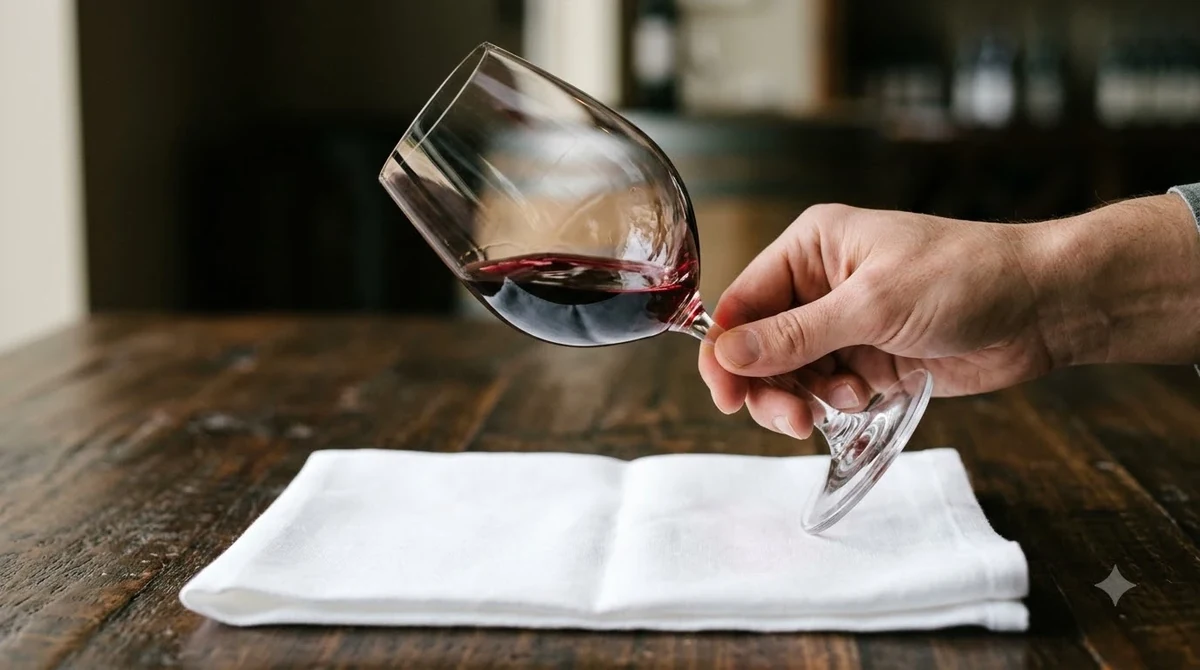
Temperature changes how a dry red feels. Serve light reds such as Pinot Noir at 55-60°F and fuller reds such as Cabernet Sauvignon, Malbec, and Syrah at 60-65°F. Pour 5 ounces into a standard glass, leaving room to swirl; a 750 ml bottle gives about five pours. Give a young, full-bodied red 30-60 minutes in a decanter if its tannins feel firm or its aromas seem closed, while Pinot Noir and softer Merlot usually need less air.
Store unopened bottles on their sides near 55°F in a cool, dark place, away from sunlight and temperature swings. Side storage helps keep a natural cork from drying out; screw-cap bottles do not need that position for cork moisture but still benefit from stable, cool conditions. After opening, reseal still red wine and refrigerate it for a typical quality window of 3-5 days, depending on air exposure. Faded fruit, stale aromas, or a flat finish signal that its best drinking window has passed.
Frequently Asked Questions
These five answers cover residual sugar, label language, bottle age, restaurant ordering, and closure choices. They add practical details that can help distinguish two bottles that look similar on a shelf.
Can a dry red wine contain residual sugar?
Yes. “Dry” does not mean that every gram of grape sugar has disappeared; it means the wine is not perceived or classified as sweet. Some dry reds retain small amounts of residual sugar, and the exact threshold used in labeling can vary by jurisdiction and wine category.
Does a red wine labeled extra dry taste sweeter than dry?
“Extra dry” is a regulated sparkling-wine sweetness term, not a standard dry-red category. On a red wine shelf, compare the producer’s sweetness information and the wine’s style instead of applying sparkling-wine terminology to still reds.
Does an older vintage always have softer tannins?
Tannin can become less assertive as some wines mature, but age alone does not guarantee a softer or better bottle. Storage conditions, grape variety, acidity, concentration, and the wine’s original structure all affect how it develops.
What should I ask for when ordering a dry red by the glass?
Ask whether the pour is light-, medium-, or full-bodied and whether its tannins are soft or firm. Then ask for the grape and region; a Pinot Noir from Oregon and a Cabernet Sauvignon from Napa Valley provide very different reference points even if both are served as dry reds.
Is a screw-cap dry red lower quality than a cork-finished bottle?
No. A screw cap is a closure choice, not a quality grade, and it can be used for fresh, fruit-forward reds as well as more serious bottlings. The producer, grape, region, and the wine’s intended drinking window are more useful buying clues than the closure alone.
The best dry red wine brands for your table are the ones that deliver the structure and flavor you want in the specific bottle, not simply the label with the widest recognition. Start with the grape, use food and tannin to narrow the style, and compare producers such as La Crema, Bonterra, Decoy, and Catena as distinct starting points.
More in Wine Buying Guides
 Cheap Red Blend: How to Find a Flavorful Bottle for LessUpdated Nov 20, 2026
 Pinot Grigio Gift: How to Choose a Bottle They’ll EnjoyUpdated Nov 20, 2026
 Best White Wine at Total Wine for Every MealUpdated Nov 20, 2026
 Wine Fridge Replacement Shelves: Find the Right FitUpdated Nov 20, 2026
 Best Sparkling Wine Under 20: Find Bubbles Worth BuyingUpdated Nov 20, 2026
 Best Wine For Birthday Celebrations With Perfect Party PairingsUpdated Nov 20, 2026