

We may earn a commission when you buy through links on this page, at no extra cost to you. Learn more.
The best tawny port food pairing matches this barrel-aged, nutty fortified wine with hard aged cheeses, caramelized desserts, roasted nuts, and rich savory meats. Unlike fruit-forward styles that rely on berry notes, tawny port develops flavors of toasted hazelnut, butterscotch, dried fig, and baking spice during years in oak casks. Serving it slightly chilled at around 50°F to 60°F highlights its bright acidity, keeping sweet dishes from feeling cloying and cutting cleanly through salty, savory fats.
Because tawny port sits between bright fruit and deep oxidative complexity, it is arguably the most versatile fortified wine at the dinner table. Whether you are building an after-dinner cheese board, plating a custard tart, or looking for an unexpected partner for slow-roasted pork, understanding how its age and sweetness interact with food makes every pour feel intentional. Before choosing a dish, it helps to look at what sets this amber-hued wine apart from other Wine by Type categories.
What Tawny Port Is
Tawny port is a fortified sweet red wine from Portugal’s Douro Valley that ages in small wooden casks rather than large vats or glass bottles. Prolonged exposure to oak and controlled micro-oxygenation turns the wine from deep purple to a translucent amber-brown while transforming fresh berry flavors into toasted nuts, caramel, and dried fruit.
Winemakers produce tawny port from indigenous Portuguese red grape varieties, primarily Touriga Nacional, Touriga Franca, Tinta Roriz, Tinta Barroca, and Tinto Cão. During fermentation, winemakers add a neutral grape spirit—often referred to as aguardente—which halts yeast activity before all natural grape sugars convert to alcohol. This fortification leaves behind natural residual sweetness and brings the finished wine to roughly 19% to 20% ABV.
While basic non-vintage tawny ports spend around two to three years in wood and retain a whisper of red fruit, aged tawnies carry official age indications on the label: 10 Year Old, 20 Year Old, 30 Year Old, and 40 Year Old (as well as 50 Year Old in select releases). These numbers represent an average age profile crafted by master blenders combining wines from multiple harvests to maintain a consistent house style. For a closer look at how unaged or bottle-aged styles behave differently at the table, compare these notes with our guide to ruby port food pairing.
Flavor Profile by Age Tier
As tawny port spends more years in seasoned oak casks, its flavor shifts away from dried red berries toward concentrated toffee, roasted walnut, orange peel, and warm spice. Choosing the right dish starts with matching the intensity and oxidative depth of the specific age tier in your glass.
A 10-year-old tawny strikes a lively balance between youthful energy and barrel maturity. Reviewers at Wine Folly note that at the ten-year mark, tawny port begins showing distinct walnut, dried fig, and baking spice aromas while keeping enough lively acidity and stewed red fruit to pair effortlessly with lighter pastries, milk chocolate, and medium-aged cheeses. It feels approachable and energetic rather than heavy.
Stepping up to a 20-year-old tawny brings a silkier texture and deeper layers of praline, butterscotch, candied citrus peel, and toasted almond. By 30 and 40 years, evaporation concentrates the wine into a complex elixir of burnished leather, espresso, mahogany, and salted caramel. These older expressions carry a pronounced tangy acidity that keeps their sweetness balanced, making them ideal partners for intricate, nut-driven desserts or even slow sipping alongside a small plate of cured ham and toasted almonds.
Cheese Pairings That Shine
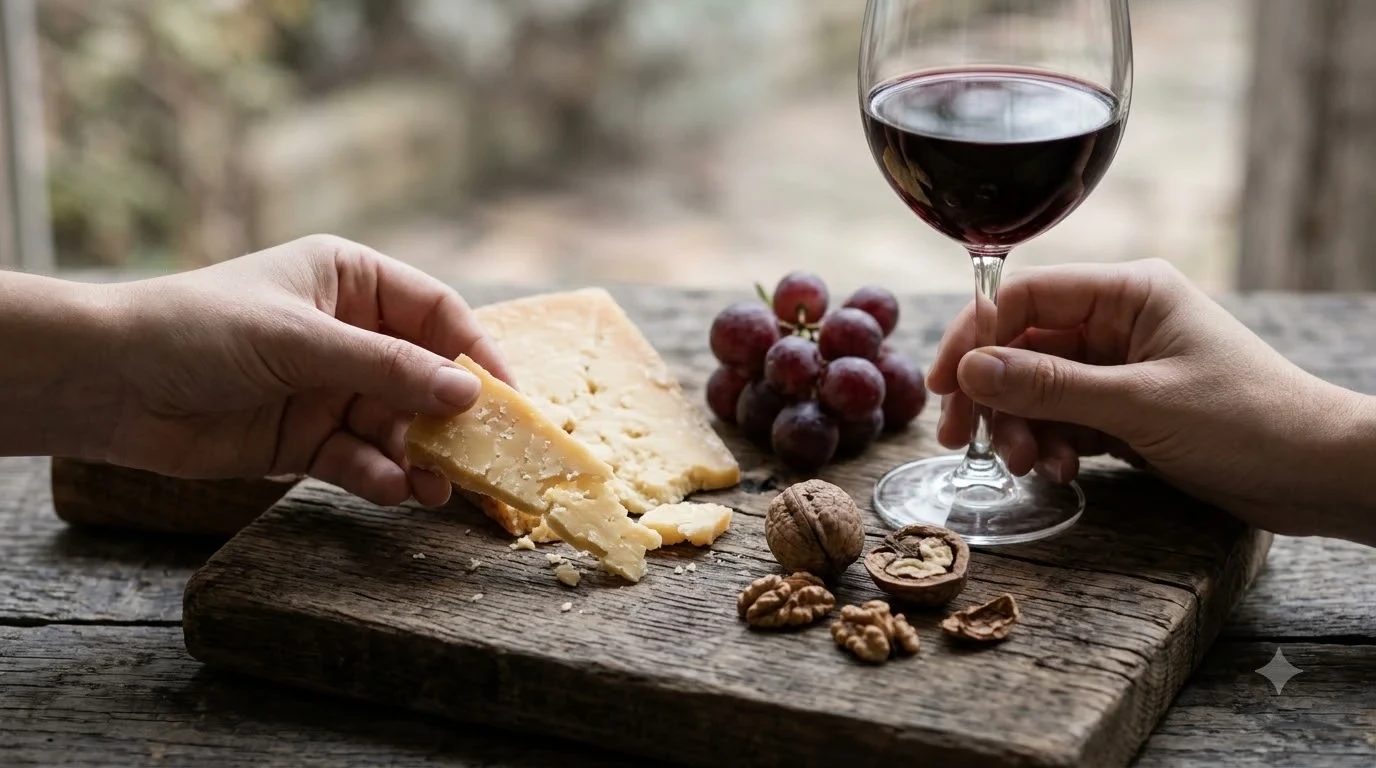
Hard, crystalline aged cheeses and creamy blue cheeses are the gold standard for tawny port because their saltiness and umami neutralize the wine’s sweetness. Instead of competing, the toasted, nutty compounds in aged dairy mirror the oxidative hazelnut and caramel flavors inside the glass.
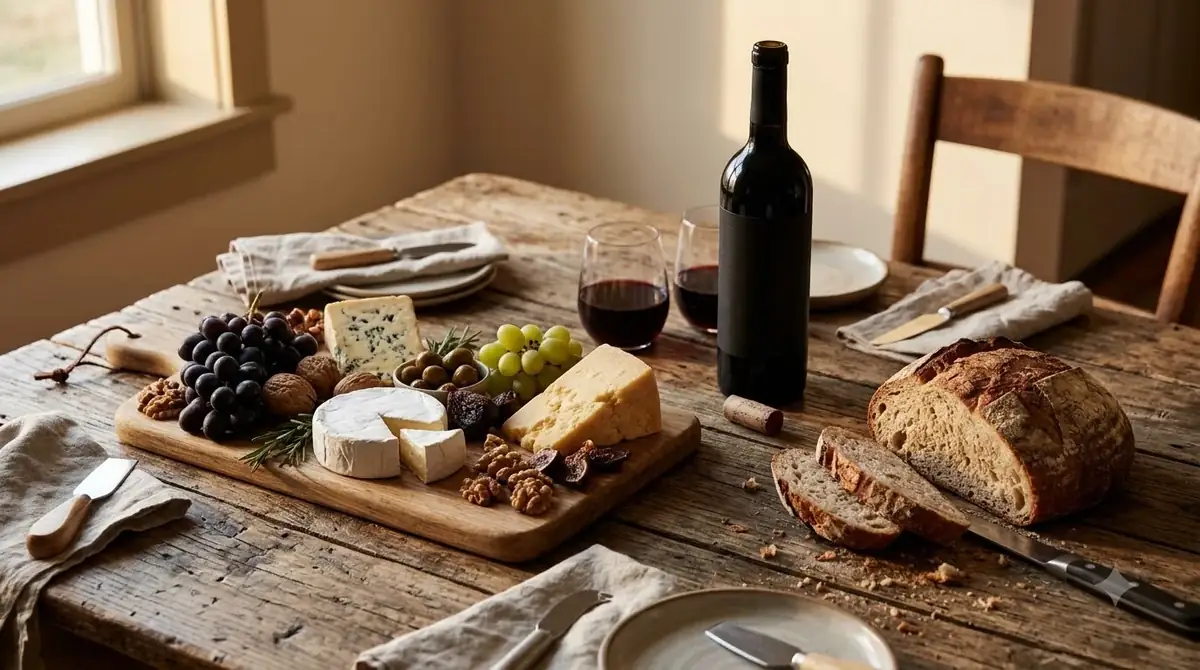
When assembling a cheese board for tawny port, skip delicate fresh goat cheeses or mild brie, which can feel flat or clash awkwardly against the wine’s high alcohol and barrel spice. Instead, reach for firm, aged sheep’s and cow’s milk cheeses such as aged Manchego, sharp clothbound cheddar, aged Gouda, Pecorino, or Parmigiano-Reggiano. As cheeses mature, amino acid crystals form and their paste takes on butterscotch and roasted-nut notes that lock directly onto a 10- or 20-year tawny.
Blue cheese also works remarkably well, though the pairing behaves differently than it does with younger, fruitier ports. While classic Stilton and Roquefort create a bold sweet-and-salty contrast, creamier blues like Gorgonzola Dolce or Cambozola match the velvety mouthfeel of an aged tawny without overwhelming its delicate spice. Adding dried figs, quince paste, and toasted walnut halves to the board bridges the gap between the cheese and the wine.
Desserts and Chocolate Matches
Caramel, custard, apple, and nut desserts are natural companions for tawny port, whereas rich dark chocolate generally belongs with darker, berry-driven ports. Matching the dominant flavor bridge—toasted sugar and nuts rather than bitter cocoa—keeps both the dessert and the wine tasting vibrant.
According to Wine Folly’s Port pairing guide, a 20-year-old tawny alongside classic French crème brûlée is a benchmark combination. The caramelized sugar crust echoes the wine’s toffee notes, while the rich vanilla custard coats the palate and softens the alcohol warmth. Other standout pastry matches include pecan pie, walnut tart, Portuguese pastel de nata, spiced apple crumble, hazelnut gianduja truffles, and bread pudding drizzled with salted caramel sauce.
If chocolate is on the menu, stick to milk chocolate, white chocolate, or desserts where chocolate plays a supporting role to hazelnuts, almonds, or caramel. Heavy, bitter dark chocolate above 70% cacao tends to strip away a tawny port’s subtle dried-orange and spice nuances; for intensely dark cocoa desserts, you are better off exploring vintage port food pairing instead.
Unexpected Savory Dish Pairings
Tawny port’s bright acidity and oxidative depth allow it to pair with rich, savory dishes—especially roasted meats, paté, and autumn flavors—not just after-dinner sweets. Treating tawny port like a savory culinary wine opens up rewarding options for appetizers and main courses.
Start at the beginning of a meal with duck liver paté, chicken liver mousse, or foie gras served on toasted brioche. Just like Sauternes or Madeira, a chilled 10-year tawny cuts through rich poultry fat while its fig and spice notes complement savory terrines. Thinly sliced Jamón Ibérico or prosciutto wrapped around fresh figs and Marcona almonds also creates a effortless sweet-savory appetizer.
At the main course, look for dishes built around browned butter, roasted nuts, and warming spices. Slow-braised lamb tagine flavored with cinnamon, apricots, and toasted almonds mirrors tawny port’s exact aromatic profile. Roasted pork loin with chestnuts, duck breast with a fig glaze, or pan-seared trout almondine in nutty brown butter also work surprisingly well when poured in modest three-ounce portions.
| Food Category | Best Dishes & Ingredients | Recommended Tawny Style | Why the Pairing Works |
|---|---|---|---|
| Aged Hard Cheeses | Aged Gouda, Manchego, Parmigiano-Reggiano, aged cheddar | 10-Year or 20-Year Tawny | Crystalline salt and nutty tyrosine echo barrel-aged caramel notes |
| Blue Cheeses | Gorgonzola Dolce, Stilton, Cambozola | 10-Year Tawny | Residual sweetness tames sharp blue veining and pungent salt |
| Custard & Caramel Desserts | Crème brûlée, pastel de nata, bread pudding, flan | 20-Year Tawny | Caramelized sugar and baked egg custard match praline depth |
| Nut & Fruit Pastries | Pecan pie, walnut tart, apple crumble, fig galette | Basic or 10-Year Tawny | Toasted nuts and baked orchard fruit mirror dried-fruit aromatics |
| Savory Meats & Charcuterie | Duck paté, Jamón Ibérico, pork with chestnuts, lamb tagine | 10-Year Tawny | Bright acidity cuts rich fat while baking spices align with savory herbs |
| Lighter Chocolate | Milk chocolate bark, hazelnut truffles, chocolate mousse | 10-Year or 20-Year Tawny | Creamy cocoa and roasted hazelnuts soften alcohol without bitter clash |
How to Serve Tawny Port for Optimal Pairing
Serve tawny port slightly chilled—between 50°F and 60°F—in a small tulip-shaped wine glass, and skip the decanter entirely. Proper temperature and glassware keep the alcohol integrated and allow nuanced aromas of roasted nuts and dried citrus to rise cleanly.
Serving tawny port at warm room temperature is one of the easiest ways to dull a great pairing, as heat makes the 20% alcohol feel sharp and syrupy. As Decanter’s Port expert Richard Mayson notes, serving tawny and Colheita cellar-cool—around 10°C to 12°C (50°F to 54°F), or up to 60°F for older blends—keeps the wine crisp, refreshing, and lifted alongside rich food. About thirty to forty-five minutes in the refrigerator before serving puts a room-temperature bottle right in the sweet spot.
Because tawny port has already spent years maturing in wood and is fined and filtered before bottling, it throws no sediment and needs no decanting. Pour a modest two-and-a-half to three-ounce serving into a standard Port glass or a small white wine glass with a slightly tapered rim so aromas concentrate at the nose. If you enjoy chilled fortified wines before dinner as well, you might also like exploring white port food pairing for crisp, warm-weather aperitifs.
Tip: Keep opened bottles of tawny port sealed tightly in the refrigerator; because the wine has already been aged oxidatively in cask, a 10- or 20-year tawny stays fresh and delicious for three to four weeks—and often even longer—after uncorking.
Frequently Asked Questions
Should tawny port be served chilled or at room temperature?
Tawny port should be served slightly chilled, ideally between 50°F and 60°F (10°C to 15°C). Serving it slightly cool prevents the fortified alcohol from tasting hot or heavy and brings out the wine’s refreshing acidity. Place the bottle in the refrigerator for about 30 to 45 minutes before pouring.
Does tawny port pair well with dark chocolate?
Tawny port generally struggles with very bitter dark chocolate (70% cacao or higher) because the cocoa’s astringency can overpower the wine’s delicate caramel and dried-orange notes. Instead, pair tawny port with milk chocolate, white chocolate, or chocolate desserts featuring hazelnuts, almonds, or salted caramel. Save intense dark chocolate for fruit-driven Ruby, Late-Bottled Vintage, or Vintage Port.
Can you drink tawny port with savory main courses?
Yes, tawny port pairs surprisingly well with savory dishes that feature rich fats, warming spices, or roasted nuts. Try a chilled 10-year tawny alongside duck liver paté, Jamón Ibérico, roasted pork loin with chestnuts, or slow-braised lamb tagine with dried apricots. Its natural acidity cuts through richness while its oxidative character complements savory umami.
How long does an open bottle of tawny port last?
An opened bottle of basic tawny port stays fresh for about three to four weeks when recorked and stored in the refrigerator. Aged tawny ports (10, 20, 30, or 40 years old) are even more resilient due to their extended cask aging and can retain their flavor for one to four months in the fridge. Always store the bottle upright once opened.
Finding your favorite tawny port food pairing comes down to matching textures and echoing the wine’s signature flavors of toasted nuts, caramelized sugar, and dried fruit. Start with a versatile 10-year-old bottle chilled just below cellar temperature, set out a wedge of aged Gouda or a warm slice of pecan pie, and let the wine’s balance of sweetness and acidity do the rest.
More in Wine Types & Grapes
 What Does Mourvèdre Taste Like? Flavor Profile, Regions, and PairingsUpdated Nov 20, 2026
 What Does Marsanne Taste Like? Flavors, Styles, and Food PairingsUpdated Nov 20, 2026
 What Does Malvasia Taste Like? Styles, Flavors, and Food PairingsUpdated Nov 20, 2026
 What Does Grenache Blanc Taste Like? Flavor Profile, Styles, and PairingsUpdated Nov 20, 2026
 What Does Garnacha Taste Like? Key Flavors, Styles, and Pairing TipsUpdated Nov 20, 2026
 What Does Fruit Wine Taste Like? A Complete Flavor and Style BreakdownUpdated Nov 20, 2026