

We may earn a commission when you buy through links on this page, at no extra cost to you. Learn more.
The best leelanau wineries include Black Star Farms, Mawby, Aurora Cellars, 45 North Vineyard & Winery, Shady Lane Cellars, Good Harbor Vineyards, and Verterra Winery. Each offers a different way to experience northern Michigan wine country, from sparkling wines and crisp Riesling to vineyard views and waterfront tasting rooms. The Leelanau Peninsula Wine Trail includes more than 20 wineries, making it possible to build a memorable tasting itinerary around your favorite wines, scenery, and food experiences.
Leelanau Peninsula wine country sits just outside Traverse City, Michigan, where vineyards, freshwater coastlines, rolling farmland, and small towns create a distinctive wine-tasting destination. The challenge is deciding which tasting rooms deserve your time. Some wineries are particularly appealing for sparkling wine, others focus on cool-climate whites or elegant reds, and several offer memorable settings that make the visit as enjoyable as the wine. This guide explains where to go, what to compare, and how to organize a practical wine-country outing without spending the entire day driving between stops.
Who Should Visit Leelanau Peninsula Wineries
Leelanau wineries are particularly appealing to visitors who enjoy cool-climate wines, scenic countryside, and relaxed tasting experiences. The region is a strong choice for people who want to explore Michigan wine beyond the better-known tasting destinations and discover smaller producers alongside established winery operations.
First-time visitors should consider starting with the Grand Traverse Bay area, especially around Suttons Bay and the wineries closest to Traverse City. Black Star Farms, Mawby, and Shady Lane Cellars offer different experiences within a relatively manageable area. Visitors interested in exploring beyond traditional wine styles can also look toward fruit wines, sparkling bottlings, and locally produced ciders.
The peninsula is also suitable for visitors who prefer a slower itinerary. Rather than trying to visit every winery, choose three or four tasting rooms with different strengths. A sparkling wine specialist, a winery known for Riesling, and an estate producer with scenic vineyard surroundings can create a more interesting afternoon than visiting several similar tasting rooms in succession.
Food-focused visitors should consider Brengman Family Wines and its Café Exalt dining experience, as well as winery tasting rooms that offer food pairings. Good Harbor Vineyards is another option for guests who want wine alongside food in a relaxed setting. Those interested in combining wine country with sightseeing can plan around Leland, Suttons Bay, and the Sleeping Bear Dunes area.
Leelanau is also a useful destination for people who enjoy comparing regional wine styles. Michigan Riesling, Pinot Noir, Cabernet Franc, sparkling wines, and other cool-climate varieties offer a different experience from the fuller-bodied Cabernet Sauvignon and Zinfandel commonly associated with warmer wine regions. Visitors who enjoy discovering how geography influences wine should find plenty to explore.
Key Factors to Compare When Choosing a Winery
The best winery depends on the wine style, tasting-room experience, location, and amount of time available. Compare at least three things before choosing a destination: the wines being poured, the setting, and the practical details of visiting.
| Winery | Location | Best known for the experience | Ideal visitor |
|---|---|---|---|
| Black Star Farms | Suttons Bay | Wine-country destination and hospitality | First-time visitors |
| Mawby | Suttons Bay | Sparkling wine | Traditional-method sparkling enthusiasts |
| Aurora Cellars | Lake Leelanau | Estate wines and hilltop scenery | Scenic tasting enthusiasts |
| 45 North Vineyard & Winery | Lake Leelanau | Riesling, Chardonnay, and cider | White-wine drinkers |
| Shady Lane Cellars | Suttons Bay | Pinot Noir, Pinot Gris, and Riesling | Cool-climate wine fans |
| Good Harbor Vineyards | Lake Leelanau | Michigan wines and food pairings | Relaxed tasting-room visitors |
| Verterra Winery | Leland and Northport | Estate wines and vineyard views | Wine and sightseeing visitors |
These are recommended starting points rather than a definitive ranking. The official Leelanau Peninsula Wine Trail winery directory includes additional destinations, so visitors can expand their itinerary according to personal interests.
Wine selection should be the first consideration. A visitor who prefers dry white wines might prioritize Riesling, Pinot Gris, or Chardonnay, while someone who enjoys lighter reds could look for Pinot Noir and Cabernet Franc. People who prefer sweeter wines should ask about off-dry Riesling, fruit wines, and dessert-style selections rather than assuming every Michigan winery specializes in dry wine.
Next, consider the surroundings. A vineyard patio, a waterfront tasting room, a historic building, and a modern estate facility provide very different experiences. The distinction matters particularly in northern Michigan, where outdoor seating and lake views can be major parts of a summer or fall visit.
Finally, consider logistics. Some tasting rooms welcome walk-ins, while others encourage advance reservations for larger groups. Check the number of people in your party, operating hours, seasonal closures, food availability, and transportation arrangements before setting out. For broader wine-shopping and selection advice, the Routed from Learn resource can help explain how to choose bottles based on grape variety, sweetness, and intended occasion.
Step-by-Step: How to Plan a Leelanau Winery Visit
A successful Leelanau wine trip starts with a geographic plan rather than a long list of winery names. The peninsula’s three general wine-trail areas make it easier to select nearby stops and avoid unnecessary driving.
- Choose your preferred wine styles. Decide whether the priority is Riesling, Pinot Noir, sparkling wine, Cabernet Franc, or a mixture. For example, sparkling wine enthusiasts can put Mawby near the top of their list, while white-wine drinkers may prefer to investigate 45 North Vineyard & Winery and Shady Lane Cellars.
- Select one geographic area. The Grand Traverse Bay area is convenient for visitors staying near Traverse City. The Lake Leelanau and Sleeping Bear area offers several winery options in a relatively compact area, while the northern section provides access to Leland, Omena, and Northport.
- Choose three or four tasting stops. This is a practical starting point for a full day, allowing time to compare wines without rushing through every tasting. A shorter half-day outing can work well with two carefully selected wineries.
- Check tasting-room arrangements. Confirm opening hours, reservations, group policies, tasting formats, and food availability. Verterra encourages reservations for groups of six or more, while its Leland location welcomes walk-ins.
- Arrange transportation. Choose a designated driver, a professional wine-tour service, or another safe transportation arrangement. Do not plan to drive after consuming alcohol.
- Begin with lighter wines. If a tasting includes several styles, start with sparkling and lighter whites before moving toward fuller-bodied whites, rosé, and reds. Sweet wines generally work well toward the end of a flight.
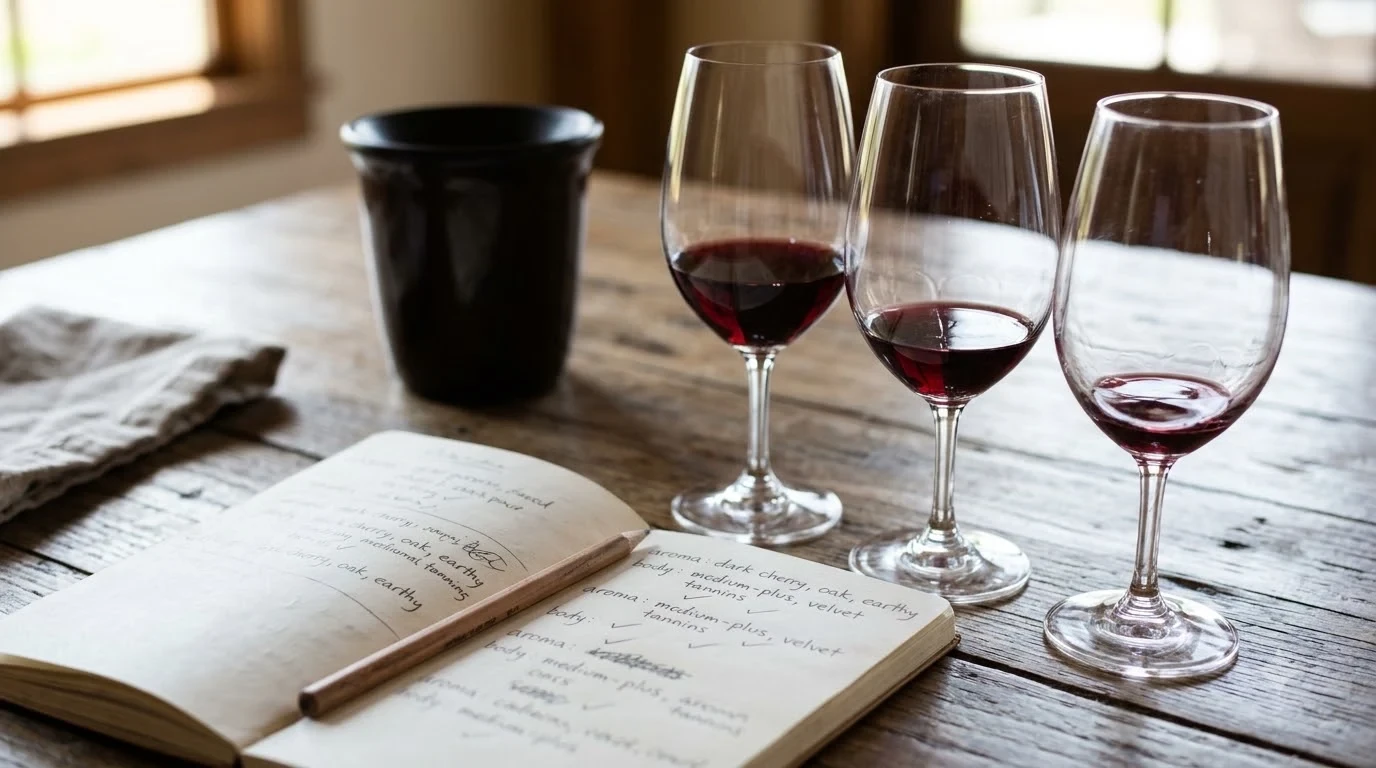
- Take notes on favorites. Record grape varieties, sweetness, acidity, and the winery name. These details are more useful than remembering only whether a wine seemed good during the tasting.
For a first visit, a Grand Traverse Bay itinerary could include Black Star Farms, Mawby, and Shady Lane Cellars. This combination provides a broad introduction to the region, with opportunities to explore a larger wine-country destination, sparkling wines, and cool-climate varietals.
A Lake Leelanau itinerary could include Aurora Cellars, 45 North Vineyard & Winery, and Good Harbor Vineyards. This route offers a useful comparison between estate wines, crisp whites, and a more casual tasting-room experience. Visitors should allow additional time if they want to enjoy food, walk around the grounds, or spend time photographing the countryside.
For a northern itinerary, Verterra in Leland provides a convenient starting point before exploring Omena and Northport. This option works especially well for visitors who want to combine wine tasting with the village atmosphere, waterfront scenery, and sightseeing around the peninsula’s northern communities.
Tip: Plan around three wineries rather than attempting to visit every tasting room. Allow approximately 60 to 90 minutes per stop, plus travel time and a meal break. A relaxed itinerary makes it easier to compare wines, enjoy the scenery, and remain within a safe transportation plan.
Leelanau Winery Types and Wine Styles Explained
Leelanau wineries cover several distinct categories, from sparkling wine specialists to estate vineyards and tasting rooms with broader selections. Understanding these differences helps visitors choose stops that match their preferences rather than relying on scenery alone.
Sparkling wine specialists
Mawby is an especially appealing choice for sparkling wine enthusiasts. The winery is associated with traditional sparkling-wine production, making it a worthwhile stop for visitors who want to explore bubbles beyond the familiar Champagne and Prosecco categories.
Traditional-method sparkling wine undergoes its second fermentation in the bottle. This process can produce fine bubbles and additional texture from contact with yeast. Visitors can compare different sweetness levels and production styles, paying attention to acidity, mousse, and the balance between fruit and freshness.
Sparkling wine also makes a useful starting point for a tasting itinerary. Its refreshing character prepares the palate for lighter whites and other styles. For a general serving guideline, sparkling wines are commonly served around 40 to 50 degrees Fahrenheit.
Cool-climate white wine producers
45 North Vineyard & Winery is a strong candidate for visitors interested in Riesling and unoaked Chardonnay. These styles provide an opportunity to compare a naturally high-acid aromatic white with a rounder, typically less acidic Chardonnay. The winery also offers cider, giving visitors another option beyond grape wine.
Shady Lane Cellars is another worthwhile destination for people who appreciate Pinot Gris and Riesling. Its selection also includes Pinot Noir, making it useful for visitors who want to compare a white and red wine from the same general cool-climate region.
Riesling is particularly useful for understanding the relationship between acidity and sweetness. A dry Riesling can taste crisp and refreshing, while an off-dry example can balance fruit sweetness with lively acidity. Neither style should automatically be assumed to be sweeter or less sophisticated than the other.
Estate wineries and scenic tasting rooms
Aurora Cellars is a strong choice for people interested in estate wines and vineyard surroundings. Its Lake Leelanau location makes it an appealing addition to an itinerary focused on the rolling countryside and scenic tasting experiences. Cabernet Franc and other red varieties are worth investigating for visitors who prefer wines with more structure than a typical white-wine flight.
Black Star Farms is another useful first-visit recommendation. It is a broader wine-country destination rather than simply a place to stop for a single tasting. Its combination of wine, hospitality, and additional visitor experiences makes it suitable for people who want to devote more time to one location.
Estate wineries can be particularly interesting for visitors who want to understand vineyard differences. Ask whether a wine comes from estate-grown fruit, whether it is fermented in stainless steel or oak, and how the producer approaches acidity and ripeness. These questions can make a tasting more informative without requiring advanced wine knowledge.
Fruit wines, regional blends, and alternative styles
Michigan wine country also has a strong connection with locally grown fruit. Leelanau Cellars and Cherry Republic Winery are names to investigate for visitors interested in cherry and other fruit-based wines. These offerings differ from conventional grape wines and can be especially appealing to people who prefer aromatic, sweeter, or dessert-oriented drinks.
Good Harbor Vineyards offers another accessible introduction to regional wine. Its tasting-room experience includes food-pairing options, and the winery is a useful choice for visitors who want to sample Michigan wines in a relaxed environment rather than concentrate exclusively on formal estate tastings.
For a broader comparison of Michigan’s wine regions with destinations farther south and west, the best Temecula wineries guide and best Paso Robles wineries guide provide useful contrasts in climate, grape varieties, and wine-country experiences.
Common Mistakes to Avoid When Visiting Leelanau Wineries
The most common planning mistakes involve overloading the itinerary, ignoring seasonal schedules, and choosing wineries without considering the wine styles being poured. A little preparation can make a three-stop afternoon much more rewarding than an ambitious trip involving six or seven rushed tastings.
Trying to visit too many wineries is the first mistake. More than 20 wineries participate in the Leelanau Peninsula wine scene, but that does not mean every visitor should attempt to see them in one trip. Distances between some communities can be significant, and tastings take time. Three or four well-selected stops are usually a better starting point than a long checklist.
Assuming every winery focuses on dry grape wine is another mistake. The peninsula has sparkling wine, fruit wine, cider, sweet selections, and traditional dry wines. Someone who only wants dry Pinot Noir may not enjoy spending most of an afternoon at tasting rooms whose main attraction is fruit-based wine. Review the winery’s offerings before committing to a route.
Ignoring the difference between tasting-room locations can also cause problems. Verterra, for example, has a downtown Leland tasting room and a separate vineyard experience at The Ridge. The Leland location is open year-round, while The Ridge operates seasonally from Memorial Day through Halloween. They should not be treated as interchangeable destinations when planning a winter visit.
Leaving reservations until the last minute can create difficulties for groups. Some wineries accommodate walk-ins, but larger parties may need to make arrangements. Verterra encourages reservations for groups of six or more. A group should also consider whether everyone wants the same type of tasting experience before arriving.
Choosing wine based on scenery alone is another common oversight. A beautiful patio does not necessarily mean a winery’s wine selection matches personal preferences. Check whether the tasting list includes the varieties you enjoy, and ask staff about the differences between dry, off-dry, and sweet bottlings.
Finally, avoid treating a winery visit as an ordinary driving tour. Tastings contain alcohol, and even small pours add up over several stops. Arrange a designated driver or professional transportation before the trip begins rather than making that decision after arriving at the first tasting room.
Wine Care, Serving, and Storage Tips After Your Visit
Buying bottles during a Leelanau winery visit is only part of the experience; serving and storing them properly helps preserve their intended character. Temperature, light, bottle position, and the time between opening and drinking can all influence how a wine performs.
For serving, use the wine’s structure as a starting point. Sparkling wines are generally best around 40 to 50 degrees Fahrenheit, while light whites and rosé are usually served around 45 to 50 degrees. Fuller-bodied whites such as Chardonnay are typically more enjoyable around 50 to 55 degrees.
Light reds, including many Pinot Noir bottlings, are commonly served around 55 to 60 degrees. Fuller reds are generally served around 60 to 65 degrees. Serving a red wine too warm can make its alcohol feel more prominent, while an excessively cold temperature can suppress its aromas and flavors.
Food pairing is another way to appreciate regional wines. Riesling’s acidity can complement dishes with rich sauces, spicy food, or noticeable sweetness, depending on the wine’s residual sugar. Pinot Noir works well with roast poultry, mushrooms, and salmon preparations that are not excessively oily or heavily seasoned.
For a more structured red such as Cabernet Franc, consider grilled vegetables, roasted meats, and dishes with enough fat or salt to soften tannin. High-tannin Cabernet Sauvignon can be particularly effective with protein-rich foods. Avoid pairing strongly tannic reds with delicate oily fish, as the combination can create an unpleasant metallic impression.
Once you bring bottles home, store them in a cool, dark location with minimal temperature fluctuations. A storage temperature near 55 degrees Fahrenheit is a useful general target. Bottles with natural cork closures are traditionally stored on their sides to keep the cork from drying out.
Opened wine should generally be refrigerated, even if it is red. Most opened still wines remain in reasonable condition for approximately three to five days, depending on the wine and storage conditions. Sparkling wine generally lasts around one to three days when properly sealed, while fortified wine can last several weeks after opening.
If a wine is intended for a special dinner, consider opening it shortly before serving and allowing it to develop in the glass. Young, fuller-bodied red wines may benefit from approximately 30 to 60 minutes of decanting. Delicate older bottles, however, may require a different approach, so avoid assuming that every red wine needs extensive aeration.
For bottles purchased during a tasting, keep a simple record of the producer, grape variety, vintage, and sweetness level. This information makes it easier to find the same wine again and compare different bottlings from the same producer on a future visit.
Frequently Asked Questions
What is the difference between the Leelanau Peninsula and Old Mission Peninsula wine regions?
Leelanau Peninsula and Old Mission Peninsula are separate wine-growing destinations near Traverse City, but they have different geographic layouts and winery communities. Old Mission extends north from Traverse City as a relatively narrow peninsula, while Leelanau covers a larger area with multiple communities and three general wine-trail loops. Visitors can explore both regions on separate days to compare their wineries and local wine styles.
What grapes are commonly associated with Leelanau Peninsula wine?
Riesling, Chardonnay, Pinot Noir, Pinot Gris, and Cabernet Franc are among the varieties visitors should look for. Other interesting selections include Gewürztraminer, Blaufränkisch, and aromatic white blends. Availability varies between producers, and individual wineries may also offer cider or fruit-based wines.
Can visitors purchase Leelanau wines to ship home?
Some wineries provide shipping services, although destination restrictions and shipping arrangements vary. Verterra specifically states that it ships wine to multiple states with flat-rate shipping options. Visitors should confirm that their state is eligible and review delivery requirements before purchasing bottles for shipment.
Is the Leelanau Peninsula suitable for a winter wine trip?
Yes, although winter visitors should expect a different experience from the summer vineyard season. Some tasting rooms remain open throughout the year, including Verterra’s downtown Leland location. Outdoor vineyard experiences and seasonal patios may have reduced availability, so indoor tasting options are particularly useful during colder months.
Are Leelanau winery tastings suitable for people who do not drink alcohol?
Some destinations offer alternatives such as cider, coffee, food, or nonalcoholic refreshments, but the available selection varies. Dune Bird Winery is one destination to investigate for its craft espresso offering, while some wineries also provide food and scenic surroundings that non-drinkers can enjoy. Contact individual tasting rooms to confirm current nonalcoholic choices before visiting.
The best Leelanau wineries offer more than a selection of Michigan bottles: they provide an opportunity to explore sparkling wine, cool-climate grapes, scenic vineyards, and welcoming northern Michigan communities. Start with three destinations that match your wine preferences, build a route around Suttons Bay, Lake Leelanau, or Leland, and leave enough time to enjoy each stop. Whether the priority is Mawby’s sparkling wine, Aurora Cellars’ estate setting, or Verterra’s Leland tasting room, a thoughtfully planned visit makes Leelanau wine country a rewarding destination.
More in Wine Buying Guides
 Cheap Red Blend: How to Find a Flavorful Bottle for LessUpdated Nov 20, 2026
 Pinot Grigio Gift: How to Choose a Bottle They’ll EnjoyUpdated Nov 20, 2026
 Best White Wine at Total Wine for Every MealUpdated Nov 20, 2026
 Wine Fridge Replacement Shelves: Find the Right FitUpdated Nov 20, 2026
 Best Sparkling Wine Under 20: Find Bubbles Worth BuyingUpdated Nov 20, 2026
 Best Wine For Birthday Celebrations With Perfect Party PairingsUpdated Nov 20, 2026