

We may earn a commission when you buy through links on this page, at no extra cost to you. Learn more.
The best applegate valley wineries include Troon Vineyard, Wooldridge Creek, Dwell Wines, Plaisance Ranch, Red Lily Vineyards and Valley View Winery for their distinctive Southern Oregon wines, welcoming tasting experiences and varied vineyard settings. This 50-mile wine region offers everything from Rhône-inspired reds and Spanish-style Tempranillo to Sauvignon Blanc, Pinot Noir and unusual small-batch bottlings. The right winery depends on the grapes you enjoy, whether you want food with your tasting and how much time you have to explore.
Southern Oregon deserves a place on any wine travel itinerary, particularly for visitors who enjoy discovering smaller producers outside the state’s better-known Willamette Valley. The Applegate Valley combines a warm growing climate, mountain scenery, family-run vineyards and a surprisingly broad selection of wines. Instead of visiting tasting rooms simply because they are close together, use this guide to identify the producers and experiences that match your interests. A little planning can turn a short afternoon into a memorable wine-country outing.
Who Should Visit Applegate Valley Wineries
The Applegate Valley is especially appealing to wine drinkers who want variety, personal tasting experiences and a quieter alternative to larger wine destinations. Its combination of Bordeaux and Rhône varieties, unusual Mediterranean grapes and agricultural hospitality makes it particularly interesting for curious drinkers.
First-time visitors should understand that the Applegate Valley is part of the Rogue Valley AVA, which sits within the broader Southern Oregon AVA. The appellation became official in 2000, and Oregon Wine describes its boundaries as extending approximately 50 miles from the California border north to the Rogue River, just west of Grants Pass. The surrounding Siskiyou Mountains give the area a distinctive landscape that differs from the coastal-influenced wine country farther north. The Oregon Wine Applegate Valley AVA profile provides additional geographical and regional background.
This destination suits several kinds of wine travelers:
- Red wine enthusiasts: The region’s Merlot, Cabernet Sauvignon, Syrah, Grenache and Tempranillo selections offer plenty of opportunities to compare different approaches to fuller-bodied wines.
- White wine drinkers: Chardonnay, Viognier, Sauvignon Blanc, Pinot Gris and other varieties provide alternatives to the region’s prominent red wines.
- Food-focused visitors: Wooldridge Creek combines wine and cheese, while Dwell Wines offers charcuterie alongside its tasting experience.
- Travelers interested in sustainable farming: Troon Vineyard is particularly notable for its biodynamic and regenerative organic certification.
- Visitors seeking quieter tasting rooms: Small producers and rural vineyard settings create a more relaxed alternative to crowded wine destinations.
The region is also suitable for people who have already explored northern Oregon wine country. The best Willamette Valley wineries are particularly associated with Pinot Noir and cooler-climate wine styles. Applegate Valley offers another perspective, with warm-climate grapes, Rhône-inspired blends and Mediterranean varieties taking a more prominent role.
Visitors should also recognize that this is a rural destination rather than a compact urban tasting district. Wineries are spread along country roads around Grants Pass, Jacksonville and the Williams Valley. A little driving is part of the experience, so a carefully selected itinerary is usually more enjoyable than trying to visit every available tasting room.
Key Factors to Compare Before Choosing a Winery
The most useful way to compare Applegate Valley wineries is to consider wine selection, tasting-room atmosphere, food options and location together. A winery that produces your favorite grape variety may be a better choice than a more famous destination that does not match your preferences.
| Comparison factor | What to look for | Good starting point |
|---|---|---|
| Wine style | Rhône, Bordeaux, Italian or Spanish varieties | Troon, Quady North, Red Lily |
| White wine selection | Sauvignon Blanc, Viognier, Pinot Gris | Plaisance Ranch, Dwell, Wanderlust |
| Food pairing | Cheese, charcuterie and prepared food | Wooldridge Creek, Dwell |
| Farming approach | Biodynamic and regenerative practices | Troon Vineyard |
| Historic character | Long regional winemaking history | Valley View Winery |
| Special experiences | Paired tastings and outdoor settings | Wanderlust, Red Lily |
| Trip length | 50-mile regional wine trail | Choose a manageable local cluster |
Grape variety is a useful first filter. According to Oregon Wine, Merlot, Cabernet Sauvignon, Chardonnay, Syrah, Tempranillo and Pinot Noir are among the predominant varieties in the appellation. These grapes provide a good starting point, but the region’s appeal goes beyond its most familiar varieties. Viognier, Grenache, Mourvèdre and Vermentino also appear in the local wine scene.
Next, consider the tasting environment. Some visitors prefer a traditional tasting room where the focus remains on comparing several wines. Others want a vineyard garden, a cheese plate or a relaxed afternoon with music. Wooldridge Creek and Dwell Wines are particularly useful starting points for visitors who want food to be part of the experience, while Troon offers an opportunity to learn more about farming practices.
Geography matters just as much. A winery near Grants Pass may be convenient at the beginning of a trip, while a destination farther south may fit better into a route through the Williams Valley or Jacksonville. Check driving distances rather than assuming that neighboring names on a directory are only a few minutes apart.
For a broader introduction to choosing wine styles, the site’s wine-buying resource can help visitors identify grape varieties, understand labels and decide which bottles are worth bringing home.
Step-by-Step: How to Plan an Applegate Valley Wine Tour
A successful Applegate Valley visit starts with a short list rather than an ambitious attempt to visit every producer. Three or four carefully selected tasting stops make a practical starting point for a full day, particularly when the itinerary includes food and time to enjoy the scenery.

-
Choose your preferred wine styles.
Start by deciding whether you prefer Cabernet Sauvignon, Merlot, Syrah, Tempranillo, Pinot Noir or aromatic white wines. For Rhône-inspired bottles, consider Troon Vineyard and Quady North. For Tempranillo, put Red Lily Vineyards on the shortlist. Sauvignon Blanc enthusiasts should consider Plaisance Ranch.
-
Select two or three priority wineries.
Choose destinations based on the actual experience you want. Wooldridge Creek is an appealing choice for wine and cheese, Dwell Wines combines Pinot Noir and Pinot Gris with charcuterie, and Troon provides a strong introduction to biodynamic and regenerative winegrowing.
-
Check tasting arrangements.
Review opening hours, appointment policies, tasting availability and any food-service arrangements. Travel Oregon’s Applegate Valley tasting guide recommends contacting wineries ahead because many tasting rooms operate on schedules that may vary. This is particularly important for weekend visits and special paired tastings.
-
Plan the route geographically.
Grants Pass is a useful reference point for organizing the northern part of the valley. From there, visitors can plan stops along Highway 238 and the roads connecting the vineyards. Allow extra driving time for winding rural roads instead of treating the 50-mile wine region like a short urban walking route.
-
Include a meal or substantial snack.
Schedule food between tasting stops. Wooldridge Creek is known for its winery-and-creamery experience, while Dwell Wines offers charcuterie options. A proper food break also gives visitors time to enjoy the property without rushing through every wine flight.
-
Take tasting notes.
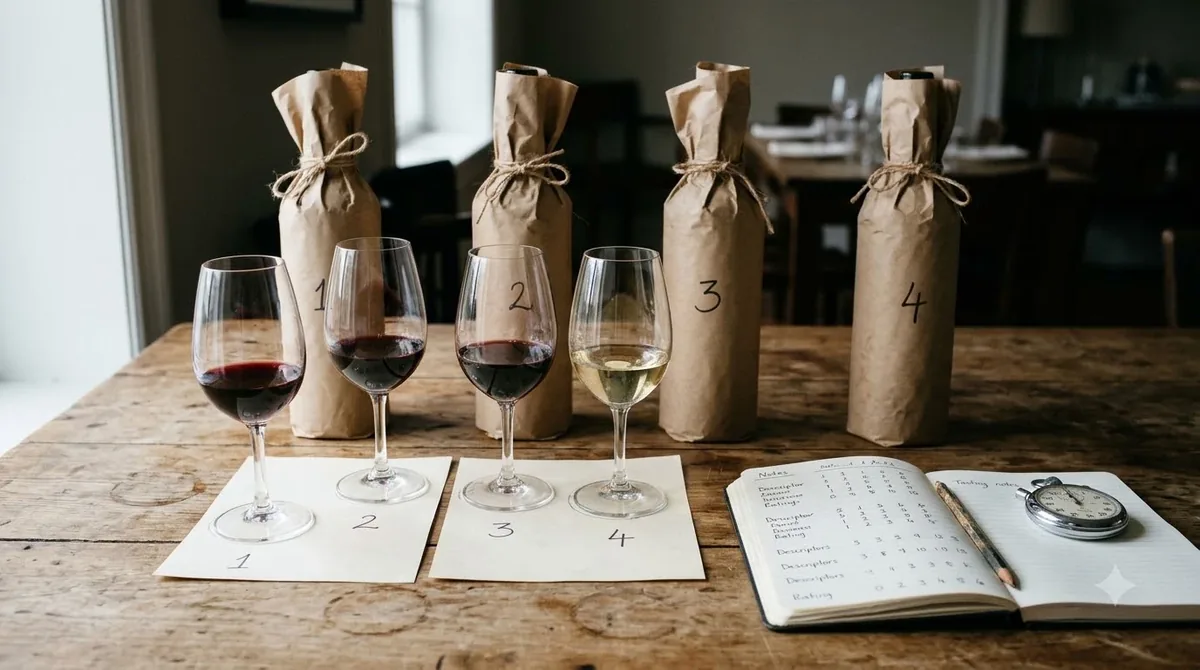
Record the producer, grape variety, vintage, acidity, tannin and flavors of the wines you enjoy. Comparing a Syrah with a Tempranillo or a Viognier with a Sauvignon Blanc becomes much easier when the differences are written down.
-
Arrange transportation.
Designate a non-drinking driver or arrange a professional wine tour. Tasting rooms may be separated by rural roads, and sampling wine at several destinations can make driving unsafe. Do not rely on being able to find last-minute transportation between wineries.
-
Finish with a relaxed final stop.
Leave enough time to enjoy the last tasting without watching the clock. A vineyard garden, cheese pairing or scenic outdoor setting can be a better ending than squeezing in an additional winery just before closing.
Tip: Three or four wineries are a sensible target for a full day. Confirm appointments before leaving, keep a meal break in the itinerary and avoid scheduling tasting flights back-to-back without enough time for water and food.
Visitors who want to extend their Oregon trip can also compare the region with the best Napa Valley wineries. Napa offers a different style of wine tourism, with a larger concentration of internationally recognized estates. Applegate Valley is more rural and particularly rewarding for travelers interested in smaller producers and diverse Southern Oregon grape varieties.
Types and Wine Styles Explained at the Best Applegate Valley Wineries
Applegate Valley’s warm days and cool nights support a broad selection of grapes, making the region more diverse than a destination focused on a single signature variety. Understanding the main wine styles helps visitors decide which tasting rooms deserve priority.
Rhône-Inspired Wines
Rhône varieties are among the most interesting reasons to explore this part of Southern Oregon. Syrah, Grenache, Mourvèdre, Viognier and Roussanne provide a range of possibilities, from structured reds to aromatic whites.
Troon Vineyard and Quady North are useful destinations for exploring this category. Quady North’s wines draw inspiration from the Rhône and Loire valleys, while Wanderlust offers Grenache and Viognier among its small-batch selections.
Syrah typically has medium-plus to high tannin, with dark fruit and savory characteristics depending on its origin and winemaking. Grenache is often softer and more fruit-forward, making it an interesting comparison. Viognier, meanwhile, offers an aromatic white-wine experience with floral and stone-fruit notes.
Bordeaux-Style Reds
Cabernet Sauvignon and Merlot are important varieties in the Applegate Valley. Visitors who prefer familiar red-wine structures can begin with these grapes before exploring less common blends.
Cabernet Sauvignon typically has high tannin, a fuller structure and dark-fruit character. Merlot usually has medium tannin and a softer texture. Comparing the two is a useful exercise for understanding how grape variety influences mouthfeel and food compatibility.
These wines are particularly appealing with grilled beef, lamb and dishes containing enough fat to soften the perception of tannin. Full-bodied reds are generally best served around 60 to 65 degrees Fahrenheit rather than at warm room temperature.
Spanish and Portuguese Influences
Tempranillo is a particularly interesting grape for visitors seeking wines beyond the familiar California and northern Oregon varieties. Red Lily Vineyards is highlighted for its Tempranillo, making it an important stop for anyone interested in Spanish-inspired wine styles.
Plaisance Ranch also deserves attention for its red Iberian blend, made with grapes from Spain and Portugal. This provides an opportunity to compare a regional interpretation of Iberian wine traditions with other red blends produced in the valley.
Tempranillo can show red and dark fruit, spice and earthy notes, with its final character depending on ripeness and oak treatment. Visitors who enjoy Spanish reds should make this style a priority.
White Wines and Rosé
White wine drinkers should not overlook the Applegate Valley. Sauvignon Blanc, Chardonnay, Pinot Gris and Viognier provide a varied selection, while Rosé offers an appealing middle ground for warm afternoons.
Plaisance Ranch is a useful starting point for Sauvignon Blanc, while Dwell Wines features Pinot Gris. Wanderlust offers Viognier and Rosé, and Quady North is another option for visitors interested in Rhône- and Loire-inspired white and pink wines.
Sauvignon Blanc typically has high acidity and refreshing citrus or herbal characteristics. Chardonnay generally has medium acidity and can vary substantially depending on oak treatment and malolactic fermentation. Viognier tends to emphasize aromatic fruit and floral notes rather than the sharper acidity associated with Sauvignon Blanc.
For food pairings, match crisp whites with seafood, vegetables and fresh cheeses. Rosé can work well with grilled vegetables, charcuterie and lighter summer dishes.
Common Mistakes When Visiting Applegate Valley Wineries
The biggest mistake is assuming that every tasting room offers the same experience or that the entire region can be covered in a single afternoon. Applegate Valley is a geographically spread-out wine destination, and the most enjoyable visits leave room for individual winery personalities.
Trying to Visit Too Many Wineries
The Applegate Wine Trail directory includes numerous producers, and the broader region covers approximately 50 miles. Attempting to visit every winery in one day makes it difficult to appreciate individual wines and properties.
Instead, select three or four destinations that complement one another. A combination such as Dwell Wines, Plaisance Ranch and Wooldridge Creek offers a mixture of white wines, red blends and food-focused experiences without requiring an excessively crowded schedule.
Assuming Every Winery Specializes in the Same Grapes
Although the region is associated with Bordeaux and Rhône varieties, producers have different portfolios. Someone looking for Tempranillo may prefer Red Lily, while a visitor interested in Pinot Gris may find Dwell Wines more relevant.
Look at the actual wine selection before planning a visit. A producer’s specialties can make a substantial difference to the tasting experience, especially for visitors who have particular grape preferences.
Ignoring Reservation Requirements
Rural tasting rooms may have limited staffing or appointment-based experiences. Wanderlust, for example, offers a reserved 30-minute paired food-and-wine tasting. Visitors who assume that every experience is available as a walk-in may miss opportunities they would have enjoyed.
Call ahead to confirm hours, tasting availability, group policies and food options. This is particularly important for larger groups and holiday weekends.
Underestimating the Driving
Highway 238 and the surrounding country roads connect many Applegate wineries, but the route is not a compact urban circuit. Stops around Grants Pass, Williams and Jacksonville may require more driving than visitors expect.
Build the itinerary around geographic clusters and allow time between stops. A designated driver or professional tour is essential when the schedule includes several tastings.
Choosing Wines Only by Familiarity
Another common mistake is overlooking unfamiliar varieties. Applegate Valley producers offer wines such as Mourvèdre, Vermentino, Roussanne and Tempranillo, which may provide more memorable discoveries than another familiar Cabernet Sauvignon.
Ask about lesser-known wines and compare them with varieties you already enjoy. Someone who likes Sauvignon Blanc, for instance, may discover an appealing alternative in a fresh, aromatic Vermentino.
Wine Buying, Serving and Storage Tips After Your Visit
Buying wine at a winery is an opportunity to take home bottles that may be difficult to find in other markets. The key is choosing wines that suit your drinking preferences, transporting them carefully and storing them properly after the trip.
Choose Bottles Based on Drinking Plans
Think about when each bottle will be opened. A fresh Sauvignon Blanc or Pinot Gris can be a good choice for an upcoming meal, while a structured Cabernet Sauvignon or Syrah may suit a longer-term collection.
For everyday drinking, choose wines that are enjoyable without extensive cellaring. For a special occasion, consider a producer’s more structured red blend or a bottle that represents a distinctive local grape variety.
Do not purchase a bottle simply because its name or label is unfamiliar. Ask about its grape composition, acidity, tannin, oak treatment and recommended drinking window. These details are more useful than relying exclusively on a winery’s descriptions.
Match Food and Wine Correctly
Applegate Valley wines offer plenty of opportunities for food pairing. Sauvignon Blanc’s high acidity makes it a useful match for fresh goat cheese, shellfish and citrus-dressed salads. Pinot Noir can work well with roasted poultry and mushroom dishes, while fuller-bodied Cabernet Sauvignon pairs naturally with grilled beef.
Remember that salt and fat soften the perception of tannin. A fatty cut of beef can therefore make a structured red wine seem more approachable. Very spicy dishes are more challenging because alcohol and tannin can intensify the perception of heat.
Sweetness also matters. Dessert wines should generally be at least as sweet as the dessert being served. A dry wine alongside a very sweet dessert can taste unexpectedly sour or bitter.
Serve Wine at the Appropriate Temperature
Serving temperature affects aroma, texture and perceived acidity. A wine served too warm may seem overly alcoholic, while an excessively cold bottle can conceal its aromatic character.
- Sparkling wines: 40 to 50 degrees Fahrenheit.
- Light whites and Rosé: 45 to 50 degrees Fahrenheit.
- Full-bodied whites: 50 to 55 degrees Fahrenheit.
- Light reds: 55 to 60 degrees Fahrenheit.
- Full-bodied reds: 60 to 65 degrees Fahrenheit.
For a structured young red from the Applegate Valley, allow approximately 30 to 60 minutes of decanting when appropriate. This can help soften the initial impression and give the wine more room to express its aromas.
Store Bottles Properly
For longer-term storage, keep wine in a cool, dark environment near 55 degrees Fahrenheit with relatively stable temperature and humidity. Bottles sealed with traditional corks are generally stored on their sides to help maintain contact between the cork and wine.
Avoid leaving bottles in a hot vehicle after visiting a winery. High temperatures can damage wine, particularly during summer travel through Southern Oregon. Use insulated wine carriers when transporting bottles over longer distances and avoid prolonged exposure to direct sunlight.
Once opened, refrigerate still wines and generally aim to finish them within three to five days. Sparkling wines usually retain their best qualities for approximately one to three days when properly sealed. These are practical guidelines rather than guarantees, since preservation depends on the wine and storage conditions.
A standard 750 ml bottle provides approximately five 5-ounce glasses. Planning purchases around the number of people attending a meal helps prevent unnecessary leftovers and makes it easier to choose a useful mix of whites, reds and Rosé.
Frequently Asked Questions
Is Applegate Valley a separate wine appellation from Rogue Valley?
Yes. Applegate Valley is a sub-appellation within the Rogue Valley AVA, which itself belongs to the broader Southern Oregon AVA. The region received its official AVA designation in 2000, establishing its own recognized geographical identity for wine labeling.
What is the historical connection between Peter Britt and Applegate Valley wine?
Peter Britt was an important pioneer of Oregon winegrowing. Oregon Wine records that he planted grapes in 1852 and opened Valley View Winery in 1873. His work helped establish the region’s early winemaking history long before its modern revival.
Can visitors find organic and biodynamic wines in Applegate Valley?
Yes. Troon Vineyard is a prominent example of the region’s commitment to alternative farming approaches, with Demeter Biodynamic and Regenerative Organic Certified Gold recognition described by Travel Oregon. Other local growers also explore organic, regenerative and biodynamic vineyard practices.
Is Applegate Valley suitable for visitors who do not drink red wine?
Absolutely. Local producers offer white varieties such as Viognier, Sauvignon Blanc, Chardonnay and Pinot Gris, as well as Rosé. Vermentino and Roussanne also provide interesting alternatives for visitors who enjoy discovering less familiar white grapes.
Can visitors combine wine tasting with outdoor activities?
Yes. The region’s proximity to the Applegate River and Siskiyou Mountains makes it attractive for travelers who enjoy outdoor recreation. The Applegate Wine Trail also highlights activities beyond wine, including lavender farms, local gardens and outdoor experiences, allowing visitors to build a broader Southern Oregon itinerary.
The best Applegate Valley wineries offer more than a selection of bottles: they provide a chance to discover Southern Oregon’s diverse grapes, distinctive farming traditions and welcoming agricultural communities. Start with producers such as Troon, Wooldridge Creek, Dwell Wines, Plaisance Ranch, Red Lily and Valley View, then expand your itinerary according to the wines and experiences you enjoy most. With a little advance planning, the Applegate Valley makes an excellent destination for a relaxed and rewarding Oregon wine-country trip.
More in Wine Buying Guides
 Cheap Red Blend: How to Find a Flavorful Bottle for LessUpdated Nov 20, 2026
 Pinot Grigio Gift: How to Choose a Bottle They’ll EnjoyUpdated Nov 20, 2026
 Best White Wine at Total Wine for Every MealUpdated Nov 20, 2026
 Wine Fridge Replacement Shelves: Find the Right FitUpdated Nov 20, 2026
 Best Sparkling Wine Under 20: Find Bubbles Worth BuyingUpdated Nov 20, 2026
 Best Wine For Birthday Celebrations With Perfect Party PairingsUpdated Nov 20, 2026