

We may earn a commission when you buy through links on this page, at no extra cost to you. Learn more.
A pinot noir gift is an excellent choice for someone who enjoys elegant, food-friendly red wine, particularly if you select a bottle that matches their preferred flavors and the occasion. Pinot Noir offers bright cherry and raspberry flavors, refreshing acidity, and softer tannins than many fuller-bodied reds. Bottles from Burgundy, Oregon, California, and New Zealand provide different expressions of the grape, making it possible to choose something approachable, distinctive, or suitable for a special celebration.
A thoughtfully chosen bottle of Pinot Noir can communicate considerably more than an ordinary bottle of red wine. It can reflect someone’s interest in French wine, introduce them to Oregon’s Willamette Valley, or provide a memorable companion for a dinner featuring duck, salmon, or mushrooms. The key is understanding what makes each style different before making a purchase. Rather than choosing a bottle based entirely on its label or reputation, consider the recipient’s drinking habits, the occasion, the food they enjoy, and how they might serve the wine.
Who Should Receive a Pinot Noir Gift?
Pinot Noir is particularly suitable for people who appreciate aromatic wines, lighter red styles, and food-friendly acidity. Its combination of red-fruit flavors and relatively gentle tannins makes it a versatile choice for both experienced wine enthusiasts and people who are still exploring red wine.
For someone who usually drinks Cabernet Sauvignon or another powerful red, Pinot Noir offers an interesting change of pace. Its lighter body, lower tannin, and pronounced acidity create a different drinking experience without losing the complexity associated with quality red wine. Someone who prefers delicate wines may particularly appreciate the contrast between Pinot Noir and heavier reds.
It also works well for a recipient who enjoys cooking. Pinot Noir has enough acidity to complement rich foods while maintaining a relatively delicate structure. A bottle can accompany a dinner featuring roasted chicken, grilled salmon, duck breast, pork tenderloin, or mushroom risotto. That versatility makes it a practical gift rather than something that needs to remain unopened until a particular celebration.
Different occasions call for different styles. A birthday gift might suit a distinctive Oregon Pinot Noir, while an anniversary could justify a bottle of Burgundy with a more recognizable regional identity. For a holiday host, a balanced California Pinot Noir is an approachable option that can be opened during the gathering.
Consider the recipient’s experience with wine, too. A beginner may appreciate straightforward cherry and raspberry flavors without excessive oak influence. An experienced collector might prefer a wine from a named Burgundy village, a single-vineyard Oregon bottling, or a producer they have not encountered before.
There are also good reasons to avoid choosing Pinot Noir automatically. Someone who prefers very sweet wines, intensely full-bodied reds, or heavily structured Cabernet Sauvignon may find its lighter character less appealing. In that situation, the recipient’s established preferences should take priority over the prestige of a particular grape variety.
Key Factors to Compare When Choosing a Bottle
The most useful buying considerations are the wine’s origin, flavor profile, body, acidity, and intended drinking occasion. Comparing these characteristics helps narrow the selection before you focus on the producer or presentation.
Start with the region. Burgundy generally appeals to people who appreciate earthy, savory, and mineral characteristics. Oregon offers an attractive balance of fresh fruit and structure, while California often provides a more generous expression of cherry, plum, and spice. New Zealand can be another interesting choice for someone who enjoys aromatic wines with lively fruit.
Next, consider body and texture. Pinot Noir is generally light to medium-bodied, with lower tannins and medium-high to high acidity. These qualities explain why it can accompany dishes that might overwhelm a heavier red wine. However, different growing conditions and winemaking decisions create noticeable differences in richness and intensity.
Alcohol content offers another useful comparison. Many Pinot Noir wines fall around 12% to 14% ABV, according to Wine Folly. This range provides a general indication of style, although alcohol alone cannot determine quality, balance, or flavor intensity.
The following comparison provides a practical starting point when selecting a bottle for someone else.
| Buying factor | What to look for | Why it matters |
|---|---|---|
| Region | Burgundy, Oregon, California, or New Zealand | Provides clues about flavor and structure |
| Body | Light to medium | Helps match the recipient’s preferred red wine style |
| Tannin | Generally low | Creates a softer, less drying mouthfeel |
| Acidity | Medium-high to high | Supports food pairing and freshness |
| Alcohol | Approximately 12% to 14% ABV | Offers a useful general style reference |
| Bottle size | 750 ml | Provides approximately five standard 5 oz servings |
| Serving temperature | 55°F to 60°F | Preserves freshness and aromatic definition |
| Glassware | Wide-bowled wine glass | Allows aromatic development |
Vintage and drinking maturity deserve attention as well. A younger Pinot Noir often emphasizes fresh cherries, raspberries, and cranberries. With bottle age, some wines develop more complex aromas of mushrooms, dried flowers, leather, and forest floor. However, not every Pinot Noir is intended for extended cellaring. For a gift that will probably be opened soon, a currently enjoyable bottle is generally more practical than one that requires years of patience.
Packaging is another consideration, but it should remain secondary to the wine. A clean label, an attractive bottle, and a suitable gift bag can make the presentation feel complete. A recognizable appellation or producer can also provide a useful conversation starter without requiring the recipient to understand technical wine terminology.
For additional background on producers and recognizable labels, explore our guide to the best Pinot Noir brands. It can help identify different producer styles before you settle on a particular bottle.
Step-by-Step: How to Choose the Right Pinot Noir
A good buying decision starts with the recipient rather than the bottle. Following a few straightforward steps makes it easier to find a Pinot Noir that feels personal and suits the occasion.
-
Identify the recipient’s preferred wine style.
Think about what they normally drink. Someone who enjoys light reds may prefer an elegant Burgundy or Oregon Pinot Noir, while a fan of richer California reds may appreciate a fruit-forward coastal bottling. If you have seen them order Pinot Noir previously, use that as your starting point.
-
Choose a region that matches their preferences.
Consider Burgundy for earthy complexity, Willamette Valley for fresh acidity and red fruit, California for ripe cherry and darker fruit, or New Zealand for aromatic freshness. Regional identity provides more useful information than choosing a bottle simply because its label looks expensive.
-
Decide whether the bottle is for immediate drinking or a special occasion.
For a dinner invitation or birthday celebration, prioritize a wine that is approachable now. For a serious collector, a bottle with a stronger regional identity and credible aging potential may be more appropriate. Avoid assuming that every premium Pinot Noir needs to be stored for years.
-
Consider the meal or celebration.
Match the wine with foods the recipient enjoys. Duck, roasted chicken, grilled salmon, pork, and mushroom dishes are all useful pairing ideas. A versatile bottle is particularly helpful if you do not know the complete menu.
-
Compare producers and available information.
Look at the region, vintage, producer description, and winemaking approach. Pay attention to whether the wine emphasizes fresh fruit, earthiness, oak, or a combination. A clear description of the wine’s character is more helpful than an impressive-looking label alone.
-
Complete the presentation.
Choose an appropriate gift bag, protective packaging, or a simple handwritten card. If the bottle is being delivered or transported, make sure it is protected from excessive heat, direct sunlight, and unnecessary movement.
One additional consideration is the recipient’s interest in discovering new wines. A familiar region provides reassurance, while an unfamiliar appellation can make the present feel more adventurous. For someone who already knows Burgundy well, an Oregon or New Zealand Pinot Noir may provide a welcome opportunity to compare different interpretations of the grape.
Tip: If you do not know the recipient’s favorite Pinot Noir, choose a balanced bottle from a recognized cool-climate region. A Willamette Valley or California coastal Pinot Noir is a useful starting point because it can combine recognizable red-fruit flavors with refreshing acidity.
Pinot Noir Types and Regional Styles Explained
Regional differences are among the most important considerations in choosing Pinot Noir for another person. Burgundy, Oregon, California, and New Zealand each provide recognizable styles, although individual producers and vineyards can create considerable variation within a region.
Burgundy: Traditional and Earthy
Burgundy is Pinot Noir’s historic home and a natural choice for someone who appreciates traditional French wines. Red Burgundy commonly displays cherry, raspberry, floral, mineral, and earthy characteristics. The style can be subtle and layered, making it particularly appealing to experienced wine drinkers who enjoy examining how a vineyard location influences the finished wine.
Village names provide useful clues. Gevrey-Chambertin is associated with more structured expressions, Chambolle-Musigny is known for aromatic finesse, and Pommard can produce a fuller, more powerful style. These differences make Burgundy an interesting gifting category for someone who enjoys regional wine distinctions.
A bottle from Burgundy can also feel especially appropriate for an anniversary, retirement, or milestone birthday. However, a prestigious regional name does not guarantee that the wine matches every recipient’s taste. Someone who prefers generous fruit and straightforward flavors may find a more approachable New World Pinot Noir easier to enjoy.
Oregon: Fresh Fruit and Balanced Structure
Oregon’s Willamette Valley is one of the most recognized American regions for Pinot Noir. Its cool growing conditions help preserve acidity and support flavors of cherry, cranberry, and raspberry. The resulting wines often offer a balance between fruit expression and earthy complexity.
Oregon makes a particularly appealing gift for someone who enjoys elegant red wines but wants to explore something beyond France. It offers regional character without requiring the recipient to understand the hierarchy of Burgundy appellations. A bottle from a named Willamette Valley area can also introduce a more specific sense of place.
For dinner hosts and people who enjoy cooking, Oregon Pinot Noir is a useful choice because its acidity and moderate tannin can complement several different dishes. Roasted poultry, pork tenderloin, grilled salmon, and mushroom risotto are especially suitable options.
California: Ripe Fruit and Generous Flavors
California produces several distinctive Pinot Noir styles, particularly in cooler coastal growing areas. Russian River Valley, Anderson Valley, and the Central Coast are useful regions to explore. Depending on the producer and growing conditions, the wines can show ripe cherry, raspberry, plum, vanilla, and baking spice.
California Pinot Noir is a sensible option for someone who likes expressive fruit and a slightly richer impression. It can also make a successful dinner-party present because its familiar fruit flavors are often easy to appreciate without extensive wine knowledge.
Different California growing areas offer different expressions. A coastal wine may emphasize freshness and aromatic detail, while a warmer site can produce riper fruit characteristics. Looking beyond the general California designation helps identify a bottle with a more specific regional identity.
New Zealand: Aromatic and Vibrant
New Zealand provides another appealing direction, particularly for people who enjoy fresh, aromatic reds. Marlborough and Central Otago are established Pinot Noir regions, with individual wines showing different combinations of red fruit, herbal notes, spice, and acidity.
New Zealand Pinot Noir can be a thoughtful alternative to the more familiar French and American options. It is particularly appropriate for someone who enjoys exploring wines from different countries or already appreciates New Zealand Sauvignon Blanc.
For a broader comparison of regional styles, Wine.com’s Pinot Noir regional guide explains how Burgundy, Oregon, California, and New Zealand differ in their typical flavor profiles and structure.
Common Mistakes When Buying Pinot Noir as a Gift
The most common buying mistakes involve confusing sweetness with ripe fruit, assuming expensive means better, and overlooking the recipient’s actual preferences. A little attention to these details can prevent an otherwise thoughtful present from becoming an unsuitable purchase.
Confusing Fruitiness With Sweetness
Most Pinot Noir is dry, even when it tastes strongly of ripe cherries, strawberries, raspberries, or plums. Fruit-forward flavors do not necessarily indicate residual sugar. Someone who likes soft, fruity red wine may enjoy an approachable Pinot Noir, but a person who specifically prefers sweet wine may have different expectations.
If the recipient consistently chooses sweet red wines, consider whether a sweeter alternative would be more suitable. Our sweet Pinot Noir discussion can help clarify the distinction between fruity aromas and actual sweetness. It is better to understand this difference than to promise a sweet wine based solely on descriptions of cherry or berry flavors.
Choosing Only by Label Appearance
An attractive label can make a bottle look appropriate for a celebration, but it does not establish the wine’s quality or style. Look at the region, producer, vintage, and available tasting description before deciding. A less elaborate label from a producer with a clear regional identity may be a more satisfying purchase.
Assuming Burgundy Is Always the Best Choice
Burgundy has considerable historical prestige, but that does not mean every Burgundy bottle will suit every wine drinker. Someone who prefers ripe fruit and a generous texture may enjoy California Pinot Noir more. A person who values freshness and a balanced structure might prefer Oregon.
There is also a difference between regional reputation and individual bottle quality. Producer, vineyard, vintage, and storage conditions all matter. A thoughtful gift should reflect the wine’s actual character rather than relying on an expensive-sounding place name.
Ignoring the Recipient’s Food Preferences
Pinot Noir is food-friendly, but the meal still matters. Its acidity works well with rich duck, roasted chicken, and mushrooms, while its relatively low tannin makes it suitable for lighter dishes. However, someone who primarily serves heavily spiced food may find a different wine more appropriate, particularly because chili heat can become more pronounced with alcohol and tannin.
Buying a Bottle That Requires Too Much Patience
Some collectible Pinot Noir wines are intended for extended aging, but many recipients want to open a present soon after receiving it. If the bottle is meant for an upcoming dinner, prioritize drinking readiness. A wine that requires careful cellaring for several years may be less convenient for someone without suitable storage.
For everyday gift buying, an enjoyable bottle with a clear regional identity is often more useful than a wine selected solely for its future collectible appeal.
Care, Storage, and Serving Tips for Gifted Pinot Noir
Proper storage and serving help preserve Pinot Noir’s delicate aromas and fresh fruit character. The most important details are a stable storage temperature near 55°F, protection from light, and serving the wine slightly cooler than ordinary room temperature.
Transporting the Bottle
Wine should be protected from excessive heat and temperature fluctuations during transportation. Avoid leaving a bottle inside a parked vehicle, particularly in warm weather. If the gift is being carried over a long distance, use protective packaging that prevents the bottle from striking other objects.
A wine gift bag provides attractive presentation, but it is not a substitute for temperature protection. If the bottle is being shipped, proper packaging and a suitable delivery arrangement are more important than decorative wrapping.
Storing Pinot Noir Before Opening
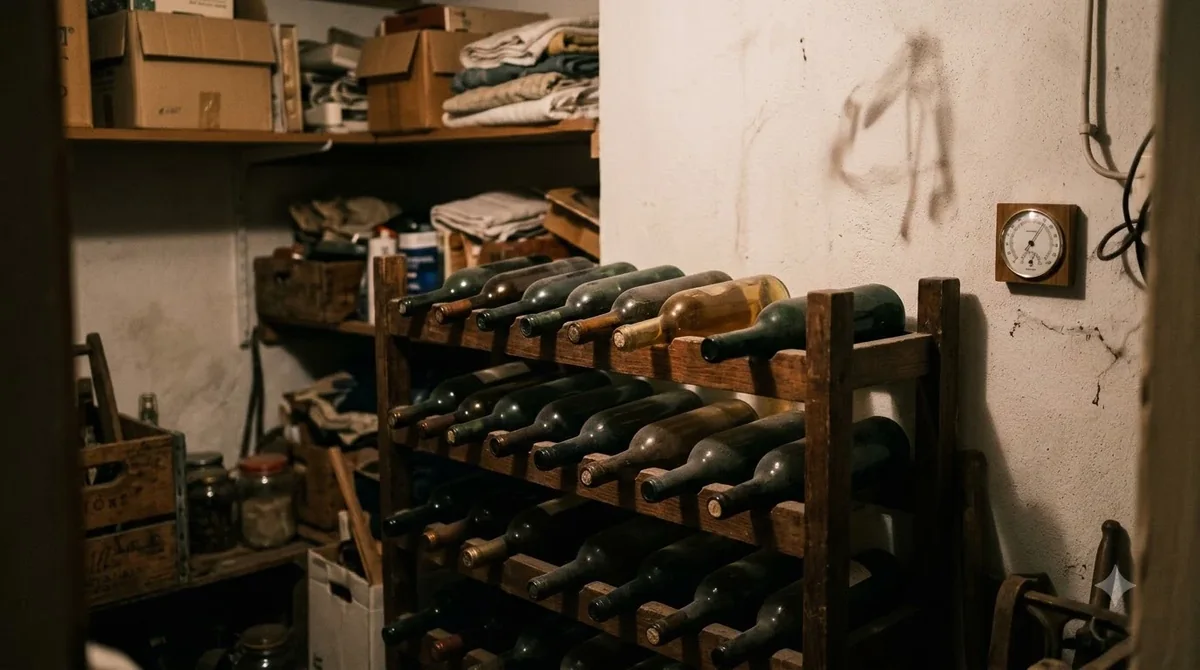
For longer storage, keep bottles in a dark, cool location with minimal temperature fluctuation. A temperature near 55°F is a useful target. Bottles with natural cork closures should generally be stored on their sides to help keep the cork from drying out.
Avoid placing wine next to heating equipment, in direct sunlight, or in an area exposed to repeated vibration. A kitchen counter or warm display shelf may look attractive, but it is not a suitable long-term storage location.
Serving at the Right Temperature
Pinot Noir is generally best served between 55°F and 60°F. Serving it too warm can make the alcohol seem more prominent and soften the impression of freshness. Serving it excessively cold can mute delicate aromas and make the wine seem less expressive.
If the bottle has been stored at normal room temperature, a short period in the refrigerator can bring it closer to the recommended serving range. Use a wide-bowled wine glass with a slightly narrower opening to help concentrate the aromas of cherry, raspberry, flowers, and earth.
Decanting and Enjoying an Open Bottle
Many young Pinot Noir wines do not require extensive decanting. However, a young bottle that initially seems restrained may benefit from approximately 30 minutes of aeration. This can help reveal additional fruit and aromatic detail.
Older Pinot Noir deserves more careful treatment. Mature wines can be delicate, and prolonged exposure to air may diminish their aromas. If the bottle contains sediment, gentle handling is preferable to vigorous pouring.
Once opened, still Pinot Noir generally keeps for approximately three to five days in the refrigerator when properly resealed. Allow a serving to warm slightly before drinking if it has been refrigerated. This helps restore the wine’s aromatic expression without exposing the remaining bottle to unnecessary heat.
These practical details can also make a useful addition to a gift card. A short suggestion to serve the wine slightly chilled alongside roasted chicken or mushrooms gives the recipient an easy way to enjoy the bottle.
Frequently Asked Questions
Is Pinot Noir an appropriate gift for someone who rarely drinks red wine?
Yes, Pinot Noir can be a suitable introduction because it generally has less tannin than Cabernet Sauvignon or Syrah. Its lighter structure and aromatic red-fruit character can make it approachable for someone who usually drinks white wine. A lighter-bodied example is a sensible starting point.
Does Pinot Noir have a reputation as a romantic wine gift?
Pinot Noir is frequently associated with intimate dinners because it pairs well with foods such as duck, salmon, and mushroom dishes. Its aromatic character and lighter texture also make it suitable for a leisurely meal. The Burgundy connection can add a traditional French wine association to an anniversary or Valentine’s Day present.
Can Pinot Noir be used as a corporate wine gift?
Yes, a well-presented bottle from a recognized wine region can be appropriate for a professional thank-you or business celebration. Consider a recipient’s company gifting policies and local alcohol regulations before sending wine. For an international recipient, also check whether alcohol imports are permitted.
What is the difference between Pinot Noir and Pinot Nero?
Pinot Nero is the Italian name for the same grape variety known as Pinot Noir in France and the United States. The spelling on a label therefore does not indicate a different grape. Italian examples can reflect regional growing conditions and winemaking choices rather than a separate variety.
Can a bottle of Pinot Noir be personalized for a wedding gift?
Yes, a personalized bottle presentation can make Pinot Noir particularly suitable for a wedding or engagement celebration. A custom gift box, a handwritten message, or a note connecting the wine to the couple’s favorite meal can add meaning without changing the wine itself. If the bottle is intended to be opened years later, choose a wine with credible aging potential rather than assuming every Pinot Noir will improve indefinitely.
A memorable Pinot Noir gift does not have to be the rarest or most expensive bottle available. The best choice is one that reflects the recipient’s preferences, offers an appealing regional character, and suits the occasion. Whether you choose earthy Burgundy, balanced Oregon, expressive California, or aromatic New Zealand Pinot Noir, a carefully selected bottle can make a thoughtful and enjoyable present.
More in Wine Buying Guides
 Cheap Red Blend: How to Find a Flavorful Bottle for LessUpdated Nov 20, 2026
 Pinot Grigio Gift: How to Choose a Bottle They’ll EnjoyUpdated Nov 20, 2026
 Best White Wine at Total Wine for Every MealUpdated Nov 20, 2026
 Wine Fridge Replacement Shelves: Find the Right FitUpdated Nov 20, 2026
 Best Sparkling Wine Under 20: Find Bubbles Worth BuyingUpdated Nov 20, 2026
 Best Wine For Birthday Celebrations With Perfect Party PairingsUpdated Nov 20, 2026