

We may earn a commission when you buy through links on this page, at no extra cost to you. Learn more.
The segura viudas brut price typically falls around $10 to $16 for a standard 750 ml bottle in the United States, making it an accessible Spanish sparkling wine for everyday celebrations and casual entertaining. Retail listings vary by state, retailer, bottle size, and vintage, so shoppers may encounter different prices for the same non-vintage Cava. Understanding the difference between standard Brut, vintage bottlings, and larger formats helps you compare offers without paying more than necessary.
Segura Viudas Brut is a Spanish Cava made from traditional regional grape varieties, with a dry profile, lively acidity, citrus character, and persistent bubbles. Its combination of fruitiness and bottle aging makes it useful for everything from seafood appetizers to weekend brunch. Before purchasing, it helps to understand what a normal retail price looks like, which bottle format offers practical value, and how this sparkling wine compares with other bottles from the same producer.
Who This Is For
Segura Viudas Brut is particularly suitable for shoppers who want a reasonably priced sparkling wine with recognizable traditional Cava characteristics. Its dry style, fresh fruit profile, and minimum 12 months of bottle aging make it a practical choice for informal celebrations, dinner parties, and aperitif service.
The standard Brut is worth considering if you regularly buy sparkling wine but do not want every occasion to require a premium Champagne purchase. Its blend of 50% Macabeo, 30% Xarel·lo, and 20% Parellada provides a distinctly Spanish foundation. The producer describes citrus, white fruit, tropical fruit, and floral aromas, with lime and pineapple on the palate. These characteristics give the wine enough personality to accompany food without making it difficult to serve to guests with different preferences.
It also suits shoppers comparing everyday sparkling wine options across different retail stores. The standard 750 ml format is particularly convenient because it provides approximately five conventional 5 oz pours. That makes one bottle suitable for a small gathering or a dinner shared by two people who each want more than one glass. The wine’s 12.5% ABV is another useful purchasing consideration for people comparing sparkling wines with different alcohol levels. For more details about the wine itself, see this overview of Segura Viudas Brut.
However, shoppers looking for a particularly complex, extended-aged sparkling wine may want to compare other Cava categories and traditional-method wines before making a decision. Segura Viudas Brut offers meaningful lees aging, but its primary appeal is the balance between freshness, fruit, and accessibility rather than the intensity associated with much longer-aged prestige sparkling wines.
The bottle also works well for people who prefer dry sparkling wine rather than sweet celebratory styles. Its acidity makes it suitable for salty appetizers, seafood, and soft cheeses. If you want a versatile bottle that can move from an opening toast to the first courses of a meal, this Cava deserves consideration.
Key Factors to Compare
The most useful way to evaluate a Segura Viudas Brut purchase is to compare bottle size, vintage designation, retailer pricing, and the exact bottling. These details can explain why two listings bearing similar product names have noticeably different prices.
| Comparison factor | What to look for | Why it matters |
|---|---|---|
| Standard bottle | 750 ml | Approximately five 5 oz glasses |
| Magnum | 1.5 liters | Equivalent to two standard bottles |
| Split bottle | 187 ml | Approximately one small serving |
| Standard Brut blend | 50% Macabeo, 30% Xarel·lo, 20% Parellada | Identifies the producer’s standard grape composition |
| Alcohol content | 12.5% ABV | Useful for comparing sparkling wine strength |
| Minimum bottle aging | 12 months | Provides time for lees-derived complexity |
| Vintage designation | Non-vintage or a named vintage | Can affect availability and retail pricing |
Retail price and regional availability
For the standard non-vintage Segura Viudas Brut, Vino Alert’s US retailer listings show approximately $9.99 to $15.97 for 750 ml bottles, with a typical tracked price around $11.99. Prices vary by state and retailer, and these figures represent listed retail offers rather than a guaranteed nationwide shelf price. Vino Alert’s Segura Viudas Brut price comparison provides a useful reference for understanding the range.
WinesRate provides another comparison point, reporting a tracked 750 ml range of $9.99 to $15.99 across 12 US retailers. Its listings include retailers in New York, California, and Washington, DC. The close agreement between the two comparison services suggests that the low-to-mid-teens range is a reasonable shopping benchmark for the standard bottling, although local availability can change the amount you actually pay.
Bottle size and value
A 750 ml bottle is usually the most straightforward option for an individual purchase. A 1.5-liter magnum contains twice the wine, so its value should be assessed by dividing its total price by two and comparing that result with the price of a standard bottle. A larger format is not automatically cheaper per glass.
The 187 ml split bottle serves a different purpose. It is useful for a single small serving, a tasting, or a situation where opening a full bottle would leave too much unfinished wine. WinesRate lists both smaller splits and magnums separately from its standard 750 ml listings, which is important because comparing their total prices directly can be misleading.
Vintage and bottling differences
The non-vintage version is generally the most practical starting point for shoppers seeking the familiar house style. Vintage bottles can have different availability and pricing, and a vintage designation should not automatically be interpreted as evidence of superior quality. Compare the actual product description rather than assuming that every bottle carrying the Segura Viudas name is identical.
Also distinguish the standard Brut from more specialized expressions. A bottle labeled Heredad or Brut Reserva Heredad is not simply another retailer’s name for the regular Brut. These distinctions matter when comparing prices because the products can have different production details, presentation, and market positioning. The broader Segura Viudas wine range is useful to review before comparing different expressions.
Step-by-Step: How to Find a Fair Retail Price
A reliable purchase starts with identifying the exact bottle, then comparing equivalent sizes and checking whether the listed offer is actually available in your location. Following a few straightforward steps prevents confusion between different Segura Viudas expressions and makes price comparisons more meaningful.
-
Identify the standard Brut expression.
Start with the bottle labeled Segura Viudas Brut. Make sure you are not comparing it with Brut Rosé, Heredad, or Brut Reserva Heredad. Similar producer names do not necessarily indicate the same product or price category.
-
Choose the correct bottle size.
Use 750 ml as your primary comparison format. If a retailer lists a 1.5-liter magnum or 187 ml split, calculate the cost per 750 ml equivalent before deciding whether the larger or smaller bottle makes financial sense.
-
Check several US retail listings.
Compare offers from multiple retailers rather than relying on the first result. Price comparison services such as Vino Alert and WinesRate can help identify differences among retailers in different states.
-
Establish a realistic price benchmark.
Use approximately $10 to $16 as a practical reference range for the standard 750 ml bottle, based on the tracked listings from WinesRate. Prices vary by state and retailer, and shipping charges or local taxes can affect the final purchase cost.
-
Compare vintage and non-vintage labels.
Check whether the bottle is identified as non-vintage or carries a specific vintage year. The difference can affect availability and the retail range, so avoid comparing two different vintages as if they were identical products.
-
Review retailer availability.
A listed price is useful only if the bottle can actually be purchased in your state. Some retailers have limited shipping coverage, while others primarily serve customers shopping in person. Confirm the applicable delivery or pickup options before making your decision.
-
Evaluate the wine rather than price alone.
Consider the grape blend, minimum aging, alcohol content, and intended serving occasion. A bottle that suits your food pairing and guest preferences can be a better purchase than a cheaper alternative that does not fit the occasion.
Tip: Use the 750 ml bottle as your price-comparison baseline. A 1.5-liter magnum should be compared against the combined cost of two standard bottles, while a 187 ml split should be evaluated as a separate convenience format. This avoids misleading comparisons between different quantities of wine.
Once you have identified the correct product and size, consider how frequently you serve sparkling wine. If you buy one bottle for an occasional dinner, convenience may matter more than a small difference in unit cost. If you regularly entertain larger groups, comparing magnum pricing can become more worthwhile.
Finally, keep your expectations realistic. Retail prices are affected by distribution, local taxes, retailer inventory, and shipping restrictions. A bottle listed near the lower end of the typical range is a reasonable option to investigate, but availability and the actual final checkout cost remain important.
Types or Styles Explained
Segura Viudas offers several sparkling wine expressions, and understanding their differences helps explain why prices vary across bottles carrying the same producer name. The standard Brut is the most relevant starting point for shoppers looking for the familiar dry Cava style, while other expressions offer different presentations and drinking experiences.
Standard Segura Viudas Brut
The standard Brut is a dry Cava built around three traditional Spanish grapes: Macabeo, Xarel·lo, and Parellada. According to the producer, the proportions are 50%, 30%, and 20%, respectively. Macabeo contributes balanced acidity and fruitiness, while the blend as a whole is intended to deliver freshness and complexity.
The winemaking process includes three months of yeast-cell autolysis in the base wine before bottling, followed by a minimum of 12 months of bottle aging in contact with the lees. This extended contact contributes to the wine’s texture and aromatic development. The resulting profile combines citrus, white fruit, tropical fruit, floral notes, and a persistent mousse.
For shoppers comparing everyday sparkling wine, this is the expression to prioritize. Its dry finish and lively acidity make it flexible enough for appetizers and main courses, and its traditional Cava production provides more context than simply choosing a sparkling wine based on its bubbles. Shoppers comparing the wine’s strength can also review the details in this guide to Segura Viudas Brut alcohol content.
Segura Viudas Brut Rosé
Brut Rosé is a separate expression rather than a different name for the standard white Brut. It is a useful alternative for people who prefer a pink sparkling wine or want a different visual presentation for celebrations. Its positioning makes it worth comparing independently rather than assuming that the standard Brut’s grape blend, aging details, and flavor description apply to it.
Rosé sparkling wine can be especially appealing alongside salmon, shrimp, charcuterie, and lighter appetizers. However, the food pairing should depend on the wine’s actual acidity, fruit character, and sweetness rather than its color alone. A dry rosé can work with many of the same savory dishes as a white Brut.
Segura Viudas Heredad and Heredad Brut Reserva
The Heredad expressions occupy a different position within the producer’s range. They should not be treated as interchangeable with the standard Brut when comparing retail prices. Their distinct product identity is especially important when searching retailer websites, where abbreviated descriptions can make similarly named wines appear more alike than they are.
For shoppers interested in comparing these expressions, start with the exact product name and bottle presentation. The standard Brut is a sensible choice for straightforward sparkling wine service, while Heredad bottlings are alternatives to investigate when the occasion calls for a different expression from the same producer.
Non-vintage and vintage bottlings
A non-vintage sparkling wine is not tied to one single harvest year in the same way as a vintage-designated bottle. This approach allows a producer to maintain a recognizable house style across releases. It also makes non-vintage Brut a practical option for regular purchases because shoppers are not restricted to finding one particular harvest year.
Vintage-designated bottles can attract different prices because their availability, production circumstances, and retailer inventory differ. However, vintage status alone does not establish that a bottle is better suited to your preferences. The most useful comparison remains the wine’s actual style, freshness, production details, and intended occasion.
Common Mistakes When Comparing Prices
Many purchasing mistakes happen because shoppers compare different products or bottle formats without recognizing the differences. A little attention to product names, volume, and retailer information can make the buying process considerably more accurate.
Confusing standard Brut with Heredad
One of the most common mistakes is assuming that every bottle labeled Segura Viudas Brut belongs to the same price category. Standard Brut and Heredad expressions have distinct product identities. The name Heredad should therefore be treated as an important product distinction, not an optional description that can be ignored when comparing retailer listings.
This matters particularly when a search engine displays several Segura Viudas products together. A higher listed price may reflect a different expression rather than an unusually expensive offer for standard Brut. Before judging a retailer’s pricing, compare the complete bottle name and the product description.
Comparing a magnum with a standard bottle
A 1.5-liter bottle contains twice as much wine as a 750 ml bottle. Comparing their total prices without adjusting for volume will produce an inaccurate impression of value. Calculate the equivalent 750 ml cost first, then consider whether the larger bottle suits the number of guests you expect.
The same issue applies to 187 ml splits. A small bottle may have a lower total cost but a higher per-liter cost. It can still be the better purchase if you only need one serving and would otherwise waste the remainder of a standard bottle.
Assuming every retailer has the same price
Retail prices can differ substantially between cities and states. WinesRate’s listings include examples from Brooklyn, San Francisco, and Washington, DC, illustrating how the same non-vintage 750 ml wine can appear at different retail prices. Inventory changes also mean that an offer available when a comparison page is updated may no longer be available when you visit the store.
Do not assume that a national online listing applies to every state. Alcohol shipping regulations, retailer distribution arrangements, and local taxes can affect the final purchase. A retailer that does not ship to your address may be irrelevant even if its advertised price appears attractive.
Paying more because of a vintage designation
Another mistake is treating a vintage year as an automatic quality upgrade. A vintage bottle may have a different retail price because of limited supply or the characteristics of that particular release. That does not mean it will necessarily taste better to every sparkling wine drinker.
For an uncomplicated purchase, the non-vintage Brut is a logical starting point. If you prefer comparing vintage bottlings, consider the producer’s technical information and the bottle’s specific identity rather than relying on the year printed on the label.
Ignoring the intended occasion
A bottle for a casual brunch does not necessarily need the same characteristics as a bottle intended for a formal celebration. Standard Brut provides a versatile dry style, but a rosé expression or a more specialized bottling may suit a particular menu or presentation better.
Think about the number of guests, the food being served, and how much sparkling wine each person is likely to drink. These practical details can influence the best format and expression more than a small difference between retailer listings.
Care and Storage Tips
Proper handling protects the freshness, carbonation, and aromatic character of sparkling wine. Segura Viudas Brut is best served chilled, opened carefully, and stored under appropriate conditions if any wine remains after serving.
Serving temperature
Serve Segura Viudas Brut at approximately 40 to 50 degrees Fahrenheit. This temperature range helps preserve the refreshing character of sparkling wine while allowing citrus, white fruit, and floral aromas to remain noticeable. A bottle that is too warm can seem less refreshing and may release its carbonation more aggressively when opened.
Chill the bottle in a refrigerator before serving rather than placing it in a freezer for an extended period. A wine bucket containing ice and water can also help bring the bottle to serving temperature. Once chilled, keep it cool between pours to maintain the wine’s freshness and lively bubbles.
Opening and pouring
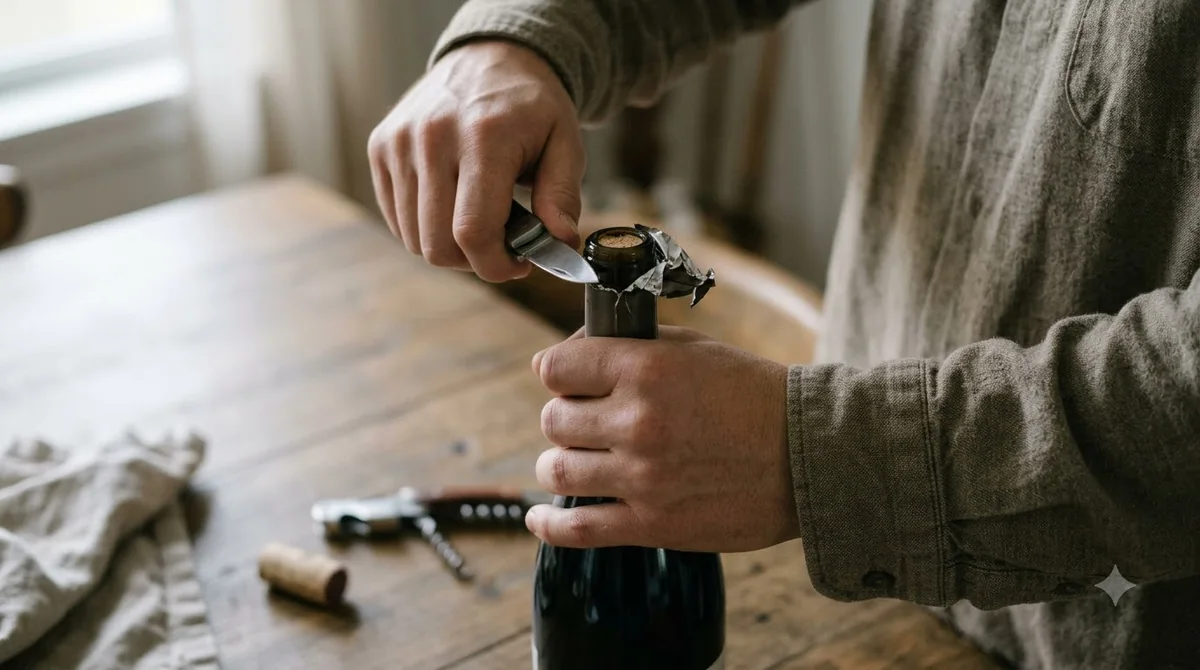
Remove the foil carefully and keep one hand over the cork while loosening the wire cage. Hold the cork securely and rotate the bottle rather than pulling the cork sharply. A controlled opening helps reduce pressure-related accidents and prevents excessive wine loss.
Use sparkling wine glasses or tulip-shaped glasses to serve the wine. A narrow flute can preserve visible bubbles, while a tulip shape provides more room for aromatic development. Pour slowly in stages to reduce foam and avoid filling the glass too quickly.
A conventional serving is 5 oz, which means a 750 ml bottle provides approximately five glasses. For a gathering of ten guests, two standard bottles provide roughly one serving per person. If sparkling wine is intended to accompany an entire meal, plan for additional bottles according to the number of courses and individual preferences.
Storage before opening
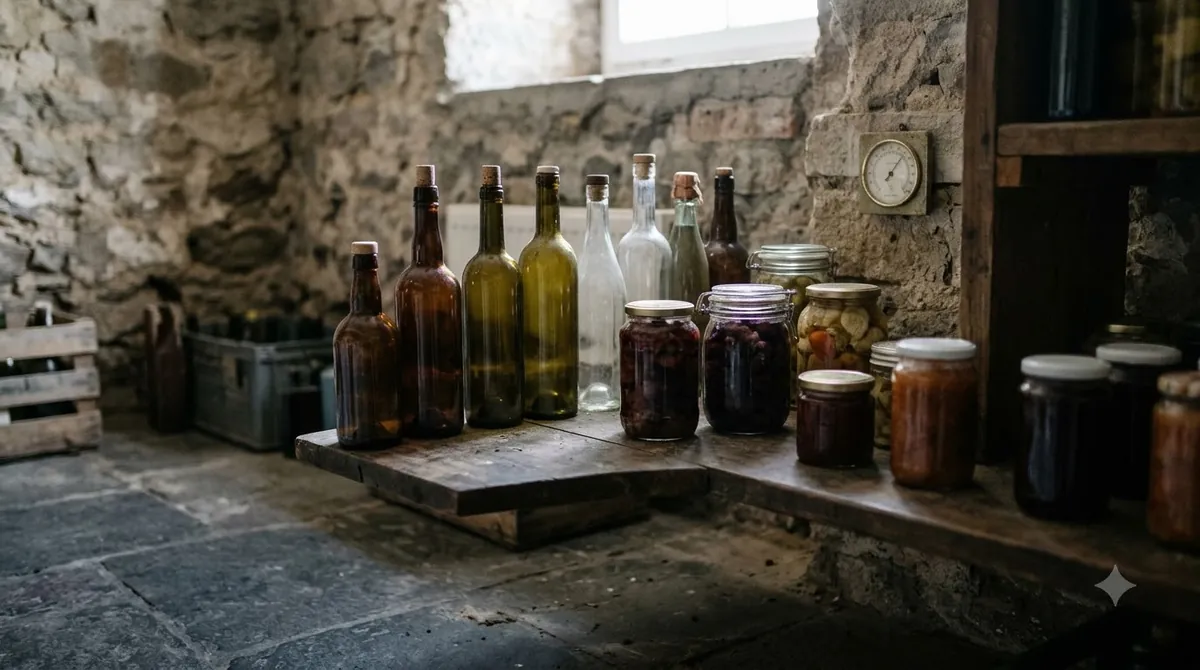
Store unopened sparkling wine in a cool, dark location away from direct sunlight and major temperature changes. A storage temperature near 55 degrees Fahrenheit is a useful general target for wine. Keep bottles away from heating appliances, sunny windows, and locations where temperatures fluctuate regularly.
For longer storage, bottles can be kept horizontally so the cork remains in contact with the wine. Avoid frequent movement or vibration, especially when storing several bottles for a future event. Standard Brut is generally purchased for relatively near-term enjoyment rather than prolonged bottle aging at home.
Preserving an opened bottle
After opening, use a sparkling wine stopper designed to withstand internal pressure. Ordinary wine stoppers may not maintain carbonation effectively. Place the bottle in the refrigerator promptly and keep it upright to reduce the amount of wine exposed to air.
Opened sparkling wine generally retains its best quality for approximately one to three days in the refrigerator, depending on the stopper, storage conditions, and how much carbonation remains. It will gradually lose its bubbles and freshness, so serving it soon after opening is preferable.
Food pairing can also influence how much of the bottle you use. The producer recommends preserved seafood such as anchovies and clams, as well as mild Brie. These dishes provide a natural opportunity to serve the Cava with an appetizer course before moving on to the rest of the meal.
Frequently Asked Questions
How many calories are in Segura Viudas Brut?
The exact calorie content depends on the serving size and the nutritional information for the particular bottling. The producer identifies the standard Brut as having a dosage level of 9 grams of sugar, which is useful context when comparing sparkling wines. For a precise calorie figure, consult the nutritional information supplied for the bottle.
Is Segura Viudas Brut vegan-friendly?
Vegan suitability depends on the fining and clarification materials used during production, not simply on whether the wine contains animal-derived ingredients in its finished form. A general producer description of traditional winemaking does not establish vegan certification. Check the producer’s current product information if vegan certification is important to your purchase.
Does Segura Viudas Brut contain sulfites?
Like many conventional wines, sparkling Cava can contain sulfites, which may occur naturally during fermentation or be used during winemaking. Bottled wines containing at least 10 parts per million of detectable sulfites are subject to sulfite declaration requirements in the United States. Consult the specific bottle’s labeling for applicable information.
Is Segura Viudas Brut suitable for making mimosas?
Yes. Its dry profile and citrus character make it a practical sparkling wine for a traditional mimosa. The wine can balance the sweetness of orange juice, and its acidity helps keep the finished drink refreshing. Chill both ingredients before mixing for a cooler result.
What is the difference between Cava and Prosecco?
Cava is a Spanish sparkling wine category commonly associated with traditional bottle fermentation, while Prosecco is an Italian sparkling wine made primarily from Glera grapes using the tank method. Prosecco commonly has an alcohol level around 11% to 12%, while the producer lists Segura Viudas Brut at 12.5% ABV. Their production methods and typical flavor profiles distinguish the two styles.
Segura Viudas Brut is a versatile Spanish Cava that combines a traditional three-grape blend, dry character, and meaningful bottle aging. For shoppers comparing standard 750 ml bottles, approximately $10 to $16 is a useful US retail reference, although local prices and availability vary. Compare the exact expression, bottle size, and vintage before purchasing, then serve it well chilled with seafood, appetizers, or soft cheeses.
More in Wine Brands
 Louis Latour Wine Price: Compare Bottles by Style and TierUpdated Nov 20, 2026
 Yellow Tail Moscato Price: What to Expect Before You BuyUpdated Nov 20, 2026
 Sutter Home Sweet Red Review: Find the Right Food PairingsUpdated Nov 20, 2026
 Franzia Chillable Red Review: Find the Right Serving StyleUpdated Nov 20, 2026
 Veuve Clicquot Rose Review: Flavor, Food Pairings and Buying AdviceUpdated Nov 20, 2026
 Rombauer Wine Price: Compare Bottles Before You BuyUpdated Nov 20, 2026