

We may earn a commission when you buy through links on this page, at no extra cost to you. Learn more.
Is prisoner wine good? Yes, The Prisoner is a well-made, full-bodied California red blend that delivers concentrated dark fruit, smooth tannins, and noticeable vanilla and spice. Its generous flavor, approachable texture, and distinctive character make it appealing to fans of bold, modern red wines. However, its relatively high alcohol content, rich style, and emphasis on ripe fruit will not suit every palate.
The Prisoner has become one of America’s recognizable red wine labels, attracting attention through its distinctive artwork and unconventional blend. Originally associated with winemaker Dave Phinney, the wine helped popularize a style that combines Zinfandel with several other red grapes. Its reputation raises a reasonable question: does the wine deliver enough quality in the glass to justify its popularity? The answer depends on what you enjoy in a red wine. Understanding its flavor, structure, grape composition, and food compatibility makes it easier to decide whether this bottle belongs on your table.
Who Should Try The Prisoner Red Blend?
The Prisoner is particularly appealing to people who enjoy powerful California reds with ripe fruit, soft textures, and generous oak-inspired flavors. It is a strong choice for drinkers who prefer a noticeable wine rather than a delicate, restrained style.
The flagship Prisoner Red Blend combines six grape varieties: Zinfandel, Cabernet Sauvignon, Petite Sirah, Syrah, Merlot, and Malbec. Each contributes a different element to the finished wine. Zinfandel brings ripe fruit character, Cabernet Sauvignon contributes structure, Petite Sirah adds depth and color, and Syrah contributes dark-fruit intensity. Merlot and Malbec help broaden the blend’s texture and flavor profile.
This combination makes the wine more layered than a straightforward single-grape red. Instead of focusing exclusively on Cabernet’s firm structure or Pinot Noir’s lighter body, The Prisoner emphasizes concentrated fruit, rounded texture, and an expressive finish. That approach makes it particularly suitable for people who enjoy wines with blackberry, plum, vanilla, and baking-spice characteristics.
Beginners may also appreciate its approachable texture. Some traditional Cabernet Sauvignons have firm tannins that create a drying sensation across the gums. The Prisoner’s softer presentation can make it easier to enjoy without extensive experience with red wine. Nevertheless, its substantial body and relatively high alcohol level mean it is not necessarily a light introduction to wine.
Experienced wine drinkers may appreciate its consistency of style and unusual grape combination, although those who prefer restrained European reds or highly acidic wines may find it too generous. Someone who regularly chooses Burgundy Pinot Noir, traditional Barolo, or lighter Loire Valley reds may prefer a different direction.
For a broader look at the producer’s portfolio, the Prisoner wine collection offers useful context for comparing its different styles. The flagship red is the most recognizable starting point, but it should not automatically represent every wine carrying the producer’s name.
Key Factors to Compare Before Buying
The most important considerations are grape composition, body, alcohol, flavor intensity, and tannin structure. The following specifications help explain why The Prisoner tastes different from many conventional California red wines.
| Factor | The Prisoner Red Blend | What It Means |
|---|---|---|
| Wine style | California red blend | Multiple red grape varieties create a layered profile |
| Grape varieties | 6 | Zinfandel, Cabernet Sauvignon, Petite Sirah, Syrah, Merlot, and Malbec |
| Alcohol | 15.5% ABV | A relatively high-alcohol red wine |
| Bottle size | 750 ml | Approximately five standard 5 oz pours |
| Body | Full-bodied | Rich, substantial mouthfeel |
| Fruit character | Red and black fruits | Cranberry, blackberry, and dried plum |
| Additional flavors | Sweet spice and vanilla | Nutmeg, caramelized vanilla, and toasted coconut |
| Texture | Soft and smooth | Less aggressively drying than many firm, tannic reds |
| Appellation | California | A broader regional designation than Napa Valley alone |
The producer’s 2024 technical information identifies 15.5% ABV, a 750 ml bottle, and six grape varieties. These are meaningful details because the wine’s concentration and alcohol level influence how it feels during a meal. A 15.5% wine can taste noticeably warmer than a lighter red, especially when served too warm or consumed without food. The official Prisoner Red Blend product information provides the producer’s description of its grape composition, aromas, and technical specifications.
Its grape composition is also important. Cabernet Sauvignon generally contributes substantial tannin, while Merlot is typically softer. Petite Sirah and Syrah can contribute additional structure and dark-fruit character. Zinfandel adds ripe fruit intensity. The final balance depends on the proportions and winemaking decisions, which are not fully established by simply knowing the grape list.
Another important distinction is that the current flagship blend should not be confused with the original historical recipe. VinePair describes the original combination as including Charbono, whereas the producer’s current published blend lists Merlot and Malbec. Different vintages and formulations should therefore be evaluated using their own specifications.
For a more focused explanation of the flagship bottling, see the Prisoner Red Blend overview.
Tip: Pay attention to alcohol content before choosing The Prisoner. At 15.5% ABV, it is considerably more powerful than many lighter red wines. Serve it with food and avoid warming it excessively to keep the alcohol sensation from dominating the fruit.
Step-by-Step: How to Evaluate The Prisoner
A structured tasting helps determine whether this wine suits your preferences. You do not need professional tasting equipment; a standard wine glass, a small pour, and a few minutes are enough to assess its main characteristics.
-
Check the wine’s identity and vintage.
Start by confirming that the bottle is The Prisoner Red Blend rather than another wine in the producer’s portfolio. Different labels can feature different grape combinations and regional designations. The current producer information identifies the flagship red as a California blend.
-
Serve it at an appropriate temperature.
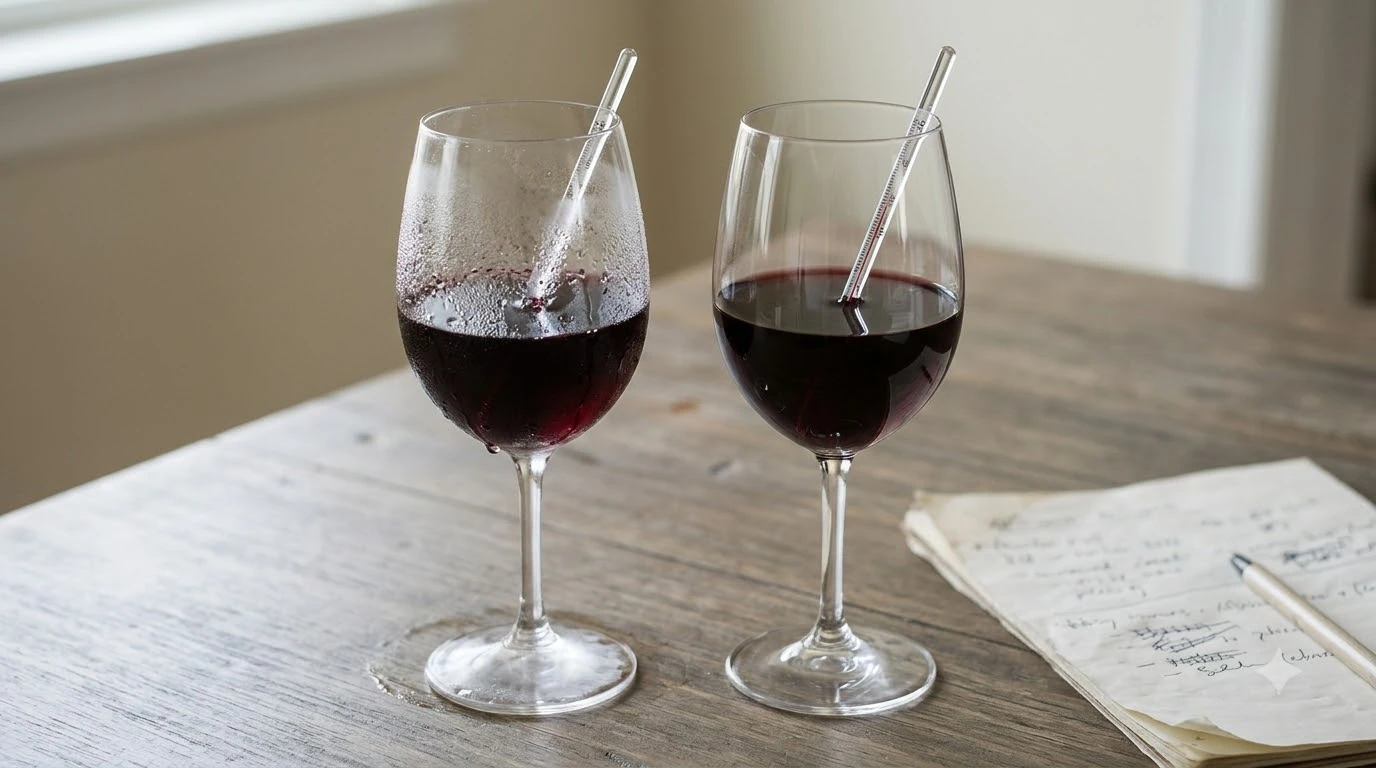
A full-bodied red generally benefits from a serving temperature around 60 to 65 degrees Fahrenheit. If the bottle has been stored at room temperature in a warm home, place it in the refrigerator briefly before opening. Excessive warmth can make alcohol seem more prominent and reduce the wine’s freshness.
-
Pour a standard tasting portion.
Pour approximately 5 ounces into a suitable red wine glass. A 750 ml bottle provides roughly five standard servings. Leave enough room in the glass to swirl the wine without spilling.
-
Evaluate the aromas.
Begin with a gentle smell before swirling. Look for ripe cranberry, blackberry, dried plum, vanilla, and warm spice. Swirl the glass carefully and smell again. The additional exposure to air can make the fruit and secondary aromas easier to recognize.
-
Assess the fruit and texture.
Take a small sip and pay attention to the wine’s weight, acidity, and tannins. The Prisoner is intended to feel full-bodied and generous. Notice whether its ripe fruit and soft texture appeal to you or whether you prefer a fresher, more restrained style.
-
Evaluate the alcohol sensation.
Allow the wine to move across your palate before swallowing. A noticeable warming sensation can occur with a wine at 15.5% ABV. Determine whether that warmth feels integrated with the fruit or becomes distracting.
-
Consider the finish.
After swallowing, notice how long the fruit, vanilla, and spice remain. A pleasant finish should feel balanced rather than dominated by alcohol, excessive sweetness, or drying tannins.
This process separates actual wine characteristics from the influence of packaging, reputation, and brand recognition. It also makes comparisons easier. If you taste The Prisoner alongside a Cabernet Sauvignon and a Merlot, you can identify whether its distinctive appeal comes from its fuller body, grape combination, or fruit-forward style.
Types and Styles Explained
The Prisoner is best understood as a family of wines rather than one universal flavor profile. Its flagship red blend is the most recognizable expression, but other wines associated with the producer offer different grape combinations and drinking experiences.
The flagship Red Blend: This is the main wine people usually mean when they mention The Prisoner. Its six-grape combination includes Zinfandel, Cabernet Sauvignon, Petite Sirah, Syrah, Merlot, and Malbec. The resulting profile emphasizes ripe red and black fruits, vanilla, and sweet spice, with a full body and rounded texture.
Other red blends: The producer’s wider portfolio includes labels such as Saldo and Unshackled. These should not be treated as identical versions of the flagship. Saldo, for example, is described by the producer as a blend of Petite Sirah, Grenache, and Syrah, with black cherry and baking-spice characteristics. Unshackled has a different fruit and floral profile.
Other wine categories: The wider portfolio also includes white, rosé, and sparkling selections. These are useful alternatives for people who enjoy the producer’s approach to winemaking but do not always want a powerful red. A white wine or rosé will generally provide a different body, acidity, and food-pairing experience.
The difference between a California designation and a Napa Valley designation is also worth understanding. The current flagship product information identifies California as its appellation. Napa Valley is a more specific geographical designation, so it is not accurate to assume that every bottle bearing The Prisoner name is exclusively a Napa Valley wine.
Historical descriptions also require some care. The original blend discussed by VinePair contained Charbono, while the current producer listing includes Merlot and Malbec. The brand’s style has recognizable continuity, but the precise grape combination should be considered vintage-specific rather than permanent.
For shoppers comparing different expressions of the label, the Prisoner red wine overview provides another useful starting point. Looking at individual bottlings is more informative than assuming every product under the same brand tastes alike.
Common Mistakes When Buying Prisoner Wine
Many disappointments come from choosing this wine for the wrong occasion or expecting it to taste like a traditional, restrained red. Understanding its style prevents mismatched expectations.
Expecting a light-bodied wine: The Prisoner is a full-bodied red with concentrated fruit and relatively high alcohol. Someone looking for a delicate Pinot Noir or an easy-drinking Beaujolais may find it too substantial. Its richness is an intentional part of its identity, not a sign that it is intended to resemble a lighter wine.
Confusing ripe fruit with added sugar: The wine’s blackberry, dried plum, vanilla, and caramel-like characteristics can create an impression of sweetness. However, ripe fruit aromas and flavors do not automatically mean that a wine contains significant residual sugar. It is better to distinguish perceived sweetness from measured sugar content rather than assuming that a rich-tasting red is technically sweet.
Ignoring the alcohol level: At 15.5% ABV in the producer’s listed 2024 vintage, this is a relatively powerful wine. A common mistake is to serve it warm, which can make its alcohol more apparent. Serving it around 60 to 65 degrees Fahrenheit can help its structure and fruit remain balanced.
Expecting a traditional Cabernet Sauvignon: Cabernet Sauvignon is only one component of the blend. Zinfandel, Petite Sirah, Syrah, Merlot, and Malbec contribute other characteristics. Consequently, someone seeking a classic single-varietal Cabernet with a more straightforward profile may prefer a different bottle.
Judging quality by the label: The Prisoner’s artwork is memorable, but packaging cannot establish wine quality. The original label was inspired by an etching by Francisco de Goya, according to VinePair’s historical account. Its unusual visual identity contributed to the brand’s recognition, but the wine should be judged by its aroma, balance, structure, and finish.
Assuming popularity means universal appeal: The wine has a large following, but that does not make it the right choice for every person. Drinkers who prefer high-acid reds, restrained oak, lower alcohol, or delicate fruit expression may find other California wines more suitable.
Buying without checking the particular bottling: The Prisoner name appears across a broader collection. Different wines can have different grape compositions, bodies, and serving requirements. Comparing the actual wine name and producer information is more useful than choosing solely because the label looks familiar.
Care, Storage, and Serving Tips
Proper storage and serving conditions can make a noticeable difference to The Prisoner. Its full body and relatively high alcohol content benefit from moderate serving temperatures, careful preservation after opening, and food that can stand up to its flavor intensity.
Store an unopened bottle in a cool, dark location with a relatively stable temperature near 55 degrees Fahrenheit. Avoid placing it beside a heating appliance, in direct sunlight, or in a frequently warming kitchen cabinet. Temperature fluctuations can be more damaging to wine than a consistently cool environment.
If the bottle has a traditional cork closure, storing it on its side helps maintain contact between the wine and the cork. This is particularly relevant for bottles intended for longer storage. Keep the bottle away from strong vibrations and unnecessary movement.
For serving, aim for 60 to 65 degrees Fahrenheit. This is cooler than many people expect when they hear the phrase room-temperature red wine. In a warm room, a short period in the refrigerator can bring the bottle closer to the ideal range. Avoid serving it directly from a warm countertop.
Decanting is optional rather than essential. A young, full-bodied red may benefit from approximately 30 to 60 minutes of aeration, particularly if its initial aromas seem closed or its alcohol feels prominent. Start by pouring a glass and assessing the wine before deciding whether a full decant is necessary.
After opening, reseal the bottle and refrigerate it. Most opened still wines remain enjoyable for approximately three to five days when properly stored, although aroma and flavor gradually change. Allow a refrigerated serving to warm slightly in the glass before drinking.
Food Pairings That Work Particularly Well
The Prisoner’s rich fruit, full body, and noticeable alcohol call for foods with sufficient flavor and texture. Grilled beef, smoked brisket, lamb, and barbecue are natural options because their savory and roasted flavors complement the wine’s dark-fruit and spice characteristics.
Steak with a mushroom sauce is another suitable pairing. The savory depth of mushrooms and the richness of the meat provide a counterpoint to the wine’s ripe fruit. Hard cheeses such as aged cheddar and Gouda can also work because their fat and salt help soften the perception of tannin.
For a casual dinner, try the wine with grilled sausages, roasted vegetables, or a tomato-based meat sauce. Tomato dishes work best when their acidity is balanced rather than aggressively sharp. Foods with a pronounced acidic component generally need wine with equal or higher acidity to avoid making the wine seem flat.
Be more cautious with spicy dishes. Chili heat can be amplified by alcohol and tannin, so a 15.5% red blend may make heavily spiced food feel hotter. Oily fish is also a less natural match because the tannins in substantial red wines can clash with fish oils.
Serving the wine alongside a dessert that is sweeter than the wine is another common pairing mistake. A sweet dessert can make a dry red seem harsh or bitter. The Prisoner is generally better suited to savory main courses and moderately rich cheeses than to very sweet desserts.
For a relaxed dinner, open the bottle shortly before serving, pour approximately 5 ounces per guest, and offer a selection of grilled or roasted foods. These simple steps let the wine’s fruit, spice, and texture remain central to the meal.
Frequently Asked Questions
Is The Prisoner considered a luxury wine?
The Prisoner occupies a recognizable premium-positioned segment of the American red wine market. Its distinctive presentation, broad distribution, and strong brand identity contribute to that positioning. However, the word luxury is subjective, and a premium label does not automatically mean that a wine is superior to every less famous alternative.
Who originally created The Prisoner wine?
Winemaker Dave Phinney originally launched The Prisoner in 2000. VinePair reports that the first release consisted of 385 cases. Phinney later sold his stake, and the brand subsequently became part of Constellation Brands.
Does The Prisoner wine need to be aged before drinking?
No, the flagship red blend can be enjoyed without extended cellar aging. Its fruit-forward presentation makes it accessible upon release. Long-term aging is a separate decision that depends on vintage, storage conditions, and personal preference rather than an absolute requirement for enjoying the wine.
Does The Prisoner use natural cork or a screw cap?
Closure type can vary across individual products and packaging formats. The brand name alone does not establish whether a particular bottle uses natural cork, synthetic cork, or a screw cap. Examine the actual bottle closure before choosing an appropriate wine opener or storage method.
Is The Prisoner suitable for a wine gift?
Yes, its distinctive illustrated label and recognizable name make it an identifiable gift for people who enjoy bold California reds. Its full-bodied style is especially suitable for recipients who like Zinfandel-based blends and rich dinner wines. For someone whose preferences are unknown, a mixed selection of red and white wines may provide more variety.
Overall, The Prisoner is a good choice for drinkers who enjoy rich California red blends with concentrated fruit, soft texture, and noticeable spice. Its relatively high alcohol level and full-bodied character are important considerations, but those same qualities make it an appealing companion for grilled meats, hearty meals, and flavorful cheeses. If that style matches your preferences, The Prisoner deserves consideration; if you prefer lighter, more restrained wines, exploring other grapes and producers may be more rewarding.
More in Wine Brands
 Louis Latour Wine Price: Compare Bottles by Style and TierUpdated Nov 20, 2026
 Yellow Tail Moscato Price: What to Expect Before You BuyUpdated Nov 20, 2026
 Sutter Home Sweet Red Review: Find the Right Food PairingsUpdated Nov 20, 2026
 Franzia Chillable Red Review: Find the Right Serving StyleUpdated Nov 20, 2026
 Veuve Clicquot Rose Review: Flavor, Food Pairings and Buying AdviceUpdated Nov 20, 2026
 Rombauer Wine Price: Compare Bottles Before You BuyUpdated Nov 20, 2026