

We may earn a commission when you buy through links on this page, at no extra cost to you. Learn more.
Cheval blanc price typically ranges from about $550 to $1,000 for a 750 ml bottle of Château Cheval Blanc’s grand vin in the US market, although vintage, provenance, and seller can push prices considerably higher or lower. This prestigious Saint-Émilion Bordeaux is made primarily from Cabernet Franc and Merlot and is known for its complexity, structure, and aging potential. Buyers should compare individual vintages, verify storage history, and distinguish the flagship wine from the more accessible Le Petit Cheval before making a purchase.
Château Cheval Blanc occupies a special position among Bordeaux’s celebrated estates. Its combination of gravel and clay soils, carefully selected vineyard parcels, and distinctive Cabernet Franc-led blending philosophy helps explain its premium market position. However, there is no single price that applies to every bottle. A recent release, a mature vintage, and a rare historic bottle can occupy very different price categories. This guide explains what American buyers should expect, how to compare offers, and how to make a more informed purchase.
Who This Is For
Cheval Blanc is primarily suited to serious Bordeaux collectors, experienced wine enthusiasts, and buyers looking for a prestigious bottle for a significant occasion. Its high cost makes it less suitable for casual everyday drinking, particularly when younger vintages may benefit from additional cellar aging.
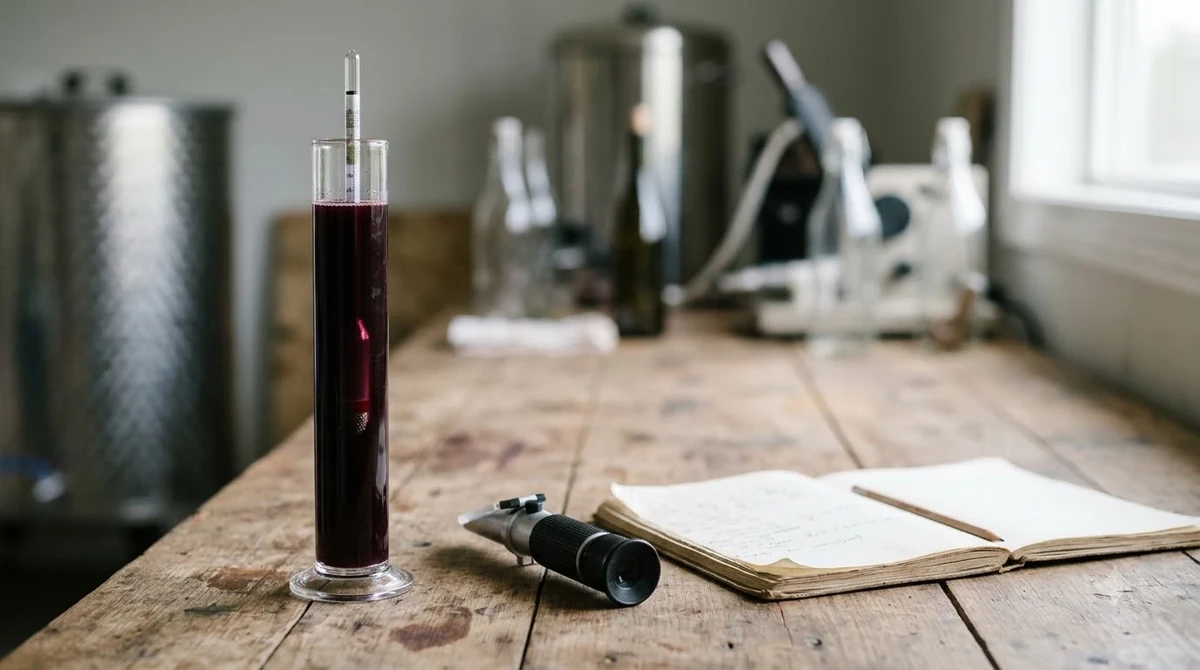
Understanding the estate helps explain why the wine commands such attention. Château Cheval Blanc is located in Saint-Émilion, between Saint-Émilion and Pomerol, on Bordeaux’s Right Bank. According to LVMH, its vineyard covers approximately 39 hectares and contains a mixture of gravel and clay soils. The estate emphasizes Cabernet Franc and Merlot, with Cabernet Franc representing approximately 52% of the composition identified in LVMH’s estate overview.
This grape combination gives Cheval Blanc a different personality from many Cabernet Sauvignon-dominant Bordeaux wines. Cabernet Franc contributes aromatic freshness and structure, while Merlot provides richness, fruit, and a rounded texture. The final proportions change according to the characteristics of each harvest, so two vintages from the same estate should not automatically be expected to taste alike.
There are several types of buyers who may find the wine particularly interesting:
- Bordeaux collectors: Buyers building a collection of important Saint-Émilion wines may appreciate the estate’s reputation and long-term cellaring potential.
- Special-occasion buyers: A mature bottle can be an appropriate centerpiece for an anniversary, milestone birthday, or formal dinner.
- Experienced wine drinkers: Those familiar with Cabernet Franc, Merlot, and aged Bordeaux will have a better understanding of the wine’s structure and development.
- Wine investors: Buyers considering collectible wine should research provenance, market liquidity, storage conditions, and resale costs rather than relying on reputation alone.
First-time luxury Bordeaux buyers should also consider whether the flagship wine is necessary for their occasion. The estate’s second wine, Le Petit Cheval, offers another way to explore the producer’s approach without purchasing the grand vin. It is important, however, not to treat the two wines as interchangeable products.
Buyers who mainly enjoy fresh, uncomplicated white wines may find better everyday value elsewhere. For example, Kim Crawford Sauvignon Blanc and Oyster Bay Sauvignon Blanc offer very different drinking experiences from a structured, oak-aged Saint-Émilion red.
Key Factors to Compare
The most important factors affecting Cheval Blanc’s price are vintage, bottle condition, provenance, bottle size, and the seller’s market position. Comparing these details is more useful than judging an offer by the estate name alone.
US listings compiled by Wine Decider show substantial differences between vintages. Its displayed merchant comparisons include approximately $649 for the 2020 vintage and $735 for 2022. These are individual market listings rather than guaranteed transaction prices, but they demonstrate why vintage-specific research matters. Buyers can review Wine Decider’s US Cheval Blanc price comparison to see how merchant offers differ.
| Comparison factor | What to examine | Why it matters |
|---|---|---|
| Vintage | Harvest year and market demand | Different growing conditions and collector interest influence pricing. |
| Bottle size | 750 ml, 1.5 L, or larger formats | Larger bottles may have different availability and collectible value. |
| Provenance | Purchase history and storage records | Reliable ownership and storage documentation reduce uncertainty. |
| Condition | Fill level, cork, capsule, and label | Physical deterioration can affect confidence and resale potential. |
| Seller | Specialist merchant or auction house | Seller reputation, fees, and guarantees differ. |
| Wine category | Grand vin or Le Petit Cheval | The flagship and second wine occupy different price positions. |
| Availability | In-stock, pre-arrival, or auction listing | Availability and delivery terms affect the practical purchase cost. |
Typical US retail price ranges
Wine Decider’s US merchant comparison provides a useful snapshot of the market for standard 750 ml bottles. Based on its displayed listings, recent grand vin vintages commonly fall around $550 to $1,000, although specific vintages and sellers can fall outside that range. Prices vary by state and retailer, and shipping, insurance, and applicable taxes may add to the final cost.
Older collectible vintages can command substantially more. Wine Decider’s comparison includes a 2009 listing above $1,400 and a 1947 bottle listed above $25,000. Such figures belong to different collectible categories and should not be treated as normal retail expectations for a recently released bottle. Provenance and condition become especially important as bottles age.
For comparison, the same merchant comparison shows Le Petit Cheval red and white listings at approximately $150 to $230 for several displayed vintages. These are distinct wines, not smaller or differently packaged versions of the flagship grand vin. Their lower market position makes them worth investigating for buyers interested in the estate’s broader portfolio.
Why the vintage matters
A vintage reflects the weather conditions, harvest quality, and decisions made during blending. Cheval Blanc does not simply repeat an identical recipe each year. According to the producer, individual vineyard parcels are vinified separately, and the wines are selected according to their characteristics before the final blend is assembled.
The producer’s approach means a strong vintage may attract particularly high demand, but an expensive bottle is not automatically the best drinking choice for every buyer. A mature vintage may be more approachable today, while a younger bottle may need years of additional development. The right comparison depends on whether the buyer values immediate enjoyment, future cellaring, or collectible appeal.
Step-by-Step: How to Buy Cheval Blanc
A careful buying process starts with choosing the intended drinking occasion and ends with checking the bottle’s condition and delivery arrangements. These six steps help buyers compare offers without confusing an attractive listing with a reliable purchase.
-
Set a realistic spending range.
Decide how much to allocate to the bottle before comparing vintages. For a standard 750 ml grand vin, use approximately $550 to $1,000 as an initial reference range based on the US listings displayed by Wine Decider. Allow additional room for shipping, taxes, and insurance where applicable.
-
Choose the drinking timeline.
Decide whether the bottle will be opened soon or stored for several years. A mature bottle may suit an upcoming celebration, while a younger vintage can be more appropriate for a collector with suitable cellar conditions.
-
Compare at least three sellers.
Check specialist wine retailers, established fine-wine merchants, and reputable auction houses. Compare the exact vintage, bottle size, condition, delivery terms, and seller policies rather than comparing two listings that merely share the same estate name.
-
Check provenance and authenticity.
Request photographs of the label, capsule, cork area, and fill level. For older bottles, ask about previous ownership, professional storage, transport history, and any available purchase documentation. A very attractive price deserves additional scrutiny if the seller cannot explain the bottle’s history.
-
Review the total purchase cost.
Include applicable taxes, delivery charges, insurance, and auction buyer premiums. A bottle with a lower advertised price may cost more after these additional expenses are included.
-
Arrange appropriate delivery and storage.
Use a specialist wine shipper when possible, particularly during periods of extreme heat or cold. Once received, allow the bottle to settle before serving and transfer it to a cool, stable storage environment if it will not be opened immediately.
Tip: Request photographs of the actual bottle rather than relying entirely on a generic product image. For a collectible Cheval Blanc, inspect the fill level, capsule, label condition, and available storage documentation before committing to the purchase.
For a first purchase, buying from an established specialist merchant is generally easier than purchasing an older bottle through an unfamiliar private seller. A reputable merchant can explain the bottle’s provenance, delivery arrangements, and return policy. This additional information is particularly valuable when the bottle represents a substantial financial commitment.
Types or Styles Explained
Cheval Blanc’s wine portfolio includes the flagship Château Cheval Blanc, Le Petit Cheval red, and Le Petit Cheval white. Understanding these distinctions is essential because buyers can encounter several wines carrying the Cheval Blanc name at very different price levels.
Château Cheval Blanc: The flagship wine
The grand vin is the estate’s principal red wine and the bottle most collectors mean when referring to Château Cheval Blanc. It comes from the Saint-Émilion property, where the vineyard’s gravel and clay soils support a distinctive blend centered on Cabernet Franc and Merlot.
The wine is produced through detailed parcel selection. According to the producer, grapes from individual plots are vinified separately, allowing the team to assess their individual qualities before blending. Between 15 and 35 parcels may contribute to the grand vin, with the final selection changing according to the vintage.
Barrel aging is another important element. The château describes a period of approximately 16 to 18 months in French oak barrels. This careful approach helps explain the wine’s premium positioning and its potential to develop complexity over time. The producer explains its vinification and barrel-aging approach in more detail.
Le Petit Cheval red
Le Petit Cheval is the estate’s second red wine. It is produced separately from the flagship grand vin and represents a different selection of the estate’s wines. It is not simply a less expensive bottle of the same finished wine.
Its lower market position makes it a practical alternative for buyers who want to explore the estate’s winemaking identity without paying the full cost of the flagship. Wine Decider’s displayed US listings include several Le Petit Cheval red vintages in an approximate $150 to $230 range. These prices vary by vintage, seller, availability, and bottle condition.
It is still a premium Bordeaux purchase, so buyers should compare it against other wines in its category rather than assuming that a second wine automatically represents everyday value.
Le Petit Cheval white
Le Petit Cheval white is a separate white-wine offering from the estate. It should not be confused with the flagship red or with a white version of the grand vin.
The wine offers an alternative for buyers interested in the producer’s approach to white Bordeaux. Wine Decider’s comparison includes white Le Petit Cheval listings from several vintages, including examples around $150 to $230 for some 750 ml bottles. Older or less available bottles may be priced differently.
Comparing the main categories
| Wine | Category | Typical market position | Suitable buyer |
|---|---|---|---|
| Château Cheval Blanc | Flagship red | Highest price tier | Collectors and special occasions |
| Le Petit Cheval red | Second red wine | Lower than the flagship | Buyers exploring the estate |
| Le Petit Cheval white | White Bordeaux | Separate premium category | White Bordeaux enthusiasts |
The most important distinction is that these are different wines with different market positions. Someone specifically seeking the iconic Saint-Émilion grand vin should not substitute a Le Petit Cheval bottle without understanding the difference.
Readers interested in comparing producers and understanding different wine categories can also explore our wider Wine Brands resource.
Common Mistakes When Comparing Cheval Blanc Prices
The biggest buying mistakes involve comparing different vintages as if they were identical, overlooking bottle condition, and assuming that every bottle carrying the estate name is the flagship wine. A few basic checks can prevent expensive misunderstandings.
Comparing different vintages without context
A 2022 bottle and a 2009 bottle are not directly interchangeable. Their market values reflect different harvest conditions, availability, maturity, and collector demand. A price difference does not necessarily mean that one seller is charging too much.
Buyers should compare the same vintage and bottle size wherever possible. If an exact match is unavailable, compare neighboring vintages while recognizing that their prices may reflect different levels of demand.
Confusing the flagship with Le Petit Cheval
This is a particularly important mistake for buyers encountering the estate for the first time. Le Petit Cheval red and white are separate wines, and their market prices are generally lower than those of the flagship. A listing should always identify the complete wine name and category.
Ignoring provenance
Two bottles of the same vintage may have very different histories. One may have spent years in a professional temperature-controlled cellar, while another may have experienced repeated temperature fluctuations during storage or transport.
For an older bottle, a documented storage history can be more useful than an attractive label photograph. Buyers should ask whether the wine was stored in a professional cellar, whether ownership records are available, and whether the bottle has been transported under suitable conditions.
Assuming older means better
Age is not a guarantee of quality. An older bottle can be beautifully developed, but it can also be past its ideal drinking period if storage conditions were poor. A younger vintage may offer more freshness and structure, although it may require patience.
Overlooking bottle format
A 750 ml bottle is the standard comparison format, but larger bottles such as magnums hold 1.5 liters. Larger formats can attract collectors because of their relative scarcity and different aging characteristics. However, their prices should not be compared directly with standard bottles without accounting for the additional wine and packaging.
Finally, avoid purchasing solely because a listing appears significantly cheaper than competing offers. In fine wine, a suspiciously low price can reflect poor condition, uncertain authenticity, unclear ownership, or an unusual sales arrangement.
Care and Storage Tips for an Expensive Bordeaux
Proper storage protects the quality of Cheval Blanc after purchase. A stable temperature near 55°F, moderate humidity, protection from light, and minimal vibration provide a sensible starting point for long-term Bordeaux storage.
Store the bottle correctly
Keep cork-finished bottles on their sides in a suitable wine cellar or wine refrigerator. Horizontal storage helps maintain contact between the wine and the cork, reducing the risk of the cork drying out. Avoid storing valuable bottles in kitchens, garages, or areas that experience substantial daily temperature changes.
Temperature stability is particularly important. A cellar near 55°F is a useful target, but avoiding repeated warming and cooling is just as important as reaching a particular number. Direct sunlight and strong artificial light should also be avoided.
Choose the right serving temperature
Cheval Blanc is a full-bodied red Bordeaux, so a serving temperature around 60–65°F is a good starting point. Serving it too warm can make alcohol more noticeable, while excessive chilling can make the tannins feel firmer and the aromas less expressive.
For a bottle stored in a cellar near 55°F, allow it to warm slightly before pouring. A room that is substantially warmer than the cellar may require a short period of temperature adjustment rather than leaving the wine exposed to heat for an extended time.
Decanting and glassware
Young, structured red Bordeaux can benefit from decanting. A period of approximately 30–60 minutes is a practical starting point for a young full-bodied red, although the ideal time depends on the vintage and its current development.
Older bottles require more caution. Excessive aeration can diminish the delicate aromas of a mature wine. For an older Cheval Blanc, consider opening the bottle shortly before serving and assessing its condition before deciding whether to decant.
Use a large Bordeaux-style wine glass that allows room for the aromas to develop. Pour approximately 5 ounces per serving; a standard 750 ml bottle provides roughly five glasses. Avoid filling the glass to the rim, since space above the wine helps concentrate its aromatic expression.
Food pairing suggestions
Cheval Blanc’s combination of fruit, acidity, and structured tannins works well with rich foods that complement rather than overwhelm its character. Beef tenderloin, roast lamb, duck breast, and mushroom-based dishes are sensible pairing choices.
Salt and fat can soften the perception of tannin, making well-seasoned beef or lamb particularly appealing. Mature cheeses can also work well, especially when their intensity is balanced against the wine’s development.
Be cautious with very spicy food. Chili heat can become more pronounced alongside alcohol and tannin, potentially making a powerful Bordeaux less comfortable to drink. Delicate oily fish can also be difficult to pair with tannic reds because the textures and flavors may clash.
Once opened, a remaining portion of still red wine generally keeps for approximately 3–5 days in the refrigerator when properly sealed. For a collectible bottle, however, the best approach is to plan the serving occasion so that the wine can be enjoyed at its intended quality.
Frequently Asked Questions
Is Château Cheval Blanc classified as a Premier Grand Cru Classé A wine?
Yes. Château Cheval Blanc held the Premier Grand Cru Classé A distinction in the Saint-Émilion classification. It withdrew from the revised classification process in 2022, so buyers should distinguish its historical classification from its current participation status.
Who manages Château Cheval Blanc?
LVMH identifies Pierre Lurton as the manager of Château Cheval Blanc. He is associated with the estate’s management and its approach to expressing the character of individual vineyard parcels.
How many vineyard parcels contribute to Château Cheval Blanc’s grand vin?
The number changes with each vintage. The producer describes a selection process involving approximately 15 to 35 parcels for the grand vin, while the estate’s vineyard is divided into numerous individually managed plots.
Does Château Cheval Blanc produce wine from organically certified vineyards?
Buyers should distinguish the estate’s environmental and vineyard-management practices from formal organic certification. A particular bottle’s label and the producer’s current certification information are the appropriate places to verify any organic claim rather than assuming certification from the estate’s reputation.
Can a damaged label reduce the value of a collectible Cheval Blanc?
Yes. Collectors often consider label condition, capsule integrity, fill level, and overall presentation when assessing a bottle. Damage does not necessarily mean the wine is spoiled, but it can make resale more difficult and raise questions about the bottle’s storage and handling history.
Château Cheval Blanc is a prestigious Bordeaux with a distinctive Cabernet Franc and Merlot identity, but the right purchase depends on more than the estate name. Compare the exact vintage, bottle condition, provenance, and seller before committing to the purchase. For buyers who want the flagship wine, a carefully documented bottle from a reputable merchant is generally a better choice than an uncertain bargain.
More in Wine Brands
 Louis Latour Wine Price: Compare Bottles by Style and TierUpdated Nov 20, 2026
 Yellow Tail Moscato Price: What to Expect Before You BuyUpdated Nov 20, 2026
 Sutter Home Sweet Red Review: Find the Right Food PairingsUpdated Nov 20, 2026
 Franzia Chillable Red Review: Find the Right Serving StyleUpdated Nov 20, 2026
 Veuve Clicquot Rose Review: Flavor, Food Pairings and Buying AdviceUpdated Nov 20, 2026
 Rombauer Wine Price: Compare Bottles Before You BuyUpdated Nov 20, 2026