

We may earn a commission when you buy through links on this page, at no extra cost to you. Learn more.
The best wine for new years is a Brut sparkling wine, particularly Champagne, Prosecco or Cava, because its refreshing acidity and lively bubbles suit a midnight toast and a wide range of party foods. Choose Champagne for a more complex, traditional celebration, Prosecco for a lighter and fruitier crowd-pleaser, or Cava for bottle-fermented character and versatility. If your guests prefer sweeter wines, sparkling rosé, Extra Dry Prosecco or Moscato d’Asti can make equally festive alternatives.
New Year’s Eve wine should fit the entire occasion, not just the moment when the clock strikes midnight. You might need something crisp for appetizers, a more substantial bottle for dinner, and a sweeter pour for dessert. The right selection depends on your menu, guest preferences, gathering size and how much attention you want to give the wine. This guide explains the main styles, how to compare bottles, and how to serve them properly so you can plan a celebration without overcomplicating your shopping.
Who This Is For
The right New Year’s Eve wine depends on the kind of celebration you are hosting. A lively house party, a formal dinner for six and a quiet midnight toast for two call for different bottles and different quantities.
Hosts planning a large party should consider Prosecco or Cava. Both are versatile sparkling wines that work for a casual gathering, and their different flavor profiles give hosts room to match bottles to the menu. Prosecco is particularly suitable for guests who enjoy fresh pear, apple and floral aromas. Cava offers a more traditional-method profile, with crisp fruit and additional toast or nutty character.
Couples and small dinner parties may prefer Champagne or another traditional-method sparkling wine. The extra complexity from bottle aging can make the opening toast feel more special, especially when the evening includes oysters, smoked salmon, soft cheeses or other carefully prepared appetizers. A Blanc de Blancs Champagne, made entirely from Chardonnay, tends toward citrus and mineral character, while Blanc de Noirs generally offers a fuller profile and more red-fruit depth.
Guests who prefer sweeter wines should not feel obligated to choose Brut simply because it is a celebration. Extra Dry Prosecco is slightly sweeter than Brut, while Demi-Sec Champagne and Moscato d’Asti offer more noticeable sweetness. These choices are especially useful if the evening includes fruit desserts, cake or sweet pastries.
People serving a complete dinner should think beyond sparkling wine. A dry white wine can accompany seafood and poultry, while Pinot Noir can suit roast turkey or other dishes that benefit from a lighter red. Cabernet Sauvignon may be more appropriate for a substantial beef dinner. A mixed selection lets guests enjoy different wines throughout the evening instead of relying on one bottle for every course.
If you are still learning the differences between wine categories, the site’s wine-buying guide provides a useful starting point for understanding labels, regions and styles before making your selection.
Key Factors to Compare
Compare sweetness, production method, flavor, serving temperature and the number of guests before choosing a bottle. These five factors have a greater influence on how well a wine fits your celebration than the prestige of its label alone.
Start with sweetness. Brut is the safest general-purpose choice because it tastes dry without being as austere as some very dry sparkling wines. Extra Brut and Brut Nature suit guests who specifically enjoy sharp, crisp wines. Extra Dry is a useful alternative for people who prefer a softer, fruitier impression. The terminology can be confusing, so understanding the sweetness scale before shopping makes a substantial difference.
| Factor | Options to compare | Best use |
|---|---|---|
| Sweetness | Brut Nature, Extra Brut, Brut, Extra Dry, Demi-Sec | Match guest preferences and dessert sweetness |
| Production | Traditional method, tank method, ancestral method | Choose between developed complexity and fresh fruit |
| Wine style | Champagne, Prosecco, Cava, Crémant, sparkling rosé | Match the atmosphere and menu |
| Serving temperature | 40–50°F for sparkling wine | Preserve freshness and aromatic character |
| Standard bottle | 750 ml | Approximately 5 standard 5-ounce pours |
| Toast quantity | 1 bottle per 5–6 guests | Estimate a single celebratory pour |
| Glass size | 5-ounce standard pour | Plan consistent servings |
Production method is another important distinction. Traditional-method sparkling wines undergo their second fermentation in the bottle. Champagne, Cava and Crémant are examples. The wine can spend months or years in contact with spent yeast cells, which contributes flavors associated with bread, biscuits and brioche. These wines are often appealing for a dinner where guests want to spend time appreciating what is in the glass.
Tank-method sparkling wine undergoes its second fermentation in a pressurized tank rather than individual bottles. Prosecco is the best-known example. This process helps retain the fresh fruit and floral character of the base wine, making it a natural fit for casual celebrations and light appetizers. For a useful comparison of these production styles and regional differences, read Wine.com’s explanation of sparkling wine styles.
Finally, consider the practical details. A standard 750 ml bottle supplies approximately five 5-ounce servings. That calculation makes it easier to plan a toast for a large group, but it does not account for guests who want additional glasses throughout the evening. If sparkling wine will be the main drink rather than a single midnight pour, buy accordingly.
Tip: For a mixed group, offer one Brut sparkling wine and one sweeter option. This simple combination accommodates guests who prefer a crisp, dry toast as well as those who enjoy fruitier wines.
Step-by-Step: How to Choose Your New Year’s Eve Wine
A straightforward buying process prevents last-minute shopping mistakes. Decide what the wine needs to do, identify the preferred style, calculate the quantity and prepare the bottles before guests arrive.
-
Decide whether the wine is for a toast or the whole evening.
A single midnight toast requires less wine than a party where sparkling wine is served from the first guest’s arrival. If the wine is only for the toast, use one 750 ml bottle for approximately five guests as a practical starting point.
-
Choose your main sparkling style.
Pick Champagne for traditional-method complexity and a classic celebratory feel. Choose Prosecco for fresh fruit and an approachable style. Consider Cava if you want the texture and flavor development associated with bottle fermentation without limiting your choices to Champagne.
-
Identify your preferred sweetness level.
Brut is the general-purpose selection. Extra Dry works for guests who like a softer impression, while Demi-Sec and Moscato d’Asti suit a sweeter palate. For an especially dry finish, consider Extra Brut.
-
Match the wine to your food.
Think about the actual dishes being served. Brut sparkling wine works well with salty appetizers and fried snacks. Sparkling rosé can accompany shrimp cocktail or seared salmon. A sweet sparkling wine is more suitable for cake and fruit desserts than a bone-dry wine.
-
Calculate the number of bottles.
Divide the number of guests by approximately five or six to estimate the bottles needed for one toast. For example, a gathering of 20 guests calls for approximately four bottles for one standard serving per person. Add more if guests will drink sparkling wine during the evening.
-
Chill the wine in advance.
Allow sufficient refrigerator time before the party. Aim for 40–50°F when serving sparkling wine. Keep bottles cold between pours, especially if the celebration takes place in a warm room.
-
Prepare glasses and open bottles safely.
Use tulip-shaped glasses or standard white-wine glasses when available. Remove the foil and loosen the wire cage while maintaining control of the cork. Hold the cork securely and rotate the bottle slowly rather than forcing the cork upward. The goal is a controlled release, not a loud pop.
Following these steps also makes it easier to divide your selection between the beginning of the evening, the dinner table and the midnight toast. There is no need to buy every style available. Two carefully chosen sparkling wines can offer enough variety for most gatherings.
Types or Styles Explained
Champagne is only one type of sparkling wine, and it is not automatically the right choice for every New Year’s Eve gathering. Understanding the main styles makes it easier to select a wine that matches the occasion, flavor preferences and menu.
Champagne: The Traditional Celebration Choice
Champagne comes from the Champagne region of France and uses the traditional method of production. Its second fermentation takes place in the bottle, followed by aging on the lees, which contributes complexity and a distinctive texture. Common flavors include citrus, green apple, toast, almond and brioche.
Choose Brut Champagne when you want a versatile wine for a formal dinner or a special midnight toast. Blanc de Blancs, made from Chardonnay, often has a bright, focused character that works with oysters and seafood. Blanc de Noirs, made from dark-skinned grapes such as Pinot Noir and Pinot Meunier, can provide more body and fruit depth. Champagne is particularly appropriate when the wine itself is meant to be part of the occasion.
Prosecco: Fresh, Fruity and Approachable
Prosecco comes from northeastern Italy and is made primarily from the Glera grape. Most Prosecco uses the tank method, preserving fresh fruit aromas rather than developing the pronounced bread-like character often found in bottle-aged sparkling wines. Pear, apple, peach and floral notes are common.
Prosecco is an excellent option for a casual house party, a large gathering or a sparkling cocktail. Brut offers a dry profile, while Extra Dry is slightly sweeter. Its approachable fruit character also works with bruschetta, cured meats, light cheeses and other appetizers. For a crowd that enjoys fresh, uncomplicated sparkling wine, Prosecco is a practical choice.
Cava: Spanish Traditional-Method Character
Cava is produced in Spain using the traditional method. This means its second fermentation happens in the bottle, producing a finer texture and additional complexity through lees contact. Depending on the producer and aging, Cava can show citrus, apple, almond, toast and subtle savory notes.
Brut Cava is particularly useful for hosts who want a versatile wine that can move from appetizers to the dinner table. It pairs well with cured meats, salty snacks, grilled vegetables and seafood dishes. Reserva Cava can offer additional lees-aged complexity, making it a good choice for a more substantial meal.
Crémant and Franciacorta: Other Traditional-Method Options
Crémant refers to traditional-method sparkling wines produced in French regions outside Champagne. Crémant d’Alsace and Crémant de Bordeaux are examples. These wines can offer freshness and the texture associated with bottle fermentation, with different grape varieties and regional character influencing their flavors.
Franciacorta is an Italian sparkling wine made using the traditional method. It offers another option for someone who enjoys the structure and complexity of bottle-fermented wine but wants to explore beyond Champagne. These categories are particularly interesting for a dinner party where wine is an important part of the menu.
Sparkling Rosé and Sweet Sparkling Wines
Sparkling rosé adds color and red-fruit character to a celebration. Depending on how it is made, it can range from delicate and citrus-driven to fuller and more berry-focused. Dry sparkling rosé is particularly useful with shrimp cocktail, salmon and savory appetizers. A sweeter version can accompany fruit desserts.
Moscato d’Asti from Piedmont, Italy, is another excellent option for people who prefer sweetness. It is gently fizzy rather than fully sparkling and commonly shows peach, apricot and orange-blossom aromas. Demi-Sec sparkling wine is a more noticeably sweet alternative. These wines are best considered for dessert or for guests who specifically prefer sweeter drinks.
For a broader understanding of still-wine sweetness, a dry white wine can provide a useful contrast to fruitier sparkling styles, while a sweet red wine offers another option for guests who prefer a sweeter finish to their glass.
Common Mistakes When Buying New Year’s Eve Wine
Even a good bottle can disappoint if the style does not match the food or the wine is served incorrectly. Avoiding a few common mistakes will help the entire selection work better.
Assuming Every Sparkling Wine Tastes the Same
Champagne, Prosecco and Cava have different production methods and flavor profiles. Champagne often has more developed toast and brioche character, Prosecco tends toward fresh fruit, and Cava can combine bright fruit with nutty or savory complexity. Choosing based only on the presence of bubbles ignores the most important differences between the wines.
Confusing Brut and Extra Dry
Extra Dry is actually sweeter than Brut. This is one of the most common sources of confusion when buying sparkling wine. Brut is a good default for guests who prefer a dry wine, while Extra Dry is a better option for people who enjoy a little more sweetness. Brut Nature and Extra Brut are drier still.
Serving Every Wine at the Same Temperature
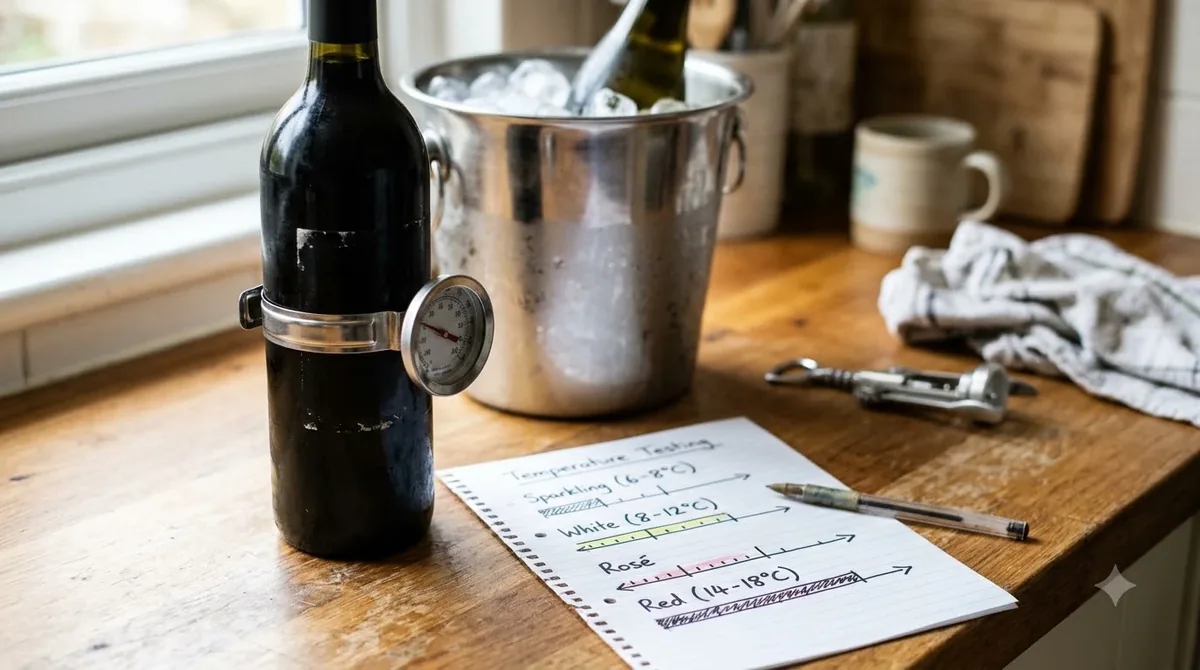
Temperature affects aroma, texture and perceived freshness. Sparkling wine generally belongs between 40°F and 50°F, while light white wines and rosé are usually best around 45–50°F. Full-bodied whites can be served slightly warmer, around 50–55°F. Light reds are generally best around 55–60°F, and fuller reds around 60–65°F.
Serving Champagne too warm can make it feel less refreshing, while serving it excessively cold can mute its aromas. A controlled temperature is particularly important for more complex traditional-method wines.
Pairing Dry Wine With Very Sweet Desserts
A dessert that is sweeter than the wine can make the wine taste thin, sharp or unpleasantly acidic. The general rule is to serve wine that is at least as sweet as the dessert. Demi-Sec sparkling wine, Moscato d’Asti and other sweet styles are more appropriate with fruit tarts, cake and sweet pastries than Brut Nature Champagne.
Ignoring the Main Course
Although sparkling wine is versatile, it is not necessarily the best match for every dish. A full dinner may call for a separate still wine. Pinot Noir is a useful red option for poultry and dishes that do not need heavy tannins. Cabernet Sauvignon can suit beef and other rich meat dishes, while Chardonnay can complement richer seafood and poultry preparations.
Consider acidity and tannin as well as flavor. Acidic foods generally need wine with equal or higher acidity. Salt and fat soften tannin, while chili heat can seem more intense alongside wines with higher alcohol and tannin. Very tannic reds are also less suitable for oily fish.
Buying Too Few Bottles
One bottle per five or six guests is a useful estimate for a single toast, not an entire evening of drinking. A party of 15 people might need three bottles for one round, but a longer celebration can require considerably more. Calculate your quantity according to the expected number of pours rather than the number of guests alone.
Finally, do not assume that a higher-priced or more famous bottle will automatically please everyone. A fruit-forward Prosecco may be a better fit for a casual party than a complex vintage Champagne. The wine should suit the people drinking it.
Care and Storage Tips for New Year’s Eve Wine
Good storage and preparation preserve the wine’s flavor and make service easier. The most important details are stable storage conditions, advance chilling, careful opening and prompt refrigeration of any remaining wine.
Store Bottles Properly Before the Party
Keep unopened bottles in a cool, dark location away from direct sunlight, temperature changes and vibration. A storage temperature near 55°F is a useful target for wine. Bottles with traditional cork closures are generally stored on their sides to keep the cork from drying out during longer storage.
Avoid keeping sparkling wine beside an oven, radiator or sunny window. Large temperature changes can affect wine quality and make storage less reliable. If you purchase bottles several days before the celebration, leave them in a suitable storage area until it is time to chill them.
Chill Sparkling Wine Safely
Refrigerate bottles well ahead of the party so they have enough time to cool evenly. For faster chilling, use an ice bucket containing ice and water rather than placing a bottle in the freezer and forgetting about it. The water helps transfer cold to the bottle’s surface.
Use 40–50°F as the general serving range for sparkling wine. Lighter Prosecco and Moscato d’Asti can be served toward the colder end, while a fuller Champagne can benefit from a slightly warmer temperature that allows its aromas to develop.
Choose the Right Glassware
A tulip-shaped sparkling-wine glass is an excellent compromise between the traditional flute and a wider wine glass. It allows bubbles to rise while giving aromas enough room to develop. A standard white-wine glass is also a practical choice, particularly for more complex Champagne and other traditional-method wines.
Flutes can be useful for a visually consistent toast, but their narrow shape makes it harder to appreciate the full aromatic profile. Coupe glasses look festive but have a broad surface area that allows bubbles and aromas to dissipate more quickly.
Open and Serve With Care
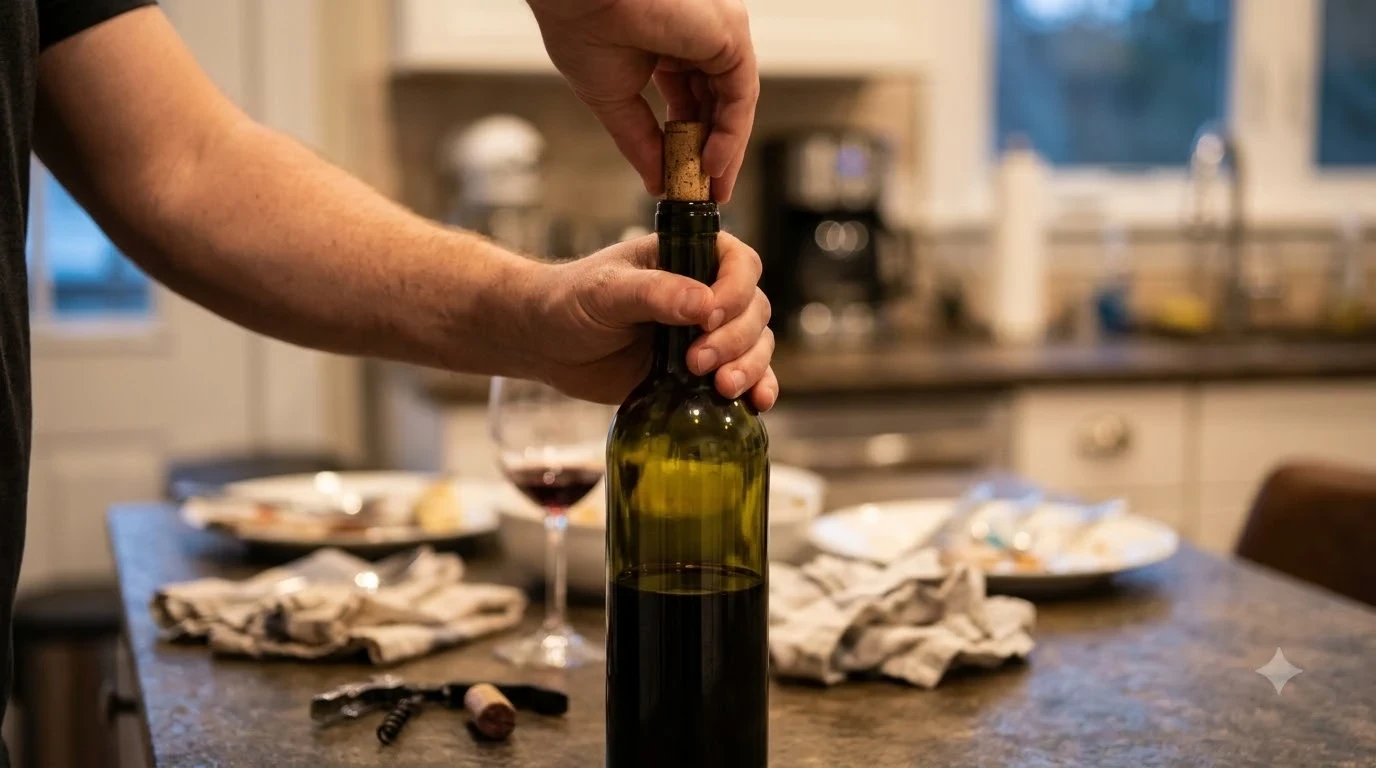
Remove the foil and loosen the wire cage while keeping your thumb over the cork. Hold the cork firmly, angle the bottle away from people and breakable objects, and slowly rotate the bottle while maintaining control. A gentle release is preferable to a sudden pop because it helps preserve the wine and reduces the risk of an accident.
Pour gradually to prevent excessive foam. A standard 5-ounce serving is a useful measurement for planning, although a smaller toast pour may be appropriate when guests are drinking several wines during dinner. Avoid filling glasses to the brim, as guests need enough space to appreciate the aromas.
Preserve Opened Bottles
Refrigerate leftover sparkling wine promptly and use a proper sparkling-wine stopper to help preserve carbonation. Opened sparkling wine generally retains its best quality for approximately one to three days under refrigeration, depending on the wine and how well it is sealed.
Still white and red wines generally last around three to five days in the refrigerator after opening, while fortified wines can last several weeks depending on their style. Bag-in-box wine can remain fresh for approximately four to six weeks after opening when properly stored. These are practical guidelines rather than guarantees, and the wine’s condition can change with exposure to oxygen.
For hosts serving multiple styles, keeping a simple record of which bottles were opened and when makes it easier to use leftovers sensibly rather than allowing good wine to go to waste.
Frequently Asked Questions
Why is Champagne traditionally associated with New Year’s Eve?
Champagne became associated with royal ceremonies and celebratory occasions through its historical connections with French royal courts. Coronations at Reims Cathedral helped establish the region’s association with prestige and festivities. Over time, that association spread into broader European celebration culture and eventually became part of the modern midnight-toast tradition.
Is vintage Champagne better than non-vintage Champagne for New Year’s Eve?
Not necessarily. Non-vintage Champagne blends wines from different harvests to maintain a consistent house style, making it a dependable choice for celebrations. Vintage Champagne is made from grapes harvested in a particular year and generally reflects that year’s growing conditions. The better choice depends on whether you prefer consistency or the distinctive character of a specific harvest.
Can sparkling wine be used to make New Year’s Eve cocktails?
Yes. Prosecco is a popular choice for cocktails because its fruit-forward character works with ingredients such as orange juice, peach purée and citrus liqueurs. A dry Brut sparkling wine can also provide freshness in a simple sparkling cocktail. Choose a wine whose sweetness complements the other ingredients rather than overpowering them.
What does Blanc de Blancs mean on a Champagne label?
Blanc de Blancs means white wine made from white grapes. In Champagne, the term most commonly indicates a wine made entirely from Chardonnay. It often has a citrus-driven profile and can show chalky or mineral characteristics, making it a particularly interesting choice for seafood and lighter appetizers.
Should Champagne be decanted before a New Year’s Eve dinner?
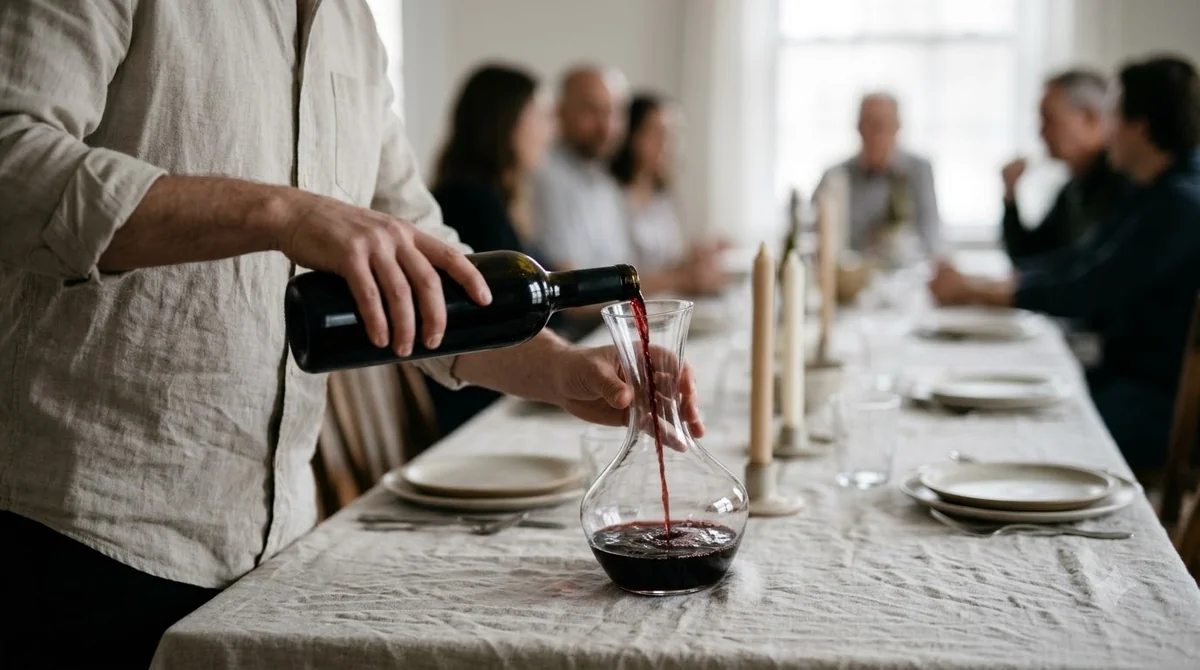
Most Champagne does not need decanting, but certain fuller-bodied or especially expressive bottles can benefit from careful aeration. Decanting may soften an initially aggressive impression of carbonation and allow aromas to open. However, excessive handling can reduce the wine’s bubbles, so a conventional glass pour is the safer default for most celebrations.
The best New Year’s Eve wine is the bottle that suits your guests, food and celebration style. For most hosts, Brut Champagne, Prosecco or Cava provides a reliable starting point, while sparkling rosé and sweeter wines bring useful variety to the table. Plan your quantities, serve each wine at the right temperature and choose a selection that makes the midnight toast enjoyable for everyone.
More in Wine Buying Guides
 Cheap Red Blend: How to Find a Flavorful Bottle for LessUpdated Nov 20, 2026
 Pinot Grigio Gift: How to Choose a Bottle They’ll EnjoyUpdated Nov 20, 2026
 Best White Wine at Total Wine for Every MealUpdated Nov 20, 2026
 Wine Fridge Replacement Shelves: Find the Right FitUpdated Nov 20, 2026
 Best Sparkling Wine Under 20: Find Bubbles Worth BuyingUpdated Nov 20, 2026
 Best Wine For Birthday Celebrations With Perfect Party PairingsUpdated Nov 20, 2026