

We may earn a commission when you buy through links on this page, at no extra cost to you. Learn more.
The best yadkin valley wineries include Shelton Vineyards, JOLO Vineyards, Grassy Creek Vineyard & Winery, Carolina Heritage Vineyard, and Raffaldini Vineyards for their distinctive wines, vineyard settings, and tasting experiences. Located in North Carolina’s Blue Ridge foothills, the Yadkin Valley offers everything from Cabernet Sauvignon and Chardonnay to regional specialties such as Traminette and Chambourcin. Visitors can choose between large estate wineries, intimate boutique tasting rooms, scenic vineyard properties, and destinations with restaurants and outdoor activities.
The Yadkin Valley is one of the most interesting wine destinations in the southeastern United States. Its combination of rolling countryside, changing elevations, European grape varieties, and locally distinctive wines makes it an appealing alternative to more familiar American wine regions. A successful visit starts with choosing wineries that match your preferred wine styles and the kind of afternoon you want to spend. The following guide highlights worthwhile stops, explains what to look for, and provides a practical approach to planning a North Carolina wine-country trip.
Who Should Visit Yadkin Valley Wineries
The Yadkin Valley suits wine drinkers who enjoy discovering regional producers, comparing different grape varieties, and spending time in relaxed vineyard settings. It is particularly appealing to travelers who want a mixture of traditional European-style wines and distinctive Southern wine experiences.
First-time visitors should consider starting around Dobson, Elkin, or Pilot Mountain. These communities provide access to established wineries, boutique producers, scenic properties, and the Surry County Wine Trail. The trail connects wineries in and around Surry County, making it a useful starting point for organizing a trip.
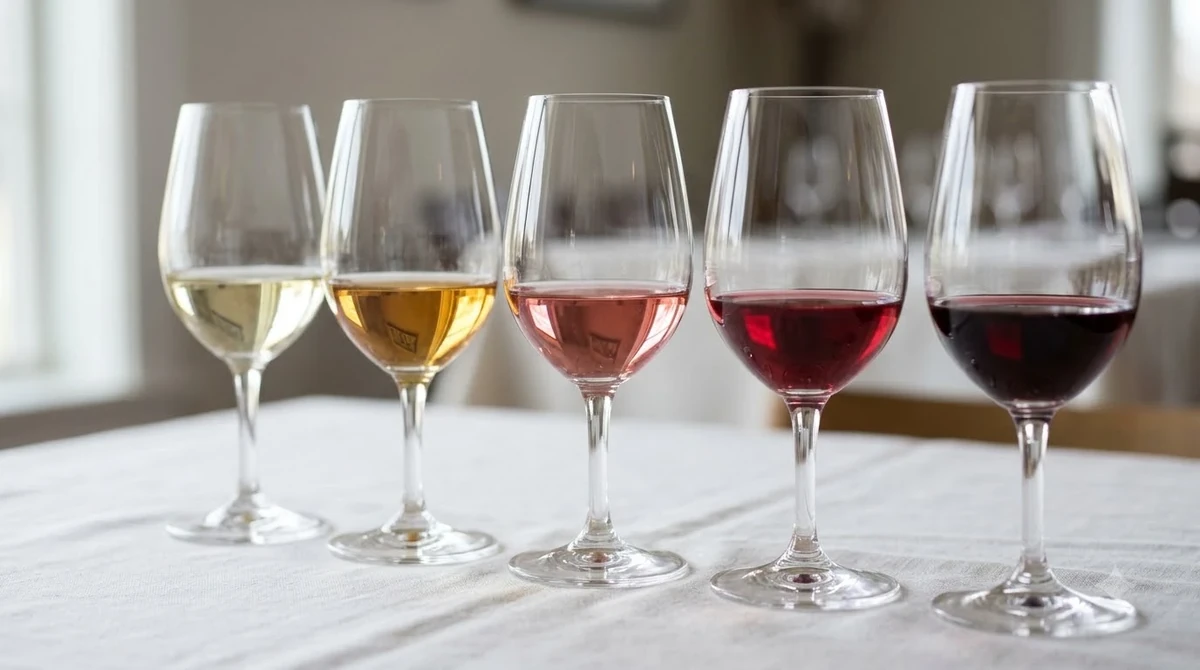
There is also a good reason to visit if Cabernet Sauvignon, Merlot, Chardonnay, or Sauvignon Blanc are your preferred varieties. The region grows these familiar grapes alongside Viognier, Riesling, Malbec, and Tannat, as well as French-American hybrids. That range gives visitors opportunities to compare wines that may be less familiar than the bottles commonly found in national retail stores.
Different travelers will appreciate different destinations:
- First-time wine-country visitors: Shelton Vineyards offers a substantial estate experience with a tasting room, restaurant, picnic areas, and other visitor facilities.
- Scenic afternoon trips: JOLO Vineyards and Grassy Creek offer attractive vineyard surroundings and opportunities to enjoy the landscape.
- Organic wine interests: Carolina Heritage Vineyard is a notable destination because of its organic certification.
- Food-focused travelers: JOLO and Shelton Vineyards offer dining opportunities that can make a tasting visit part of a longer outing.
- Adventurous wine drinkers: Raffaldini and Jones von Drehle are interesting choices for exploring Italian-inspired wines and classic European grape varieties.
Visitors who have already explored the best Napa Valley wineries may appreciate the different atmosphere of North Carolina wine country. The Yadkin Valley has its own identity, with smaller producers, regional hybrids, and a countryside setting that feels distinct from California’s established wine destinations.
Allow enough time to enjoy the tasting experience rather than treating every winery as a quick stop. Two or three well-chosen properties in one day usually provide a more comfortable introduction than trying to visit an entire trail in a single afternoon.
Key Factors to Compare Before Choosing a Winery
The best winery for a visit depends on more than its wine selection. Consider the grape varieties, tasting-room atmosphere, available food, outdoor facilities, and location before deciding which properties deserve a place on your itinerary.
The following comparison highlights several established Yadkin Valley destinations and the experiences associated with them in regional tourism listings.
| Winery | Location | Standout feature | Best suited to |
|---|---|---|---|
| Shelton Vineyards | Dobson | Restaurant, tasting room, amphitheater | Full estate experience |
| JOLO Vineyards | Pilot Mountain | End Posts Restaurant and mountain scenery | Wine and dining |
| Grassy Creek Vineyard & Winery | State Road | Historic dairy barn and hiking trails | Scenery and relaxed tastings |
| Carolina Heritage Vineyard | Elkin | USDA Certified Organic Vineyard | Organic wine interest |
| Golden Road Vineyards | State Road | 25-acre vineyard and outdoor fire pits | Outdoor relaxation |
| Christian Paul Vineyards | Elkin | 25-acre estate and varied grape plantings | Variety exploration |
| Jones von Drehle Vineyards & Winery | Thurmond area | 30 acres of classic wine grapes | Traditional varietal wines |
| Raffaldini Vineyards | Ronda | Italian-style dry wines | Italian wine enthusiasts |
Start by considering the wine itself. If you prefer structured reds, look for Cabernet Sauvignon, Syrah, Tannat, or Malbec. Visitors who enjoy lighter wines can investigate Pinot Grigio, Chardonnay, Riesling, and Sauvignon Blanc. Traminette and Chambourcin are especially interesting if discovering regional grape varieties is part of the appeal.
Next, compare the visitor facilities. A tasting room with outdoor seating offers a different experience from a property centered on a restaurant or a traditional cellar. Shelton Vineyards, for example, combines several visitor amenities, while Grassy Creek emphasizes its historic dairy barn and vineyard trails.
Finally, consider travel distances. The Yadkin Valley covers a broad area, and not every winery listed under the regional wine destination is immediately next door to another. Grouping visits around Dobson, Elkin, and Pilot Mountain helps reduce unnecessary driving.
For broader wine-purchasing knowledge, the wine-buying guide provides a useful foundation for comparing grape varieties, wine styles, and bottle characteristics before visiting tasting rooms.
Step-by-Step: How to Plan a Yadkin Valley Wine Trip
A good wine-country itinerary balances tasting, food, travel time, and the opportunity to enjoy the scenery. A little preparation makes it easier to visit two or three wineries without rushing through every stop.
-
Choose a starting town.
Begin with Dobson, Elkin, or Pilot Mountain. Dobson is convenient for Shelton Vineyards and nearby properties, while Elkin provides access to several smaller wineries and the downtown area. Pilot Mountain is an appealing option for travelers interested in JOLO and the surrounding scenery.
-
Select two or three wineries.
Choose destinations with different strengths rather than visiting several properties that offer nearly identical experiences. For example, combine Shelton Vineyards’ estate facilities with a smaller producer such as Carolina Heritage or Grassy Creek.
-
Check tasting arrangements.
Look at each winery’s current opening days, tasting options, group policies, food availability, and reservation requirements. Special events can change normal visiting arrangements, so confirm details directly with each property before setting out.
-
Plan a food stop.
Choose a restaurant or winery with food service. JOLO’s End Posts Restaurant offers lunch and dinner Thursday through Sunday according to the regional tourism listing. Shelton Vineyards also has Harvest Grill. Food makes a longer tasting itinerary more comfortable and gives the group time to enjoy the surroundings.
-
Allow enough time between stops.
A tasting can take longer than expected, particularly when a winery offers several wines or a guided introduction. Allow roughly 60 to 90 minutes per property as a planning estimate, plus driving and meal time.
-
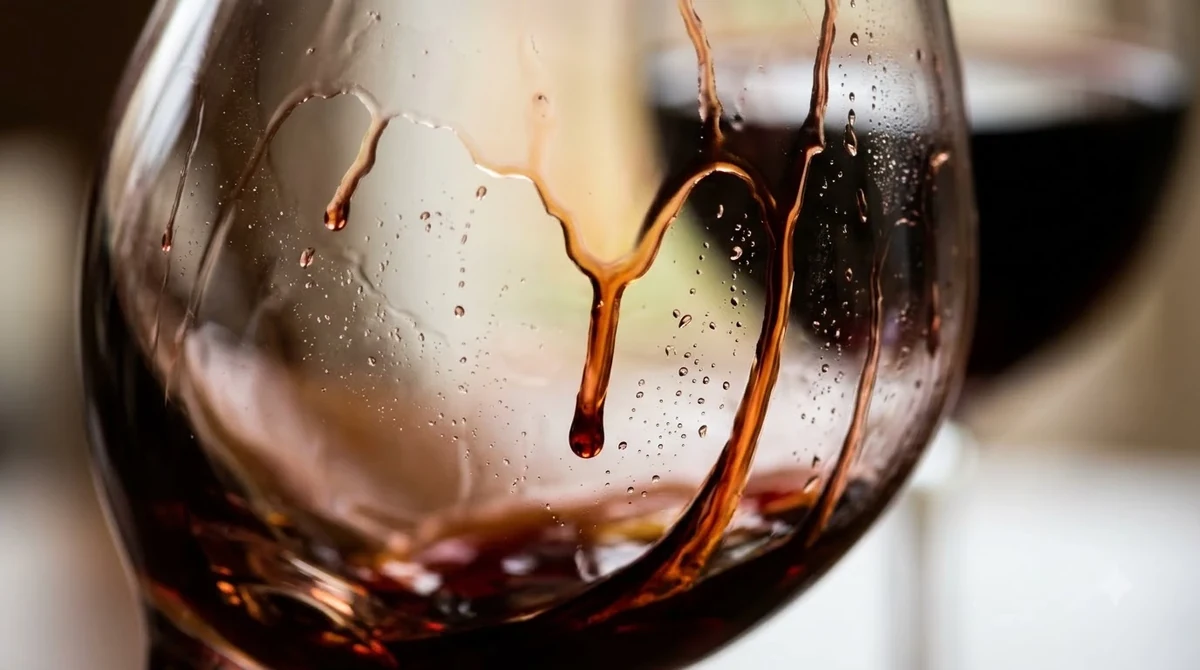
Take notes on the wines.
Record the producer, grape variety, sweetness, acidity, and general style of any wine that stands out. This is particularly helpful when comparing unfamiliar varieties such as Traminette, Petit Manseng, and Chambourcin.
-
Arrange transportation.
Choose a designated driver or a suitable transportation service before the first tasting. Avoid planning to drive after consuming alcohol. A prearranged driver also makes it easier to enjoy a relaxed schedule.
A practical one-day itinerary might start with a morning visit to Shelton Vineyards in Dobson, continue with a winery stop near Elkin, and finish with dinner or an afternoon visit near Pilot Mountain. This arrangement introduces different winery settings without attempting to cover the entire region.
Tip: Build the itinerary around confirmed tasting appointments and meal reservations rather than assuming every winery operates on the same schedule. Seasonal events, private functions, and changes in opening hours can affect availability, especially on weekdays.
Visitors with a full weekend can spread the experience over two days. This gives more time for smaller producers, vineyard walks, local restaurants, and exploring the communities around the wine trail.
Types of Yadkin Valley Wines and Winery Experiences Explained
The region offers a broad selection of European vinifera wines, French-American hybrids, and fruit-based specialties. Understanding these categories helps visitors choose tastings that match their preferences instead of selecting wines solely by name or appearance.
Classic European grape varieties
Cabernet Sauvignon, Merlot, Chardonnay, Sauvignon Blanc, Riesling, and Cabernet Franc are among the familiar varieties grown in the Yadkin Valley. These grapes provide a useful starting point for visitors accustomed to wines from California, France, Italy, or Oregon.
Cabernet Sauvignon generally produces fuller reds with pronounced tannins. Merlot tends to have softer tannins, making it an approachable alternative for visitors who prefer less structure. Cabernet Franc can offer a different aromatic profile and is worth comparing alongside the two better-known Bordeaux varieties.
For white wine drinkers, Chardonnay provides a versatile option, while Sauvignon Blanc and Riesling generally offer higher acidity. Viognier is another interesting regional variety for visitors seeking aromatic whites with a fuller texture.
Regional hybrids and distinctive grapes
Traminette, Chambourcin, and Petit Manseng help distinguish North Carolina wine country from more familiar wine destinations. These grapes are part of the region’s wider growing portfolio and give tasting-room visitors an opportunity to explore styles that may be less common in their local wine shops.
Traminette is especially interesting for aromatic white wine drinkers. Chambourcin gives visitors another red-wine option, while Petit Manseng can produce distinctive white wines in a range of styles. Their exact sweetness and structure depend on the winemaking approach, so tasting individual examples is more useful than assuming all wines made from one grape taste alike.
Muscadine and fruit wines
Muscadine has an important place in Southern wine culture. It is different from the European vinifera varieties and is often associated with distinctive regional wines. Some wineries also offer fruit wines or sweeter selections that appeal to visitors who do not usually drink dry table wines.
Slightly Askew Winery is particularly relevant to this category. Regional tourism information describes its selection as including sweet wines made from locally harvested grapes and fruits as well as ingredients from other wine-producing regions.
Italian-inspired wines
Raffaldini Vineyards is an appealing stop for visitors interested in Italian wine traditions. Its regional listing identifies Italian-style dry white wines and red Appassimento wines among its offerings.
These styles give visitors a different perspective on the region’s potential. They also provide a good opportunity to compare how grape selection and winemaking methods influence body, aroma, and texture.
Estate wineries versus boutique tasting rooms
Large estate wineries generally provide more extensive visitor facilities and may offer several wine styles, dining, and event spaces. Shelton Vineyards is a strong example of this format.
Boutique wineries tend to offer a more intimate setting. Smaller properties such as Hidden Vineyard and Adagio Vineyards can appeal to travelers looking for a different atmosphere. Adagio is particularly distinctive because its visitor experience combines wine, music, and educational tastings.
Neither format is automatically better. The right choice depends on whether the priority is exploring a broad wine selection, enjoying a meal, discovering regional grape varieties, or spending a quiet afternoon outdoors.
Common Mistakes When Choosing Yadkin Valley Wineries
The biggest planning mistakes involve expecting every winery to offer the same wine styles, overlooking the geography, and trying to visit too many properties in one day. A more selective approach usually produces a better experience.
Assuming every winery specializes in dry red wines
Although the region grows Cabernet Sauvignon, Merlot, Syrah, and other familiar red varieties, it is not exclusively a red-wine destination. Chardonnay, Sauvignon Blanc, Riesling, Viognier, Traminette, and other whites are part of its identity.
Sweet and fruit-based wines are also available at some properties. Visitors who prefer sweeter wine should include a producer such as Slightly Askew rather than assuming every tasting room has the same selection.
Confusing the two local AVAs
The Yadkin Valley AVA and Swan Creek AVA are separate American Viticultural Areas within the broader regional wine corridor. The Yadkin Valley was North Carolina’s first federally recognized AVA in 2003, while Swan Creek became the state’s second.
Understanding this distinction is helpful when comparing wineries and reading wine labels. A winery located within the broader Yadkin Valley wine destination is not necessarily located within the Yadkin Valley AVA itself. Its specific vineyard location and AVA designation matter.
Trying to visit too many properties
Travelers sometimes build itineraries around the number of wineries they can reach rather than the quality of the experience. Visiting five or six properties in a single afternoon can leave little time to appreciate individual wines or enjoy a meal.
Two or three wineries are a more reasonable target for a relaxed day. Add a fourth only if the locations are convenient and the schedule allows enough time for each tasting.
Ignoring food and dining arrangements
Not every tasting room has a full restaurant or serves meals throughout the week. JOLO’s End Posts Restaurant, Shelton’s Harvest Grill, and Elkin Creek’s Sunday brick-oven pizza offering are examples of food-related experiences associated with particular properties.
Check the specific dining schedule before building an entire afternoon around a meal at a winery. A tasting reservation does not automatically mean restaurant service will be available.
Expecting identical wine styles across the region
Different grape varieties, vineyard elevations, soil conditions, and production choices create substantial differences between bottles. A Chardonnay from one producer may have a different texture and flavor profile from another winery’s Chardonnay.
Compare wines by variety and style rather than assuming that every bottle from the same grape will taste alike. This approach makes a regional tasting trip more informative and helps identify wines worth buying later.
Wine Care and Storage Tips After Your Visit
Bringing home bottles is part of the enjoyment of a winery visit, but proper transportation and storage help preserve the wines. Temperature stability, limited light exposure, and appropriate serving temperatures make a difference once the bottles leave the tasting room.
Transporting wine safely
Keep bottles away from direct sunlight and avoid leaving them in a hot vehicle. Temperature changes can be particularly troublesome during warm-weather travel in North Carolina.
Use a protective wine carrier or padded box to reduce the risk of breakage. If the journey is long or temperatures are high, arrange appropriate temperature-controlled transportation rather than leaving bottles in a parked car.
Storing bottles at home
For longer storage, keep wine in a cool, dark location with a relatively stable temperature near 55 degrees Fahrenheit. Traditional cork-finished bottles are generally stored on their sides to keep the cork from drying out.
Avoid storing wine near ovens, radiators, windows, or other sources of heat and strong light. Frequent temperature fluctuations are more damaging than a consistently cool storage environment.
Serving different wine styles
Serving temperature influences how a wine smells and tastes. A bottle served too warm can seem heavy, while excessive chilling can suppress aromas and make the wine seem less expressive.
- Sparkling wine: 40 to 50 degrees Fahrenheit.
- Light white wines and rosé: 45 to 50 degrees Fahrenheit.
- Full-bodied white wines: 50 to 55 degrees Fahrenheit.
- Light-bodied reds: 55 to 60 degrees Fahrenheit.
- Full-bodied reds: 60 to 65 degrees Fahrenheit.
- Sweet white wines: 43 to 50 degrees Fahrenheit.
Cabernet Sauvignon and Syrah generally benefit from a little more serving temperature than a light-bodied red such as Pinot Noir. Chardonnay can be served slightly warmer than a crisp Sauvignon Blanc, allowing its aromas and texture to become more noticeable.
Keeping opened bottles fresh
Once opened, still wines generally keep for approximately three to five days in the refrigerator when properly sealed. Sparkling wines usually retain their best qualities for around one to three days with a suitable sparkling-wine stopper.
Fortified wines can last several weeks after opening, depending on their style and storage conditions. Refrigeration helps preserve many opened wines, including reds; allow a bottle to warm toward its preferred serving temperature before pouring.
For visitors purchasing several bottles, a basic wine refrigerator can help maintain consistent storage conditions at home. The important considerations are stable temperature, suitable capacity, and protection from excessive vibration and light.
Frequently Asked Questions
What is the best time of year to visit Yadkin Valley wineries?
Spring and fall are popular choices for enjoying vineyard scenery and outdoor seating. Fall can be particularly appealing during grape harvest and regional wine events, although individual winery activities vary. Summer offers longer daylight hours, while winter can provide a quieter tasting-room experience.
Is the Yadkin Valley the same as the Swan Creek AVA?
No. The Yadkin Valley AVA and Swan Creek AVA are distinct federally recognized wine-growing areas in North Carolina. Swan Creek is a smaller regional designation associated with the broader Yadkin Valley wine corridor. The two areas have their own vineyard locations and geographic boundaries.
Can visitors buy wine directly from Yadkin Valley wineries?
Many wineries have tasting-room retail operations where visitors can purchase bottles after a tasting. Some also provide winery events, wine clubs, or shipping arrangements. Direct shipping availability and restrictions depend on the producer and the destination state’s alcohol regulations.
Are Yadkin Valley wines suitable for people who prefer sweeter wines?
Yes. Although the region produces many dry vinifera wines, some producers offer sweet selections and fruit-based wines. Slightly Askew Winery is one destination to investigate for visitors interested in sweeter grape and fruit wines. Muscadine is another important part of the region’s Southern wine identity.
What food pairs well with wines from the Yadkin Valley?
Cabernet Sauvignon pairs well with grilled beef and aged cheeses, while Merlot can complement roast chicken and pork. Sauvignon Blanc works well with goat cheese and lighter seafood dishes, and Riesling can accompany spicy Asian-inspired food. Sweeter wines are particularly useful with desserts when the wine is at least as sweet as the dish.
The best Yadkin Valley winery itinerary is one that balances distinctive wines, enjoyable settings, and enough time to appreciate each stop. Begin with established destinations such as Shelton Vineyards, JOLO, and Grassy Creek, then add smaller producers to discover the region’s organic, hybrid, Italian-inspired, and fruit-wine offerings. Before traveling, consult the official Shelton Vineyards visitor and tasting information and the Grassy Creek Vineyard & Winery website to confirm current experiences and arrangements. With thoughtful planning, a visit to North Carolina wine country can be both a rewarding tasting experience and a memorable countryside getaway.
More in Wine Buying Guides
 Cheap Red Blend: How to Find a Flavorful Bottle for LessUpdated Nov 20, 2026
 Pinot Grigio Gift: How to Choose a Bottle They’ll EnjoyUpdated Nov 20, 2026
 Best White Wine at Total Wine for Every MealUpdated Nov 20, 2026
 Wine Fridge Replacement Shelves: Find the Right FitUpdated Nov 20, 2026
 Best Sparkling Wine Under 20: Find Bubbles Worth BuyingUpdated Nov 20, 2026
 Best Wine For Birthday Celebrations With Perfect Party PairingsUpdated Nov 20, 2026