

We may earn a commission when you buy through links on this page, at no extra cost to you. Learn more.
The kistler wine price for a standard 750 ml bottle is commonly about $65 to $110 for widely available regional bottlings, based on VinoAlert’s Sonoma Coast Pinot Noir listings and WinesRate’s Sonoma Mountain Chardonnay comparison; prices vary by state and retailer. Benchmark Wine Group’s listed 2023 single-vineyard wines run roughly $139 to $179 per bottle, while Wine Decider’s US comparison shows selected older or special bottlings from about $125 to $400; those prices also vary by state and retailer. The most useful comparison is not simply Chardonnay against Pinot Noir; it is regional bottling against vineyard-designated wine, with vintage and seller provenance considered too.
Kistler is a California producer focused on Chardonnay and Pinot Noir, and its range is built around differences between vineyard sites. That means two bottles carrying the same grape name can occupy very different price tiers. This guide explains what the current retail bands represent, what to compare before buying, and when the higher-priced site-specific bottle is likely to make sense. For a broader look at the producer’s range, see this overview of kistler wine.
Who This Is For
Kistler is most relevant to shoppers who already know they enjoy California Chardonnay or Pinot Noir and want to explore how individual vineyard sites shape the wine. The winery farms 17 vineyards across five appellations, including Carneros, Sonoma Valley, Russian River Valley, and Sonoma Coast, and its own site describes a portfolio centered on these two grapes.
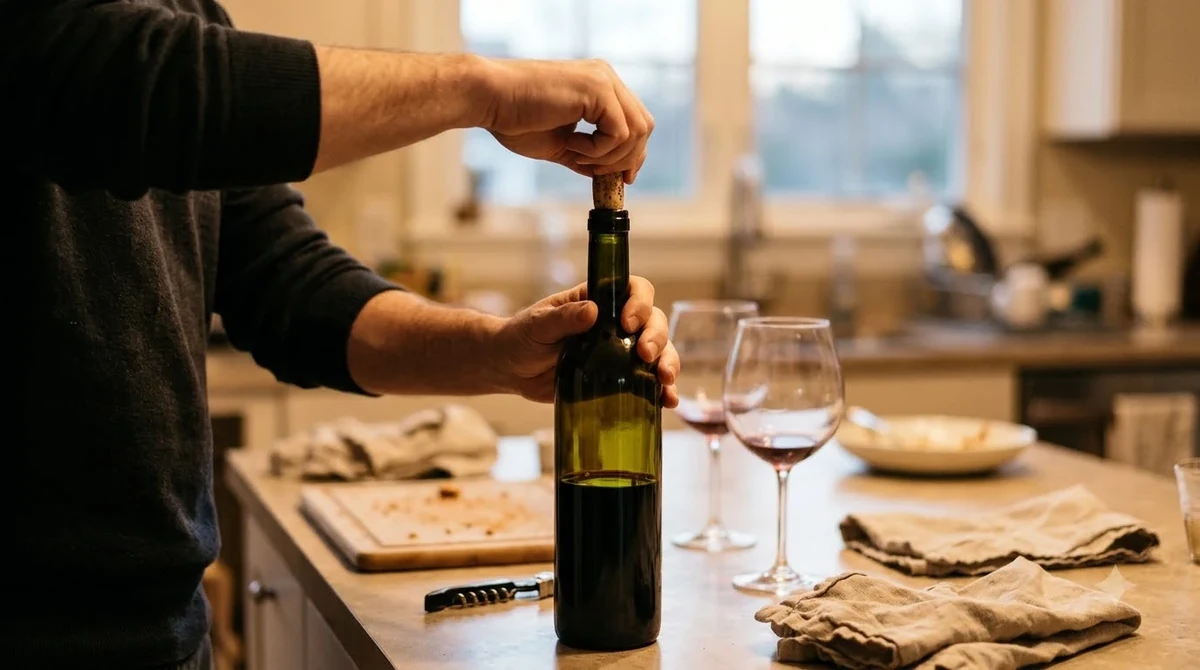
A regional bottling is a sensible starting point for someone curious about the house style but not ready to pay more for a named vineyard. Sonoma Coast Pinot Noir or Sonoma Mountain Chardonnay introduces the producer without requiring a choice among multiple vineyard names. Single-vineyard wines suit drinkers who enjoy comparing place, structure, and vintage.
Kistler is less suitable for shoppers whose main goal is the lowest-cost weeknight bottle. Current WinesRate and VinoAlert listings place its regional bottlings above everyday value wines, so someone seeking an inexpensive, fruit-forward pour may prefer a different California tier, such as Barefoot wine. Collectors, by contrast, may prioritize a specific vineyard, vintage, and seller provenance.
Key Factors to Compare
The biggest price differences usually follow the bottling level, vineyard designation, vintage, and seller. A 750 ml regional wine and a 750 ml single-vineyard wine may share the same grape variety, but the labels communicate different sourcing and positioning.
Current listings illustrate the spread: WinesRate shows the 2024 Sonoma Mountain Chardonnay at about $74 to $110 per 750 ml, and VinoAlert’s US retail listings place the 2024 Kistler Sonoma Coast Pinot Noir at roughly $65 to $90 per bottle; both ranges vary by state and retailer. For named 2023 vineyard wines, Benchmark Wine Group lists Kistler Chardonnays from about $139 to $179 and Pinot Noirs from about $150 to $170 per 750 ml, with availability and asking prices varying by retailer and state.
| Comparison tier | Examples to look for | Typical observed US retail range and basis |
|---|---|---|
| Regional Pinot Noir | Sonoma Coast Pinot Noir | About $65 to $90 per 750 ml; VinoAlert’s US listings for the 2024 bottling span this range, and prices vary by state and retailer. |
| Regional Chardonnay | Sonoma Mountain Chardonnay | About $74 to $110 per 750 ml; WinesRate’s 2024 comparison lists this range, and prices vary by state and retailer. |
| Single-vineyard Chardonnay | Hudson, Dutton Ranch, McCrea, Vine Hill | About $139 to $179 per 750 ml for listed 2023 examples at Benchmark Wine Group; prices vary by state and retailer. |
| Single-vineyard Pinot Noir | Silver Belt Vineyard Cuvée Natalie, Laguna Ridge | About $150 to $170 per 750 ml for listed 2023 examples at Benchmark Wine Group; prices vary by state and retailer. |
| Older or special bottlings | Occidental Station, SWK Vineyard, Cuvée Catherine, Cuvée Cathleen | About $125 to $400 in Wine Decider’s US comparison of selected 700–750 ml listings; vintage, condition, seller, state, and retailer affect the range. |
Use the table as a shopping framework, not a fixed tariff. Older vintages, scarce vineyard bottlings, and large formats are not direct comparisons with current regional releases. Retail pages may also mix in-stock bottles with sold-out offers, so availability matters. The WinesRate Sonoma Mountain Chardonnay comparison shows how one label can vary across US sellers.
Read the full name carefully: “Sonoma Coast” is a regional designation, while Dutton Ranch, Hudson, or Vine Hill identifies a particular vineyard source. A vineyard name signals a more specific expression of place, not a guarantee that every palate will prefer the wine.
Step-by-Step
A good Kistler purchase starts with the occasion and the style you want, then narrows by bottling level and vintage. These five steps help keep the comparison focused instead of chasing the most expensive label.
- Choose the grape first. Pick Chardonnay if you want a white wine with orchard-fruit character and a fuller feel, or Pinot Noir if you prefer a red with a lighter-to-medium body and lively acidity. Kistler’s own portfolio is built around these two varieties, so there is little reason to compare it with unrelated grapes as though the wines were substitutes.
- Set a realistic spending band. For an initial bottle, compare regional listings around the ranges shown in the table rather than beginning with rare cuvées. A single-vineyard bottle is a different purchase: look at it when the vineyard name, vintage, or intended occasion gives you a reason to spend more.
- Decide whether site specificity matters. If the goal is simply to enjoy Kistler Chardonnay or Pinot Noir, a regional bottling may be enough. If you want to compare the influence of a vineyard, choose a designated wine such as Dutton Ranch or Hudson for Chardonnay, or Silver Belt Vineyard or Laguna Ridge for Pinot Noir.
- Compare the same format and vintage. Start with 750 ml bottles and line up the same vintage where possible. A current release, an older vintage, and a 1.5 L bottle can carry very different prices; comparing them without accounting for those differences can make one seller look unusually expensive or unusually cheap.
- Check the seller and the bottle’s history. For older or expensive wines, ask about provenance, storage, fill level, label condition, and return terms. For a current release, check that the vintage, bottle size, and exact vineyard designation match the listing rather than relying on a shortened product title.
One regional Chardonnay and one regional Pinot Noir provide a practical first comparison. Move into a named vineyard wine later, once you know which grape and texture you prefer.
Tip: Compare two listings only after matching the vintage, bottle size, and vineyard designation. A current 750 ml Sonoma Coast Pinot Noir is not a fair price benchmark for an older Cuvée Natalie or a single-vineyard Chardonnay.
Types or Styles Explained
Kistler’s range is easier to understand when divided into grape variety and source designation. The producer says it works with one heritage Chardonnay selection across its Chardonnay vineyards and two heritage Pinot Noir selections across its Pinot Noir vineyards, while emphasizing differences from site to site.
Regional Chardonnay
Regional Chardonnay is the logical entry point for drinkers who want Kistler’s white-wine character without starting at the top of the vineyard-designated range. Sonoma Mountain and Sonoma Coast give geographic context, while Dutton Ranch or Hudson identifies a named vineyard. Kistler says it harvests fruit at night and ferments Chardonnay in subterranean barrel cellars using native yeast.
Chardonnay generally has medium acidity, so it can work with roast chicken, richer seafood, or dishes with butter and cream. Serve a full-bodied white at about 50–55°F rather than refrigerator-cold; that temperature allows the wine’s texture and aromas to show without making the alcohol feel prominent. If a specific Kistler Chardonnay seems broad or rich, pair it with food that has enough flavor and texture to meet it instead of a very delicate preparation.
Regional Pinot Noir
Regional Pinot Noir is a less site-specific introduction to Kistler’s red wines. Pinot Noir generally has low-to-medium tannin and high acidity, which suit roast poultry, salmon, mushrooms, and earthy dishes. Sonoma Coast makes a useful reference point before a vineyard-designated release.
Serve light reds at about 55–60°F. That is cooler than a warm room, and it can help preserve the wine’s freshness. If the bottle has been stored at room temperature, a brief chill in the refrigerator can bring it closer to serving temperature; avoid serving it so cold that its aroma becomes muted.
Single-vineyard Chardonnay and Pinot Noir
These wines are for buyers interested in differences among individual sites. Kistler describes Durell Chardonnay as coming from marine loam crossed by a stony vein, Dutton Ranch from Goldridge sandy soils, and Hudson from volcanic and marine sediment. These site details explain why the wines are presented separately.
For Pinot Noir, Silver Belt and Laguna Ridge identify specific bottlings that Benchmark Wine Group lists above regional Pinot Noir. The extra cost makes sense when the vineyard distinction matters to the buyer. The winery’s official vineyard and winemaking overview describes its focus on site expression and long-term grower relationships.
Older vintages and special cuvées
Older bottles and named cuvées are a separate category because vintage availability, storage, and provenance can matter as much as the wine’s original release tier. A historic bottle may be interesting to a collector, but its age alone does not guarantee that it is drinking well or that the asking price is justified. Look for clear bottle-history information and compare listings for the same wine and vintage before buying.
For more general background on how producers and appellations fit into a wine list, the Wine Brands section can help put Kistler’s focused portfolio in context. A sparkling wine is a different style altogether; readers looking for bubbles rather than still Chardonnay or Pinot Noir can compare La Marca Prosecco instead.
Common Mistakes
The most common buying error is treating every Kistler bottle as one product with one fair price. Regional wines, vineyard-designated releases, special cuvées, and older vintages serve different purposes, so the label and vintage need to be matched before deciding whether a listing is expensive.
Do not assume the highest-priced bottle is automatically the best choice. Someone seeking a versatile dinner Chardonnay may prefer a regional bottling, while a Pinot Noir newcomer may learn more from a Sonoma Coast wine than from immediately buying a scarce vineyard release.
Do not compare Chardonnay and Pinot Noir solely by price. Chardonnay’s medium acidity and fuller texture can suit roasted chicken or creamy dishes; Pinot Noir’s lighter tannin and higher acidity can work with salmon or mushrooms. Oily fish clashes with strongly tannic reds, while chili heat can feel stronger alongside alcohol and tannin.
Finally, do not confuse a seller’s displayed offer with proof of current stock or good storage. Wine comparison sites may show several retailers and vintages side by side, while a specialist merchant may list limited inventory. Ask whether a bottle is physically in stock, how it was stored, and whether the pictured label and vintage match the bottle being shipped. For older wine, those checks can matter more than a small difference between two offers.
Care or Storage Tips
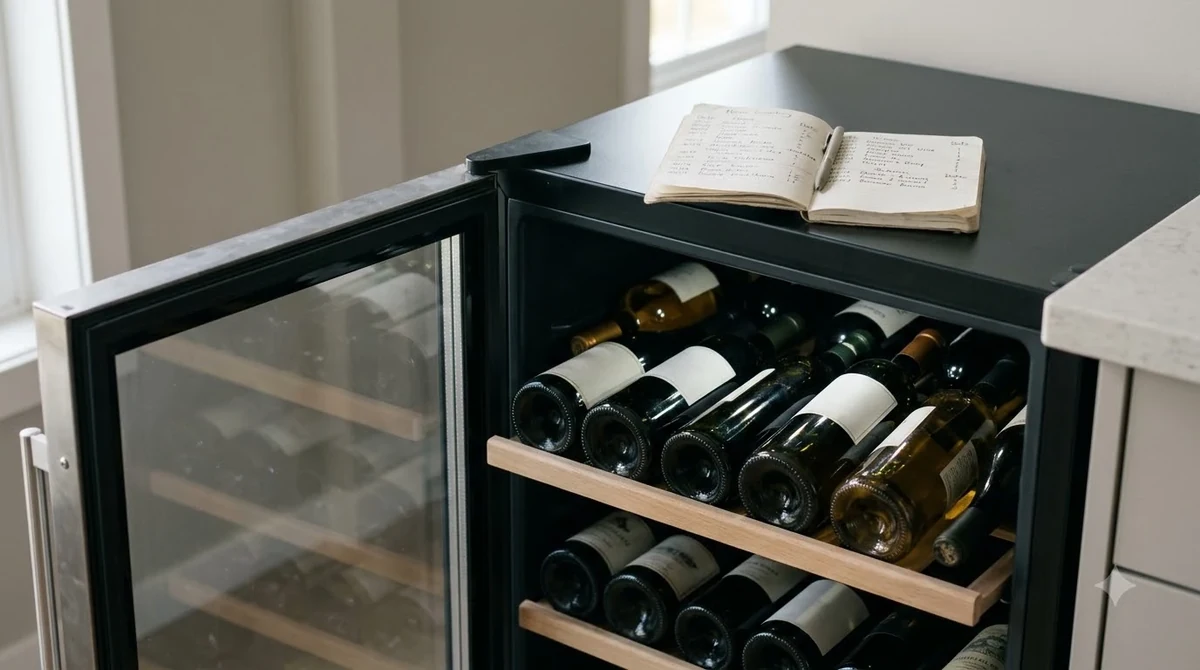
Good storage protects the value of a premium bottle after purchase. Keep Kistler bottles on their side in a cool, dark place near 55°F, with steady temperature and little vibration; avoid a kitchen shelf, sunny counter, or garage that experiences large swings in heat.
Serving temperature should follow the style rather than the price. Pour full-bodied Chardonnay around 50–55°F and lighter Pinot Noir around 55–60°F; a bottle served too warm can seem heavy, while one served too cold can hide its aromas. Young, full-bodied reds can benefit from 30–60 minutes of air, but Pinot Noir is more delicate than high-tannin Cabernet Sauvignon or Syrah, so start with a small pour before choosing a long decant. Chardonnay generally does not need decanting.
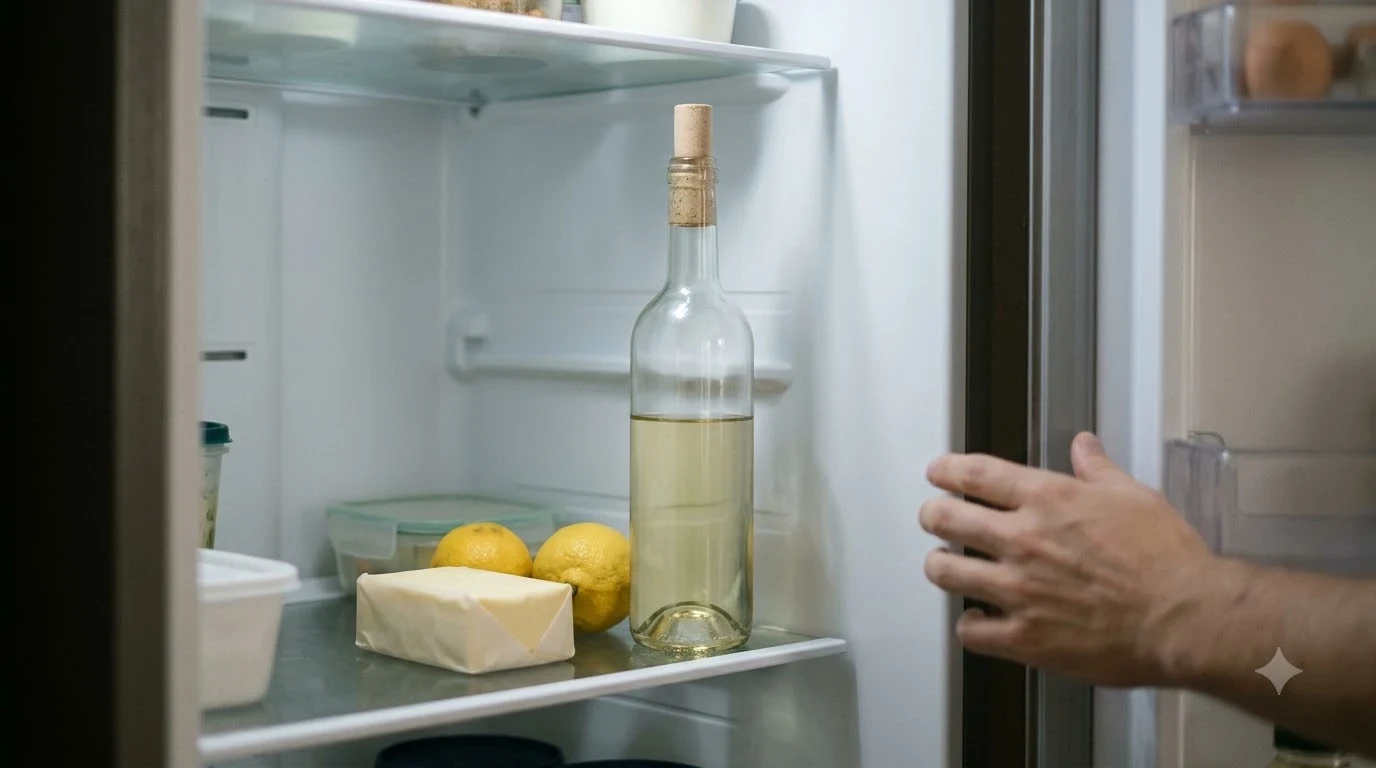
After opening, refrigerate still wine and aim to finish it within about 3–5 days, using a sound closure to limit oxygen. Bring the remaining wine back toward serving temperature before pouring; preservation stoppers may slow oxidation but cannot restore a wine that has faded. A standard 750 ml bottle provides about five 5 oz pours, which helps plan a meal without opening too much. For an older bottle with sediment, stand it upright before opening, pour slowly, and leave the cloudy final portion behind.
Frequently Asked Questions
When did Kistler begin bottling Dutton Ranch Chardonnay?
Kistler’s vineyard notes say Dutton Ranch Chardonnay has been bottled since 1979. The site is described as sitting where the Russian River Valley and Sonoma Coast appellations intersect, with Goldridge soil in the planted area.
When was Durell Vineyard Chardonnay first bottled by Kistler?
Kistler says its Durell Vineyard Chardonnay has been bottled since 1986. The winery locates its portion of Durell in the southern reach of Sonoma Valley, close to the Sonoma Coast and Carneros appellations.
How long has Kistler made Hudson Vineyard Chardonnay?
The producer’s vineyard page says Hudson Vineyard Chardonnay has been bottled since 1994. It identifies Block E as a site with volcanic and marine sediment influences in southwestern Napa County.
When did Kistler begin bottling Hyde Vineyard Chardonnay?
Kistler’s press page dates its Hyde Vineyard Chardonnay bottling to 1994. The vineyard is in Carneros, and the winery describes its soil as marine loam that becomes leaner as the block moves up the hillside.
How many vineyard-designated wines does Kistler highlight?
The winery’s homepage describes twelve single-vineyard Chardonnays and two single-vineyard Pinot Noirs. Those figures show how heavily the producer uses vineyard-specific bottlings to present differences between sites.
For most first-time buyers, a current regional Chardonnay or Pinot Noir is the clearest way to understand Kistler before moving into more expensive vineyard-designated releases. Match the grape, vintage, bottle size, and seller details first, then pay more only when the specific vineyard or older bottling is part of the reason for buying. The next useful step is to compare current retailer listings for the exact vintage and 750 ml size you plan to purchase.
More in Wine Brands
 Louis Latour Wine Price: Compare Bottles by Style and TierUpdated Nov 20, 2026
 Yellow Tail Moscato Price: What to Expect Before You BuyUpdated Nov 20, 2026
 Sutter Home Sweet Red Review: Find the Right Food PairingsUpdated Nov 20, 2026
 Franzia Chillable Red Review: Find the Right Serving StyleUpdated Nov 20, 2026
 Veuve Clicquot Rose Review: Flavor, Food Pairings and Buying AdviceUpdated Nov 20, 2026
 Rombauer Wine Price: Compare Bottles Before You BuyUpdated Nov 20, 2026