

We may earn a commission when you buy through links on this page, at no extra cost to you. Learn more.
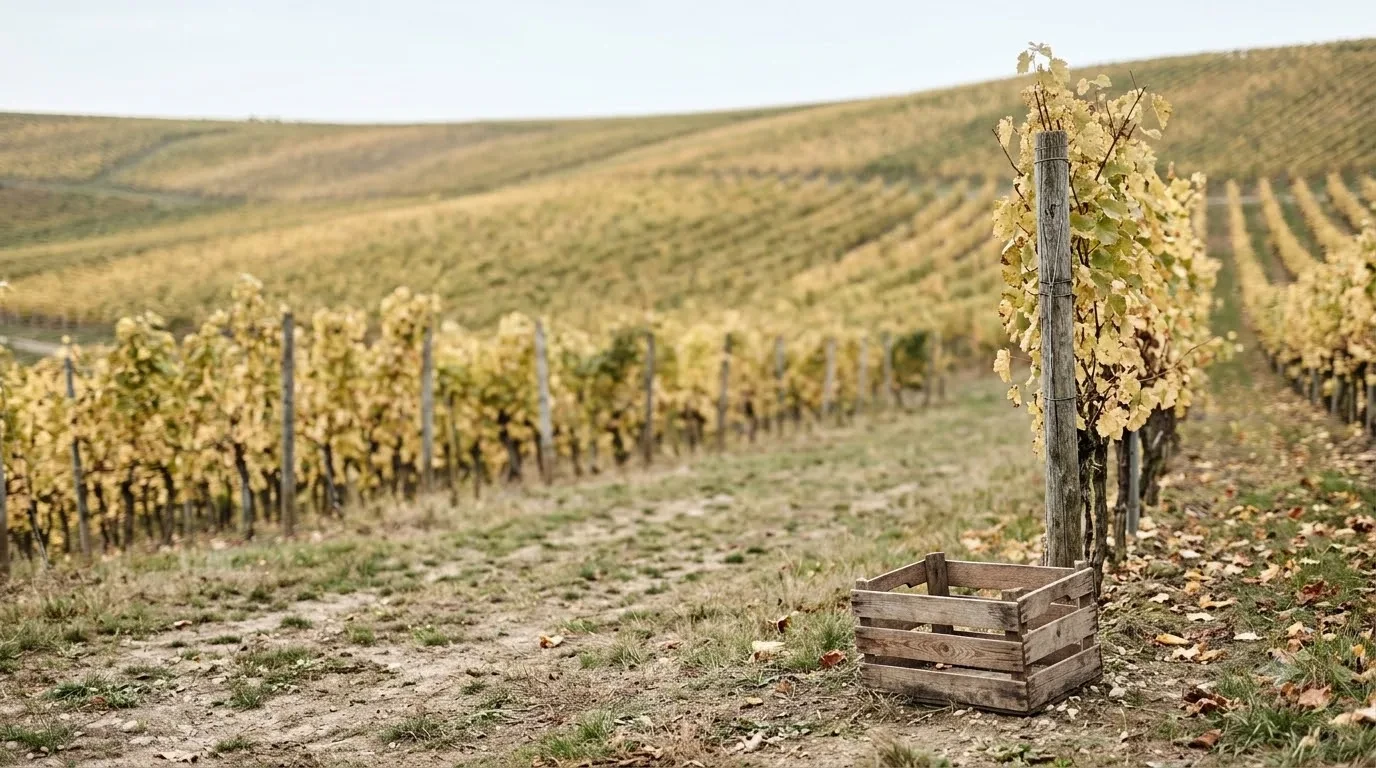
Kistler wine comes from a California winery founded in 1978 that works with Chardonnay and Pinot Noir grown in individual vineyards. According to the winery’s own website, its fruit is sourced from seventeen vineyards across five appellations, ranging from Carneros to the Sonoma Coast. The lineup is built around single-vineyard bottlings, so the place a grape grows matters as much as the variety. This guide explains the history, the two main grapes, how to serve these wines, and how to choose a bottle.
Many American shoppers meet the Kistler name on a restaurant list or in a wine shop and wonder what sets it apart from the many other California labels on the shelf. The short answer is the focus on site. The winery describes its goal as making compelling wines that express where they were grown, and the details below show how that idea shapes everything from the vineyards to the cellar.
Who Makes Kistler Wine and Where It Comes From
The winery traces its start to 1978, when Steve Kistler and Mark Bixler founded it on the idea that serious wines of place should be made in California. The company’s own history page describes the early years as a search for vineyard sites that could produce distinct wines, not just a consistent house style. That approach remains the core of the brand.
Ownership and leadership changed over the decades. Bill Price bought an interest in 2008, and Jason Kesner, now the president and winemaker, joined the cellar the same year. The winery presents this as continuity rather than a shift in direction, with the same emphasis on vineyard-driven winemaking.
Chardonnay: The Single-Vineyard Core
Chardonnay is the winery’s best-known category, and the website lists twelve Single Vineyard Chardonnays in the current lineup. Each one comes from a named site, which lets drinkers compare how soil, slope and climate change a wine made from the same grape. The grapes come from one heritage clone that has been planted across all of the Chardonnay vineyards since the mid-1980s, so the variable that changes from bottle to bottle is the land rather than the plant material.
The cellar methods described on the site are specific. The winery says its Chardonnays are fermented in subterranean barrel rooms, using native yeasts, and aged in French oak. Harvest takes place at night, when the fruit is cooler, which helps keep the grapes fresh before they reach the winery. Taken together, these choices are meant to produce wines with texture and depth rather than a single signature flavor.
| Element | What the winery states |
|---|---|
| Vineyard sources | Single-vineyard Chardonnays from named sites |
| Clone | One heritage clone, planted since the mid-1980s |
| Fermentation | Subterranean barrel rooms with native yeasts |
| Oak | French oak barrels |
| Harvest | Picked at night |
Pinot Noir: Field Mixes and Cool-Climate Character
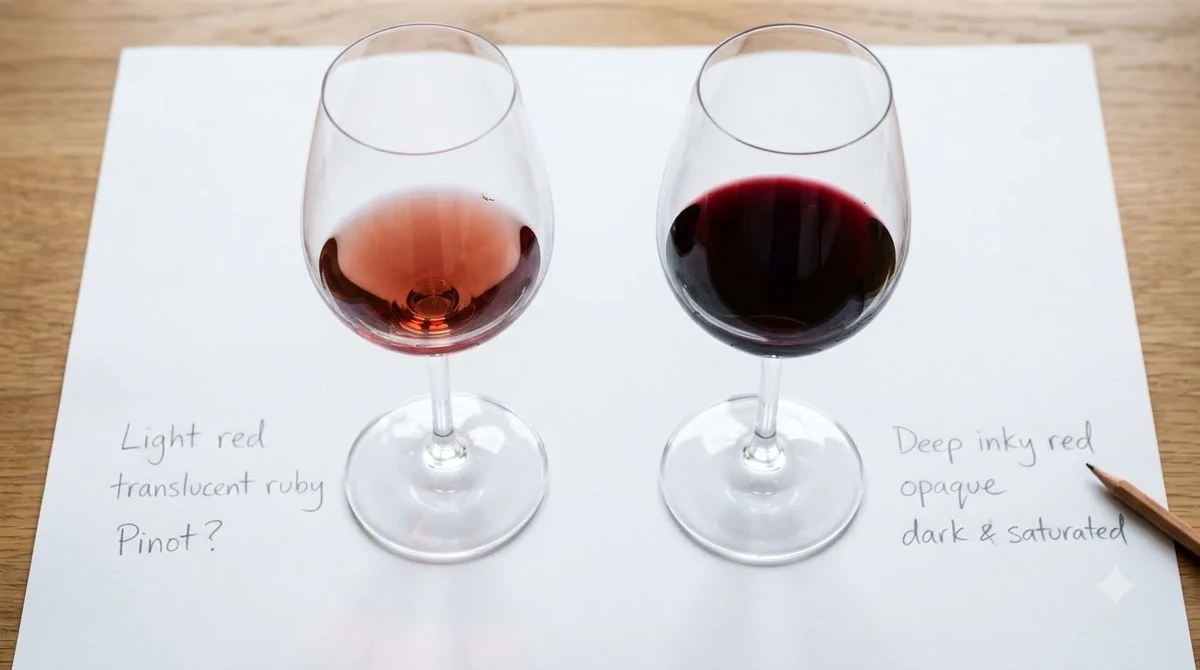
Pinot Noir is the second pillar of the lineup. The site describes two heritage clones, planted as a field mix in the newer vineyards. A field mix means several clones grow side by side, which can add layers of flavor in the finished wine. The website lists two Single Vineyard Pinot Noirs, so buyers looking for a site-specific red have a smaller set of choices than in the Chardonnay range.
Fermentation for the Pinot Noirs uses only native yeasts at moderately cool temperatures. The winery says it works with minimal intervention, which means fewer additions and manipulations in the cellar. Pinot Noir is a thin-skinned grape that reacts strongly to where it grows, so the winemaking choices here aim to let the vineyard speak. For readers used to bold, jammy reds, these wines often come across as lighter, more savory and more perfumed.
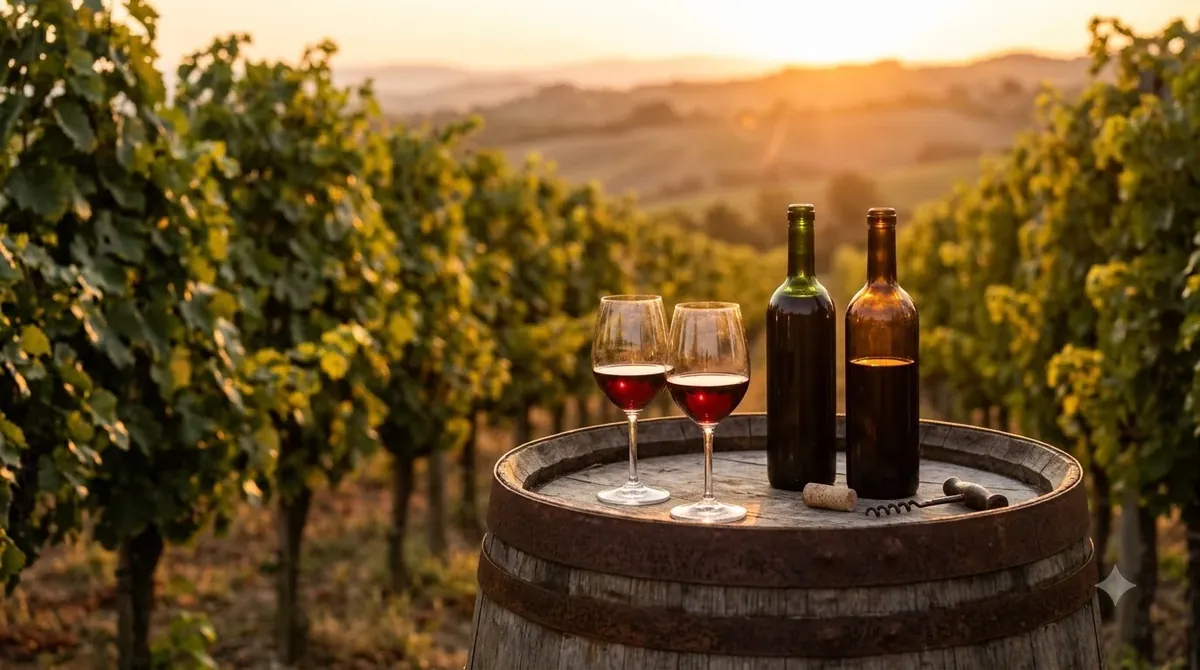
The Pinot Noirs and Chardonnays also reward a little patience with the cellar. The winery’s description points to wines built on structure and balance, which usually means they show their best after time in the bottle rather than in their first year. Many collectors keep a few bottles back for a year or two, then open one to compare with a fresh example. Storage follows the usual rules for fine wine: a steady, cool place away from light and heat.
How to Serve Kistler Wine
Serving temperature changes how a wine tastes, and the right approach depends on the color. For the Chardonnays, a short rest in the refrigerator before pouring usually works better than serving them straight from a cold cellar. Chilled but not icy is the usual guideline, since very cold temperatures can mute aromas and make texture harder to notice. For the Pinot Noirs, a slightly cool red served a few minutes out of the fridge often shows more of the bright fruit and earthy notes.
Glassware matters too. A medium-sized glass with room above the pour lets the aromas collect, which helps with the floral and mineral notes common in cool-climate wines. For a Chardonnay with plenty of oak, a glass with a wider bowl gives a fuller first impression, while a narrower glass keeps the fruit more focused.
Tip: Open the bottle about fifteen minutes before pouring a Pinot Noir. This gives the wine a little air and lets the aromas open before the first sip.
Food Pairing Ideas
Chardonnays from a single site pair well with dishes that echo their texture. Roast chicken, seared scallops and creamy pasta are all classic partners, because the wine’s weight can stand up to rich sauces without overpowering delicate proteins. A bottle with more oak influence works with grilled fish and nutty side dishes such as roasted squash.
Pinot Noir’s bright acidity and earthy character suit mushroom dishes, duck, salmon and roasted vegetables. It also works well with the herbs and savory flavors common in Mediterranean cooking. Matching by weight is a useful rule: a lighter red fits a lighter meal, and a richer wine works better alongside heartier food.
Restaurant lists and retail shelves often show only the vintage and the grape, which can hide the most useful details. Look for the vineyard name, the appellation and the year, since those three facts tell you the most about the style. A bottling from a cooler site may taste leaner and more mineral, while a warmer site often gives riper fruit and softer texture. Neither style is better in general, so the right choice depends on the dish and the mood.
How to Choose a Kistler Bottle
The biggest choice is between Chardonnay and Pinot Noir, and the second decision is whether to buy a single-vineyard bottling or a wine that blends several sites. Single-vineyard wines tell the most specific story about a place, which makes them a good choice for drinkers who want to taste the difference a site can make. Blended wines are often easier to match with food because they tend to show a broader range of flavors.
Look at the vineyard name on the label or the winery site before buying, and read the description for each bottling. If you are new to the brand, start with one Chardonnay and one Pinot Noir from different sites, then compare them side by side. That comparison is the clearest way to understand what the winery means by place.
Frequently Asked Questions
Where is Kistler wine made?
The winery sources its grapes from seventeen vineyards across five California appellations, including Carneros, Sonoma Valley, the Russian River Valley and the Sonoma Coast. The site presents this range as a core part of its identity.
Who founded Kistler?
The winery was founded in 1978 by Steve Kistler and Mark Bixler. Bill Price bought an interest in 2008, and Jason Kesner became president and winemaker that year.
Does Kistler make only Chardonnay?
No. Chardonnay and Pinot Noir are the two main grapes in the lineup, and the winery lists many single-vineyard bottlings of each.
Should Kistler wine be opened early?
Pinot Noir often benefits from about fifteen minutes of air before serving. Chardonnay usually needs only a short chill, and the best approach depends on the specific bottle and personal taste.
If you want to explore how other producers approach single-site wines, the Wine Brands guide covers several labels side by side. For a different California style, Spottswoode wine offers a contrasting Napa approach. Read the winery’s website for current bottlings and vineyard details.
More in Wine Brands
 Underwood Wine Price: Compare Bottles, Cans, and Pack SizesUpdated Nov 21, 2026
 Zenato Wine Price: Compare Styles and Choose the Right BottleUpdated Nov 21, 2026
 Zuccardi Wine Price: Compare Bottles and Find the Right RangeUpdated Nov 21, 2026
 Yellow Tail Moscato Review: Taste, Sweetness and Serving TipsUpdated Nov 21, 2026
 Wolf Blass Yellow Label Review: Choose Your Best StyleUpdated Nov 21, 2026
 Wolffer Estate Rose Review: Choose the Right Bottle for Your TableUpdated Nov 21, 2026