

We may earn a commission when you buy through links on this page, at no extra cost to you. Learn more.
This trapiche malbec review finds that Trapiche is a strong choice for shoppers seeking approachable Argentine Malbec with ripe plum and cherry flavors, a rounded texture, and versatile food-pairing options. The standard Vineyards bottling is a practical starting point for everyday meals, while Medalla offers a more oak-influenced expression with additional structure and aging potential. Choosing the right bottle depends on how much oak, concentration, and complexity you want from your red wine.
Trapiche is an established Argentine wine producer with several Malbec expressions that appeal to different drinking occasions. Its wines offer a useful introduction to Mendoza’s signature red grape, but the different labels do not necessarily deliver the same experience. Understanding the differences between the standard Vineyards bottling, Réserve, and Medalla can help you select a bottle that matches your preferred flavor profile, dinner plans, and expectations.
Who This Is For
Trapiche Malbec is worth considering for wine drinkers who enjoy fruit-forward red wines with moderate to substantial structure and enough acidity to work alongside food. Its range includes accessible bottles for casual dinners and more developed expressions for occasions that call for greater oak influence and concentration.
The standard Trapiche Vineyards Malbec is particularly suitable for people exploring Argentine Malbec for the first time. Trapiche describes aromas of plum and cherry, supported by subtle truffle and vanilla notes. Its rounded palate makes it an approachable option for people who enjoy ripe red fruit without needing the pronounced tannic grip associated with some Cabernet Sauvignon wines.
Experienced red wine drinkers may prefer exploring Medalla or other more specialized Trapiche bottlings. The producer identifies Luján de Cuyo and Maipú as the origins of Medalla Malbec and describes its 18 months in new French oak. That maturation gives it a different profile from the more straightforward Vineyards expression, particularly for drinkers who enjoy toasted, vanilla, and spice characteristics.
Trapiche can also suit people shopping for a bottle to serve with familiar meals rather than a wine that requires an elaborate tasting occasion. Grilled beef, pasta, seasoned dishes, and semi-hard cheeses are among the producer’s suggested matches. Retailer H-E-B similarly describes the standard Malbec as a Mendoza red with plum and cherry aromas, making it a recognizable choice for people seeking classic Argentine fruit character.
However, Trapiche Malbec is not automatically the right choice for every red wine preference. Someone who prefers delicate, light-bodied Pinot Noir, very low tannin, or crisp white wine may find even its approachable expressions too substantial. Likewise, drinkers seeking a particularly powerful, heavily extracted red should compare the different Trapiche labels instead of assuming every bottle has the same intensity.
Key Factors to Compare
The most useful buying criteria are the specific Trapiche label, fruit and oak balance, body, tannin, and the occasion for which you intend to serve the wine. Looking at these characteristics together provides a clearer buying decision than relying on the winery name alone.
Start by distinguishing the main styles. Vineyards Malbec emphasizes recognizable plum and cherry fruit with subtle supporting notes. Medalla is a more developed option, with the producer specifying 18 months in new French oak and six months of bottle aging. Réserve, meanwhile, is described by SAQ as full-bodied, dry, and marked by black fruit, plum, spice, and vanilla.
| Buying factor | What to look for | Why it matters |
|---|---|---|
| Grape variety | Malbec | Provides the characteristic ripe dark and red fruit profile. |
| Origin | Mendoza, Argentina | Connects the wine with a major Argentine Malbec-producing region. |
| Fruit character | Plum, cherry, red berries | Helps identify the wine’s fruit-forward character. |
| Oak influence | Subtle contact or 18 months in new French oak | Separates fresher expressions from more developed styles. |
| Alcohol example | 13.5% to 14.5% | Published figures for the Réserve and 2023 Medalla listings illustrate variation. |
| Serving temperature | 59°F to 65°F | Helps preserve fruit, freshness, and aromatic detail. |
| Food compatibility | Grilled meat, pasta, Gouda | Provides practical options for serving the wine with meals. |
| Bottle size | 187 ml to 1,500 ml | Trapiche’s Vineyards technical sheet lists several formats. |
Alcohol content deserves attention because it can influence the perception of warmth and weight. For example, Wine Enthusiast lists the 2023 Medalla Malbec at 14.5% ABV, while SAQ lists 13.5% ABV for its Réserve. These are different expressions and listings, so their figures should not be treated as universal specifications for every Trapiche Malbec.
Oak is another important distinction. A small amount of oak contact can contribute subtle vanilla or spice without dominating the fruit. Extended maturation in new French oak, as used for Medalla, can produce more noticeable toasted, coconut, and vanilla characteristics. If you enjoy a fresher fruit-led style, prioritize a less oak-influenced expression. If you like developed red wines, Medalla may be more appealing.
For an additional look at the producer’s range, explore Trapiche Malbec. Comparing the available labels and their individual descriptions is a useful way to avoid choosing a bottle based only on its front label.
Step-by-Step: How to Choose Trapiche Malbec
A straightforward buying process starts with your preferred flavor profile and ends with a bottle selected for a specific meal or occasion. These five steps help narrow the options without requiring advanced wine knowledge.
-
Decide how much oak you enjoy.
If you prefer recognizable plum and cherry aromas with restrained wood influence, begin with Vineyards Malbec. If vanilla, toast, coconut, and spice are appealing, consider Medalla, which receives 18 months of new French oak aging.
-
Choose the desired level of concentration.
Think about whether you want a relaxed dinner wine or something with more presence. A fruit-led standard Malbec is a useful choice for uncomplicated meals, while a more developed expression can suit richer dishes and slower dining occasions.
-
Consider the food you intend to serve.
For grilled beef, lamb, and seasoned pasta, Malbec is a natural candidate. For a cheese course, try Gouda, Gruyere, or Edam. If the meal includes a delicate white fish, consider a lighter wine rather than a tannic red.
-
Compare the specific bottle information.
Look at the label name, vintage, alcohol percentage, and producer description. Do not assume that Vineyards, Réserve, and Medalla have identical production methods or aging potential. Wine Enthusiast’s 2023 Medalla review, for example, identifies a 750 ml bottle and 14.5% alcohol.
-
Plan the serving conditions.
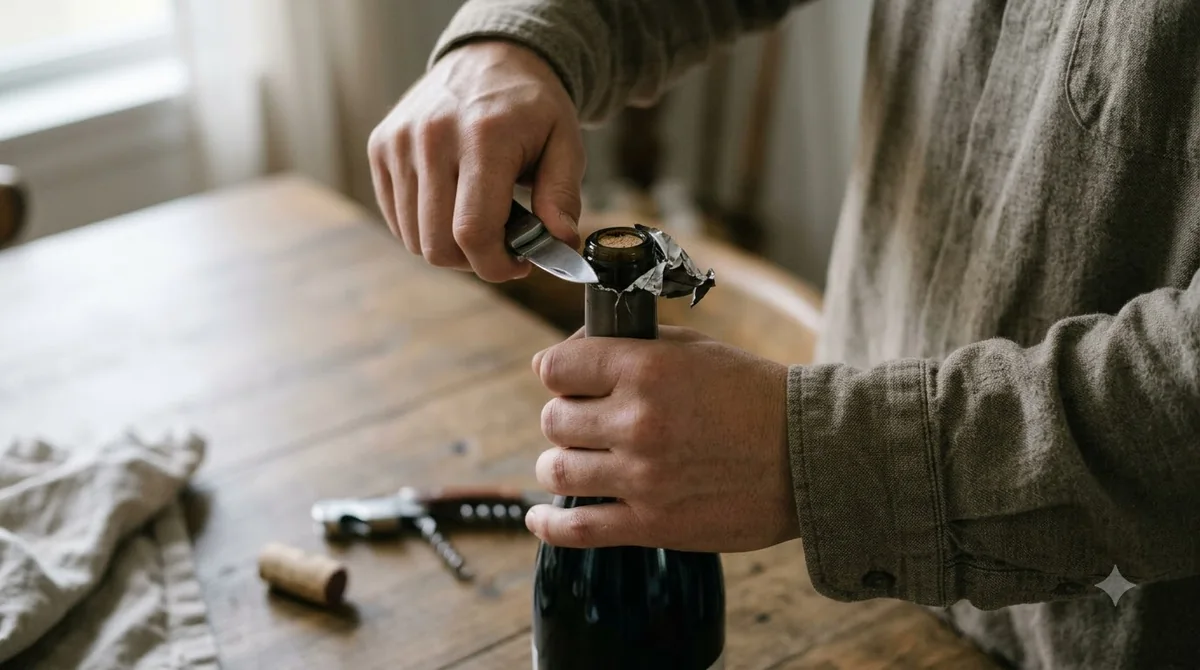
Allow enough time to bring the wine to an appropriate temperature. For a typical Trapiche Malbec, a starting point around 60°F to 64°F works well. Prepare the glasses and food before opening so the wine can be enjoyed without unnecessary delays.
These steps are also useful if you are comparing Trapiche with another Argentine producer. Alamos Malbec is another label to investigate when shopping for a Mendoza Malbec. Compare the actual bottlings rather than assuming that two wines made from the same grape will taste identical.
Tip: If you are buying Trapiche for the first time, begin with the standard Vineyards Malbec. Its plum and cherry profile provides a useful reference point before you explore the more oak-influenced Medalla expression.
Types or Styles Explained
Trapiche offers different Malbec expressions that vary in origin, production details, oak treatment, and intended drinking experience. Understanding the distinctions is important because a general Trapiche Malbec description cannot accurately represent every bottle in the range.
Vineyards Malbec
Vineyards Malbec is the most straightforward starting point for understanding the producer’s familiar house style. Trapiche identifies selected vineyards in eastern Mendoza and the upper Mendoza River area as the source of the grapes. Its published description highlights a bright red color with violet tones, fruity plum and cherry aromas, and a rounded palate with touches of truffle and vanilla.
The production details provide additional context. Trapiche’s technical sheet describes manual harvesting, cold pre-fermentation maceration, and fermentation at 23°C to 26°C for 15 days. It also identifies subtle oak contact and controlled natural malolactic fermentation. These details help explain why the wine combines fruit expression with a softer, rounded texture rather than presenting as an aggressively oaked red.
Its pairing suggestions include grilled meats, pasta, seasoned cuisine, and semi-hard cheeses. The technical sheet also lists several bottle formats, including 187 ml, 375 ml, 750 ml, and 1,500 ml. That variety can be useful for people who want a smaller serving or a larger format for a gathering.
Medalla Malbec
Medalla is a more developed expression for people who enjoy oak-influenced red wine. Trapiche identifies Luján de Cuyo and Maipú in Mendoza as its origins and specifies 18 months in new French oak barrels, followed by six months of bottle aging.
Its tasting description includes concentrated red berries, plum, cherry, raisins, vanilla, coconut, and toasted bread. These characteristics create a more layered impression than the straightforward fruit profile associated with the standard Vineyards expression. The producer also describes a substantial palate with ripe fruit, spice, and a persistent finish.
The producer lists a 10-year aging potential for Medalla, which distinguishes it from a bottle intended primarily for uncomplicated everyday drinking. This is a stated potential rather than a guarantee that every bottle will improve for a decade. Storage conditions, vintage, and the individual bottle remain important.
Independent coverage offers another useful reference. Wine Enthusiast awarded the 2023 Medalla Malbec 91 points and described crushed berries, blood orange, wild berries, and peppercorn, along with approachable tannins. Its review is particularly useful for shoppers who want a published assessment beyond the producer’s own tasting description. Read the Wine Enthusiast Medalla Malbec review for the specific vintage assessment.
Réserve Malbec
Réserve is another option for people seeking a more substantial Mendoza red. The SAQ product listing describes its Trapiche Malbec Réserve as dry and full-bodied, with black fruit, plum, spice, and vanilla aromas. It lists 13.5% alcohol and 3 grams per liter of sugar.
The retailer also describes its texture as generous and its oak influence as balanced. It recommends serving this particular listing between 15°C and 17°C, or approximately 59°F to 63°F. This makes it a useful comparison point for shoppers who want a structured red wine without assuming that every Trapiche expression has the same alcohol level or oak profile.
How the Styles Differ
The central distinction is the relationship between fruit and oak. Vineyards focuses on plum and cherry with subtle oak influence. Medalla has more clearly specified new French oak maturation, while Réserve is described through its full body, dark fruit, spice, and balanced wood character.
These descriptions are starting points rather than fixed guarantees for every vintage. Grapes change with growing conditions, and winemaking details can vary across releases. For more detail on aromas, structure, and the expected drinking experience, consult Trapiche Malbec tasting notes.
Common Mistakes When Buying and Serving
The biggest mistakes are treating every Trapiche label as interchangeable, serving the wine too warm, and expecting Malbec to taste sweet simply because it has ripe fruit aromas. Understanding the difference between fruitiness, sweetness, tannin, and oak helps prevent disappointment.
Assuming all Trapiche Malbec tastes the same: Vineyards, Medalla, and Réserve have different published production details and tasting descriptions. Medalla’s 18 months in new French oak are particularly important because they contribute a different flavor profile from the subtle oak contact described for Vineyards. Choose according to your preference rather than relying on the brand name alone.
Confusing ripe fruit with residual sugar: Plum, cherry, blackberry, and raisin aromas can make a dry wine seem generous or sweet-fruited. That does not mean the wine is a dessert wine. SAQ explicitly classifies its Réserve listing as dry and reports 3 g/L of sugar. The standard fruit-led character should not be confused with actual sweetness.
Serving the wine too warm: Full-bodied red wines often taste hotter and heavier when served at typical warm room temperatures. A starting range of 60°F to 64°F is appropriate for many Trapiche Malbec expressions. A short period in the refrigerator can help if the bottle has been kept in a warm kitchen.
Expecting a delicate red wine: Malbec generally offers more color, body, and tannin than light-bodied reds such as many Pinot Noir bottlings. Trapiche’s more developed styles can be particularly substantial. If you prefer delicate textures and subtle fruit, compare lighter wines before purchasing a full-bodied expression.
Choosing unsuitable food pairings: Malbec works particularly well with grilled meat and richly flavored dishes. However, highly tannic red wines can clash with oily fish, and very hot chili can make alcohol and tannin seem more aggressive. For spicy dishes, consider the level of heat and choose a less forceful expression when necessary.
Ignoring the vintage: Two bottles carrying the same label can differ because of vintage conditions and production changes. Wine Enthusiast’s 91-point assessment refers specifically to the 2023 Medalla Malbec, not every vintage or every Trapiche Malbec. Treat published reviews as vintage-specific guidance rather than permanent scores for the entire label.
Expecting every bottle to benefit from long storage: Medalla has a stated aging potential of 10 years, but that does not mean every Trapiche bottle needs extended cellaring. Many everyday Malbec expressions are better enjoyed while their fruit remains fresh and expressive.
Care and Storage Tips
Correct serving temperature, suitable storage, and sensible handling after opening make a noticeable difference to the drinking experience. Trapiche recommends 16°C to 18°C for Vineyards and Medalla, while the SAQ Réserve listing recommends 15°C to 17°C.
Serving temperature: For a typical full-bodied Trapiche Malbec, aim for approximately 60°F to 64°F. This range helps balance fruit, acidity, tannin, and alcohol warmth. If the bottle has been stored at a warmer indoor temperature, place it in the refrigerator briefly before serving rather than pouring it immediately.
Glassware: Use a medium-to-large red wine glass with enough room for the wine to release its aromas. A glass with a wider bowl makes it easier to swirl the wine and notice plum, cherry, vanilla, and spice characteristics. Fill each glass with approximately 5 oz rather than pouring to the rim.
Decanting: Young, full-bodied red wines can benefit from 30 to 60 minutes of aeration, particularly when they seem tight or concentrated immediately after opening. A younger, fruit-forward Vineyards Malbec may not need extended decanting. Begin by pouring a small sample and assess whether additional air would improve the experience.
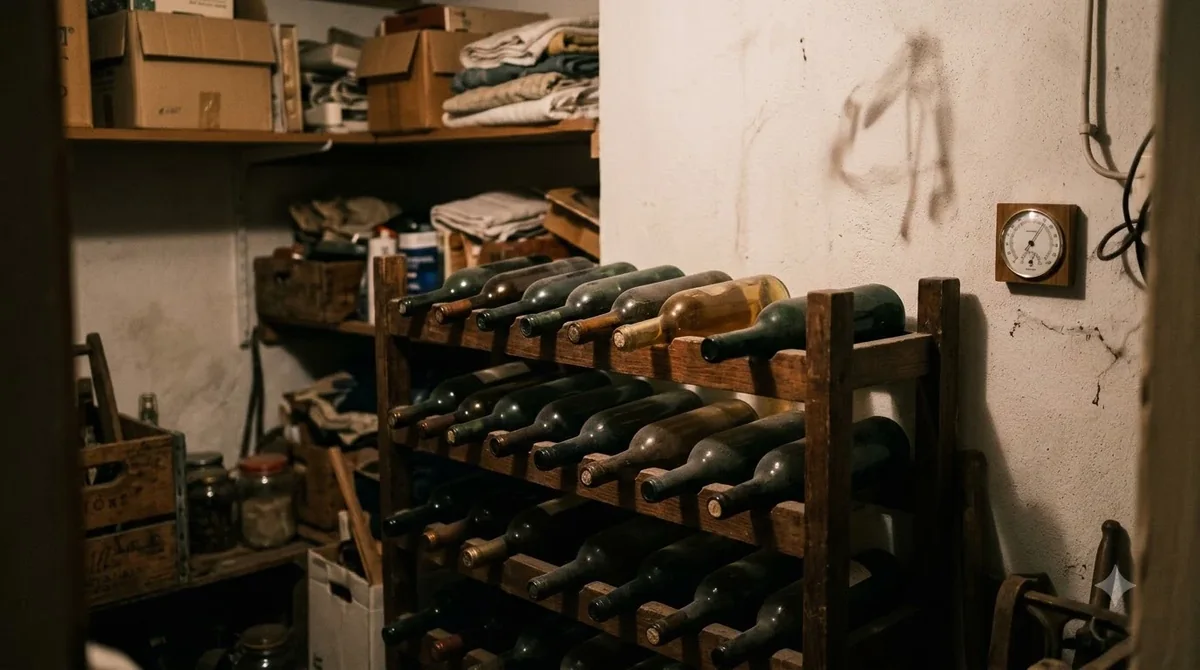
Storage before opening: Keep bottles in a cool, dark location away from direct sunlight, heat sources, and significant temperature fluctuations. A temperature near 55°F is a useful storage target. Store cork-finished bottles horizontally so the cork remains in contact with the wine.
Storage after opening: Replace the closure securely and refrigerate the remaining wine. Most opened still wines retain their best qualities for approximately three to five days when refrigerated, although fruit aromas and freshness gradually decline. Allow a refrigerated bottle to warm slightly before serving again.
Long-term aging: If you intend to keep a Medalla bottle, maintain stable storage conditions and avoid frequent movement. The producer’s stated 10-year potential makes it a more suitable candidate for planned cellaring than an everyday bottle selected for immediate enjoyment. The standard Vineyards expression is generally better approached as a wine for drinking rather than a long-term cellar project.
For additional information about grape varieties, regional styles, and other producers, browse the broader Wine Brands collection. It can help place Trapiche within the wider selection of wines available to American shoppers.
Frequently Asked Questions
Is Trapiche Malbec a good wine for beginners?
Yes, the standard Vineyards bottling is a practical introduction because its published description emphasizes familiar plum and cherry aromas with a rounded palate. Its fruit-forward profile makes it easier to understand the main characteristics of Mendoza Malbec without beginning with a heavily oak-driven wine. Medalla is a useful next step for someone interested in more pronounced wood influence.
Is Trapiche Malbec vegan?
Vegan suitability cannot be confirmed from the general tasting descriptions and product information discussed here. Wine clarification can involve animal-derived fining agents, and practices may differ between products and vintages. Look for a specific vegan certification or obtain confirmation from the producer for the exact bottling.
Does Trapiche Malbec need to breathe before drinking?
Not every bottle requires decanting. A young, concentrated red may benefit from 30 to 60 minutes of aeration, while a fruit-forward everyday bottling can often be served shortly after opening. Older bottles should be handled more carefully because prolonged exposure to oxygen can diminish their aromas.
How many glasses are in a standard Trapiche bottle?
A standard 750 ml bottle provides approximately five servings when poured at 5 oz each. Smaller formats are also listed for Vineyards Malbec, including 187 ml and 375 ml bottles. A 1,500 ml bottle contains approximately twice the wine of a standard 750 ml bottle.
Can Trapiche Malbec be used for cooking?
Yes, a dry Trapiche Malbec can work in beef stews, red wine reductions, and sauces served with roasted meat. Its plum and cherry character can complement slow-cooked dishes, while its color adds depth to a sauce. Use a wine you would be comfortable drinking rather than relying on a bottle with unpleasant or oxidized aromas.
Trapiche Malbec is a worthwhile option for shoppers who enjoy Argentine reds with ripe fruit, rounded texture, and flexible food-pairing possibilities. Vineyards is a sensible starting point, while Réserve and Medalla offer alternatives for people seeking additional body, oak influence, or aging potential. Compare the individual bottlings and select the style that best matches your palate and meal.
More in Wine Brands
 Louis Latour Wine Price: Compare Bottles by Style and TierUpdated Nov 20, 2026
 Yellow Tail Moscato Price: What to Expect Before You BuyUpdated Nov 20, 2026
 Sutter Home Sweet Red Review: Find the Right Food PairingsUpdated Nov 20, 2026
 Franzia Chillable Red Review: Find the Right Serving StyleUpdated Nov 20, 2026
 Veuve Clicquot Rose Review: Flavor, Food Pairings and Buying AdviceUpdated Nov 20, 2026
 Rombauer Wine Price: Compare Bottles Before You BuyUpdated Nov 20, 2026