

We may earn a commission when you buy through links on this page, at no extra cost to you. Learn more.
Is hampton water rose good? Yes, Hampton Water Rosé is a good choice if you enjoy dry, fruit-forward French rosé with refreshing acidity, strawberry and citrus flavors, and a slightly more substantial finish than a very light summer wine. Made in southern France with winemaker Gérard Bertrand, it combines Grenache, Cinsault, Mourvèdre, and Syrah. Its quality is supported by independent critical recognition, including a 90-point Wine Enthusiast rating for the 2024 vintage, although its particular flavor profile will not appeal to everyone.
Hampton Water Rosé occupies an interesting position in the French rosé category. It has a recognizable name, an attractive bottle, and a connection to the Hamptons lifestyle, but the more important question for wine drinkers is whether the wine inside delivers. Its combination of ripe red fruit, citrus freshness, Mediterranean grape varieties, and French oak influence gives it a recognizable personality. Understanding its style, serving requirements, and food compatibility makes it easier to decide whether this bottle deserves a place at your next gathering.
Who Should Choose Hampton Water Rosé?
Hampton Water Rosé is particularly suitable for people who prefer dry, refreshing wines with recognizable fruit flavors and enough structure to accompany food. Its French Mediterranean origins and four-grape blend make it more interesting than a simple, one-dimensional strawberry-flavored summer wine.
The wine comes from Languedoc in southern France, a region with a strong tradition of Mediterranean grape varieties. The brand collaborates with Gérard Bertrand, a recognized French winemaker, to develop its rosé. The result is a wine intended to combine an approachable drinking style with the regional character of southern French winemaking.
Its 60% Grenache component provides the foundation of the blend. Grenache commonly contributes ripe red-fruit character and a generous mid-palate. Cinsault, at 15%, helps establish the lighter, aromatic side of the wine, while the 15% Mourvèdre and 10% Syrah components contribute additional fruit and structure. These varieties are frequently used in southern French rosé production, so the combination is consistent with the region’s established wine styles.
Hampton Water is worth considering if you enjoy strawberries, citrus, melon, and wines that finish with refreshing acidity rather than pronounced sweetness. It also suits people who want a bottle that can move from an afternoon gathering to a dinner table without requiring an elaborate menu.
However, it is not automatically the right purchase for every rosé drinker. Someone who prefers extremely delicate Provence-style wines with restrained fruit may find Hampton Water more expressive and rounded than expected. Drinkers who favor sweet pink wines may also find its dry character less appealing.
The wine’s appeal is therefore relatively specific: it is for someone who wants approachable French rosé with fruit, freshness, and some additional texture. If that sounds like your preferred style, exploring the broader Wine Brands category can also help put Hampton Water into context alongside other producers.
Key Factors to Compare Before Buying
Four characteristics are particularly useful when evaluating Hampton Water Rosé: its grape composition, sweetness, flavor profile, and alcohol content. Together, these details explain what kind of drinking experience to expect and whether it fits your preferences.
| Factor | Hampton Water Rosé | What It Means |
|---|---|---|
| Origin | Languedoc, France | Southern French Mediterranean wine style |
| Grenache | 60% | Main source of red-fruit character |
| Cinsault | 15% | Supports freshness and aromatic expression |
| Mourvèdre | 15% | Adds additional character and structure |
| Syrah | 10% | Completes the blend with further fruit and structure |
| Alcohol | 13% ABV | Moderate-to-full alcohol for a dry rosé |
| Bottle size | 750 ml | Approximately five standard 5-ounce servings |
| Serving temperature | 45–50°F | Suitable chilling for light rosé wines |
Grape composition and balance
The blend is one of the most useful indicators of the wine’s character. Grenache dominates at 60%, which helps explain why red-fruit impressions are central to the tasting profile. The supporting grapes prevent the wine from relying entirely on one flavor direction.
Cinsault, Mourvèdre, and Syrah each account for a smaller proportion, but together they represent 40% of the blend. This combination helps create a broader profile than a rosé built around Grenache alone. It also explains why the wine can offer both recognizable fruit and a more substantial finish.
Dryness and acidity
Hampton Water is best approached as a dry rosé rather than a sweet pink wine. Fruit aromas can sometimes create the impression of sweetness even when the wine itself finishes dry. Strawberry, melon, and citrus are not proof that a wine contains substantial residual sugar.
Acidity is equally important. A refreshing acidic structure helps balance ripe fruit flavors and makes rosé more adaptable at the table. For people who find sweet wines too heavy, the dry character of Hampton Water is a significant advantage.
Alcohol and body
The producer lists the wine at 13% ABV. That is a useful detail because rosé wines can vary considerably in alcohol, even when their color and fruit aromas appear similar.
At 13% ABV, Hampton Water is not an especially low-alcohol choice. Its fruit-forward character can make it seem approachable, but it should not be confused with a very light, low-alcohol patio wine. The 750 ml bottle contains approximately five standard 5-ounce pours.
For a more detailed explanation of this particular specification, see the guide to Hampton Water Rosé alcohol content.
Step-by-Step: How to Evaluate Hampton Water Rosé
A simple evaluation using the bottle, serving temperature, and a suitable glass will reveal whether Hampton Water fits your preferences. Follow these five steps rather than judging a rosé entirely by its label or reputation.
-
Start with the origin and grape blend.
Look for the Languedoc origin and the four principal varieties: 60% Grenache, 15% Cinsault, 15% Mourvèdre, and 10% Syrah. These grapes indicate a Mediterranean-style rosé with a fruit-focused foundation rather than a delicate wine built around a single aromatic grape.
-
Chill the bottle appropriately.
Place the bottle in a refrigerator before serving and aim for approximately 45–50°F. This temperature range helps preserve freshness while allowing strawberry, citrus, and other aromatic details to remain noticeable. Serving the wine extremely cold can make its flavors seem muted.
-
Choose an appropriate glass.
A standard white-wine glass is a practical option because its bowl allows aromas to collect while maintaining a comfortable serving temperature. You do not need specialized rosé glassware. Pour approximately 5 ounces rather than filling the glass to the rim.
-
Evaluate the aroma and palate separately.
Begin with the nose. Look for strawberry, citrus, and other fresh fruit impressions. Then take a small sip and consider the balance between fruit, acidity, texture, and finish. The aroma may seem fruitier than the actual taste because the wine is dry.
-
Try it with food before deciding.
Serve a glass alongside seafood, a lightly dressed salad, or grilled chicken. A wine’s character can change considerably alongside food. Hampton Water’s combination of fruit and acidity is particularly useful for dishes that have moderate richness without overwhelming chili heat or heavy tannins.
Tip: Do not judge Hampton Water Rosé straight from an ice-cold bottle. Allow a freshly poured glass to warm slightly if the aromas initially seem muted. A serving temperature around 45–50°F provides a useful starting point.
These steps also help separate genuine wine characteristics from presentation. A stylish bottle can create expectations before the first sip, but grape composition, acidity, aroma, and food compatibility provide more meaningful information about quality.
Hampton Water Rosé Styles and Flavor Characteristics
Hampton Water is a blended French rosé rather than a single-grape wine, and its flavor profile can be understood through several overlapping characteristics. Its producer emphasizes strawberry and citrus, while independent vintage reviews add details such as melon, rose petal, cherry, and citrus peel.
Fresh strawberry and red-fruit flavors
Strawberry is one of the most recognizable elements of Hampton Water Rosé. The producer specifically identifies soft strawberry notes, while Wine Enthusiast’s review of the 2022 vintage also describes red cherry skin, strawberry, and pomegranate aromas.
These characteristics make the wine appealing to people who enjoy fruit-driven rosé. However, red-fruit aromas do not mean the wine tastes like fruit juice. The dry finish and acidity help distinguish it from sweet wine-based beverages.
Citrus and refreshing acidity
Citrus is another important part of the wine’s identity. Depending on the vintage and tasting conditions, the citrus character may suggest lemon, grapefruit, or a more general citrus-peel impression.
Wine Enthusiast’s review of the 2024 vintage describes citrus peel and pith alongside a chalky texture. This is useful independent evidence that the wine’s character can extend beyond simple ripe-fruit aromas. Read the Wine Enthusiast review of Hampton Water Rosé 2024 for the full professional tasting assessment and its 90-point rating.
Melon and floral impressions
Melon provides another layer of fruit character. Wine Enthusiast identifies brisk melon aromas in its 2024 review, together with soft pink rose-petal notes. These impressions help explain why Hampton Water can seem more aromatic and textured than a particularly restrained rosé.
Floral aromas are not necessarily dominant. They are better understood as supporting notes that add complexity to the fruit-focused profile. The exact balance can vary from one vintage to another, so a bottle from a different harvest may not reproduce every characteristic found in an earlier professional review.
French oak and the finish
One detail that distinguishes Hampton Water from many uncomplicated summer rosés is its association with new French oak aging. The producer attributes its long finish partly to this process.
Oak does not automatically make a wine taste heavily woody. Its influence depends on the amount of wine aged in barrels, the length of aging, and the character of the barrels. In Hampton Water’s case, the producer emphasizes a longer finish rather than presenting the wine as a strongly oaked style.
The combination of fruit, citrus, texture, and oak influence makes the wine a useful option for people who want something more substantial than an extremely light, neutral rosé.
For a closer breakdown of the aromas and palate characteristics, the Hampton Water Rosé tasting notes provide additional context.
Common Mistakes When Choosing or Serving Hampton Water Rosé
Many disappointments with rosé come from incorrect expectations or unsuitable serving conditions rather than an inherent problem with the wine. Understanding its dry character, alcohol level, and Mediterranean fruit profile helps prevent the most common mistakes.
Assuming all pink wines are sweet
Color does not determine sweetness. Hampton Water is a dry rosé, so someone expecting a sweet wine with prominent sugary flavors may be disappointed.
Strawberry and melon aromas can make the wine smell ripe and inviting, but those aromas do not establish the wine’s residual sugar level. If you prefer sweet Moscato or dessert wines, Hampton Water represents a different category of drinking experience.
Expecting a very light Provence-style profile
French rosé is not a single flavor category. Wines from different southern French regions can have different levels of fruit intensity, body, acidity, and texture.
Hampton Water’s Languedoc origin and Grenache-led blend give it a recognizable Mediterranean personality. Someone looking for an especially restrained wine with very subtle fruit may prefer a different producer or regional expression.
Serving it too warm or too cold
Temperature can significantly affect how a rosé smells and tastes. A bottle served well above 50°F may seem softer and less refreshing, while a bottle served close to freezing can lose much of its aromatic expression.
Start at 45–50°F and make small adjustments according to preference. This is particularly useful when serving the wine outdoors, where warm weather can quickly increase the temperature in the glass.
Ignoring the alcohol percentage
Hampton Water’s listed 13% ABV is important when comparing it with other rosés. A wine that tastes fresh and easy to drink can still have a meaningful alcohol concentration.
Do not assume that a pale color or crisp flavor indicates low alcohol. Compare the stated ABV when selecting bottles, particularly if you prefer wines with a lighter alcohol profile.
Pairing it with overpowering dishes
Rosé is versatile, but that does not mean every food pairing works equally well. Very spicy dishes can make alcohol seem more prominent, while heavily tannic foods and sauces can interfere with the wine’s refreshing fruit character.
Another mistake is serving it with strongly oily fish alongside powerful red-wine-style flavors. Hampton Water is generally better suited to delicate seafood preparations, fresh herbs, grilled poultry, and moderately seasoned Mediterranean dishes.
Judging the entire brand from one vintage
Vintage differences matter even for wines designed to maintain a consistent house style. Weather, grape ripeness, harvest conditions, and winemaking decisions can influence acidity, aromatic intensity, and overall texture.
For example, Wine Enthusiast’s 2024 review describes rose petal, melon, citrus peel, and chalky texture, while its 2022 review emphasizes red cherry skin, strawberry, and pomegranate. These reviews illustrate how the expression can shift without changing the fundamental identity of the wine.
Care, Storage, and Serving Tips
Hampton Water Rosé is best enjoyed fresh and properly chilled. Good storage protects its fruit aromas, while a suitable serving temperature helps maintain its balance and refreshing character.
Storing an unopened bottle
Keep unopened rosé in a cool, dark location away from direct sunlight, strong temperature fluctuations, and heat-producing appliances. A wine storage temperature near 55°F is a useful general target for longer-term bottle storage.
Although rosé is often purchased for immediate enjoyment, a stable environment still matters. Repeated exposure to warm conditions can damage delicate fruit aromas and reduce freshness. Avoid leaving a bottle in a hot vehicle or on a sunny kitchen counter.
For longer storage, keeping bottles on their sides is a traditional approach for wines with natural cork closures. The producer’s glass closure is a different design, so ordinary cork-storage assumptions do not necessarily apply in exactly the same way. Consistent cool conditions remain the more important consideration.
Chilling before serving
Refrigerate the bottle before opening and aim for 45–50°F. If you need to chill it more quickly, an ice bucket containing ice and water can cool the bottle more evenly than placing it in a freezer for an extended period.
Keep the wine cool throughout a meal, particularly during outdoor entertaining. A small wine cooler or an insulated serving container can help maintain the temperature without repeatedly returning the bottle to the refrigerator.
Opening the glass closure
Hampton Water uses a distinctive glass cap rather than a conventional cork-and-foil arrangement. According to the producer, you can open it by placing both thumbs underneath the glass cap and pushing upward.
This design removes the need for a traditional corkscrew. It is convenient for picnics and casual gatherings, although the cap should still be handled carefully when opening the bottle.
Keeping unfinished wine fresh
If the bottle is not finished, the producer says the glass closure can be used to reseal it. Return the bottle to the refrigerator promptly and keep it upright after opening.
As a general guideline, opened still rosé is best consumed within approximately 3–5 days when refrigerated and properly sealed. Its freshness may decline before that period, especially if the bottle has been exposed to warm air for an extended time.
Rather than pouring a large glass that remains unfinished, use the standard 5-ounce serving as a practical reference. A 750 ml bottle provides approximately five servings, making it easy to plan for a small dinner or gathering.
Choosing appropriate food pairings
Hampton Water’s fruit and acidity make it suitable for many Mediterranean-inspired dishes. The following combinations are useful starting points:
- Seafood: Grilled shrimp, steamed mussels, scallops, and simply prepared white fish work well with its citrus character.
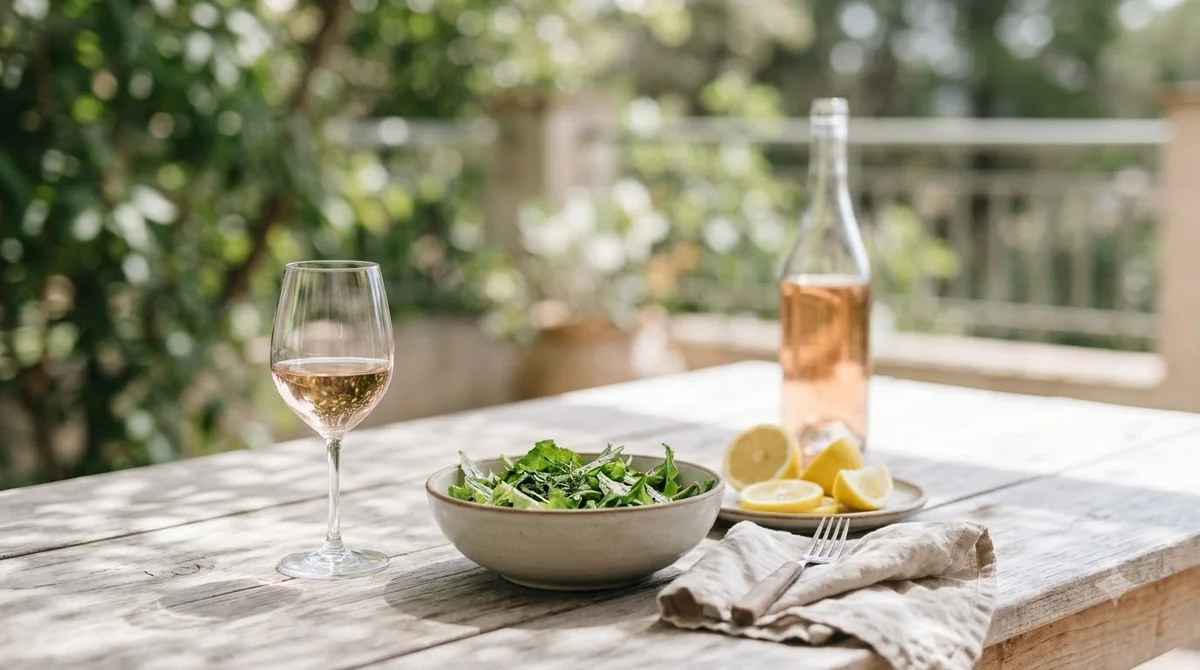
- Salads: Fresh greens, tomatoes, cucumber, goat cheese, and light vinaigrettes complement its acidity.
- Grilled chicken: Herb-seasoned chicken and lighter poultry dishes provide enough savory character without overpowering the wine.
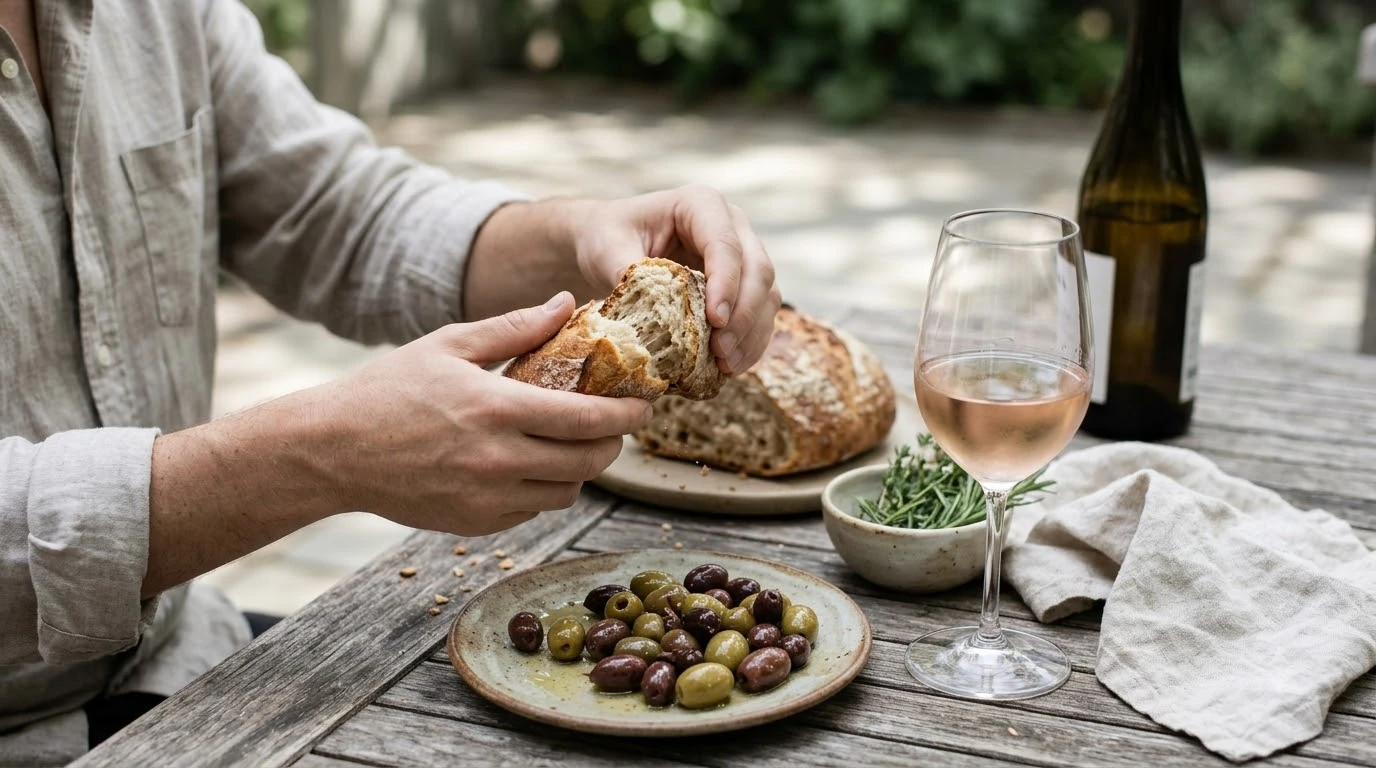
- Charcuterie: Mild cheeses, cured ham, olives, and crackers make a practical sharing platter.
- Vegetables: Grilled zucchini, asparagus, roasted peppers, and Mediterranean vegetable dishes suit the wine’s fresh fruit profile.
When choosing a sauce, remember that acidic foods generally need wine with equal or higher acidity. Salt and fat can soften the perception of tannin, while excessive chili heat can make alcohol more prominent. Keeping dishes moderately seasoned allows Hampton Water’s fruit and freshness to remain noticeable.
Frequently Asked Questions
Is Hampton Water Rosé a celebrity wine or a professionally made wine?
Hampton Water combines a recognizable entertainment-industry connection with professional winemaking. The brand’s collaboration with Gérard Bertrand gives the wine a direct connection to an established French winemaker rather than relying on celebrity branding alone. Its independent Wine Enthusiast reviews also provide professional assessments separate from the brand’s own marketing.
Does Hampton Water Rosé contain sulfites?
Like many conventionally produced wines, Hampton Water should be treated as a wine that may contain sulfites. Sulfur dioxide is widely used in winemaking to help protect wine against oxidation and unwanted microbial activity. Anyone who needs ingredient or allergen information should consult the specific bottle and its accompanying product information.
Can Hampton Water Rosé be served in a cocktail?
Yes, a dry rosé can be used as a cocktail ingredient, although Hampton Water is also suitable for drinking on its own. Its strawberry and citrus character can work in a simple wine-based spritz with sparkling water and a citrus garnish. Avoid adding too much sweet syrup, which can obscure the wine’s dry character.
Is Hampton Water Rosé suitable for a wedding or larger celebration?
Its approachable fruit profile and distinctive glass closure make it a practical option for informal celebrations and wine tables. For planning purposes, a standard 750 ml bottle provides approximately five 5-ounce pours. A larger event should also account for guests who prefer sparkling wine, white wine, or nonalcoholic alternatives.
Does Hampton Water Rosé have a vegan certification?
The producer’s rosé product information does not establish a specific vegan certification. Wine clarification can involve different processing materials, and the grape ingredients alone do not establish whether a finished wine is vegan. Anyone requiring certified vegan wine should seek confirmation from the producer for the particular vintage.
Hampton Water Rosé is a worthwhile choice for drinkers who enjoy dry southern French rosé with strawberry, citrus, refreshing acidity, and a little extra texture. Its Grenache-led blend and professional critical recognition support its reputation beyond its recognizable branding. If you prefer fruit-forward wines that can accompany seafood, salads, grilled chicken, and relaxed gatherings, Hampton Water deserves consideration; if you prefer sweet or exceptionally delicate rosé, another style may suit you better.
More in Wine Brands
 Louis Latour Wine Price: Compare Bottles by Style and TierUpdated Nov 20, 2026
 Yellow Tail Moscato Price: What to Expect Before You BuyUpdated Nov 20, 2026
 Sutter Home Sweet Red Review: Find the Right Food PairingsUpdated Nov 20, 2026
 Franzia Chillable Red Review: Find the Right Serving StyleUpdated Nov 20, 2026
 Veuve Clicquot Rose Review: Flavor, Food Pairings and Buying AdviceUpdated Nov 20, 2026
 Rombauer Wine Price: Compare Bottles Before You BuyUpdated Nov 20, 2026