

We may earn a commission when you buy through links on this page, at no extra cost to you. Learn more.
The typical alamos wine price is about $9 to $17 for standard 750 ml bottles in U.S. listings from H-E-B, Total Wine & More, Target, and B&B Liquors, while Alamos Selección Malbec commonly sits around $19 to $24 in Webster Wine & Spirits and Gopuff listings; prices vary by state and retailer. The exact total depends on the bottling, vintage, store, and state. Malbec is the best-known reference point, but Cabernet Sauvignon, Red Blend, and selected white wines can appear in the same retail range.
Alamos is an Argentine label associated with Mendoza and the Andes foothills. Its familiar Malbec is a fruit-forward, medium-to-full-bodied red made for casual meals as well as weeknight dinners. Use the ranges below as a shopping guide rather than a national price list: local inventory, shipping, taxes, and retailer pricing can shift the shelf total.
Who This Is For
This guide is for shoppers deciding whether an Alamos bottle is fairly priced, choosing between the core red wines, or comparing the standard Malbec with Selección. It is especially useful when a store has several Alamos labels on one shelf and the names alone do not make the price difference clear.
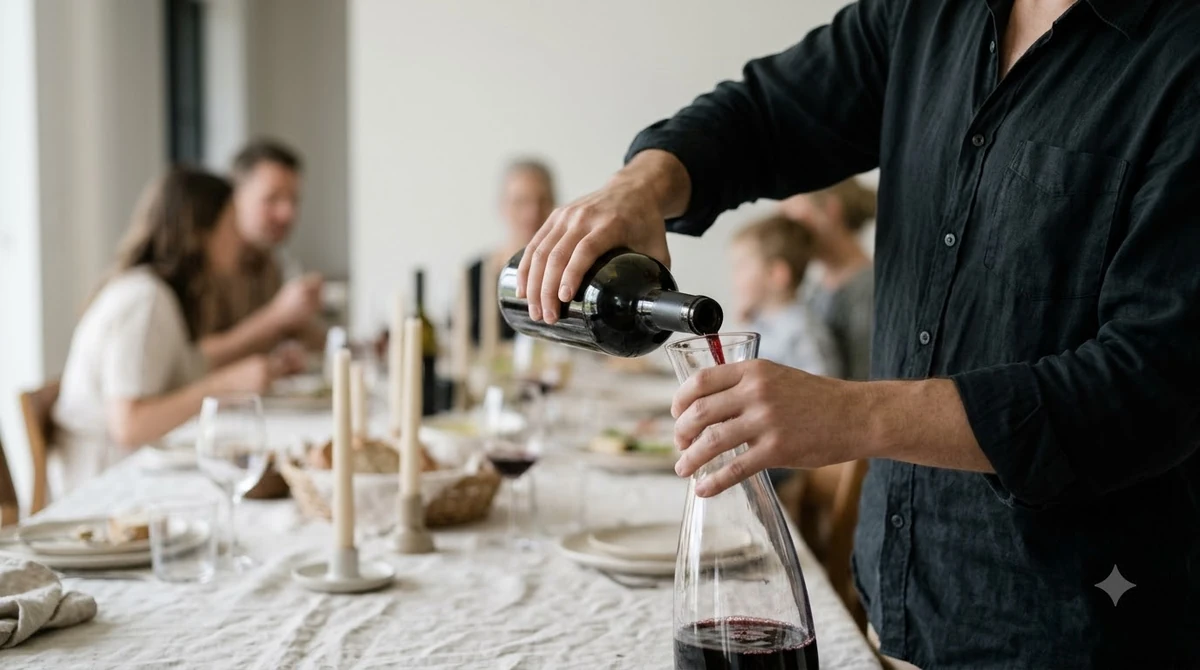
Alamos is a practical starting point for drinkers who enjoy approachable Argentine reds with ripe fruit, especially Malbec. The producer places the brand in Mendoza, below the Andes, and describes more than 120 years of Argentine family winemaking. Alamos’ U.S. site suggests charred meats and barbecue as natural pairings, which points to a relaxed dinner wine rather than a formal cellar purchase.
It may be less suitable for shoppers seeking a very light red, delicate Pinot Noir, or a wine chosen primarily for long-term aging. Malbec is generally richer and darker, while Cabernet Sauvignon feels firmer and more structured. The Alamos wine overview helps identify the range before comparing shelf tags.
Key Factors to Compare
Start with the bottling, then compare the bottle size and the retailer’s current range; the label name matters more than a small difference between two stores. For the standard 750 ml wines, the practical shopping bands below reflect listings from several U.S. retailers rather than a fixed suggested retail price.
| Alamos bottling | Typical U.S. retail range | What the range reflects |
|---|---|---|
| Malbec, standard bottling | About $9–$14 per 750 ml | Vino Alert retailer listings, H-E-B, Total Wine & More, and Marketview Liquor |
| Cabernet Sauvignon | About $11–$17 per 750 ml | Target, Webster Wine & Spirits, and B&B Liquors listings |
| Red Blend | About $11–$17 per 750 ml | Target, Webster Wine & Spirits, and B&B Liquors listings |
| Selección Malbec | About $19–$24 per 750 ml | Webster Wine & Spirits and Gopuff listings |
For standard Alamos Malbec, U.S. listings support a range of about $9 to $14 per 750 ml: Vino Alert’s retailer comparison shows 2024 offers from roughly $9.25 to $13.95, while H-E-B, Total Wine & More, and Marketview Liquor list examples around the low teens; prices vary by state and retailer. For Cabernet Sauvignon and Red Blend, listings at Target, Webster Wine & Spirits, and B&B Liquors support a broader planning range of about $11 to $17 per 750 ml; prices vary by state and retailer. For Selección Malbec, Webster Wine & Spirits and Gopuff listings support an approximate $19 to $24 range per 750 ml; prices vary by state and retailer.
These bands describe the shelf-price landscape, not a promise that every store stocks every wine. One retailer may carry only Malbec, Cabernet Sauvignon, and Red Blend, while another lists Selección or Chardonnay. Compare like with like: a 750 ml standard Malbec should not be judged against a reserve-style bottling, a larger format, or a different vintage. The Alamos Malbec page helps assess whether the familiar red suits the meal as well as the budget.
Separate the bottle price from checkout cost. State alcohol taxes, applicable sales taxes, delivery charges, and order minimums can change the total; pickup and delivery prices may differ too.
Step-by-Step
A quick comparison can keep a low shelf tag from becoming the only deciding factor. Use the same sequence for a single bottle, a dinner purchase, or a small mixed case.
- Choose the style first. Decide whether the meal calls for Malbec’s dark-fruit character, Cabernet Sauvignon’s firmer structure, or the easier-going profile of a Red Blend. If you are unsure, standard Alamos Malbec is the clearest starting point because it is the brand’s signature style.
- Confirm the bottle format. Compare 750 ml bottles with other 750 ml bottles. A larger bottle, half bottle, or multi-pack changes the unit price and should not be compared directly with a single standard bottle.
- Check the vintage and bottling name. A standard Malbec and Selección Malbec are not interchangeable labels. The second is positioned at a higher retail tier, so confirm that the extra spend corresponds to the specific wine you meant to buy.
- Compare at least two local sellers. Look at a grocery retailer and a specialist wine shop where possible. A listed U.S. comparison range is only a guide; availability, taxes, and delivery costs can differ by ZIP code and store.
- Read the product details. Check the region, grape or blend information, alcohol level when provided, and retailer tasting description. For example, a Marketview Liquor listing identifies its 2024 Alamos Malbec as a 13.5% ABV Mendoza wine and describes plum, dark cherry, blackberry, brown spice, and vanilla.
- Match the wine to the meal and serving plan. Malbec and Cabernet Sauvignon work naturally with grilled or roasted meat; a softer red blend is useful for a mixed table. If the bottle will be opened over more than one evening, plan to reseal it and refrigerate the remainder.
This sequence separates value from simple cheapness. The lowest-priced bottle is not a good fit if its style is wrong for the meal, and Selección does not make sense if the goal is a familiar weeknight Malbec. Compare the same bottling at different stores rather than comparing wines with different roles.
For online orders, choose the pickup or delivery location before comparing totals. Stock may be local even when a listing is visible nationally, so confirm availability at the intended store.
Types or Styles Explained
Alamos’ familiar shelf choices cover several different red-wine experiences, even when their prices overlap. The safest way to choose is to think about grape character, body, tannin, and what will be on the plate.
Standard Malbec
Malbec is the natural benchmark for the brand. Retail descriptions commonly emphasize plum, blackberry, black cherry, and darker berry notes, with brown spice or vanilla adding a savory edge. H-E-B describes the Alamos bottling as medium-bodied with soft tannins and a smooth finish; Total Wine & More highlights black cherry, cassis, black raspberry, chocolate, and sweet spice from light oak aging. The exact impression can shift with vintage and serving conditions, but the broad style is ripe, generous, and easy to pair.
Malbec suits grilled steak, burgers, roast chicken, empanadas, and grilled vegetables. Salt and fat soften tannin, helping the wine alongside richer meat dishes. Serve slightly cool, around 60–65°F for a full-bodied red. The Alamos red wine guide covers the signature bottling in more detail.
Cabernet Sauvignon
Alamos Cabernet Sauvignon is the better direction for drinkers who prefer a more structured red. Cabernet Sauvignon typically carries higher tannin than Malbec, so its firmer grip can stand up to steak, lamb, hard cheeses, and savory sauces. It may feel less immediately plush than Malbec, particularly when poured young, and can benefit from a short period of air if the wine seems tight.
Choose Cabernet for a rich roast or grilled beef when guests enjoy a firmer finish. A 30- to 60-minute decant can help a young full-bodied red open up, but need depends on the bottle. At the same shelf price as Malbec, Cabernet is a different structure, not automatically a better buy.
Red Blend
Red Blend suits groups that want a red without committing to one grape’s strongest traits. Blends can balance fruit, body, and tannin, but do not assume the exact composition without a producer or retailer description. It can work with pizza, meat sauce, roast vegetables, or a table serving several dishes.
Treat it as a flexible meal wine, not an automatic upgrade over Malbec. Tomato-heavy food needs lively acidity, while salty cheese and meat can soften tannin.
Selección Malbec and Other Bottlings
Selección Malbec sits in a higher price band than standard Malbec. It may suit a dinner or a more considered gift, but the higher shelf tag alone does not establish a universal quality ranking. Compare the vintage, technical details, and producer notes for the exact bottling.
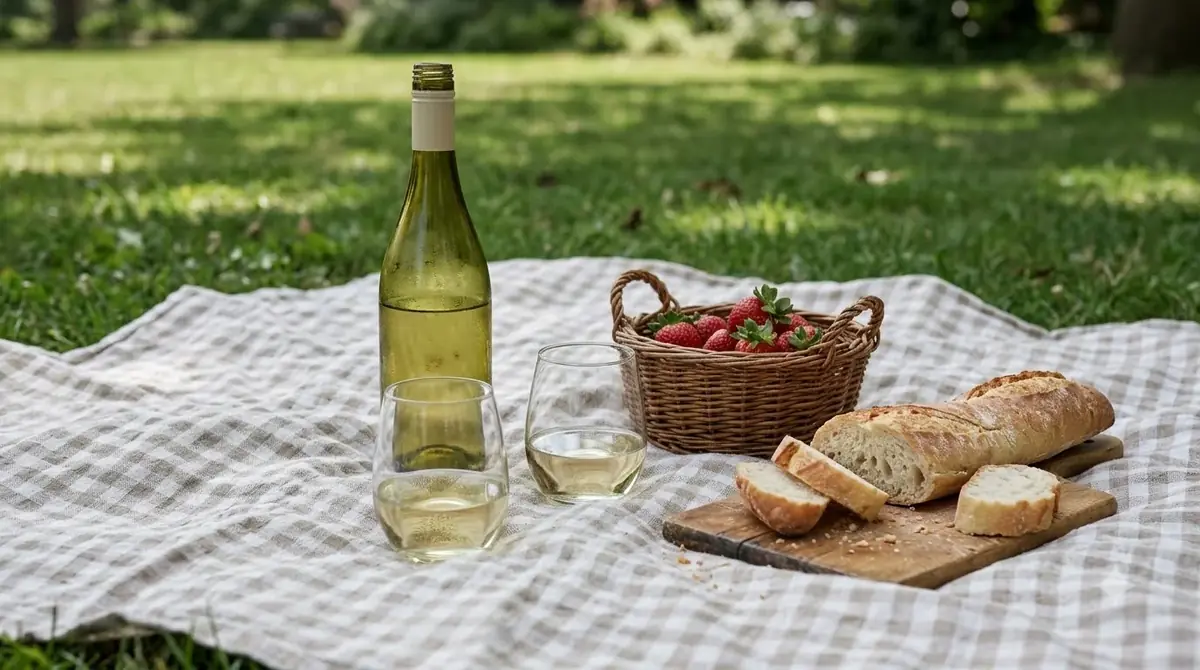
Some retailers also list Alamos Chardonnay, although availability varies. It is the white-wine choice for shoppers pairing with roast poultry, creamy pasta, or richer seafood, not a direct alternative to Malbec. For wider producer context, browse the Wine Brands directory.
Common Mistakes
The most common shopping errors are comparing unlike bottles, treating an online price as a national average, and choosing by grape name without considering the food. A few small checks make the decision more reliable.
Comparing standard Malbec with Selección: These are different bottlings, and Selección sits in a higher price tier. Compare standard Malbec with the same bottling and Selección with the same wine and a comparable vintage; a higher price matters only when that is the bottle you want.
Assuming every listing is local or current: Retail pages may show one city, delivery zone, or store. Inventory can change when a vintage turns over or a location sells through, so confirm the selected store and final checkout total. Also compare vintage with vintage: grape blend, alcohol level, flavor description, and price may shift between releases.
Misreading the style or buying by price alone: Ripe plum and blackberry aromas do not make a dry Malbec sweet; match sweet food with a wine at least as sweet as the dish. Full-bodied reds can seem hot when served too warm, so start around 60–65°F. A small difference between shelf tags matters less than choosing Malbec, Cabernet, or Red Blend that actually fits the food and the guests.
Care or Storage Tips
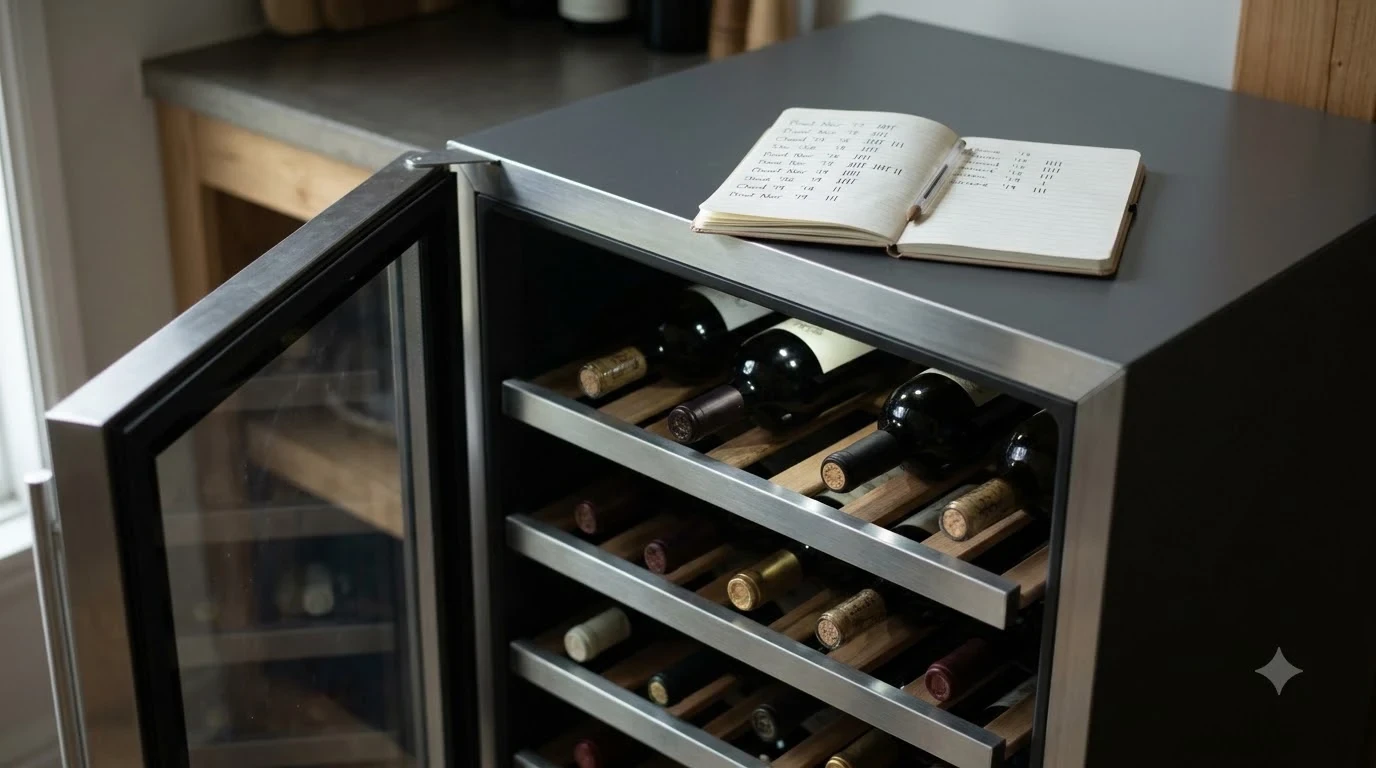
Good storage protects the wine after the purchase and helps an everyday bottle show its intended fruit. Keep unopened bottles away from heat, direct sunlight, and large temperature swings; for longer storage, a cool, dark place near 55°F is a useful target.
Store bottles with natural cork closures on their sides so the cork does not dry out. Keep the wine in a stable location rather than a kitchen counter above an oven or beside a sunny window. A standard refrigerator is colder than an ideal long-term wine-storage space, but it is useful for chilling a bottle before serving and preserving wine after opening.
Tip: Put a bottle of Alamos Malbec in the refrigerator for about 20 minutes before serving if the room is warm. Aim for roughly 60–65°F in the glass; slightly cool red wine usually shows fresher fruit and less obvious alcohol than a warm pour.
A young full-bodied red may benefit from 30–60 minutes of air if it seems closed or firm. Opening it ahead of dinner and pouring a small glass can provide enough aeration; avoid leaving it exposed overnight, since oxygen gradually dulls fresh fruit.
After opening, replace the cork or stopper and refrigerate the bottle. Most still wines are best used within about 3–5 days. Let refrigerated red wine warm slightly in the glass, and discard it if it smells sharply vinegary, stale, or unusually flat.
Frequently Asked Questions
Where are Alamos Malbec grapes grown?
An H-E-B product listing identifies Mendoza’s Uco Valley as the source for its Alamos Malbec. The Uco Valley is a subregion within Mendoza in western Argentina, so the two place names describe different levels of the wine’s origin.
How many servings are in a 750 ml bottle?
A standard 5-ounce pour gives about five glasses from a 750 ml bottle. That is a useful planning amount for a dinner where each of five adults is having one glass, although generous pours reduce the count.
What is 750 ml in U.S. fluid ounces?
A 750 ml bottle contains about 25.4 U.S. fluid ounces. That is three-quarters of a liter, and it is the common full-bottle format used in most U.S. wine-store listings.
Can leftover Alamos Malbec be used in cooking?
Yes, a sound dry red can be used in a pan sauce, marinade, or slow-cooked braise. Add it early enough for the sharp alcoholic aroma to cook off and let the sauce reduce gradually; avoid using wine that smells spoiled or strongly vinegary.
Can I put an unopened bottle in the freezer to chill it quickly?
It is safer not to leave a sealed glass bottle in the freezer because the liquid expands as it freezes and can push out the closure or break the bottle. For a faster chill, use an ice-water bath and turn the bottle occasionally instead of forgetting it in the freezer.
For most shoppers, standard Alamos Malbec is the clearest starting point, with Cabernet Sauvignon and Red Blend offering different food-pairing profiles at a broadly similar everyday retail tier. Use the ranges as a guide, compare the exact bottling at local retailers, and reserve the higher Selección tier for occasions when that specific wine is what you want.
More in Wine Brands
 Louis Latour Wine Price: Compare Bottles by Style and TierUpdated Nov 20, 2026
 Yellow Tail Moscato Price: What to Expect Before You BuyUpdated Nov 20, 2026
 Sutter Home Sweet Red Review: Find the Right Food PairingsUpdated Nov 20, 2026
 Franzia Chillable Red Review: Find the Right Serving StyleUpdated Nov 20, 2026
 Veuve Clicquot Rose Review: Flavor, Food Pairings and Buying AdviceUpdated Nov 20, 2026
 Rombauer Wine Price: Compare Bottles Before You BuyUpdated Nov 20, 2026