

We may earn a commission when you buy through links on this page, at no extra cost to you. Learn more.
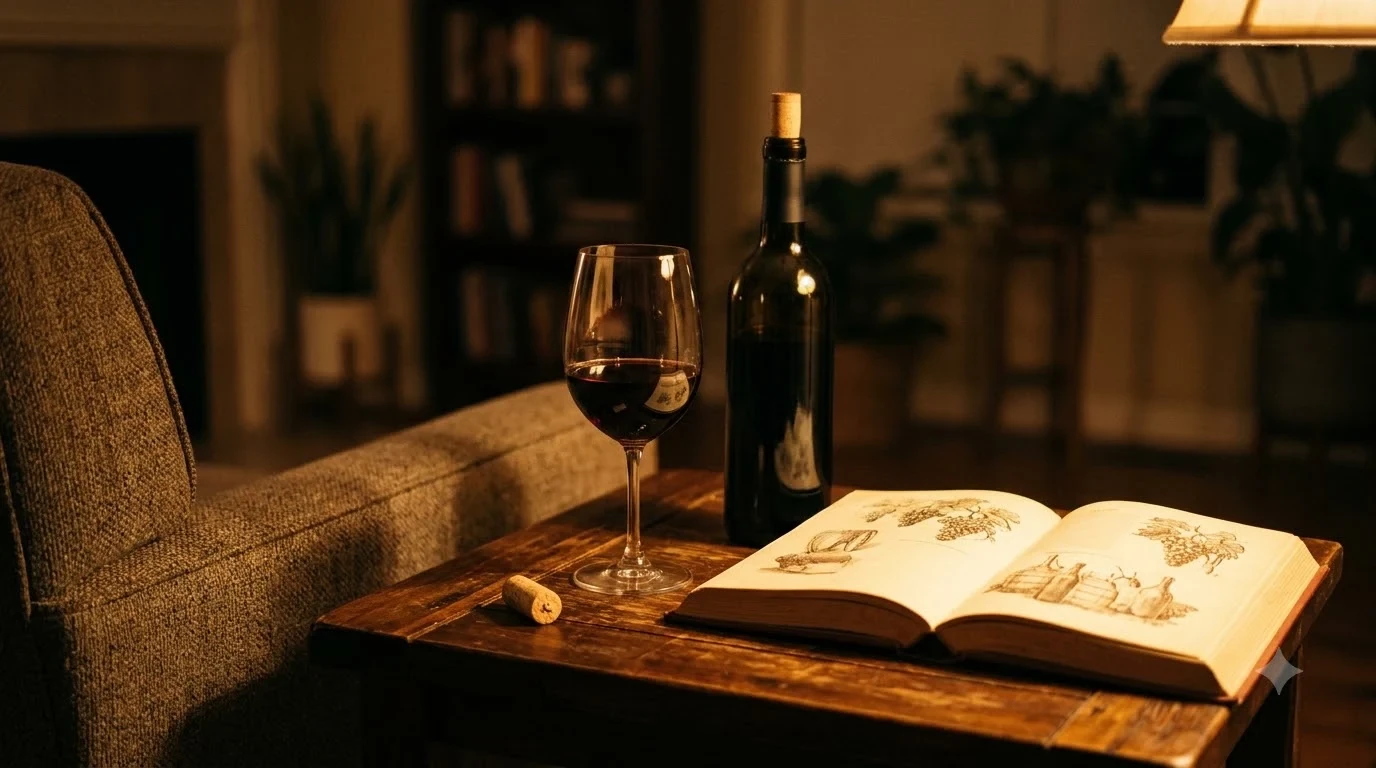
Is malbec sweet or dry? Malbec is a dry red wine. Fermentation turns nearly all of the grape sugar into alcohol, so the bottle holds very little residual sugar. Malbec tastes plush and fruity, with red plum, blackberry, and cocoa, but its body is full and its tannins are moderate. Most people experience it as soft and rounded rather than sweet.
Malbec is one of the best-known red wines in the world, and many drinkers call it smooth or easy-drinking. Those words are often mistaken for sweetness. This guide explains what makes malbec taste dry, why Argentine bottles can seem sweeter than French ones, and how to pick a bottle that suits your taste.
What “dry” means for malbec
In winemaking, a dry wine has little or no residual sugar left after fermentation. Yeast consumes the grape sugar and makes alcohol, and the winemaker decides when to stop the process. Malbec is normally fermented to dryness. Wine Folly’s malbec guide lists it as dry, with full body, medium tannins, and medium-low acidity.
The confusion comes from fruit. Malbec has ripe, juicy flavors, and the texture is often velvety. Those traits can read as sweet to a newcomer. Residual sugar is the only measure that decides dryness, and malbec sits at the dry end of the scale.
Why malbec feels soft and rounded
Malbec has thinner tannins than cabernet sauvignon, and its acidity is lower than the acidity in many Italian reds. Together, those features make the wine feel round and plush. The lower acidity can also make the fruit seem riper, which is why some drinkers describe malbec as sweet even though it is dry.
Oak aging adds to the effect. Many malbecs spend time in barrels, which brings vanilla, cocoa, and toast. Those notes suggest sweetness, but they come from wood flavor rather than sugar. The wine keeps its dry finish, and the oak simply softens the impression of tannin.
Argentine malbec compared with French malbec
Argentina is the main home of malbec today. The Wikipedia article on the grape notes that it is the most widely planted red variety in the country, with Mendoza as the leading region. Vineyards also sit in La Rioja, Salta, and San Juan. The wines tend to show deep color, intense fruit, and a velvety texture.
The grape’s historic home is Cahors in southwest France, where the wines are darker and more tannic. Argentine malbec is generally softer and plusher, with juicy fruit and violet aromas. If you find a French malbec firm and a Mendoza bottle silky, that difference is normal, and both are dry.
Flavor and texture you can expect
Wine Folly’s malbec profile lists red plum, blackberry, vanilla, sweet tobacco, and cocoa. The fruit is generous, but the finish is dry, with moderate grip and a touch of spice. Younger bottles show more fresh fruit, while older ones develop savory notes.
Alcohol is usually high, often between about 13.5 and 15 percent by volume. That warmth can add to the sense of richness. A malbec with plenty of alcohol can taste fuller and more round, which is another reason people link it with sweetness.

| Style | Typical flavors | Body and tannin | Sweetness |
|---|---|---|---|
| Argentine malbec | Blackberry, plum, violet | Full body, soft tannin | Dry |
| French malbec from Cahors | Dark fruit, earth, smoke | Full body, firmer tannin | Dry |
| Oak-aged malbec | Vanilla, cocoa, toast | Full body, rounded | Dry |
| Young fruity malbec | Red plum, cherry, fresh berry | Medium body, light tannin | Dry |
How to serve malbec
Serve malbec at about 60 to 68 degrees Fahrenheit, or 15 to 20 degrees Celsius. That range keeps the fruit clear and stops the wine from tasting heavy. A very warm glass can seem sweet and alcoholic, so take the bottle out of a hot room a few minutes before pouring.
Decanting helps younger bottles. Wine Folly suggests decanting malbec for about 30 minutes. Air softens the tannin and lets the aromas open. Older bottles with sediment should be poured gently and need less air. A large glass gives the plum and cocoa notes room to show.
Foods that pair well with malbec
Malbec is one of the classic partners for grilled beef, especially steak cooked over wood or charcoal. The tannin and fat balance well, and the fruit adds warmth to the char. Roast lamb, mushroom dishes, and aged cheeses are also good matches.
For lighter meals, try a younger, fruitier malbec with roasted chicken, pork tenderloin, or a tomato-based pasta. Avoid pairing it with very sweet desserts, since the sugar can make the wine taste thin and bitter. Chocolate desserts with a dark cocoa profile are the exception and can work well when the chocolate is not too sweet.
How to choose a dry-tasting malbec
If you want a malbec that feels drier and firmer, look for a bottle from a cooler site or a producer who describes the wine as structured. Labels that mention Cahors or French malbec often signal more tannin. For a softer, fruit-forward bottle, Mendoza malbecs are a common choice.
Price and label words do not show sugar content. The most reliable check is the producer’s own tasting note, which usually says whether the wine is dry. You can also taste the finish: a dry malbec leaves a slightly savory, grippy edge, while a wine with residual sugar tends to coat the mouth.
Malbec in the context of other reds
Malbec sits between cabernet sauvignon and softer, lighter reds on the dryness scale. Cabernet is firmer and more tannic, while malbec is plusher. Italian reds such as chianti tend to show more acidity. If you are comparing styles, the pages on is cabernet sauvignon sweet or dry and is chianti sweet or dry explain how each one tastes.
Common myths about malbec
One myth is that all malbec is inky and heavy. Argentine bottles from cooler, higher vineyards can be lighter and brighter, and the category covers a wide range. Another myth is that malbec is always a budget wine. Some producers make serious, age-worthy bottles that show real depth of dark fruit and spice.
A third myth is that a smooth wine must be sweet. Soft tannin and ripe fruit can make any dry wine feel easy to drink. When you taste malbec, check the finish rather than the first impression. A dry malbec ends with a light savory grip, not a sugary coating on the lips.
Finally, people sometimes assume that a bottle labeled with a sweet-sounding tasting note must have sugar added. Producers do sometimes describe a wine as rich or generous, but in standard dry malbec those words refer to fruit and body. Only dessert or fortified styles are made to keep sugar on purpose.
Frequently Asked Questions
Is malbec a sweet wine?
No. Malbec is a dry red. It is fermented to dryness and has very little residual sugar, though its fruit can taste ripe and soft.
Why does malbec taste sweet to some people?
Ripe plum and blackberry flavors, velvety texture, low acidity, and oak aging can all make the wine seem sweeter. The sweetness is a flavor impression, not sugar left in the bottle.
Is Argentine malbec drier than French malbec?
Both are dry. Argentine malbec usually tastes softer and fruitier, while French malbec from Cahors tends to have firmer tannin and more earthy notes.
What temperature should malbec be served at?
Serve malbec at about 60 to 68 degrees Fahrenheit. Decant younger bottles for around 30 minutes to soften the tannin.
Malbec is a dry, plush red with plum and cocoa notes. Its softness comes from fruit, oak, and alcohol rather than sugar. To see how it compares with other popular reds, start with our guide to Wine by Type.
More in Wine Types & Grapes
 Zinfandel Sugar Content: Dry Red vs. White Zinfandel GramsUpdated Nov 21, 2026
 Best Zinfandel Substitute Options for Sipping and CookingUpdated Nov 21, 2026
 Zweigelt Food Pairing: Best Dishes, Cheeses, and Serving TipsUpdated Nov 21, 2026
 Zinfandel Tannins Explained: How Structure Shapes Every BottleUpdated Nov 21, 2026
 Zinfandel Sweetness Level: Dry Red vs. Sweet White Zin ExplainedUpdated Nov 21, 2026
 Xinomavro Food Pairing: Best Dishes, Styles, and Serving TipsUpdated Nov 21, 2026