


We may earn a commission when you buy through links on this page, at no extra cost to you. Learn more.
The best pinot grigio under 20 is a crisp, refreshing bottle from a reputable producer that balances bright acidity, clean fruit flavors, and a dry finish. Italian examples from Delle Venezie, Veneto, and Friuli are reliable starting points, while California and Oregon offer appealing alternatives with riper fruit and sometimes more texture. The right choice depends on whether you prefer sharp citrus, fresh orchard fruit, or a slightly rounder white wine.
Finding an enjoyable Pinot Grigio does not require choosing an expensive bottle or knowing every Italian wine region. The grape produces approachable wines at different levels of intensity, from light, uncomplicated refreshment to more expressive examples with mineral character and a longer finish. Understanding regional styles, production methods, and a few label details makes it easier to spend wisely and find a bottle that suits dinner, entertaining, or a casual glass.
Who This Is For
An affordable Pinot Grigio is particularly suitable for drinkers who enjoy dry white wine with refreshing acidity, modest body, and recognizable fruit flavors. It is also a practical choice for people who want a versatile bottle that can move from an afternoon aperitif to a seafood dinner without requiring elaborate food preparation.
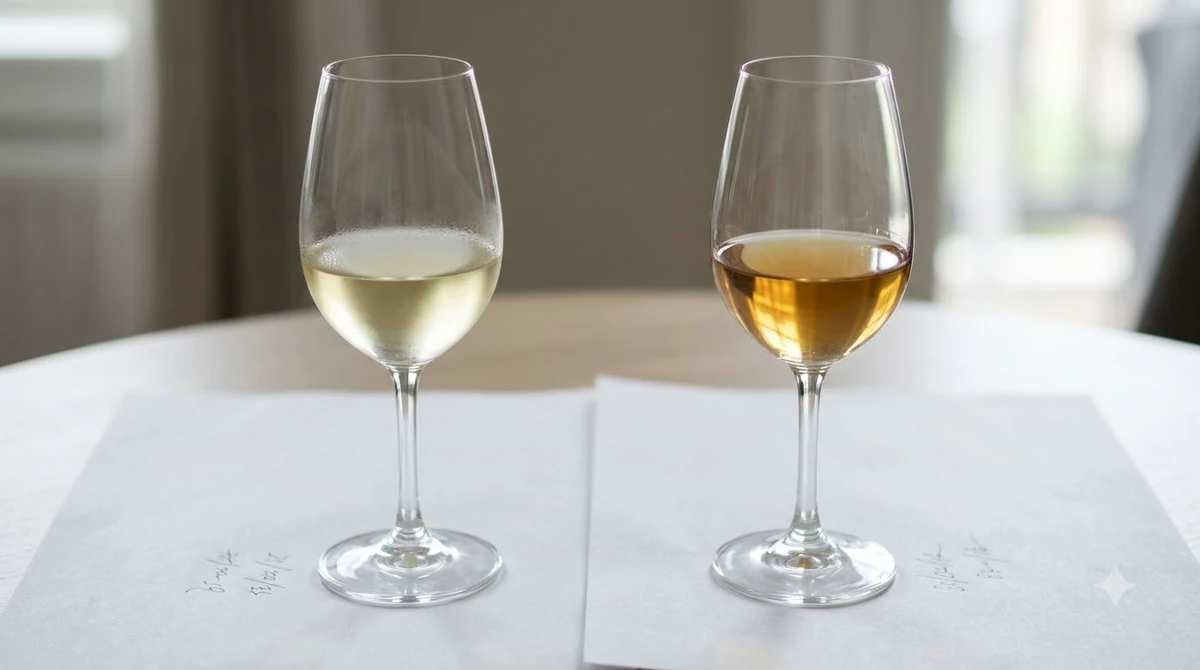
Casual white wine drinkers: If Sauvignon Blanc sometimes tastes too aggressively herbal or Chardonnay feels too rich, Pinot Grigio can offer a comfortable middle ground. Most examples emphasize lemon, green apple, pear, or melon rather than heavy oak, buttery textures, or pronounced tropical sweetness. Their relatively light body also makes them approachable for people who prefer uncomplicated white wines.
Shoppers building an everyday wine selection: Pinot Grigio works particularly well as a refrigerator staple. Its refreshing profile complements weeknight meals such as grilled chicken, shrimp, vegetable pasta, and simple salads. A dependable bottle can serve several purposes without requiring a separate wine for every occasion.
Hosts planning informal gatherings: The grape’s familiar flavor profile makes it an accessible option when guests have different wine preferences. A crisp Italian example can work as a welcome drink, while a fruitier California or Oregon Pinot Gris may appeal to guests who prefer softer, rounder white wines.
Food-focused drinkers: High acidity helps Pinot Grigio refresh the palate between bites of seafood, fried appetizers, and dishes containing fresh herbs. It can also complement mild cheeses and lighter poultry dishes without overpowering their flavors.
However, Pinot Grigio is not automatically the right selection for every occasion. People seeking a powerful, oak-aged white wine may prefer a fuller Chardonnay. Drinkers who want a distinctly aromatic wine with pronounced floral and herbal notes may prefer Sauvignon Blanc or Riesling. Pinot Grigio’s appeal is its balance of freshness, moderate intensity, and versatility rather than sheer concentration.
Key Factors to Compare
When comparing affordable bottles, prioritize regional origin, acidity, fruit profile, body, and production style rather than assuming that a familiar label guarantees quality. These characteristics provide a more useful indication of what the wine will taste like and how well it will fit a particular meal.
| Buying factor | What to look for | What it usually means |
|---|---|---|
| Country | Italy, United States, France | Different regional traditions and flavor profiles |
| Italian region | Alto Adige, Friuli, Veneto | Different combinations of freshness, texture, and fruit |
| Body | Light to medium | Easy-drinking texture with moderate weight |
| Acidity | Medium to high | Refreshing finish and food-friendly structure |
| Common fruit | Lemon, apple, pear, peach | Fresh, approachable white wine flavors |
| Winemaking | Stainless steel fermentation | Preservation of fresh fruit and acidity |
| Serving temperature | 45–50°F | Fresh aromas and balanced refreshment |
| Bottle size | 750 ml | Approximately five standard 5-ounce pours |
1. Regional origin
Italy is the traditional starting point for shoppers looking for classic Pinot Grigio. Its northeastern wine regions are particularly important, with Veneto, Friuli-Venezia Giulia, Trentino, and Alto Adige offering different interpretations of the grape.
Delle Venezie is a useful place to begin if the goal is straightforward, refreshing white wine. Its approachable citrus character and lighter structure suit people who want an easy glass without excessive richness. Veneto also supplies familiar, uncomplicated expressions that work well with casual meals.
Friuli-Venezia Giulia deserves attention when a little more aromatic detail and texture are desirable. Alto Adige is another interesting option, particularly for drinkers who enjoy mineral impressions, lively acidity, and a more structured palate. Wine Enthusiast’s regional discussion identifies the mountain vineyards of Alto Adige as an important source of concentrated, elegantly structured Pinot Grigio.
2. Acidity and body
Acidity is one of the most important characteristics of Pinot Grigio. A wine with lively acidity feels refreshing and can balance rich or salty foods. A softer example may seem rounder and more fruit-forward, making it suitable for people who do not enjoy particularly sharp white wines.
Body describes the weight of the wine in the mouth. Classic Italian Pinot Grigio is generally light-bodied, while some American Pinot Gris examples have a medium-bodied profile with additional texture. Neither style is inherently superior. The better choice depends on the meal and personal preference.
3. Fruit and finish
Look for familiar descriptions such as lemon, lime, green apple, pear, peach, and melon. These flavors are useful indicators of style, although individual wines will differ according to climate, ripeness, and winemaking decisions.
The finish matters too. A clean, refreshing finish makes a wine suitable for another sip or a bite of food. A lingering mineral impression or subtle almond character can add interest without making an inexpensive bottle feel heavy.
4. Production method
Stainless steel is common in Pinot Grigio production because it preserves fresh fruit character and acidity. Most classic examples are not intended to deliver the vanilla, toast, or buttery flavors associated with oak-influenced Chardonnay.
For an everyday bottle, a clean stainless-steel style is often a sensible choice. More ambitious Pinot Gris wines can use different maturation techniques to develop texture and complexity, but additional richness is not automatically an advantage if the goal is a light, refreshing white.
Tip: Start with the region and desired flavor profile rather than choosing a bottle solely because its label says Pinot Grigio. A Delle Venezie wine is a sensible starting point for crisp citrus freshness, while Alto Adige and Oregon can offer additional texture and character.
Step-by-Step: How to Choose a Bottle
A simple shopping process helps narrow the selection without relying on expensive labels or complicated wine terminology. Start with the style you enjoy, then use regional information and practical label details to make the final decision.
-
Decide how dry you want the wine.
Most classic Italian Pinot Grigio is dry, with citrus flavors and refreshing acidity. If you prefer a rounder or slightly softer impression, explore fruit-forward American Pinot Gris. If sweetness is a priority, learn more about sweet Pinot Grigio before choosing.
-
Choose a regional direction.
Begin with Delle Venezie or Veneto for lighter, uncomplicated Italian wine. Explore Friuli-Venezia Giulia or Alto Adige if you want additional aromatic complexity and texture. Consider California or Oregon if you prefer a fruitier expression.
-
Read the grape and region information.
Look for Pinot Grigio or Pinot Gris as the main variety. Some American producers use Pinot Gris to communicate a fuller style, although this is a convention rather than a strict rule. Regional information can provide more clues about the wine than the grape name alone.
-
Consider the occasion.
A light, crisp bottle is useful for an aperitif, seafood lunch, or casual gathering. A more textured Pinot Gris may be better suited to roasted chicken, creamy vegetable dishes, or a substantial fish dinner.
-
Check the producer’s reputation.
Look for established wineries and producers with clear regional identities. Consistent production, informative descriptions, and recognizable appellations can help narrow the selection. Browsing the best Pinot Grigio brands is another useful way to identify producers worth considering.
-
Compare the actual wine characteristics.
Descriptions such as crisp, citrus-driven, mineral, floral, and dry provide useful clues. Words such as ripe peach, melon, and tropical fruit may suggest a softer or more expressive profile. Choose according to your preferences instead of assuming that the most elaborate description means the best wine.
-
Think about food compatibility.
For seafood, salads, and light appetizers, prioritize freshness and acidity. For roasted poultry, grilled vegetables, and richer dishes, consider a medium-bodied example with additional texture.
-
Plan how you will serve it.
Chill the bottle before opening and prepare suitable white wine glasses. A 750 ml bottle provides approximately five standard 5-ounce servings, making it a practical size for a small dinner or informal gathering.
This process also helps avoid an unnecessarily narrow definition of value. A bottle that matches the intended meal and drinking occasion is more useful than one selected simply because it has an impressive-sounding description.
Types and Styles Explained
Pinot Grigio is not a single fixed flavor profile. Climate, geography, harvest decisions, and cellar practices can produce wines ranging from light and sharply refreshing to rounded and textured.
Italian Pinot Grigio
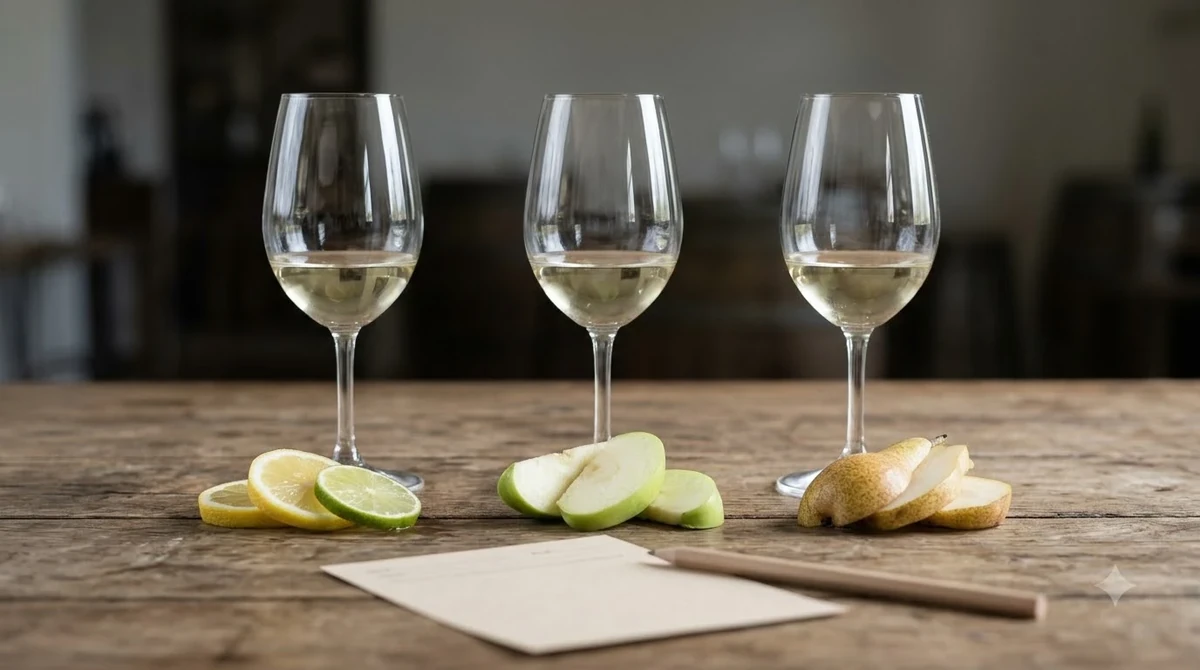
Italian Pinot Grigio is the classic choice for people who want a crisp, dry white wine. It commonly features lemon, lime, green apple, and mineral notes, supported by refreshing acidity and relatively light body.
Within Italy, regional differences matter. Delle Venezie is often associated with easy-drinking citrus character, while Veneto supplies approachable styles that suit casual meals. Friuli-Venezia Giulia can deliver more aromatic intensity, and Alto Adige is known for expressions that combine freshness with additional structure.
Alto Adige deserves particular consideration for shoppers who want something more expressive. Wine Folly’s Alto Adige Pinot Grigio guide describes regional examples with ripe peach, nectarine, lemon peel, honeysuckle, ginger, and clove characteristics. These wines can also show a saline impression and a textured palate.
California Pinot Grigio
California offers a different approach, often emphasizing ripe fruit and a softer overall impression. Honeydew melon, cantaloupe, white peach, citrus, and floral notes are common descriptions associated with the style.
This makes California a useful option for people who find some Italian examples too sharp or austere. Its fruit-forward character can work particularly well with grilled shrimp, chicken salads, mild cheeses, and vegetable appetizers.
California wines can vary considerably because the state’s growing conditions and producers are diverse. A cooler-climate expression may retain considerable freshness, while a riper example may feel rounder and more generous.
Oregon Pinot Gris
Oregon often uses the name Pinot Gris for wines made from the same grape. The Willamette Valley is particularly relevant for shoppers who want fruit character combined with refreshing acidity and more noticeable texture.
Common descriptions include pear, peach, lemon, citrus, and floral notes. Some wines also have a mineral character or a slightly broader palate than a simple, light-bodied Italian Pinot Grigio.
Oregon is worth exploring when the intended meal includes roasted chicken, grilled vegetables, mild cheeses, or seafood with a little more richness. Its Pinot Gris styles can bridge the gap between crisp Italian wine and fuller white wine expressions.
French Pinot Gris
In France, the grape is generally known as Pinot Gris, particularly in Alsace. These wines can be fuller-bodied and more aromatic than the light Italian style. Depending on harvest conditions and winemaking, they may range from completely dry to noticeably sweet.
Ripe stone fruit, honey, ginger, and richer fruit characteristics can appear in Alsatian examples. Some are excellent with substantial dishes, while sweeter bottlings are better suited to meals that can accommodate their residual sweetness.
For shoppers primarily seeking a classic dry Pinot Grigio, Italian examples are the simplest starting point. However, exploring French Pinot Gris can be rewarding when a more substantial white wine is preferred.
How Pinot Grigio and Pinot Gris differ
The names refer to the same grape, not two unrelated varieties. The difference is often associated with regional tradition and the style a producer wants to communicate.
Italian Pinot Grigio commonly emphasizes crispness, citrus, and a lighter body. French Pinot Gris, particularly from Alsace, can show greater richness, fuller texture, and sometimes sweetness. American producers use both names, with Pinot Gris frequently associated with fruitier or more textured wines.
These are general tendencies rather than universal rules. A dry American Pinot Gris can be very refreshing, and an Italian Pinot Grigio can have substantial texture. For additional guidance on choosing a particular sweetness level, compare the characteristics of dry Pinot Grigio.
Common Mistakes When Buying Pinot Grigio
Many disappointing purchases happen because shoppers assume that all Pinot Grigio tastes alike or that a familiar label guarantees a particular style. Understanding a few common misconceptions makes it easier to choose a bottle that actually matches expectations.
Assuming every bottle is extremely light
Light body is common, but it is not the only possibility. Alto Adige examples can have considerable texture and structure, while Oregon Pinot Gris may show a broader palate and more pronounced orchard fruit. A drinker who dismisses the grape as simple may be overlooking these more expressive styles.
Confusing fruitiness with sweetness
A wine that smells of peach, melon, or ripe pear is not necessarily sweet. Fruit aromas and residual sugar are different characteristics. Many fruity Pinot Grigios remain completely dry, with acidity providing the refreshing finish.
For example, a California Pinot Grigio may smell distinctly of melon and white peach while still tasting dry. Someone looking for a genuinely sweet wine should investigate sweetness information rather than relying only on tasting descriptions.
Choosing solely by the country
Italy is an excellent starting point, but not every Italian bottle will match every preference. A simple Veneto wine and a structured Alto Adige example can feel quite different despite sharing the same grape and country.
Likewise, American Pinot Gris should not automatically be considered inferior or excessively fruity. California and Oregon producers make distinctive wines that can suit different meals and preferences.
Ignoring acidity when planning dinner
Acidity affects how a wine works with food. Pinot Grigio’s refreshing structure makes it particularly useful with shellfish, salads, and fried appetizers. However, an acidic wine can taste unbalanced beside a dish that is exceptionally sweet or lacks enough flavor intensity.
Tomato-based pasta and citrus-heavy seafood dishes can be good partners because their acidity and freshness complement the wine. Rich sauces may call for a fuller, more textured example instead of the lightest style available.
Expecting oak flavors
Classic Pinot Grigio is generally not made to imitate heavily oaked Chardonnay. Stainless-steel fermentation helps preserve fruit and freshness rather than adding pronounced vanilla, toast, or coconut characteristics.
Shoppers who want a creamy white wine with substantial oak influence should consider another variety. Pinot Grigio is better understood as a freshness-oriented wine, even when certain examples offer extra body.
Serving the wine too cold
Putting a bottle in the coldest part of the refrigerator or serving it directly from an ice bucket for an extended period can suppress aromas. Excessive chilling can make delicate fruit and floral characteristics harder to appreciate.
A chilled but not icy glass is a better starting point. The wine can gradually warm during the meal, allowing its aromas and texture to become more noticeable.
Care, Serving, and Storage Tips
Proper handling makes an affordable Pinot Grigio more enjoyable without requiring specialized equipment. Temperature, glassware, storage conditions, and how quickly the bottle is consumed all influence the drinking experience.
Serve at the right temperature
Light-bodied white wines are generally best served between 45°F and 50°F. This temperature range keeps Pinot Grigio refreshing while allowing citrus, apple, pear, and floral aromas to remain noticeable.
For a simple preparation routine, refrigerate the bottle in advance and remove it shortly before serving. Total Wine & More recommends serving Pinot Grigio within a broader white-wine range of 45°F to 55°F and removing refrigerated wine approximately 20 minutes before drinking.
A wine thermometer is useful but not essential. The main goal is to avoid serving the bottle so cold that the fruit disappears or so warm that the wine loses its refreshing character.
Choose appropriate glassware
A standard white wine glass with a moderately narrow bowl is suitable for most Pinot Grigio. It allows the aromas to collect while keeping the wine cool during service.
There is no need to purchase specialized glassware for everyday drinking. A clean, clear wine glass is sufficient, and smaller pours help maintain a refreshing temperature.
Store unopened bottles correctly
Keep unopened bottles away from direct sunlight, strong heat, and major temperature changes. A cool storage environment around 55°F is a useful general target for longer-term wine storage.
Bottles with traditional cork closures are generally stored on their sides for longer-term storage to help keep the cork from drying out. Screw-cap bottles do not require horizontal storage, although keeping them in a stable, cool location remains important.
Most inexpensive Pinot Grigio is intended for relatively early consumption rather than extended cellaring. Buying it for near-term enjoyment is generally more sensible than keeping everyday bottles for several years.
Keep opened wine fresh
After opening, reseal the bottle promptly and place it in the refrigerator. A wine stopper can reduce exposure to oxygen and help preserve the remaining wine’s freshness.
Most opened still white wines remain enjoyable for approximately 3 to 5 days when refrigerated and properly sealed. The exact period depends on the wine’s condition and storage, so check for fading fruit, unusual oxidation, or an unpleasant smell before pouring another glass.
Pair it with food thoughtfully
Pinot Grigio’s freshness works especially well with lighter dishes. Shrimp, scallops, grilled fish, oysters, fried calamari, fresh salads, and mild cheeses are all useful pairing choices.
For Italian-inspired meals, consider Caprese salad, antipasto, vegetable pasta, or seafood risotto. Fresh tomatoes, basil, olive oil, and mild cheeses can complement the wine without overwhelming its delicate fruit.
More textured Alto Adige Pinot Grigio can handle dishes with greater substance. Roasted chicken, grilled octopus, roasted squash, and mushroom dishes are particularly interesting options. The additional weight of these wines makes them more suitable for foods that would overwhelm a very light white wine.
Keep spice and sweetness in mind. Very hot chili dishes can make alcohol and tannin seem more pronounced, while very sweet food can make a dry wine taste sharper. For dessert, choose a wine at least as sweet as the dish rather than expecting dry Pinot Grigio to provide a balanced finish.
Frequently Asked Questions
Is Pinot Grigio made from a white grape?
Pinot Grigio is made from a grape with naturally grayish-blue to pinkish-gray skins rather than the greenish skins associated with many white wine varieties. The finished wine is usually pale because the juice is separated from the skins relatively early. Extended skin contact can produce a deeper color and additional texture.
Does Pinot Grigio contain sulfites?
Most commercial wines contain naturally occurring sulfites, and winemakers may also use sulfur dioxide during production to help protect the wine. The amount varies between bottles and production methods. Sulfites are a normal consideration in wine production rather than a characteristic unique to Pinot Grigio.
Can Pinot Grigio be made into sparkling wine?
Yes. Although most Pinot Grigio sold as everyday table wine is still wine, the grape can also be used in sparkling wine production. The resulting wine may have bubbles and a different texture from the familiar still Italian style.
Why does some Pinot Grigio look slightly pink or copper?
The grape naturally has pigmented skins, which can influence the wine’s color when the juice spends additional time in contact with them. A copper or blush appearance does not necessarily mean that the wine is rosé or that something has gone wrong. The production method determines how much color transfers into the finished wine.
Can Pinot Grigio be used for cooking?
Yes. Dry Pinot Grigio can be used in seafood sauces, risotto, and dishes that benefit from a little acidity. Its relatively restrained flavor makes it useful when the recipe needs wine without a strong oak or buttery character. Avoid using a bottle that has developed unpleasant oxidation or other signs of spoilage.
The best pinot grigio under 20 is ultimately the bottle that matches your preferred balance of freshness, fruit, and texture. Start with crisp Italian examples for classic citrus character, then explore California and Oregon for softer fruit and additional body. With the right regional choice, sensible serving temperature, and complementary food, an affordable Pinot Grigio can be an excellent everyday white wine.
More in Wine Buying Guides
 Cheap Red Blend: How to Find a Flavorful Bottle for LessUpdated Nov 20, 2026
 Pinot Grigio Gift: How to Choose a Bottle They’ll EnjoyUpdated Nov 20, 2026
 Best White Wine at Total Wine for Every MealUpdated Nov 20, 2026
 Wine Fridge Replacement Shelves: Find the Right FitUpdated Nov 20, 2026
 Best Sparkling Wine Under 20: Find Bubbles Worth BuyingUpdated Nov 20, 2026
 Best Wine For Birthday Celebrations With Perfect Party PairingsUpdated Nov 20, 2026