


We may earn a commission when you buy through links on this page, at no extra cost to you. Learn more.
The Nachtmann decanter is a stylish crystal wine-serving option, with the 750 ml Vivendi model offering a practical capacity for a standard wine bottle and a wide bowl designed to encourage aeration. Its clear crystal construction, contemporary silhouette, and dishwasher-safe specification make it appealing for both entertaining and regular use. However, owner feedback raises some questions about handling, pouring, and long-term durability, so choosing the right design matters as much as appearance.
Nachtmann makes several decanter styles, ranging from understated wine-serving designs to decorative crystal pieces intended for a home bar. The Vivendi is particularly relevant to wine drinkers because it accommodates a full standard bottle, while collections such as Noblesse, Highland, and Punk offer different approaches to presentation. This review examines the Vivendi as the main wine decanter, considers feedback from owners, and explains what to look for before choosing a Nachtmann piece.
Specs and Key Features of the Nachtmann Vivendi Decanter
The Vivendi is a straightforward 750 ml crystal decanter designed around clear presentation, a generous bowl, and everyday serving functionality. Its modern shape is intended to let wine breathe while giving the bottle’s contents room to move during pouring.

According to Nachtmann’s product specifications, the Vivendi is machine-made from clear crystal glass and measures approximately 9.055 inches high, with a maximum diameter of 7.874 inches. Its capacity is 750 ml, making it suitable for transferring the contents of a standard wine bottle without needing to divide the wine between multiple vessels. The wide proportions also give the wine a substantial surface area in contact with air.
One useful distinction is that this is a wine-serving decanter rather than simply a decorative bottle. The manufacturer describes its decanter designs as having balanced proportions intended to support gentle aeration and controlled pouring. Yuppiechef also identifies the Vivendi’s broad bowl as a feature that increases the surface area exposed to air. These characteristics make the shape relevant to drinkers who regularly serve young red wines, although the actual aeration effect depends on the wine and how much time it spends in the vessel.
The product is listed as dishwasher safe by the manufacturer. That is a practical advantage for a relatively large piece of crystal, although dishwasher suitability does not mean that careless loading or contact with other glassware is harmless. Nachtmann also warns that the glass can break if dropped or tipped over.
| Specification | Nachtmann Vivendi |
|---|---|
| Product type | Wine decanter |
| Collection | Vivendi |
| Capacity | 750 ml / approximately 25.4 US fl oz |
| Exterior height | 9.055 inches |
| Maximum diameter | 7.874 inches |
| Material | Clear crystal glass |
| Manufacturing method | Machine-made |
| Packaging | One piece |
| Dishwasher suitability | Listed as dishwasher safe |
Another important consideration is the material. Nachtmann describes its crystal glass as a brilliant, clear material that does not use lead oxide as a principal ingredient. This makes its crystal suitable for shoppers who want the appearance of traditional crystal without seeking lead-containing glassware. The manufacturer’s material description is more useful than assuming that every product marketed as crystal has the same composition.
The Vivendi’s design is relatively restrained compared with heavily cut crystal barware. There are no elaborate decorative facets competing with the wine’s color. That simplicity is particularly attractive when serving deep-colored Cabernet Sauvignon, garnet Pinot Noir, or a mature red whose appearance is part of the presentation.
For a closer look at the manufacturer’s description and specifications, see the official Nachtmann Vivendi product page.
For shoppers comparing the decanter with other tableware, the brand’s broader Glassware Brands category provides a useful starting point for understanding different glassware designs and serving styles.
What Owners Like About Nachtmann Decanters
Available owner feedback points to appearance and presentation as the clearest strengths of the Vivendi. Buyers who appreciate clean crystal lines and an attractive serving piece are likely to find its understated design appealing.
Yuppiechef’s published feedback includes a positive owner comment describing the Vivendi as elegant and praising the way its curved shape presents and pours wine. Another owner appreciated its appearance as a gift. These comments suggest that visual presentation is a meaningful part of the product’s appeal, particularly for people purchasing a decanter for entertaining or special occasions.
The wide bowl is another practical attraction. A decanter needs sufficient space for wine to spread out if the purpose is to increase its contact with air. A narrow bottle-shaped vessel can look attractive, but it generally offers less exposed surface area than a broad-bowled design holding the same quantity. The Vivendi’s proportions make it more suitable for this purpose than a conventional narrow-necked serving bottle.
For red wine drinkers, the design can be especially useful when serving young, structured wines. Cabernet Sauvignon, Syrah, and some young Bordeaux blends can benefit from exposure to air before serving. A decanter provides a convenient place to transfer the wine and allow it to open before guests receive their glasses.
It is important, though, to distinguish aeration from guaranteed improvement. Decanting does not automatically make every bottle taste better. Some delicate older wines may lose their most appealing aromatic characteristics if exposed to too much air for too long. The Vivendi is a useful serving tool, but the wine itself should determine how long it remains in the vessel.
Another advantage is the standard-bottle capacity. A 750 ml vessel means most conventional wine bottles can be transferred in one operation. This is simpler than using a smaller decanter that requires splitting a bottle or a much larger vessel that takes up unnecessary table space.
Its clear appearance also makes it adaptable to different table settings. Unlike colored or strongly patterned glass, transparent crystal does not impose a particular decorative style. It can sit alongside traditional dinnerware, contemporary table settings, or a collection of simpler stemware without looking out of place.
The machine-made construction may also appeal to buyers who prefer consistent proportions rather than the irregular characteristics sometimes associated with handmade glassware. It gives the decanter a more standardized appearance and makes replacement shopping easier when the product remains available.
For someone building a coordinated serving collection, the Vivendi design is also relatively easy to pair with simple wine glasses. Shoppers who want to compare different bowl shapes and drinking vessels can consult our guide to wine glasses before choosing matching tableware.
Common Complaints and Practical Limitations
The main concerns surrounding the Vivendi are its glass fragility and the possibility that its shape may not suit every pouring preference. The available owner feedback is limited, but it provides useful reminders about the practical demands of handling a large crystal decanter.
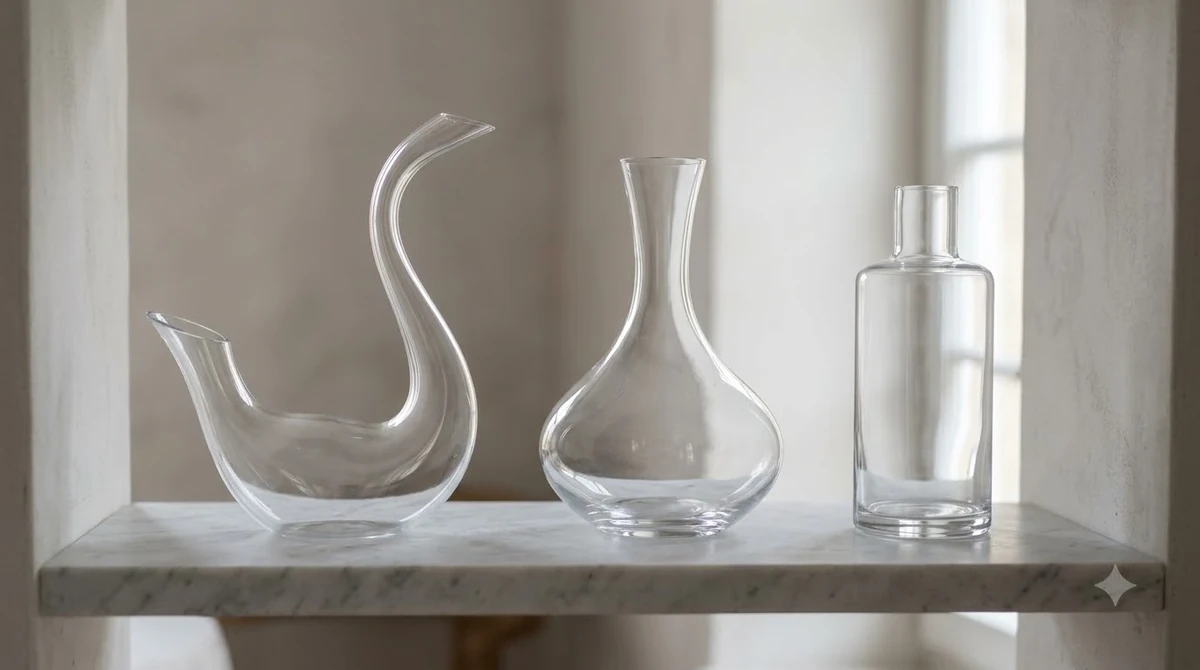
One Yuppiechef owner reported that the rounded bottom edge cracked after use and described the glass as thin. The same reviewer also found that emptying the decanter completely was inconvenient because it needed to be tilted substantially. This is a specific individual experience rather than proof of a widespread manufacturing defect, but it identifies two reasonable points to consider before purchasing.
The first issue is the balance between visual refinement and durability. Crystal glass can look brilliant and elegant, but it is still glass. A large vessel is more difficult to handle than an ordinary drinking glass because its weight and dimensions change as wine is poured into it. Carrying it by the neck, knocking its base against a countertop, or placing it too close to the edge of a table can create unnecessary risks.
The second issue concerns pouring mechanics. A broad bowl may give wine room to breathe, but it can also make a decanter less convenient to empty than a narrower vessel. The shape of the neck, the angle of the shoulder, and the relationship between the bowl and opening all affect how smoothly wine leaves the vessel.
These practical characteristics matter most when the decanter contains only a small amount of wine. A full vessel may pour differently from one holding the final glass. Someone who frequently serves small quantities should consider whether the shape allows a comfortable grip and predictable movement throughout the pouring process.
There is also a storage consideration. At approximately 9 inches tall and almost 8 inches across at its widest point, the Vivendi needs more cabinet and shelf space than a compact carafe. Buyers with narrow cupboards should measure their available storage area before purchasing.
Another potential drawback is the need to clean a wide vessel thoroughly after use. Wine residue can remain around the bottom and curved interior, particularly if the decanter is left standing overnight. A wide opening makes access easier than a very narrow-necked bottle, but it does not eliminate the need for careful rinsing and drying.
Owner comments should be interpreted proportionately. The published Yuppiechef feedback contains both enthusiastic and critical experiences, but the number of comments is too small to establish a reliable failure rate or a representative picture of long-term ownership. The useful takeaway is not that the Vivendi is inherently fragile, but that buyers should treat it as delicate crystal and consider pouring convenience alongside appearance.
Those who want a more decorative alternative may prefer the faceted look of Noblesse or the sculptural design of Punk. However, a more substantial visual appearance should not automatically be interpreted as greater resistance to accidental damage.
Who Should Buy the Nachtmann Vivendi and Who Should Skip It
The Vivendi is best suited to wine drinkers who want a clear crystal vessel for serving a standard bottle and appreciate an understated design. It is less suitable for people who prioritize rough everyday handling, compact storage, or an especially easy-to-empty shape.
Who should consider buying it?
Red wine enthusiasts: Drinkers who regularly open Cabernet Sauvignon, Merlot, Syrah, and other structured reds may appreciate the broad bowl. Young full-bodied reds are common candidates for decanting, and the 750 ml capacity accommodates a complete standard bottle.
Hosts who value presentation: The transparent crystal design allows the color of the wine to remain visible. This is helpful during dinner parties, wine tastings, and formal meals where presentation is part of the experience. Its simple appearance also works with different styles of stemware.
People seeking a practical gift: A wine decanter is a useful gift for someone who enjoys serving wine at home. The Vivendi has a recognizable crystal appearance without relying on a heavily decorated design that might not suit the recipient’s taste.
Owners of standard-sized glassware collections: Its 750 ml capacity is easy to understand and matches the volume of a typical wine bottle. It is therefore a sensible choice for someone who wants one general-purpose wine decanter rather than several specialized vessels.
Who should skip it?
People who need rugged barware: If a decanter will be handled frequently in a busy household or commercial environment, crystal may not be the most forgiving option. The manufacturer itself warns about breakage, and the available owner feedback includes a report of cracking.
Drinkers who mainly serve delicate older wines: A wide bowl is not necessarily the ideal choice for every bottle. Mature wines can be sensitive to prolonged oxygen exposure, so a gentler serving method or a smaller vessel may be preferable when preserving fragile aromas is the priority.
Buyers with limited storage: The Vivendi’s broad maximum diameter makes it less convenient for narrow cupboards and compact shelving. Measure both the height and width of the intended storage space rather than considering height alone.
People who dislike careful cleaning: Although the manufacturer lists the product as dishwasher safe, crystal still requires sensible handling. Anyone unwilling to give a large glass vessel adequate space during washing or to dry it carefully may prefer simpler barware.
Shoppers seeking a dedicated spirits decanter: The Vivendi is primarily presented as a wine decanter. Someone looking for a visually distinctive whisky-serving piece may find the Highland or Punk designs more appropriate.
In short, the Vivendi makes the most sense as a presentation-focused wine decanter for a household that handles crystal carefully. Its strengths are capacity, clarity, and a broad serving shape, while its limitations involve physical fragility, storage, and pouring preferences.
How Nachtmann Decanters Compare to Alternatives
Nachtmann offers several distinct decanter designs, so the best choice depends on whether the priority is wine aeration, decorative presentation, or a coordinated spirits-serving set. Vivendi is the clearest starting point for conventional wine service, while Noblesse, Highland, and Punk emphasize different visual styles.
The Vivendi is the most directly relevant option for someone who wants a general-purpose wine decanter. Its wide bowl, clear crystal construction, and 750 ml capacity make it a straightforward choice for transferring a bottle of red wine before serving. Its clean lines also make it easier to incorporate into an existing collection of wine glasses.
Noblesse takes a more decorative approach. Yuppiechef lists a set containing a 750 ml decanter and two 295 ml whiskey tumblers, with the tumblers measuring 9.8 cm high. The collection’s faceted crystal appearance gives it a more traditional barware character than the comparatively simple Vivendi silhouette.
The Noblesse set makes more sense for someone who wants a coordinated gift or a complete spirits-serving arrangement. However, the included tumblers are whiskey glasses, not dedicated wine glasses. Buyers primarily interested in red wine service should not assume that purchasing the set will provide everything needed for a proper wine table.
Highland is another option for a traditional cut-crystal appearance. Nachtmann describes the collection’s whisky decanter as featuring expressive crystal cutting and a classic design. It is more appropriate for a home bar where visual texture and spirits presentation matter than for someone specifically seeking the wide-bowl proportions of a wine decanter.
Punk is the more contemporary and sculptural alternative. Wayfair identifies its decanter as a lead-free crystal piece inspired by studs and spikes, with a listed capacity of approximately 25 ounces. Its dimensions are 8.5 inches high and 5.2 inches wide and long. The bold design makes it more of a statement piece than the understated Vivendi.
| Design | Published capacity | Primary appeal | Best suited to |
|---|---|---|---|
| Vivendi | 750 ml | Clean, modern crystal design | Standard wine service |
| Noblesse | 750 ml decanter | Faceted crystal presentation | Coordinated home bar set |
| Highland | Not specified in the reviewed product details | Classic cut-glass appearance | Traditional whisky service |
| Punk | Approximately 25 oz | Sculptural, stud-inspired design | Contemporary bar presentation |
One important distinction is that these products are not interchangeable simply because they are all called decanters. The intended beverage, opening size, bowl shape, and serving style can influence how useful each design will be. A wine decanter should provide convenient room for transferring a full bottle, while a spirits decanter is often selected primarily for its presentation and suitability for pouring smaller servings.
For a wine-focused collection, it is also useful to consider the glasses that will accompany the decanter. Larger bowls suit many full-bodied reds, while lighter wines can benefit from more restrained glass shapes. Our guide to red wine glasses explains the differences in bowl design and how to select suitable stemware.
Overall, Vivendi is the sensible choice for conventional wine use, Noblesse is attractive as a coordinated spirits gift, Highland appeals to traditional tastes, and Punk is aimed at people who prefer unusual barware. Choosing according to the beverage and serving routine is more useful than selecting solely by appearance.
Care, Cleaning, and Everyday Storage
Proper care is essential for maintaining the appearance of a crystal decanter and reducing the risk of accidental damage. The Vivendi’s dishwasher-safe listing offers convenience, but careful loading, gentle handling, and thorough drying remain important.
Nachtmann states that most of its dishwasher-safe glassware can withstand at least 1,000 washing cycles without a demonstrable change in shine or clarity when properly loaded. This information applies to the manufacturer’s dishwasher-safe glassware guidance, rather than serving as a guarantee that every decanter will survive any dishwasher arrangement or washing conditions.
For the Vivendi, the safest approach is to follow the product’s care instructions and keep it separated from other items. Do not allow its broad body to knock against plates, metal utensils, or other glassware. A stable position is particularly important because the vessel has a large footprint and can move if the dishwasher rack is crowded.
Handwashing is another reasonable option for owners who prefer greater control. Use lukewarm water and a mild cleaning solution, then rinse thoroughly to remove wine residue. Avoid sudden temperature changes, which can place unnecessary stress on glass. Handle the decanter around its body rather than relying on a narrow section for support.
After washing, allow the vessel to drain and dry it carefully using a clean, lint-free cloth. Leaving water inside for long periods can contribute to visible mineral marks, especially in areas with hard water. Nachtmann recommends soft water to help reduce cloudiness and mineral-related staining in its glassware care guidance.
Tip: Rinse the decanter soon after pouring the final glass. This helps prevent dried wine residue from collecting around the bottom and makes cleaning easier. Use a soft cloth and avoid forcing cleaning accessories into the vessel.
Cleaning beads deserve particular attention. They are sometimes marketed as a convenient way to remove deposits from the interior of glass vessels, but they are not suitable for every decanter. Nachtmann specifically warns that beads can become stuck or damage certain specially shaped designs. Check whether a cleaning accessory is suitable for the exact product before using it.
Storage should also be planned carefully. A decanter should stand on a stable, level shelf with enough clearance around its body. Avoid placing it near the edge of a cabinet or stacking other glassware around it. A protective cabinet or dedicated bar shelf can reduce the chance of accidental contact.
For regular wine service, the best routine is to clean the vessel promptly, allow it to dry completely, and return it to a protected storage position. This simple approach helps preserve clarity and reduces the chance of lingering odors from wine residue.
Owners who need detailed instructions can consult Nachtmann’s official cleaning and glassware care guidance, which covers dishwasher loading, cleaning methods, and decanter-specific precautions.
Finally, remember that crystal is not unbreakable. Even a machine-made product designed for everyday enjoyment can chip or crack after an impact. Avoid carrying a filled decanter by its neck, do not twist it against a hard surface, and keep it away from crowded areas where guests may accidentally knock it over.
Frequently Asked Questions
These answers cover additional details that can help buyers understand Nachtmann crystal, decanting, and the differences between individual products.
Is Nachtmann an established crystal glassware brand?
Yuppiechef describes Nachtmann as a German crystal glassware maker with a heritage dating to 1834. The company is associated with Bavarian crystal production and a range of tableware and barware collections. Its products include both contemporary and traditionally styled designs.
Does decanting remove all sediment from red wine?
No. Decanting can separate sediment from the wine, but it does not remove every suspended particle or guarantee a completely clear pour. For older bottles, allow the sediment to settle before opening and pour slowly so that the deposit remains in the original bottle.
Can sparkling wine be served from a Nachtmann wine decanter?
It is possible to transfer sparkling wine into a suitable vessel, but doing so causes carbon dioxide to escape. A conventional wine decanter is therefore not the preferred serving vessel for Champagne, Cava, or Prosecco when preserving bubbles is important. Dedicated sparkling wine glasses are generally a better choice.
How long should Cabernet Sauvignon remain in a decanter?
Many young, full-bodied Cabernet Sauvignon wines benefit from approximately 30 to 60 minutes of decanting before serving. The ideal duration varies with age, structure, and condition. Mature bottles can require much more cautious handling because extended exposure may diminish delicate aromas.
Can a crystal decanter be used for beverages other than wine?
That depends on the specific design and its intended use. Nachtmann also produces decanters intended for whisky and other spirits, including designs in its Highland and Punk collections. For a wine-specific vessel such as Vivendi, wine service is the most directly supported use described in the product information.
The Nachtmann Vivendi is a compelling option for wine drinkers who value clear crystal, standard-bottle capacity, and a modern serving shape. Its wide bowl and dishwasher-safe specification are practical advantages, although the available owner feedback makes careful handling and pouring considerations important. For a versatile wine-serving centerpiece, Vivendi is the strongest choice among the designs reviewed here; buyers seeking decorative spirits barware may prefer Noblesse, Highland, or Punk instead.
More in Wine Glasses
 Zwiesel Glas Champagne Flutes for Durable Everyday Sparkling WineUpdated Nov 20, 2026
 Vera Wang Crystal Wine Glasses: Design, Quality and Buying AdviceUpdated Nov 20, 2026
 West Elm White Wine Glasses: Compare Designs for Better Everyday Wine ServiceUpdated Nov 20, 2026
 Zalto Stemless Wine Glasses: Discover Their Distinctive DesignsUpdated Nov 20, 2026
 Viski Champagne Glasses That Match Your Style and Sparkling WineUpdated Nov 20, 2026
 Vista Alegre Decanter Review: Crystal Style and Wine ServiceUpdated Nov 20, 2026