

We may earn a commission when you buy through links on this page, at no extra cost to you. Learn more.
Gabriel glas crystal wine glasses are an excellent choice for wine drinkers who want one elegant, lead-free crystal glass for reds, whites, rosés and sparkling wines. The Gabriel-Glas StandArt is the more practical everyday option, combining a 510 ml capacity, a thin laser-cut rim and one-piece construction. The handmade Gold Edition offers a lighter alternative at approximately 90 grams, making it particularly appealing to collectors and enthusiasts who value traditional glassblowing.
Gabriel-Glas takes a different approach from manufacturers that produce separate bowls for Cabernet Sauvignon, Pinot Noir, Chardonnay and other individual wine styles. Its signature glass is designed to handle nearly every wine category with one carefully proportioned bowl. The result is a focused collection with two distinct manufacturing approaches, an elegant appearance and practical features for home entertaining. The important decision is whether the everyday durability and weight of the StandArt or the lighter craftsmanship of the Gold Edition better suits your table.
Specs and Key Features
Gabriel-Glas combines a universal bowl shape with lead-free crystal, a thin drinking rim and a stem formed as part of the glass itself. Both principal editions hold 510 ml, but their manufacturing methods create noticeably different experiences in the hand.
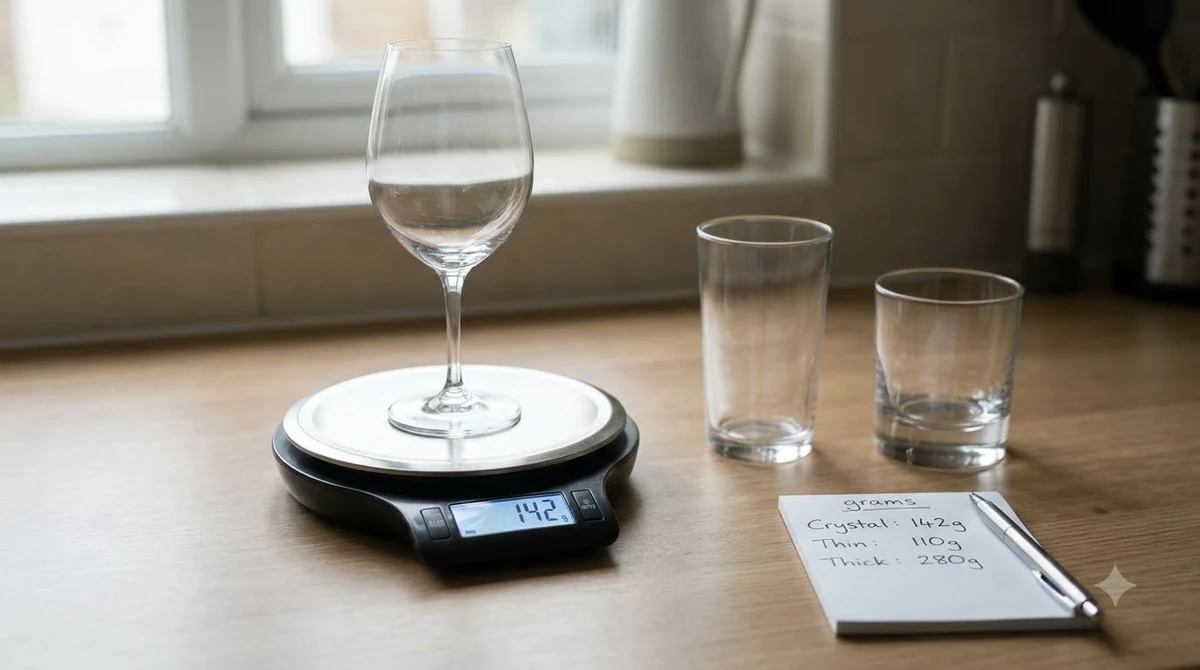
The StandArt is the more accessible member of the collection in terms of everyday handling. It is machine-blown from a single piece of crystal, with the bowl formed, stem pulled and footplate shaped without conventional joining points. This construction distinguishes it from traditional multipart stemware, where the connection between the bowl and stem can become a vulnerable area. Its approximately 150-gram weight gives it more substance than exceptionally lightweight hand-blown glasses while preserving a refined appearance.
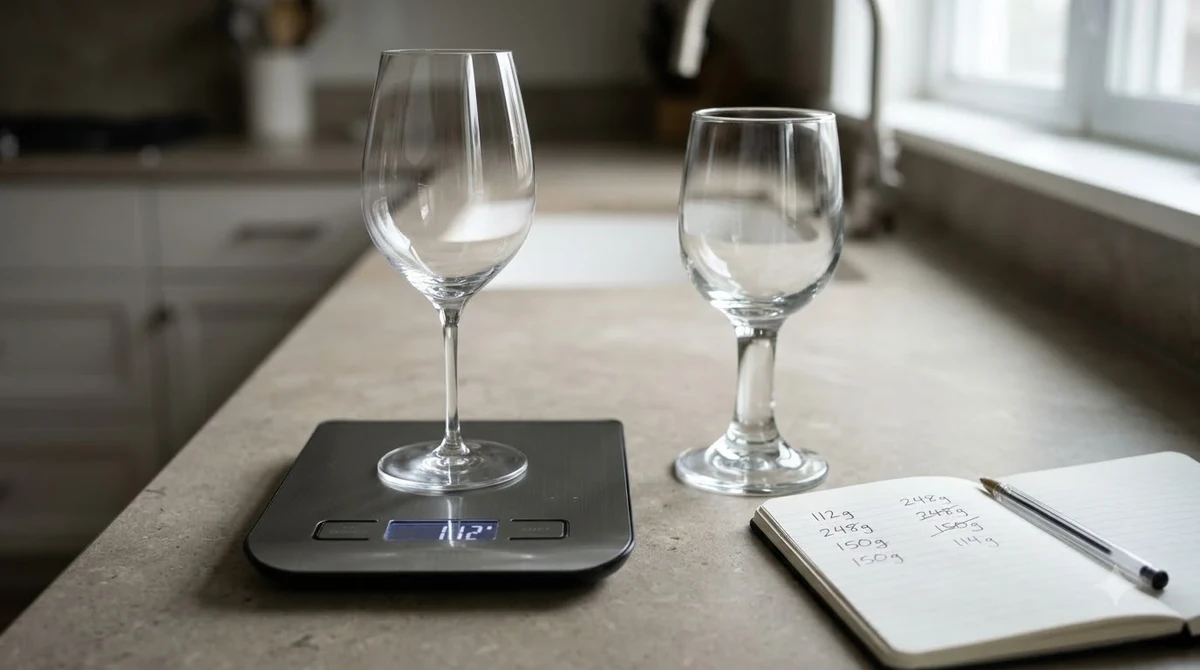
The Gold Edition follows a more traditional artisan process. Two skilled artisans work together to hand-blow and shape each glass, with the manufacturer describing a production time of approximately 15 minutes per piece. Its average weight is approximately 90 grams, although individual examples can vary from 85 to 100 grams. That difference of roughly 60 grams is substantial when holding the two versions side by side.
| Specification | StandArt | Gold Edition |
|---|---|---|
| Material | Lead-free crystal | Lead-free crystal |
| Manufacturing | Machine-blown | Hand-blown |
| Construction | Single-piece construction | Handcrafted, single piece |
| Height | 230 mm | 230 mm |
| Bowl width | 95 mm | 95 mm |
| Rim width | 66 mm | 66 mm |
| Approximate weight | 150 g | 90 g average |
| Capacity | 510 ml | 510 ml |
| Rim treatment | Laser-cut and diamond-polished | Handcrafted thin rim |
| Dishwasher safe | Yes | Yes |
The 510 ml capacity is generous without requiring a particularly large wine pour. Gabriel-Glas recommends serving approximately five ounces at a time, leaving plenty of room above the wine for swirling and collecting aromas. That is especially useful with aromatic reds such as Pinot Noir and Syrah, as well as expressive whites such as Riesling and Sauvignon Blanc. A large bowl also makes it easier to observe color and clarity against a light background.
Another important feature is the slightly conical profile. The bowl widens toward the lower portion and narrows toward the rim, creating space for the wine to move while directing aromas toward the nose. The 66 mm opening is relatively broad compared with many conventional wine glasses, allowing comfortable access for smelling and drinking. The shape is distinctive without becoming an oversized novelty glass.
The crystal itself is lead-free. Gabriel-Glas describes its material as carefully sourced low-iron sand blended with other materials and purifiers to achieve clarity and strength. This gives buyers an alternative to traditional lead crystal while maintaining the visual qualities associated with fine stemware.
The rim deserves particular attention. The StandArt uses a laser-cut edge finished with a diamond-polishing process. The purpose is to produce a thin, smooth drinking surface without sacrificing all of the practical advantages of a more substantial machine-blown glass. A refined rim can make the transition between glass and palate feel less intrusive, although personal comfort remains subjective.
These details make the StandArt particularly interesting for people who want quality stemware without building an extensive collection of specialized glasses. The Gold Edition retains the same overall dimensions and capacity but shifts the emphasis toward lighter weight and handmade production. For a detailed look at alternatives, the selection of crystal wine glasses provides useful context for comparing materials and construction styles.
What Owners Like
The strongest appeal of Gabriel-Glas is its combination of versatility, refined appearance and everyday usability. The StandArt receives particular attention for its comfortable weight and practical construction, while the Gold Edition appeals to buyers who appreciate exceptionally lightweight handmade glassware.
The universal design is a major advantage for households that regularly open different wine styles. A Cabernet Sauvignon, an Oregon Pinot Noir and a crisp New Zealand Sauvignon Blanc do not need to be served in three separate types of glass. The Gabriel-Glas bowl provides enough room for swirling and aromatic development across all three. It is also suitable for rosé and sparkling wines, giving the owner more flexibility when entertaining.
This versatility reduces the amount of cupboard space required for stemware. Someone who previously kept separate sets for red, white and sparkling wine can simplify the collection considerably. The 510 ml bowl accommodates a normal five-ounce serving while leaving space for the aromas to gather. For people who host dinner parties or informal wine tastings, having matching universal glasses also creates a more consistent presentation.
The drinking experience
The gently curved bowl is designed to balance swirling space with aromatic concentration. A wide lower section lets the wine move around the interior, increasing its contact with air. The narrower upper portion then helps direct the developing bouquet toward the drinker. This is particularly useful for wines with noticeable aromatic complexity, including Nebbiolo, Grenache, Chardonnay and aromatic white blends.
The shape also makes it convenient to compare wines during a tasting. Pouring the same amount into identical glasses reduces one source of variation between samples. A consistent glass shape does not eliminate differences between wines, but it can make comparisons easier for people who are learning to recognize acidity, tannin, fruit character and aromatic intensity.
The thin rim is another frequently appreciated feature. A thick, rounded drinking edge can become noticeable during a sip, particularly with delicate wines. The StandArt’s laser-cut rim is intended to provide a cleaner transition. Bon Appétit’s coverage also highlights the combination of the thin rim, elegant stem and slightly conical bowl as important parts of the glass’s appeal.
Everyday practicality
The StandArt has a reassuring amount of weight. At approximately 150 grams, it does not feel as delicate as some very thin mouth-blown glasses. That makes it a sensible choice for people who want fine crystal for regular meals rather than reserving every good glass for special occasions.
Its one-piece construction is another practical advantage. Traditional stemware often consists of separately formed bowl, stem and base sections. Gabriel-Glas forms its StandArt from a single piece, avoiding those conventional attachment points. This does not make the glass unbreakable, but it removes one common structural weakness.
WIRED also singled out the StandArt as a useful entry point into premium stemware. Its assessment emphasized the 150-gram weight, broad bowl, laser-cut rim and dishwasher compatibility. These characteristics help explain why the model appeals to people who want something more refined than inexpensive everyday glassware without committing to an exceptionally delicate artisan piece.
The Gold Edition attracts a different kind of appreciation. Its approximately 90-gram average weight produces a noticeably lighter sensation, and the hand-blown process gives each glass small individual characteristics. For wine enthusiasts who enjoy the craftsmanship of fine glassmaking as much as the wine itself, that distinction can be meaningful.
Both versions are dishwasher safe according to the manufacturer. This is useful because delicate-looking crystal often creates uncertainty about cleaning. The ability to use an ordinary dishwasher cycle, provided the glasses are loaded carefully, makes the collection more practical than its appearance might suggest.
For households comparing different materials, lead free crystal wine glasses are another useful category to investigate. Gabriel-Glas fits that category while offering a specific combination of universal proportions and one-piece construction.
Common Complaints
Gabriel-Glas has several attractive design features, but it is not the right solution for every wine drinker. The main compromises involve the delicate nature of fine crystal, the generous bowl dimensions, the limited specialization and the difference between handmade and machine-blown production.
The first consideration is breakage. Although the StandArt is designed without conventional joining points, its thin rim and relatively delicate stem still require sensible handling. Crystal stemware can break if glasses collide inside a dishwasher, fall against a hard countertop or are twisted during cleaning. A single-piece design improves the construction but cannot prevent damage caused by impact.
The Gold Edition deserves even more careful handling. Its lighter weight is part of its appeal, but some buyers may find the exceptionally thin profile less reassuring than the StandArt. People who regularly entertain large groups, have crowded kitchen cupboards or frequently wash glasses in a hurry may prefer a heavier everyday glass.
Another potential drawback is the large bowl. At 510 ml, the glass provides plenty of swirling room, but it also needs sufficient cabinet height and shelf clearance. A small kitchen with tightly packed storage may find the 230 mm height inconvenient. The broad 95 mm bowl can also occupy more space than compact white wine glasses or smaller tasting stems.
The universal shape is practical, but dedicated enthusiasts may prefer different proportions for certain wines. A large Burgundy bowl, for example, offers a different aromatic and swirling experience from a narrower white wine glass. Some drinkers also prefer a dedicated sparkling wine glass that emphasizes a particular presentation. Gabriel-Glas prioritizes versatility over these individual preferences.
The universal-design compromise
A single glass for every wine is a convenient idea, but it inevitably involves compromise. A full-bodied Barossa Shiraz and a delicate Chablis have different aromatic structures, textures and serving temperatures. Although both can be enjoyed in the same glass, the experience will not necessarily be identical to using specialized stemware designed around each wine.
For example, a high-tannin Cabernet Sauvignon benefits from sufficient swirling space and air exposure. The Gabriel-Glas bowl accommodates this comfortably. A lighter-bodied Pinot Noir also benefits from aromatic room, but some enthusiasts prefer an even broader Burgundy-style bowl. The Gabriel-Glas is a sensible middle ground rather than a dedicated specialist design.
The same consideration applies to sparkling wine. Its broad bowl makes it possible to enjoy Champagne or Prosecco without purchasing a separate flute. However, buyers who prioritize preserving a narrow stream of bubbles or prefer a specialized sparkling glass may want another shape for formal celebrations.
There is also a visual preference to consider. The gently conical profile is distinctive, but it will not appeal to everyone. Some people prefer traditional rounded bowls, while others favor sharply angular contemporary designs. WIRED’s broader wine-glass discussion makes an important point: comfort in the hand and personal preference are legitimate considerations when choosing stemware.
Finally, the two editions may confuse buyers who assume that the more elaborate manufacturing process necessarily changes how the wine tastes. Both share the same basic shape and material. The Gold Edition’s main distinction is its handmade construction and reduced weight, not a completely different wine-specific design.
For households that primarily want matching glasses for casual dinners, the StandArt is likely to be the more straightforward choice. Buyers who prioritize artisanal production should consider the Gold Edition while accepting that its lighter construction calls for careful handling.
Who Should Buy and Who Should Skip
Gabriel-Glas makes the most sense for wine drinkers who appreciate good stemware but do not want separate glasses for every grape variety. The StandArt suits frequent use, while the Gold Edition is aimed at people who value lighter weight and handmade craftsmanship.
Who should buy the StandArt
The StandArt is a strong match for households that regularly drink several wine styles. Someone who serves Chardonnay with seafood on Friday, Pinot Noir with dinner on Saturday and sparkling wine at a Sunday gathering can use the same glass throughout the weekend. Its 510 ml capacity and universal bowl eliminate the need to switch between multiple sets.
It is also a sensible option for people who entertain regularly. Matching glasses create a coordinated table without requiring specialized stemware for every course. A five-ounce pour leaves ample room in the bowl, while the approximately 150-gram weight provides a more substantial feel than the Gold Edition.
People who value convenient cleaning should also consider this model. The dishwasher-safe construction means that ordinary maintenance does not require an entirely separate washing routine. The key is careful loading, especially after a large dinner party when multiple glasses need cleaning.
The StandArt is particularly appropriate for buyers moving up from ordinary supermarket glassware. It offers a more refined rim, an elegant silhouette and lead-free crystal construction. It also provides a useful middle ground for people who want a premium drinking experience but are not interested in exceptionally lightweight artisan pieces.
Who should buy the Gold Edition
The Gold Edition makes more sense for dedicated wine enthusiasts who appreciate the feel of hand-blown crystal. Its approximately 90-gram average weight is considerably lower than the StandArt’s 150 grams. That difference can be immediately noticeable when lifting the glass or holding it for an extended tasting.
It is also appealing as a special gift. Handmade production provides a more distinctive craftsmanship story, particularly for someone who already owns ordinary wine glasses and appreciates thoughtful tableware. The same universal bowl makes it useful rather than merely decorative.
Buyers should understand that the Gold Edition is not a different capacity or wine-specific shape. Its dimensions and general proportions remain close to those of the StandArt. The main reason to select it is the hand-blown construction and lighter handling experience.
Who should skip both versions
People who need inexpensive glasses for large gatherings may prefer more basic everyday stemware. A household that regularly hosts 20 or more guests might find the cost of replacing premium crystal difficult to justify, particularly if breakage is frequent.
Buyers who prefer compact glasses should also look elsewhere. The 230 mm height and 95 mm bowl width require room for storage and handling. A smaller glass may fit better in a limited cabinet or be more convenient for casual outdoor dining.
Likewise, serious collectors of varietal-specific stemware may not find a universal glass sufficient. Someone who frequently compares Burgundy Pinot Noir, Bordeaux Cabernet Sauvignon and aged Riesling may prefer specialized designs for each category. The Gabriel-Glas remains versatile, but versatility is not the same as specialization.
People who are uncomfortable with delicate crystal should also think carefully before buying either edition. Even the StandArt can break if handled carelessly. A durable everyday tumbler or heavier conventional wine glass may be more appropriate for kitchens where practicality takes priority over a thin rim and refined silhouette.
How It Compares to Alternatives
Gabriel-Glas occupies an interesting position between everyday machine-made stemware and exceptionally lightweight artisan glasses. The StandArt is designed around practical versatility, while its competitors may emphasize affordability, specialist bowl shapes or traditional hand-blown construction.
One useful comparison is the Zalto Denk’Art range. WIRED discusses Zalto’s hand-blown glasses and their particularly light construction, including its large Burgundy bowl. These glasses appeal to enthusiasts who enjoy specialized proportions and refined craftsmanship. Gabriel-Glas takes a different route by offering a more substantial universal glass that can serve several categories without requiring multiple designs.
The difference is not simply a matter of quality. A specialist glass can be preferable for a particular wine, but it may be less convenient as an all-purpose household option. The Gabriel-Glas StandArt gives up some specialization in exchange for a practical single-glass approach.
Another useful comparison is the Libbey Signature Kentfield Estate All-Purpose Wine Glass. Wirecutter’s wine-glass coverage positions Libbey as a practical option for people who prioritize affordability and regular entertaining. Its simpler construction makes it attractive for larger collections, while the Gabriel-Glas provides a more refined crystal presentation and a thinner drinking rim.
The choice between them depends on how frequently the glasses will be used and what the owner expects from stemware. A household that regularly opens interesting bottles and enjoys comparing aromas may appreciate the Gabriel-Glas more. Someone equipping a first apartment or stocking a large dinner party may be happier with a more economical glass.
| Glass | Main strength | Best suited to |
|---|---|---|
| Gabriel-Glas StandArt | Universal shape and one-piece crystal construction | Regular home wine service |
| Gabriel-Glas Gold Edition | Hand-blown construction and approximately 90 g weight | Enthusiasts who value craftsmanship |
| Zalto Denk’Art | Specialized hand-blown designs | Collectors and varietal-focused wine drinkers |
| Libbey Signature Kentfield Estate | Practical everyday stemware | Casual entertaining and larger households |
For an independent perspective, WIRED’s wine-glass comparison discusses the StandArt alongside specialist and universal alternatives. Its assessment highlights the glass’s combination of weight, broad bowl and everyday practicality. This is useful context because the most expensive or lightest glass is not automatically the most comfortable choice for regular home use.
Is the universal bowl suitable for serious wine tasting?
Yes. The StandArt is particularly useful for comparative tasting because the same proportions can be used across multiple samples. If a tasting includes a Sauvignon Blanc, Chardonnay, Pinot Noir and Cabernet Sauvignon, using matching glasses helps keep the presentation consistent.
The generous bowl also leaves room to swirl smaller pours without spilling. That makes it practical for tasting sessions in which several wines are being evaluated. Gabriel-Glas recommends a five-ounce pour for ordinary service, but a smaller tasting portion is equally reasonable when comparing several bottles.
Dedicated tasting professionals may still prefer specialized bowls for certain grape varieties. However, a universal glass can be a convenient foundation for a home tasting collection. It offers a useful balance between aromatic access, visual presentation and everyday convenience.
For shoppers who want to explore a wider selection before choosing, wine glasses offers another way to compare universal, specialist and everyday designs. The right choice depends on the wines served most often, available storage and the amount of care the owner is comfortable providing.
Frequently Asked Questions
These answers address additional details that can influence a purchase, particularly glass capacity, delivery, cleaning and the differences between the two editions.
Can Gabriel-Glas glasses be used for water and other drinks?
Yes. The universal bowl can also serve water, mineral water and nonalcoholic drinks. Its generous capacity and clear crystal presentation make it suitable for formal table settings beyond wine service.
Are Gabriel-Glas glasses suitable for restaurant use?
Yes. The manufacturer identifies private dining, wine tastings and gastronomy among the intended applications. The StandArt is particularly practical for establishments that want a consistent universal glass across several wine categories.
What happens if a Gabriel-Glas glass arrives broken?
Gabriel-Glas North America requests photographs of the damaged glass and its inner and outer packaging. Its FAQ specifies contacting customer service within 48 hours of delivery and providing the original purchase receipt. Purchases from other retailers are handled according to those retailers’ policies.
Can the Gold Edition vary slightly from one glass to another?
Yes. Handmade production means that individual Gold Edition glasses can have small differences. The manufacturer lists an approximate weight range of 85 to 100 grams, reflecting the individual nature of the hand-blown process.
How many glasses should a household purchase for entertaining?
A household that regularly hosts four guests may find six matching glasses useful because they provide two additional pieces for unexpected visitors or replacement needs. Larger gatherings may require 8 to 12 glasses, depending on whether wine is served throughout the meal or multiple wine styles are poured simultaneously.
Gabriel-Glas crystal wine glasses offer a compelling combination of universal proportions, lead-free crystal and elegant construction. The StandArt is the stronger everyday recommendation for most households, while the Gold Edition is the more distinctive choice for people who appreciate lightweight handmade stemware. Either version can make a versatile addition to a thoughtfully equipped wine cabinet, provided its size and care requirements suit the way the household entertains.
More in Wine Glasses
 Zwiesel Glas Champagne Flutes for Durable Everyday Sparkling WineUpdated Nov 20, 2026
 Vera Wang Crystal Wine Glasses: Design, Quality and Buying AdviceUpdated Nov 20, 2026
 West Elm White Wine Glasses: Compare Designs for Better Everyday Wine ServiceUpdated Nov 20, 2026
 Zalto Stemless Wine Glasses: Discover Their Distinctive DesignsUpdated Nov 20, 2026
 Viski Champagne Glasses That Match Your Style and Sparkling WineUpdated Nov 20, 2026
 Vista Alegre Decanter Review: Crystal Style and Wine ServiceUpdated Nov 20, 2026