

We may earn a commission when you buy through links on this page, at no extra cost to you. Learn more.
Which prosecco is best depends on your preferred sweetness, occasion, and budget, but Brut Prosecco DOC is the best all-around starting point for most sparkling wine drinkers. It combines crisp acidity, refreshing bubbles, and familiar apple, pear, and citrus flavors that work for celebrations, brunch, and everyday aperitifs. Choose Extra Dry if you prefer a softer, fruitier finish, or Conegliano Valdobbiadene Prosecco Superiore DOCG if you want a more distinctive expression from Italy’s hillside vineyards. The best bottle is the one whose sweetness, texture, and flavor match how you plan to enjoy it.
Prosecco has a reputation as an approachable alternative to Champagne, but there is considerably more variety than its familiar reputation suggests. Bottles differ in grape composition, production area, sweetness, fermentation method, and the intensity of their fruit and floral aromas. Understanding these distinctions makes it easier to select a bottle for a wedding toast, a weekend brunch, a seafood dinner, or a casual evening with friends.
Who This Prosecco Buying Guide Is For
Prosecco is a particularly good choice for people who enjoy refreshing sparkling wine with approachable fruit flavors and lively bubbles. Its different sweetness levels and regional classifications make it suitable for both newcomers and experienced sparkling wine drinkers.

First-time buyers will generally find Prosecco DOC Brut a useful starting point. It offers a recognizable combination of green apple, pear, citrus, and floral aromas without the pronounced yeast-derived flavors often associated with some traditional-method sparkling wines. Its freshness also makes it useful before a meal, alongside appetizers, or as the sparkling component in a mimosa.
People who prefer softer, fruitier wines may enjoy Extra Dry Prosecco instead. Despite the confusing name, Extra Dry contains more residual sugar than Brut. That additional sweetness rounds out its fruit flavors and makes it an appealing choice for people who find very dry sparkling wines too austere.
More experienced buyers may want to explore Conegliano Valdobbiadene Prosecco Superiore DOCG, Asolo Prosecco Superiore DOCG, or a traditional Col Fondo bottling. These categories offer different expressions of Glera, from precise and mineral-driven hillside wines to slightly cloudy sparkling wines with additional yeast-derived texture.
Prosecco Rosé is another option for shoppers who want a pink sparkling wine with recognizable Prosecco freshness. Its permitted grape blend combines Glera with Pinot Nero, producing a style that can show strawberry, raspberry, citrus, and floral notes.
Consider the occasion before choosing. A straightforward Brut is practical for serving several guests, while a vintage Rive bottling or Cartizze wine can be more interesting for a special dinner. Someone planning a sweet dessert course should pay particular attention to the sweetness of the wine rather than selecting a bottle based only on its appearance or regional classification.
Key Factors to Compare When Buying Prosecco
The most useful comparisons are sweetness, origin, production method, and wine style. These four characteristics explain most of the differences between bottles and help narrow the selection without requiring extensive knowledge of individual producers.
| Factor | What to Look For | Typical Characteristics | Best For |
|---|---|---|---|
| Sweetness | Brut | Less than 12 g/L residual sugar | Dry sparkling wine drinkers |
| Sweetness | Extra Dry | 12–17 g/L residual sugar | Fruitier, softer preferences |
| Sweetness | Dry | 17–32 g/L residual sugar | Noticeably sweeter styles |
| Origin | Prosecco DOC | Nine authorized provinces | Everyday sparkling wine |
| Origin | Conegliano Valdobbiadene DOCG | 15 communes | Hillside regional character |
| Origin | Asolo DOCG | Hillside production area in Treviso | Fresh, distinctive expressions |
| Production | Charmat method | Secondary fermentation in pressurized tanks | Fresh fruit and approachable bubbles |
| Production | Col Fondo | Secondary fermentation in the bottle | Textured, savory sparkling wine |
Sweetness is often the most important consideration. Prosecco’s sweetness terminology can be confusing because Extra Dry is sweeter than Brut. A buyer looking for a crisp, dry bottle should start with Brut or Extra Brut rather than assuming Extra Dry means less sugar.
Origin provides another useful indication of style. Prosecco DOC comes from a comparatively large production area covering parts of Veneto and Friuli-Venezia Giulia. Conegliano Valdobbiadene Prosecco Superiore DOCG and Asolo Prosecco Superiore DOCG come from more specifically defined hillside areas in the province of Treviso.
Production method also influences the experience. The Charmat method, also known as the Martinotti method, conducts secondary fermentation in pressurized tanks. It generally preserves the fresh fruit and floral characteristics associated with Glera. Col Fondo, by contrast, retains yeast sediment following secondary fermentation in the bottle, creating a more textured and sometimes savory style.
Alcohol content is another practical comparison. Prosecco DOC sparkling wine has a minimum total alcohol content of 11% ABV under its production regulations. The exact strength of an individual bottle can differ, so compare the stated alcohol percentage when choosing wines for a particular meal or occasion.
For an additional explanation of wine sweetness terminology, the guide to which wine is sweet helps explain how sweetness affects the overall drinking experience.
Step-by-Step: How to Choose the Right Prosecco
A simple five-step selection process makes it easier to find an appropriate bottle. Start with your preferred sweetness, then consider the occasion, origin, production method, and serving plan.
-
Decide how dry you want the wine.
Choose Brut if you prefer crisp, relatively dry sparkling wine. Extra Dry is a better starting point if you like softer fruit and a small amount of additional sweetness. Dry is noticeably sweeter and may appeal to drinkers who enjoy a rounder, more pronounced sweet impression.
-
Choose the occasion.
For a casual gathering, brunch, or mimosa preparation, a straightforward Prosecco DOC Spumante is usually practical. For a more formal dinner or a special gift, consider Conegliano Valdobbiadene Prosecco Superiore DOCG, Asolo DOCG, or a more distinctive Rive bottling.
-
Compare the regional designation.
Look for Prosecco DOC if you want the familiar regional style. Choose Conegliano Valdobbiadene DOCG for a wine from its defined hillside area, or Asolo DOCG for another geographically specific expression of Prosecco. A higher classification identifies stricter regional production rules, not a guarantee that every bottle will suit every palate.
-
Consider the fermentation method.
Charmat-made sparkling wine is generally the more familiar, fruit-forward option. If you enjoy more texture, yeast character, and a less conventional appearance, explore Col Fondo or Sui Lieviti wines. These may contain visible sediment and can appear cloudy.
-
Plan the food and serving temperature.
Match the wine’s sweetness and acidity to the meal. Chill sparkling Prosecco to approximately 40–50°F before serving. A 750 ml bottle provides about five standard 5-ounce glasses, which is a helpful planning estimate for a small gathering.
It is also useful to think about the people drinking the wine. If guests have different sweetness preferences, serving a Brut alongside an Extra Dry bottle gives them a meaningful choice. This is often more practical than trying to find one wine that satisfies everyone.
For a cocktail occasion, use a fresh, uncomplicated Brut or Extra Dry. A wine with clean fruit character and lively bubbles works particularly well when combined with orange juice, peach purée, or other cocktail ingredients. More complex hillside wines and traditional Col Fondo bottlings are generally better appreciated on their own or with food.
Tip: If you are uncertain about sweetness, start with Brut. It is a useful middle ground for many sparkling wine occasions, while Extra Dry provides a straightforward alternative for drinkers who prefer a softer, fruitier impression.
Prosecco Types and Styles Explained
Prosecco is not a single uniform style. Its sweetness classifications, geographical designations, and production methods create several distinct choices, from light everyday sparkling wines to more specialized hillside and bottle-fermented expressions.
Prosecco DOC
Prosecco DOC is the broad regional designation most shoppers encounter. Its production area covers nine provinces in northeastern Italy, and Glera is its principal grape. The regulations permit a limited proportion of other authorized grape varieties, allowing some variation in the finished wine.
Most familiar bottles are sparkling wines made using the Charmat method. Their aromas often include green apple, pear, lemon, white flowers, and occasionally peach. The style is generally fresh and approachable, making it useful for aperitifs, casual celebrations, and brunch. The official Prosecco DOC guide to wine styles and sweetness classifications explains the differences between Spumante, Rosé, Frizzante, and Tranquillo.
Conegliano Valdobbiadene Prosecco Superiore DOCG
This denomination comes from the hills between Conegliano and Valdobbiadene in Veneto. Its production area includes 15 communes, and its wines are made principally from Glera. The designation offers a more geographically specific expression than the broader Prosecco DOC category.
These wines can show fresh apple, pear, citrus, floral aromas, and mineral characteristics. The denomination includes Extra Brut, Brut, Extra Dry, and Dry sweetness styles, so DOCG on the label does not automatically indicate a particular sweetness level. The Conegliano Valdobbiadene consortium’s explanation of DOCG wine types provides further information about the region’s specialized categories.
Rive Prosecco
Rive is a more specific designation within Conegliano Valdobbiadene DOCG. The denomination recognizes 43 Rive areas, each associated with particular hillside vineyards and their combinations of soil, exposure, and microclimate.
Rive wines come from grapes harvested by hand, with the vintage indicated on the label. Their permitted grape yield is reduced to 13 tonnes per hectare, compared with 13.5 tonnes per hectare for the general Conegliano Valdobbiadene DOCG category. These wines are interesting for shoppers who want to explore differences between individual growing locations.
Superiore di Cartizze
Cartizze is a small, distinctive subzone within Valdobbiadene. It covers approximately 107 hectares and has its own production rules. The maximum permitted yield is 12 tonnes of grapes per hectare, making its production requirements more restrictive than those of the broader DOCG denomination.
Cartizze wines can show apple, pear, peach, apricot, citrus, rose, and almond characteristics. Their fruit-forward character and refined bubbles make them an interesting option for special occasions. Cartizze is traditionally associated with a sweeter expression, so buyers should still pay attention to the sweetness classification rather than assuming all bottles taste alike.
Asolo Prosecco Superiore DOCG
Asolo is another hillside DOCG designation in the province of Treviso. It is less widely encountered than the broader Prosecco DOC category, but its wines provide another way to explore the diversity of northeastern Italian sparkling wine.
These wines can offer fresh fruit, floral aromas, and crisp acidity. Brut versions are particularly useful for people seeking a dry sparkling wine with fresh apple, pear, and herbal characteristics.
Prosecco Rosé
Prosecco Rosé combines Glera with Pinot Nero. Under Prosecco DOC regulations, the blend must contain 85% to 90% Glera and 10% to 15% Pinot Nero, which is vinified as a red wine.
The resulting wine can show red berry aromas such as strawberry and raspberry alongside citrus and floral notes. Prosecco Rosé is a natural choice for outdoor gatherings, summer lunches, and celebrations where a pink sparkling wine is preferred. It can be made in different sweetness styles, so its color alone does not indicate how sweet it will taste.
Col Fondo and Sui Lieviti
Col Fondo is a traditional bottle-fermented Prosecco style that retains yeast sediment. The Conegliano Valdobbiadene denomination also uses the term Sui Lieviti for its traditional sparkling wines made with this method.
These wines may appear cloudy and can offer more pronounced texture, bread-like aromas, and savory characteristics than the familiar tank-fermented style. They are especially appealing to curious drinkers who enjoy exploring less conventional sparkling wine styles.
For more help distinguishing sweetness terminology, the guide to which wine is dry explains why wine labels do not always use everyday descriptions in the way buyers expect.
Common Prosecco Buying Mistakes
Many disappointing purchases come from misunderstandings about sweetness labels, regional classifications, or production techniques. Knowing these common mistakes helps shoppers choose wine based on its actual style rather than assumptions.
Assuming Extra Dry Is Drier Than Brut
This is probably the most common Prosecco buying mistake. In the sparkling wine classification system, Brut contains less than 12 grams of residual sugar per liter, while Extra Dry contains 12 to 17 grams per liter. Extra Dry is therefore sweeter than Brut.
Dry is sweeter still, with 17 to 32 grams per liter. Demi-Sec occupies a sweeter category, with 32 to 50 grams per liter. These figures explain why a bottle labeled Extra Dry may taste softer and rounder than one labeled Brut.
Assuming DOCG Always Tastes Better
DOCG indicates a more specifically defined denomination with its own production regulations. It does not mean that every DOCG wine is automatically superior to every DOC bottle in flavor or suitability.
A well-made Prosecco DOC Brut may be a better match for someone seeking uncomplicated, refreshing bubbles than a more complex DOCG wine. The intended drinking occasion and individual taste preferences remain important.
Confusing Prosecco With Champagne
Prosecco and Champagne are different protected wine designations with different production traditions. Most Prosecco sparkling wines use the Charmat method, in which secondary fermentation takes place in a pressurized tank. Champagne uses secondary fermentation in the bottle.
These approaches influence texture and aroma. Prosecco commonly emphasizes fresh fruit and floral notes, while traditional-method sparkling wines can develop more pronounced bread, pastry, and yeast-derived characteristics.
Choosing Only by Bottle Appearance
A distinctive bottle, attractive label, or elegant presentation does not tell you everything about the wine inside. A pink bottle is not necessarily sweeter, and an expensive-looking DOCG label does not guarantee that the wine matches your preferences.
Look at the designation, sweetness category, production style, and grape composition. These details provide more useful information than packaging alone.
Using Prosecco for Every Food Pairing
Prosecco is versatile, but not every style works equally well with every dish. A sweet Dry or Demi-Sec bottling can overwhelm delicate savory dishes, while an extremely dry Extra Brut may feel sharp alongside a sweet dessert.
Think about the meal’s salt, fat, sweetness, acidity, and spice. These elements influence how the wine tastes. In particular, acidic foods need wines with comparable or greater acidity to keep the pairing balanced.
Serving, Storage, and Care Tips
Proper chilling, careful opening, and suitable storage preserve Prosecco’s fresh fruit character and lively bubbles. A few simple habits make a noticeable difference, especially when serving sparkling wine over several hours.
Serve at the Right Temperature
Serve sparkling Prosecco at approximately 40–50°F. This temperature range keeps the wine refreshing while allowing its apple, pear, citrus, and floral aromas to remain perceptible.
A refrigerator can chill a bottle before serving, but avoid leaving it in the freezer for an extended period. If a bottle becomes too cold, its aromas may seem muted. Letting it warm slightly in the glass can help reveal more of its character.
Open the Bottle Carefully
Remove the foil and loosen the wire cage while keeping a hand firmly over the cork. Hold the bottle at an angle of approximately 45 degrees and turn the bottle slowly while controlling the cork. The aim is a gentle release rather than a loud pop.
Keep the bottle pointed away from people, glassware, and fragile objects. Sparkling wine is pressurized, so controlling the cork is an important part of safe serving.
Choose Appropriate Glassware
A tulip-shaped sparkling wine glass is a useful choice because it provides room for aromas while retaining the wine’s bubbles. A flute can also work well, particularly for formal toasts, although its narrow shape provides less room for aromatic development.
Use clean, dry glasses without detergent residue or strong odors. Even small amounts of residue can affect the formation and persistence of bubbles.
Store Unopened Bottles Correctly
Keep unopened Prosecco in a cool, dark place away from direct sunlight, heat, and frequent temperature changes. A storage temperature near 55°F is a useful general target for wine. For longer storage, keeping bottles on their sides is a common practice for traditional cork closures.
Prosecco is generally intended to be enjoyed while its fresh fruit and lively bubbles are prominent rather than stored for many years. Buy it with a realistic drinking plan instead of assuming that additional bottle age will improve its quality.
Preserve Opened Prosecco
Once opened, sparkling wine loses carbonation gradually. Use a purpose-made sparkling wine stopper and refrigerate the bottle promptly. Prosecco generally keeps its best sparkling character for approximately one to three days after opening, although the precise result depends on the wine and how well it is sealed.
A regular flat wine stopper is not an adequate substitute for a stopper designed to handle sparkling wine pressure. Avoid leaving an opened bottle on a warm kitchen counter because heat and exposure to air can accelerate the loss of freshness.
For a party, consider opening bottles as needed rather than opening every bottle at the beginning of the evening. This simple approach helps preserve the bubbles and keeps the remaining wine fresher.
Readers researching wine choices for different dietary considerations can also consult which wine is good for diabetics for general information about wine styles and their sugar content. Individual nutritional requirements should be discussed with an appropriate healthcare professional.
Frequently Asked Questions
These additional answers address practical details that can help narrow down a bottle and make serving Prosecco easier.
Is Prosecco always made from white grapes?
Most traditional Prosecco is made principally from Glera, a white grape variety. Prosecco Rosé is different because its authorized blend includes Pinot Nero, which is vinified as a red wine to provide its pink color. The finished rosé remains a sparkling wine within the Prosecco DOC designation.
Does Prosecco need to be decanted before drinking?
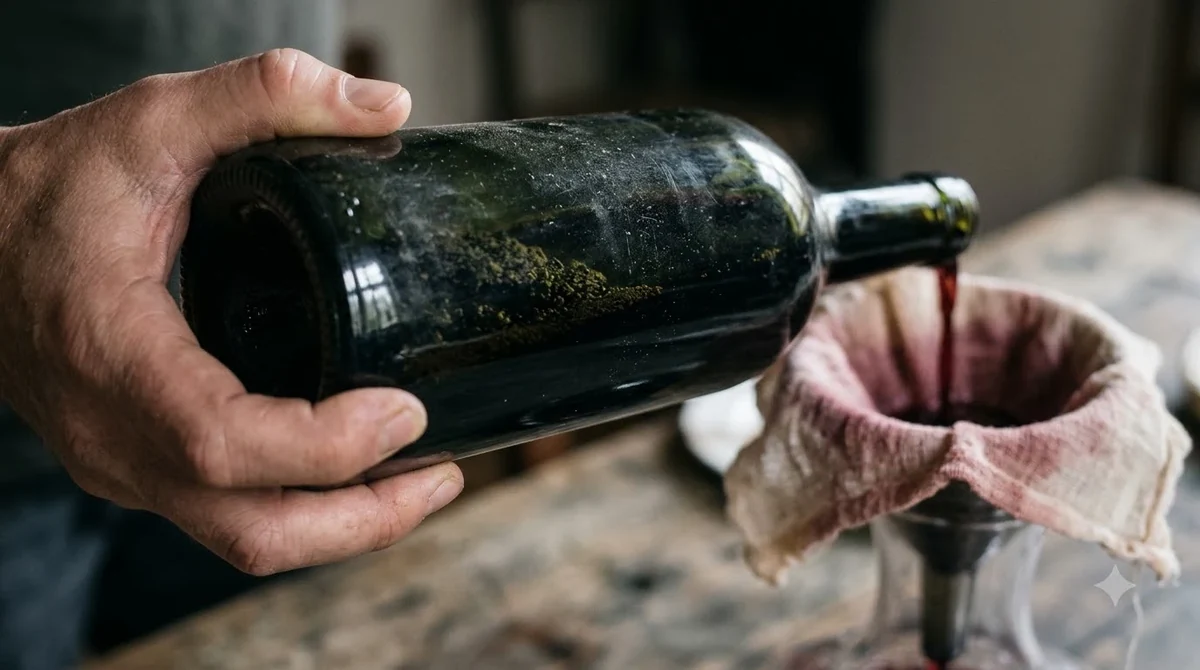
No. Most Prosecco is ready to drink directly from the bottle after chilling. Decanting can cause unnecessary loss of carbonation, which is an important part of its refreshing character. Traditional Col Fondo wines are a special case because sediment may be present, and the drinker can choose whether to pour carefully or distribute the lees through the wine.
Can Prosecco be used instead of sparkling wine in a cocktail?
Yes. Prosecco is commonly used in the Bellini, which combines sparkling wine with white peach purée. It is also a popular choice for mimosas and the Aperol Spritz. For mixed drinks, choose a fresh, uncomplicated sparkling style so the wine complements rather than competes with the other ingredients.
What does Millesimato mean on a Prosecco label?
Millesimato indicates a vintage wine made from grapes associated with a particular harvest year. Prosecco DOC Rosé regulations require the term alongside the vintage reference when at least 85% of the grapes come from that stated year. It is a useful indication of vintage composition rather than a guarantee that the wine is intended for long-term aging.
Is Prosecco suitable for a wedding toast with a large guest list?
Yes. Its approachable fruit profile and sparkling character make it a practical option for large celebrations. For planning purposes, a standard 750 ml bottle provides approximately five 5-ounce pours, so a guest list of 50 people would require around 10 bottles for one standard pour per person, with additional bottles allowing for larger servings or refills.
For most buyers, Brut Prosecco DOC is the strongest all-purpose starting point because it combines refreshing acidity, approachable fruit, and versatile food-pairing potential. Choose Extra Dry for a softer impression, or explore Conegliano Valdobbiadene DOCG, Asolo DOCG, and Col Fondo when you want a more distinctive regional or production style. Compare sweetness, origin, and serving occasion before purchasing, and you will have a much better chance of finding a Prosecco that suits your taste.
More in Wine Basics
 Which Rose Is Best for Your Taste, Budget, and Food PairingsUpdated Nov 21, 2026
 Is Cheap Wine Bad? How to Find Bottles Worth DrinkingUpdated Nov 21, 2026
 What To Write On A Wine Gift Tag: Thoughtful Messages For Every OccasionUpdated Nov 21, 2026
 Which Wine Is Best For Weight Loss? Compare Lower-Calorie ChoicesUpdated Nov 21, 2026
 What Is The Best Wine For Mimosas? Choose Bubbly That Balances Orange JuiceUpdated Nov 20, 2026
 Which Wine Is Best For Health? Understand the Risks and BenefitsUpdated Nov 20, 2026