

We may earn a commission when you buy through links on this page, at no extra cost to you. Learn more.
Miraval wine price typically ranges from about $13 to $24 for a standard 750 ml bottle, depending on whether you choose Studio by Miraval or the flagship Côtes de Provence Rosé. The standard rosé generally costs more because it occupies a different position in the producer’s range. Studio by Miraval offers a more affordable entry point, while larger formats provide another option for entertaining and sharing. Comparing bottle size, vintage, retailer, and wine style helps you decide whether the extra cost makes sense.
Miraval is widely recognized for its pale Provence rosé, but buying a bottle involves more than comparing two shelf prices. The difference between standard Miraval Rosé and Studio by Miraval matters, as do vintage availability, bottle format, and the retailer’s pricing. This guide explains what American shoppers can reasonably expect to pay, how to compare the available wines, and which bottle makes sense for different occasions.
Who Should Compare Miraval Wine Prices?
Miraval wine is a good candidate for price comparison if you enjoy dry Provence rosé and want to balance quality, presentation, and spending. A shopper choosing between a $13 Studio bottle and a standard bottle in the $18 to $24 range has a meaningful decision to make, particularly when buying several bottles for a gathering.
The first group of buyers to consider is anyone purchasing the familiar Miraval Côtes de Provence Rosé. This is the label most closely associated with the estate and its recognizable pale-pink Provençal style. Berry Bros. & Rudd identifies the 2025 bottling as a dry blend of Cinsault, Grenache, Rolle, and Syrah, with 13% alcohol. Its listed 750 ml retail price provides a useful reference point for understanding the standard wine’s position in the market.
Another group consists of shoppers who want the Miraval name without spending as much on each bottle. Studio by Miraval is a separate product in the range, and Total Wine & More lists it alongside the standard Côtes de Provence Rosé. The lower displayed price makes it relevant for casual dinners, outdoor meals, and occasions when several bottles are needed.
Collectors and hosts buying for larger groups should also compare bottle formats. A standard 750 ml bottle is suitable for a small dinner, while a 1.5-liter magnum provides approximately twice as much wine. Total Wine & More lists both formats in its selection, so buyers can compare the practical advantages of a larger bottle instead of assuming that every Miraval purchase must be a standard-size bottle.
Finally, shoppers unfamiliar with the producer can start with the broader Wine Brands collection to understand how Miraval fits into the larger wine market. The important distinction is that a higher shelf price does not automatically mean a better choice for every occasion. Your preferred style, the number of guests, and the intended meal should influence the decision.
Key Factors That Determine the Bottle Price
The biggest price differences come from the wine’s position in the range, bottle size, vintage, and retailer. Comparing those four factors gives shoppers a more realistic idea of value than looking at the Miraval name alone.
| Wine or format | Bottle size | Typical US retail range | Buying consideration |
|---|---|---|---|
| Studio by Miraval Rosé | 750 ml | About $13–$16 | More accessible entry point |
| Standard Miraval Côtes de Provence Rosé | 750 ml | About $18–$24 | Flagship-style purchase |
| Standard Miraval Côtes de Provence Rosé | 1.5 L | About $40–$50 | Suitable for larger gatherings |
The ranges are based on displayed US listings from Total Wine & More and Wine Decider, with the standard rosé also cross-checked against Berry Bros. & Rudd. These are indicative retail ranges rather than guaranteed national prices. Prices vary by state and retailer, and availability, shipping restrictions, and vintage can change the final amount.
Standard Miraval versus Studio by Miraval
The first comparison should be between the two labels. Total Wine & More lists the standard 750 ml Miraval Côtes de Provence Rosé at approximately $18.99 and Studio by Miraval at approximately $13.99. Wine Decider’s US comparison also shows a difference, listing the 2024 standard wine at approximately $20.05 and the 2024 Studio wine at approximately $13.03.
These listings illustrate why buyers should not treat the products as identical simply because both carry the Miraval name. Standard Miraval Rosé is the familiar Côtes de Provence bottling, while Studio is a distinct wine in the range. If you are considering the flagship label for a special dinner, the higher price may fit your priorities. If the purpose is to serve chilled rosé at a relaxed gathering, Studio can make more sense financially.
Bottle size and vintage
Bottle size changes the total purchase cost as well as the amount of wine available. A 750 ml bottle provides approximately five standard 5 oz glasses. A 1.5-liter magnum contains approximately ten such servings, making it useful for a group of eight to ten people when other drinks are also available.
Vintage matters because retailers may carry several harvest years simultaneously. Wine Decider lists different prices for the 2024 and 2025 standard Miraval Rosé, demonstrating that a bottle’s vintage can affect its market value. A newer vintage is not automatically worth more, and an older vintage is not automatically a bargain. Compare the actual wine and bottle size before deciding.
Tip: Compare the price per 750 ml equivalent when shopping for magnums or other formats. A larger bottle can cost more overall while offering a different per-serving value.
Step-by-Step: How to Find the Right Miraval Bottle
A simple buying process prevents shoppers from paying for a format or label they do not actually need. Start with the wine style, narrow the choice by bottle size, and then compare the vintage and retailer before purchasing.
-
Decide which Miraval label you want.
Choose standard Côtes de Provence Rosé if you specifically want the familiar flagship bottling. Choose Studio by Miraval if your priority is a more affordable bottle carrying the Miraval name. Do not compare their prices without first confirming which label you are looking at.
-
Set a realistic per-bottle budget.
Use approximately $13 to $16 as a starting range for Studio and $18 to $24 for standard Miraval Rosé. These indicative ranges are supported by displayed listings at Total Wine & More, Wine Decider, and Berry Bros. & Rudd. Allow additional room for local taxes and shipping where applicable.
-
Choose the bottle format.
For a dinner with two or three people, one 750 ml bottle is usually practical. For a larger gathering, compare the 1.5-liter magnum with two standard bottles. Total Wine & More lists standard Miraval in both 750 ml and 1.5-liter formats, making this comparison possible.
-
Compare the vintage.
Look at the vintage displayed by each retailer. If one store offers a 2024 bottle and another lists a 2025 bottle, you are not necessarily comparing identical products. Vintage differences can influence price and the wine’s character.
-
Check the retailer’s total cost.
Compare the listed bottle price, local availability, delivery charges, and any applicable taxes. Wine Decider specifically notes that prices and delivery options vary according to the destination country. For American shoppers, state shipping restrictions are another practical consideration.
-
Consider the food and occasion.
A dry Provence rosé is versatile with seafood, salads, grilled chicken, and Mediterranean dishes. Standard Miraval may suit a planned dinner or gift, while Studio may be more practical when serving a larger number of guests casually.
-
Buy the quantity you can serve properly.
For a small dinner, start with one or two 750 ml bottles rather than automatically choosing a magnum. If you are hosting eight or more people, calculate the number of 5 oz servings and consider a larger format.
This process also makes it easier to compare the broader Miraval wine selection without confusing different labels, formats, and vintages. A clear comparison is more useful than choosing whichever listing happens to appear first in a retailer’s search results.
Miraval Wine Styles and Bottle Options Explained
Miraval buyers should distinguish the standard Côtes de Provence Rosé from Studio by Miraval and other wine categories offered under the broader name. The standard rosé is a dry Provençal blend, while Studio provides a separate, more accessible buying option.
Miraval Côtes de Provence Rosé
The standard Miraval Rosé is the natural starting point for someone looking for the familiar label. Berry Bros. & Rudd identifies its 2025 bottling as a blend of Cinsault, Grenache, Rolle, and Syrah. It is described as dry and has 13% alcohol in the listed 750 ml format. The Berry Bros. & Rudd Miraval Rosé listing provides a useful reference for its grape composition, vintage, bottle size, and retail positioning.
These grape varieties contribute to the character of the wine in different ways. Cinsault and Grenache are common components of Provençal rosé blends, while Rolle is the local name associated with Vermentino. Syrah can contribute structure and fruit character. The combination is intended for a balanced, dry style rather than a sweet blush wine.
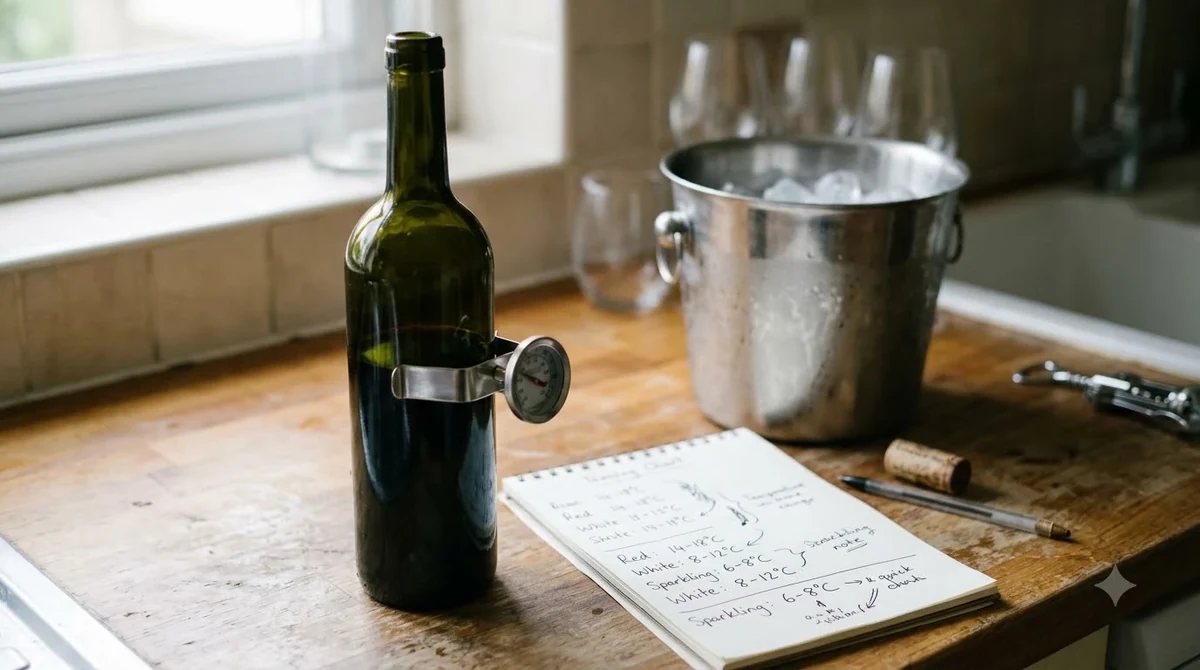
For serving, aim for 45 to 50 degrees Fahrenheit. This temperature keeps the wine refreshing while allowing its fruit and floral character to remain noticeable. It works particularly well with grilled shrimp, salmon, Mediterranean vegetables, and roast chicken.
Studio by Miraval
Studio by Miraval is a separate rosé offering rather than simply a smaller bottle of standard Miraval. Its lower retail position makes it relevant to shoppers who want to explore the label without paying the typical standard-bottle price.
Total Wine & More lists Studio in a 750 ml format, while Wine Decider separately tracks Studio vintages and merchant listings. This makes it possible to compare the label across multiple sellers. The price difference can be particularly useful when buying several bottles for a party or casual outdoor meal.
For shoppers who prefer white wine rather than rosé, the Miraval white wine page provides a useful starting point for exploring that category. Do not assume that every wine associated with Miraval has the same grapes, sweetness, or pricing as the flagship rosé.
Magnums and smaller bottles
Large formats are useful for parties, shared meals, and occasions where presentation matters. Total Wine & More lists standard Miraval Rosé in a 1.5-liter magnum, as well as a 375 ml half bottle. The half bottle contains approximately two and a half standard 5 oz servings, while the magnum provides approximately ten.
For an intimate meal, a half bottle may be sufficient for two people who want one glass each with a little remaining. A magnum makes more sense for a larger table, especially if the wine is being served alongside several courses. However, bottle format alone does not guarantee better wine or better value. Compare the cost per 750 ml equivalent before deciding.
Common Mistakes When Comparing Miraval Prices
Most buying mistakes happen because shoppers compare bottles that are not equivalent. A 750 ml Studio bottle, a 750 ml standard rosé, and a 1.5-liter magnum should be evaluated separately.
Confusing Studio with standard Miraval
The most common mistake is assuming that every Miraval-labeled rosé is the same product. Total Wine & More lists Studio and standard Côtes de Provence Rosé separately, with different displayed prices. Wine Decider likewise separates their vintages and merchant offers.
When searching online, include the complete wine name in your comparison. This prevents a lower Studio listing from being mistaken for a price on the standard Côtes de Provence Rosé. It also helps avoid comparing a half bottle against a full bottle.
Ignoring bottle size
A magnum naturally carries a higher total price than a standard bottle because it contains twice as much wine. A half bottle costs less overall but provides only half the volume. Comparing the headline price without considering the volume can produce a misleading impression of value.
Use 750 ml as the common reference size. For example, divide a 1.5-liter bottle’s total cost by two to calculate its equivalent cost per standard bottle. This simple calculation helps determine whether the larger format is financially sensible.
Assuming all vintages cost the same
Wine retailers may list different vintages at different prices. Wine Decider’s listings show this distinction for both standard Miraval and Studio. Differences in availability, remaining stock, and the vintage itself can influence what merchants charge.
Another mistake is assuming an older vintage must be better because it costs more. Rosé is often purchased for its freshness, and many buyers prefer a relatively recent release. For a casual purchase, freshness and storage conditions may be more important than paying extra for an older bottle.
Choosing solely by the lowest listed price
A low displayed price is only one part of the purchase decision. Delivery restrictions, shipping costs, taxes, and retailer location can change the final amount. Wine Decider explicitly notes that prices and delivery options vary according to country.
Check whether the merchant is selling the same vintage and bottle size, and make sure the listing actually refers to the intended Miraval label. A slightly higher local retail price may be more convenient than ordering from a distant seller with additional delivery costs.
Serving, Storage, and Getting Good Value
Proper serving and storage help preserve the wine’s intended character, whether you purchase Studio by Miraval or the standard Côtes de Provence Rosé. A chilled serving temperature of 45 to 50 degrees Fahrenheit and sensible refrigeration after opening are two useful habits.
Serve at the right temperature
Rosé is best served cool rather than extremely cold. Aim for 45 to 50 degrees Fahrenheit, which helps maintain freshness without suppressing all the wine’s aromas. If the bottle has been stored at room temperature, refrigerate it for a few hours before serving.
A standard 750 ml bottle generally provides five 5 oz pours. For a dinner with four guests, that leaves one additional serving, making a single bottle a reasonable starting point. For a longer meal, a second bottle may be appropriate.
Pair with food
Dry Provence rosé is versatile because it can work with a variety of foods without dominating the meal. Try Miraval with grilled shrimp, roast chicken, tuna dishes, Mediterranean salads, or vegetables prepared with olive oil and herbs.
Its refreshing acidity can complement dishes containing lemon, tomatoes, and vinaigrette. For spicy food, keep the alcohol and heat in mind: chili can make alcohol seem more pronounced. If the meal contains particularly strong spices, choose dishes and wine temperatures carefully rather than assuming that rosé will automatically soften the heat.
Store bottles correctly
For longer storage, keep bottles in a cool, dark location near 55 degrees Fahrenheit, away from sunlight and major temperature fluctuations. Bottles with traditional cork closures are generally stored on their sides to keep the cork from drying out.
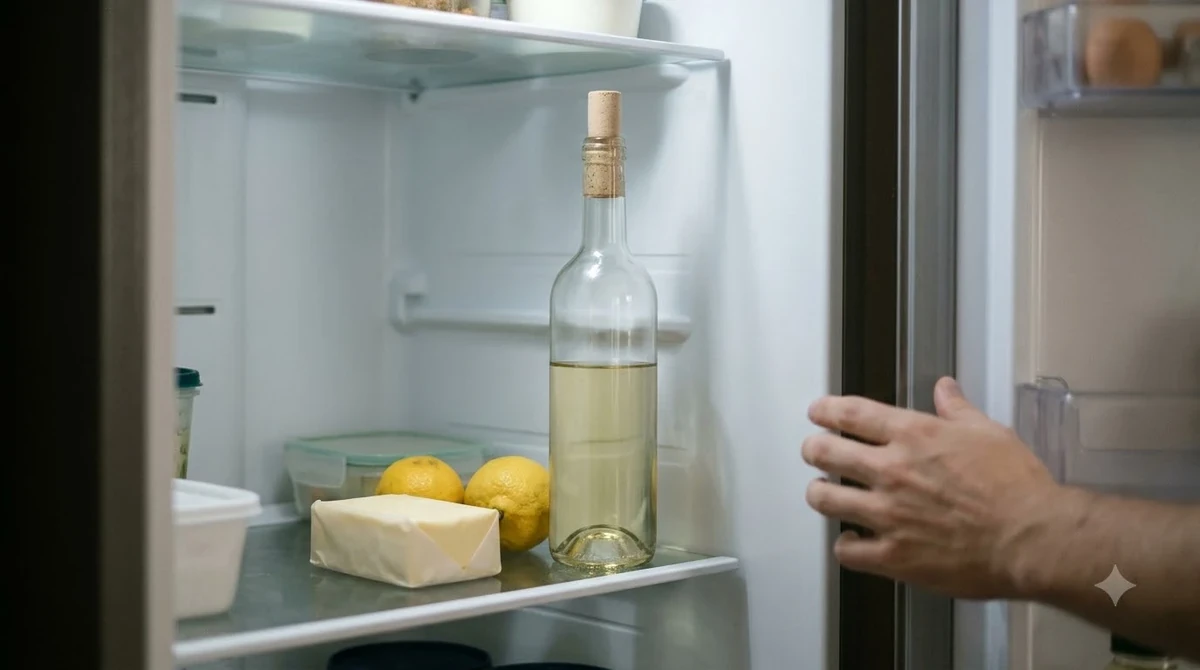
Once opened, reseal the bottle and refrigerate it. Most opened still wines are best consumed within approximately three to five days, although aroma and freshness gradually decline. Use a proper wine stopper to reduce air exposure and avoid leaving the bottle open on the dining table overnight.
Think about cost per serving
Price per serving is a useful way to judge whether a bottle fits your budget. A 750 ml bottle contains approximately five standard glasses. A bottle in the $20 range therefore works out to roughly $4 per 5 oz serving before taxes, while a bottle in the $15 range works out to approximately $3 per serving.
That calculation does not mean the less expensive bottle is necessarily the better wine. It simply gives you a practical way to plan a dinner or gathering. If you prefer standard Miraval’s particular style, the extra amount may be worthwhile for your occasion. If you are serving wine to a larger group, Studio can be a sensible alternative.
Frequently Asked Questions
Is Miraval Rosé made in Provence?
Yes. The standard Côtes de Provence Rosé carries the Côtes de Provence designation in southeastern France. This appellation is associated with the Var department and a regional tradition of dry rosé production. Its geographical designation is an important distinction from rosé wines made in other French regions.
What does Rolle mean on a Miraval wine description?
Rolle is the name commonly used in Provence for the white grape variety Vermentino. It is an aromatic variety associated with Mediterranean wine regions. Its presence in a rosé blend illustrates that Provençal rosé can include both red and white grape varieties.
Does a magnum age wine differently from a standard bottle?
Yes. Wine generally develops more slowly in a magnum because the larger volume of wine has a smaller proportion of oxygen exposure relative to the amount of liquid, assuming comparable closures. This is one reason large formats are often valued by collectors. For everyday rosé drinking, however, most shoppers will find a standard 750 ml bottle more convenient.
Is Provence rosé always made from the same grapes?
No. Côtes de Provence permits several grape varieties, and producers can use different combinations and proportions. Tibouren, Mourvèdre, and Carignan are among the other varieties associated with the wider regional tradition. This flexibility means that two wines carrying the same appellation can still have distinct compositions and flavor profiles.
Can rosé be served in a regular white wine glass?
Yes. A standard white wine glass is a practical choice for rosé because its bowl allows aromas to develop while keeping the wine relatively cool. A glass holding approximately 10 to 12 oz provides sufficient room for a standard 5 oz pour. Specialized rosé glasses are optional rather than necessary.
Does a wine’s alcohol percentage affect its serving experience?
Yes. Alcohol contributes to the wine’s weight and warming sensation on the palate. The 2025 standard Miraval Rosé listed by Berry Bros. & Rudd contains 13% alcohol. Serving it at the recommended 45 to 50 degrees Fahrenheit helps maintain a refreshing overall impression.
The right Miraval purchase depends on whether you want the familiar standard Côtes de Provence Rosé, the more affordable Studio label, or a larger bottle for sharing. Compare the exact wine, vintage, and bottle size rather than relying on the lowest displayed number. With a sensible budget and proper serving temperature, you can choose a Miraval bottle that fits both your meal and your occasion.
More in Wine Brands
 Underwood Wine Price: Compare Bottles, Cans, and Pack SizesUpdated Nov 21, 2026
 Zenato Wine Price: Compare Styles and Choose the Right BottleUpdated Nov 21, 2026
 Zuccardi Wine Price: Compare Bottles and Find the Right RangeUpdated Nov 21, 2026
 Yellow Tail Moscato Review: Taste, Sweetness and Serving TipsUpdated Nov 21, 2026
 Wolf Blass Yellow Label Review: Choose Your Best StyleUpdated Nov 21, 2026
 Wolffer Estate Rose Review: Choose the Right Bottle for Your TableUpdated Nov 21, 2026