

We may earn a commission when you buy through links on this page, at no extra cost to you. Learn more.
The relax riesling price typically falls around $10 to $14 for a 750 ml bottle in the United States, making it an accessible option for everyday white wine drinking. The exact amount depends on the retailer, location, bottle availability, and current vintage. RELAX Riesling is a slightly dry German white wine with 9.5% ABV, noticeable acidity, and fruit flavors of apple, peach, and citrus. Its combination of approachable pricing and refreshing character makes it a practical choice for casual dinners, gatherings, and people who enjoy fruit-forward Riesling.
RELAX Riesling occupies a familiar place in the affordable German white wine category: a recognizable bottle, a lightly sweet fruit profile, and enough acidity to keep the wine refreshing. However, comparing prices involves more than looking at the number on a shelf. Bottle size, retailer pricing, regional availability, and the wine’s sweetness all influence whether a purchase represents good value. This guide explains what American shoppers can expect to pay, what they receive for their money, and how to choose the right bottle for different occasions.
Who Should Consider Buying RELAX Riesling?
RELAX Riesling is particularly suitable for shoppers seeking a reasonably priced German white wine with recognizable fruit flavors and a slightly sweet finish. Its 9.5% ABV and combination of acidity and residual sugar make it approachable for people who prefer a softer, fruit-forward alternative to very dry white wines.
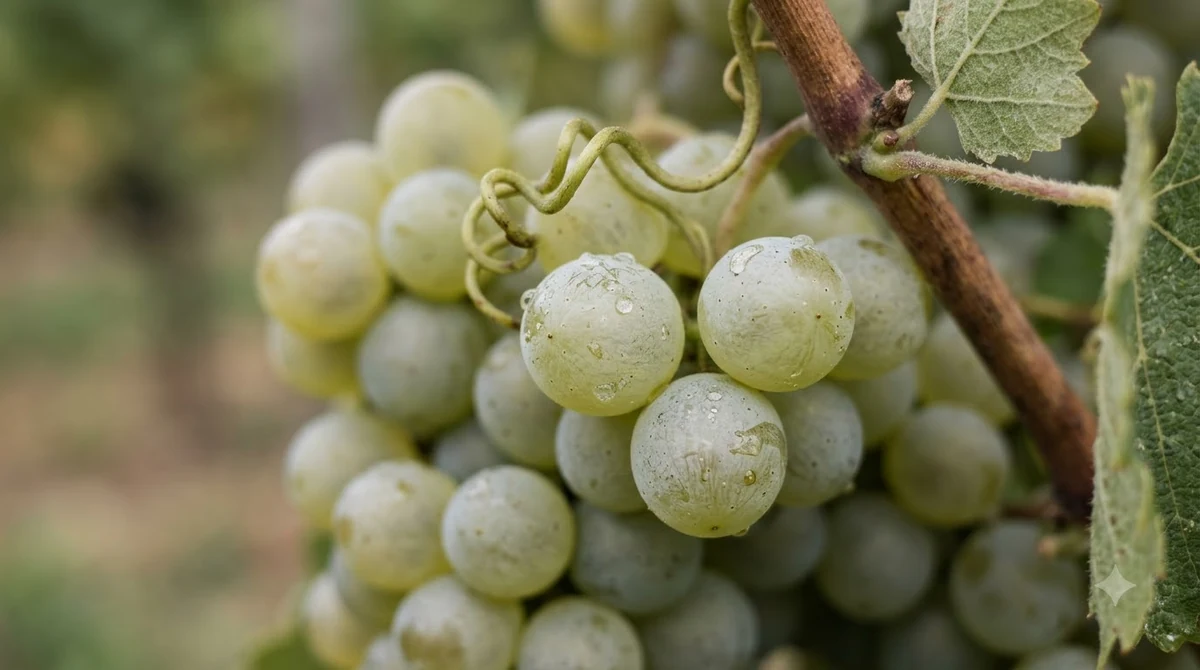
The wine comes from Germany’s Mosel region, where the producer sources Riesling grapes from vineyards with slate and mineral soils. The official RELAX description emphasizes cold fermentation in stainless steel tanks, a method used to preserve the wine’s fresh fruit character rather than introduce prominent oak flavors. Apple, peach, and a hint of citrus are the principal flavors identified by the producer.
For budget-conscious shoppers, the main attraction is the combination of an accessible retail price and a recognizable Riesling style. A bottle generally sits in the everyday drinking category rather than the premium collectible category. That makes it relevant for casual meals, informal celebrations, and situations where a host wants a versatile white wine without committing to an expensive bottle.
It is also a reasonable option for people who find very dry Sauvignon Blanc or sharply mineral Riesling too austere. RELAX has enough sweetness to soften its acidity, while its fruit-forward profile keeps it from tasting like a heavy dessert wine. Someone who prefers bone-dry white wines, however, may find the sweetness more noticeable than expected.
Shoppers comparing this bottle with other familiar German wines can also explore our RELAX Riesling overview for additional information about its style and characteristics. For someone specifically looking for an everyday bottle, the key question is whether the balance of sweetness, acidity, and price matches their preferences.
Key Factors That Determine the Bottle Price
The most useful starting point is the standard 750 ml bottle, which generally costs about $10 to $14 at US retailers. The amount charged depends on the seller, regional distribution, local taxes, and available inventory, so comparing the same bottle size across retailers is more meaningful than comparing unrelated wine listings.
| Buying factor | Typical information | Why it matters |
|---|---|---|
| Standard bottle | 750 ml | Common comparison size |
| Typical US retail range | About $10–$14 | Useful everyday buying budget |
| Alcohol content | 9.5% ABV | Identifies the wine’s relatively moderate strength |
| Residual sugar | 40–44 g/L | Explains its noticeable sweetness |
| Total acidity | 7.0–9.0 g/L | Helps balance the fruit and sugar |
| Grape variety | Riesling | Identifies the wine’s principal grape |
| Origin | Germany, Mosel | Provides regional context |
| Closure | Screw cap on the listed Wine.com 2021 bottle | Convenient for casual opening and storage |
Retail listings provide a useful indication of the range. Target has listed the 750 ml bottle at approximately $10.99, while Total Wine listings have shown prices around $10.97 to $11.99. These retailer examples support a practical US shopping expectation of approximately $10 to $14, although prices vary by state and retailer. For additional context, Total Wine’s RELAX Riesling listing provides the bottle format and product description alongside its store-dependent pricing information.
Retailer location is an important consideration. A wine store in one state may have different distribution costs, taxes, and inventory arrangements from a supermarket in another state. Online listings can also display a different amount depending on the delivery destination or selected pickup store. Therefore, a price seen in one market should not automatically be treated as a nationwide standard.
Bottle size is another consideration. A 750 ml bottle is the most useful reference point because it is the standard format commonly displayed by American retailers. Larger formats may appear to offer better value per milliliter, but the comparison should account for how much wine will actually be consumed and whether the larger package is convenient for the occasion.
Vintage can also influence availability. Retailers may carry different bottlings at different times, and older online listings do not necessarily represent the bottle currently available locally. The listed 2021 RELAX Riesling on Wine.com, for example, is identified as a 750 ml wine with 9.5% ABV, but that particular listing is marked sold out. Its former listing price should not be mistaken for a current nationwide selling price.
Step-by-Step: How to Buy RELAX Riesling at a Sensible Price
Comparing the same bottle at several sellers is the simplest way to make an informed purchase. A few straightforward checks help prevent confusion between different formats, outdated listings, and wines that have a similar appearance but a different sweetness profile.
-
Start with the standard 750 ml bottle.
Use the regular bottle as your reference when comparing retailer listings. A price for a larger format cannot be compared directly with a standard bottle without calculating the cost per milliliter. The 750 ml format is also convenient because it provides approximately five standard 5 oz wine pours.
-
Compare at least two or three retailers.
Look at grocery stores, dedicated wine retailers, and established online wine shops that serve your state. For example, Target and Total Wine have both listed the standard bottle. Compare the actual displayed prices and availability rather than assuming that one retailer is always cheaper.
-
Confirm that the wine is the regular RELAX Riesling.
Wine ranges can contain multiple styles and bottle formats. Make sure the listing identifies Riesling rather than another RELAX wine, such as a rosé or sparkling selection. The grape variety, German origin, and 750 ml format are useful identifiers.
-
Check the alcohol content and sweetness information.
The producer lists 9.5% ABV, 40–44 grams per liter of residual sugar, and 7.0–9.0 grams per liter of acidity. These figures help explain why the wine tastes fruity and slightly sweet while retaining a refreshing finish. They also distinguish it from a completely dry Riesling.
-
Consider the occasion before choosing the quantity.
One 750 ml bottle provides approximately five 5 oz servings. That can be sufficient for a small dinner or two people sharing wine over a meal. For a larger gathering, calculate the number of guests and expected servings before deciding whether several bottles make sense.
-
Compare the final checkout amount.
Online shopping may involve delivery fees, local taxes, and minimum order requirements. A bottle with a slightly lower shelf price may not be the least expensive option after those additional costs. Local pickup can sometimes make the comparison simpler.
-
Choose the bottle that matches your taste preferences.
A low purchase price is only useful if the wine suits the drinker. People who enjoy peach, apple, citrus, and a noticeable touch of sweetness are more likely to appreciate this style than people who exclusively drink very dry, lean white wines.
This approach helps shoppers compare actual value instead of focusing on a single shelf label. It also reduces the likelihood of purchasing the wrong format or confusing RELAX Riesling with another wine in the same brand family.
Tip: Use the 750 ml bottle and its listed 9.5% ABV as your comparison baseline. Before buying several bottles, compare the final local checkout amount and confirm that the wine’s slightly sweet style matches the preferences of the people who will drink it.
RELAX Riesling Styles, Sweetness, and What the Price Buys
The standard RELAX Riesling is a fruit-forward, slightly dry German white wine with noticeable residual sugar and refreshing acidity. Its principal appeal is the combination of approachable fruit flavors and a relatively light alcohol level, rather than complex oak aging or an intensely dry finish.
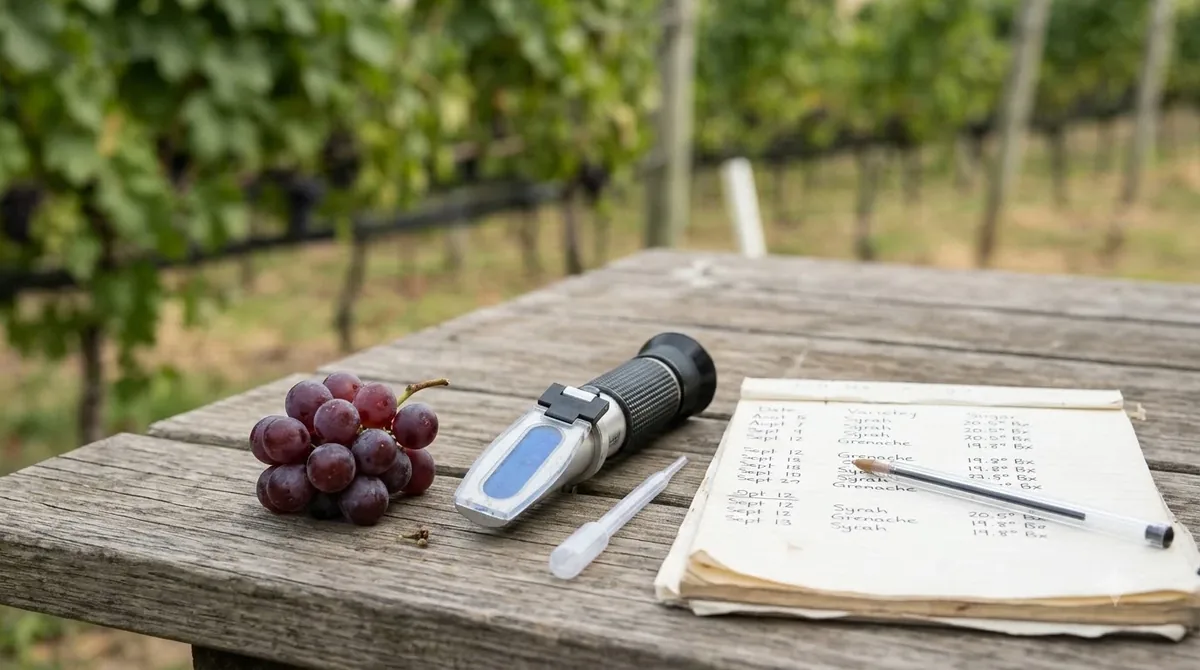
The producer describes its flavor profile as apples, peaches, and a hint of citrus. These are useful expectations when considering the bottle because they indicate a wine that emphasizes fresh fruit rather than heavy tropical flavors, pronounced vanilla, or toasted oak. Wine.com’s professional tasting note for its listed 2021 bottling also mentions peach nectar and honeysuckle, with a light touch of toffee and a refreshing finish.
Understanding the sweetness
The official technical information lists 40–44 grams per liter of residual sugar. This is a meaningful amount of sugar, and it helps explain why the wine tastes noticeably sweeter than a typical bone-dry white wine. However, sweetness does not exist independently of acidity. The producer’s reported 7.0–9.0 grams per liter of acidity helps maintain freshness and prevents the fruit character from feeling completely flat.
In practical terms, RELAX Riesling is better described as slightly sweet or off-dry in everyday shopping language than as a dry white wine. It is not necessarily a dessert wine in the conventional sense, because its acidity and fruit character make it suitable for meals and casual sipping.
Understanding the grape and region
Riesling is a versatile white grape capable of producing wines ranging from bone-dry to very sweet. German Riesling, particularly from the Mosel, is associated with expressive fruit, pronounced acidity, and the ability to balance sweetness with freshness. The region’s slate-influenced growing conditions are part of the character emphasized in the RELAX producer description.
The wine’s production approach is also relevant to its accessible style. According to the producer, fermentation takes place in stainless steel tanks under cold conditions. This helps preserve fresh fruit characteristics, making apple, peach, and citrus central to the intended drinking experience.
What the everyday price does and does not promise
A bottle in the approximate $10 to $14 category should be considered an accessible everyday wine rather than a premium cellar investment. The price pays for a ready-to-enjoy white wine with a clearly defined flavor profile and a convenient format. It is intended to be opened and enjoyed without elaborate preparation.
That does not mean the wine has no character. Its balance of fruit, sweetness, and acidity gives it a recognizable style, and the Mosel origin provides a regional identity. However, shoppers should not expect the depth, complexity, or aging potential associated with more expensive single-vineyard German Rieslings.
For people who enjoy this general style but want to compare another familiar producer, our Chateau Ste Michelle Riesling guide offers another useful reference point for understanding accessible Riesling options.
Common Mistakes When Comparing RELAX Riesling Prices
The most common purchasing mistakes involve confusing sweetness with dryness, overlooking bottle size, and treating an online listing as a guaranteed local price. Understanding these differences makes it easier to judge whether a bottle represents good value.
Assuming that every Riesling tastes the same
Riesling is a grape variety, not a single sweetness category. Some Rieslings are crisp and bone-dry, while others have substantial residual sugar. RELAX is described by its producer as slightly dry, with 40–44 grams per liter of residual sugar. A shopper expecting a completely dry wine may therefore be surprised by its fruit-forward sweetness.
It is more useful to consider the wine’s overall balance than to rely exclusively on the grape name. The 7.0–9.0 grams per liter acidity listed by the producer is important because it contributes freshness alongside the sugar.
Comparing different bottle sizes incorrectly
A 750 ml bottle and a larger-format bottle should not be compared using their total prices alone. The larger package may cost more but contain substantially more wine. Calculating the amount per 100 ml provides a fairer comparison.
For a standard 750 ml bottle, approximately five 5 oz servings are available. That makes it easier to estimate the number of bottles required for a dinner or gathering. A household purchasing one bottle for a small meal has different needs from a host serving ten guests.
Expecting every retailer to charge the same amount
Retail prices differ between states, stores, and distribution channels. One retailer may list a bottle near the lower end of the usual range, while another charges more because of local operating costs or market conditions. A listing that appears inexpensive in one location is not necessarily representative of the entire country.
Shipping and pickup arrangements can also change the final cost. A lower online listing may require delivery fees, while a local store may offer pickup without additional transportation costs. Compare the amount payable at checkout rather than the headline price alone.
Confusing an older vintage listing with current stock
Online wine catalogs sometimes retain information about bottles that are no longer available. Wine.com, for instance, has listed a 2021 RELAX Riesling with a former price and a sold-out status. That listing remains useful for understanding the wine’s format and producer notes, but it does not establish the current cost of a bottle in a local store.
Shoppers should distinguish between product information and live availability. A description can remain accurate even when the particular vintage has disappeared from retail inventory.
Judging value only by the alcohol percentage
RELAX Riesling’s 9.5% ABV is relatively moderate compared with many still wines, but alcohol content alone does not determine quality or value. The grape variety, sweetness, acidity, production method, and intended occasion are all relevant.
For someone seeking a lighter-feeling fruit-forward white wine, the combination may be appealing. Someone who prefers a full-bodied, very dry Chardonnay may find the style less suitable regardless of its price.
Serving, Opening, and Storage Tips for Better Value
Proper serving and storage help preserve the fresh fruit and acidity that define RELAX Riesling. Because this is a fruit-forward white wine, chilling it appropriately and protecting an opened bottle from unnecessary exposure to air are more important than elaborate decanting.
Serve it properly chilled
A temperature of approximately 45–50°F is a useful target for this style of white wine. Chilling the bottle before serving makes the acidity feel refreshing and helps keep the fruit profile lively. A wine served too warm can seem sweeter and less crisp than intended.
A refrigerator is a convenient way to prepare the bottle. If it has been stored at room temperature, allow sufficient time for it to cool before pouring. Avoid leaving the bottle in a freezer for an extended period, since forgetting it there can lead to freezing and potential bottle damage.
Use appropriate serving portions
A standard 5 oz serving is a practical reference for calculating how much wine a bottle provides. A 750 ml bottle contains approximately five such servings, making it straightforward to estimate quantities for a meal or small gathering.
Use clean white wine glasses with enough room to allow the aromas to develop. A large, expensive glass is not essential. The important considerations are a clean glass, an appropriate serving temperature, and enough space to appreciate the wine’s apple, peach, and citrus aromas.
Match the wine with suitable food
The wine’s combination of sweetness and acidity makes it particularly flexible at the table. The producer specifically recommends grilled seafood, poultry, spicy Asian dishes, and fresh salads. These suggestions work because the acidity provides freshness while the sweetness can soften the perception of chili heat in appropriately balanced dishes.
For a seafood dinner, consider grilled shrimp, mild white fish, or lightly seasoned scallops. Chicken with citrus-based seasoning is another sensible choice. For Asian food, the wine can work with moderately spicy dishes, sweet-and-sour flavors, and dishes containing ginger.
Salads with fruit, citrus dressing, or a slightly sweet vinaigrette can also complement the wine. Very acidic dishes are generally easier to pair with wines that have comparable or higher acidity, so a heavily vinegar-based salad may be less harmonious than one with a balanced dressing.
Store the bottle correctly
Keep unopened wine away from direct sunlight, high temperatures, and repeated temperature changes. A cool, dark storage location is preferable to a sunny kitchen counter or a cabinet beside an oven. For longer-term bottle storage, a consistent temperature near 55°F is a useful target.
Once opened, replace the closure securely and refrigerate the remaining wine. A screw cap makes resealing convenient when the bottle has that closure. As a general guideline, opened still white wines are best consumed within approximately three to five days when refrigerated, although freshness can decline sooner depending on air exposure and storage conditions.
There is little reason to decant this style of wine for an extended period. It is intended to be enjoyed for its fresh fruit character, so opening the bottle shortly before serving is generally sufficient.
These straightforward steps help protect the qualities that make the bottle appealing. Buying an affordable wine is only part of obtaining good value; serving it at the right temperature and keeping leftovers properly refrigerated also matter.
Frequently Asked Questions
Does RELAX Riesling have a screw cap?
Wine.com’s listed 2021 RELAX Riesling identifies a screw cap as a bottle feature. This closure makes opening and resealing convenient without requiring a corkscrew. Packaging can vary between bottlings, so the specific bottle presentation may differ.
How many calories are in RELAX Riesling?
The producer’s technical page provides alcohol, acidity, and residual sugar figures but does not publish a calorie count for the wine. Calorie content depends on the alcohol and remaining carbohydrate in the particular bottling. A reliable numerical figure should therefore come from the applicable bottle nutrition information rather than an assumed estimate.
Can RELAX Riesling be used in a wine spritzer?
Yes, its fruity character and acidity make it suitable for a simple white wine spritzer. A practical starting point is equal parts chilled Riesling and plain sparkling water, served over ice. A lemon slice or peach garnish can complement its existing fruit profile without requiring additional sweetener.
Does RELAX Riesling require aging before drinking?
No extended cellaring is necessary to enjoy the wine’s intended fresh fruit character. Its apple, peach, and citrus profile is designed for approachable drinking rather than requiring years of bottle development. Proper cool storage is still helpful if the bottle will not be opened immediately.
Is RELAX Riesling suitable for a wine gift?
It can be a practical informal gift for someone who enjoys German white wine and fruit-forward flavors. Its recognizable Riesling style makes it easier to choose than an unfamiliar specialty wine. For a formal occasion or someone who collects premium German wines, a more distinctive regional or vineyard-specific bottle may be a better fit.
RELAX Riesling offers an accessible way to enjoy German Mosel-style Riesling, with a typical US retail expectation of approximately $10 to $14 for a 750 ml bottle. Its 9.5% ABV, apple and peach flavors, noticeable acidity, and slightly sweet character make it a sensible option for casual meals and informal gatherings. Compare local retailers, consider the sweetness before buying, and choose the bottle when its style and price match the occasion.
More in Wine Brands
 Underwood Wine Price: Compare Bottles, Cans, and Pack SizesUpdated Nov 21, 2026
 Zenato Wine Price: Compare Styles and Choose the Right BottleUpdated Nov 21, 2026
 Zuccardi Wine Price: Compare Bottles and Find the Right RangeUpdated Nov 21, 2026
 Yellow Tail Moscato Review: Taste, Sweetness and Serving TipsUpdated Nov 21, 2026
 Wolf Blass Yellow Label Review: Choose Your Best StyleUpdated Nov 21, 2026
 Wolffer Estate Rose Review: Choose the Right Bottle for Your TableUpdated Nov 21, 2026