

We may earn a commission when you buy through links on this page, at no extra cost to you. Learn more.
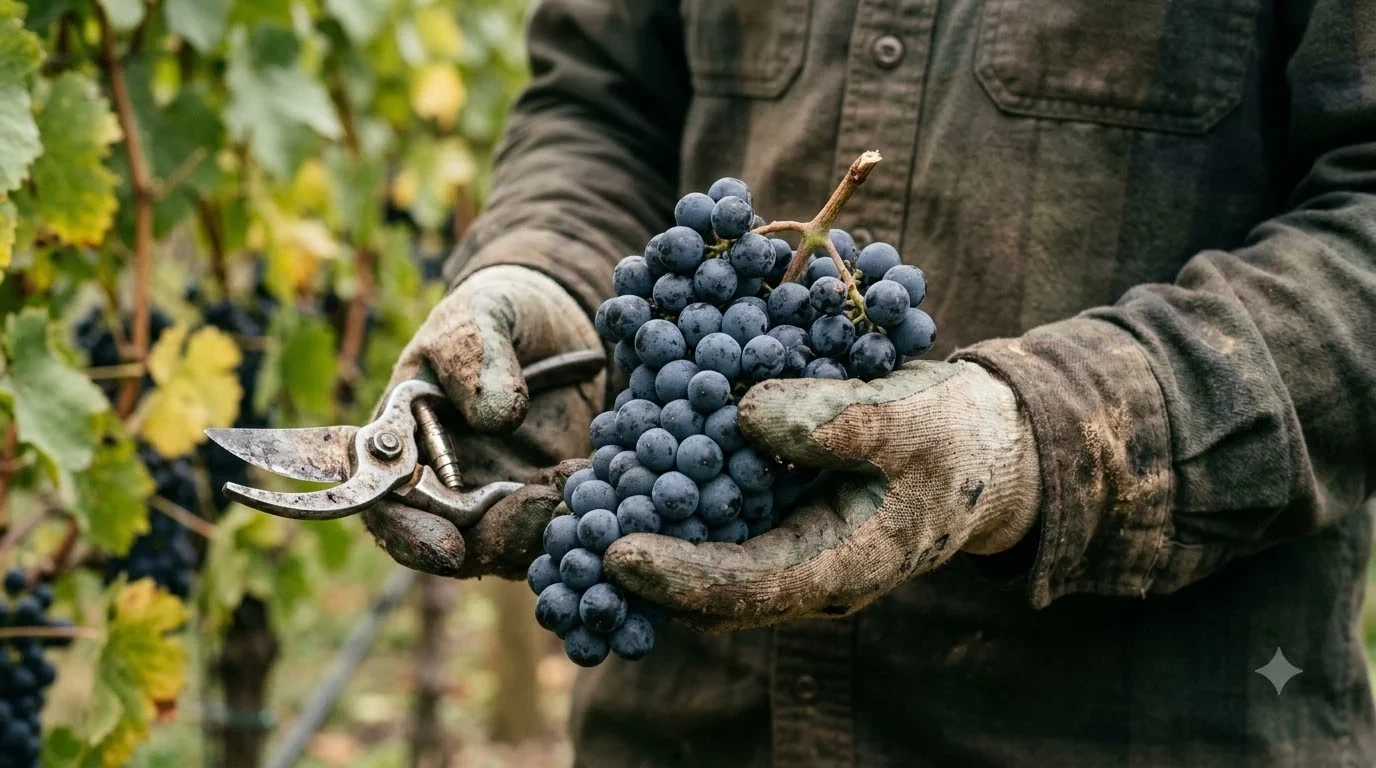
The penfolds grange price typically ranges from about $545 to $685 for a 750 ml bottle of commonly tracked recent vintages at US retailers, with older, rarer and particularly sought-after bottles potentially costing considerably more. The final amount depends on vintage, provenance, storage history, bottle condition and the retailer. Understanding these differences helps buyers decide whether they are paying for a collectible vintage, a well-preserved drinking bottle or simply an inflated asking price.
Penfolds Grange occupies a distinctive position in Australian fine wine. Known as Bin 95, this powerful South Australian Shiraz has a history stretching back to 1951 and a reputation built around concentrated fruit, structured tannins, American oak and extended aging potential. Its premium positioning makes comparison shopping particularly important. Two bottles bearing the same Grange name can have substantially different market values depending on their vintage and ownership history.
Who This Is For
This buying guide is for wine enthusiasts, collectors, gift buyers and anyone comparing the cost of Penfolds Grange before purchasing a bottle. It explains the typical US retail price range, the reasons different vintages command different amounts and the practical checks that matter when buying expensive Australian Shiraz.
Grange is not an everyday bottle for most wine drinkers. Its premium price reflects its historical importance, established reputation, distinctive production approach and position in the international fine-wine market. Someone purchasing it for a special dinner may have different priorities from a collector seeking a particular vintage or a buyer interested in a bottle from a meaningful birth year.
It also helps to understand the difference between buying a wine for drinking and purchasing one primarily for its collectible appeal. A relatively young bottle from a reputable retailer may be easier to evaluate than a mature vintage offered by an unfamiliar seller. The former gives buyers greater confidence about storage and authenticity, while the latter may provide access to a developed wine that is no longer widely available through normal retail channels.
Readers unfamiliar with the producer can begin with this overview of Penfolds Grange, which explains the wine’s identity and place in the Australian wine collection. Understanding the producer and its flagship bottling makes price comparisons more meaningful.
This guide is especially useful if you are comparing 750 ml bottles, considering a mature vintage, or deciding whether the premium over other Penfolds Shiraz wines makes sense for your occasion. The central principle is simple: compare the same vintage and bottle format before judging whether an asking price is reasonable.
Key Factors to Compare
The most important factors behind a Penfolds Grange quotation are vintage, bottle condition, provenance, format and seller reputation. Comparing these details before looking at the final asking amount helps separate genuine vintage premiums from differences caused by storage or retailer pricing.
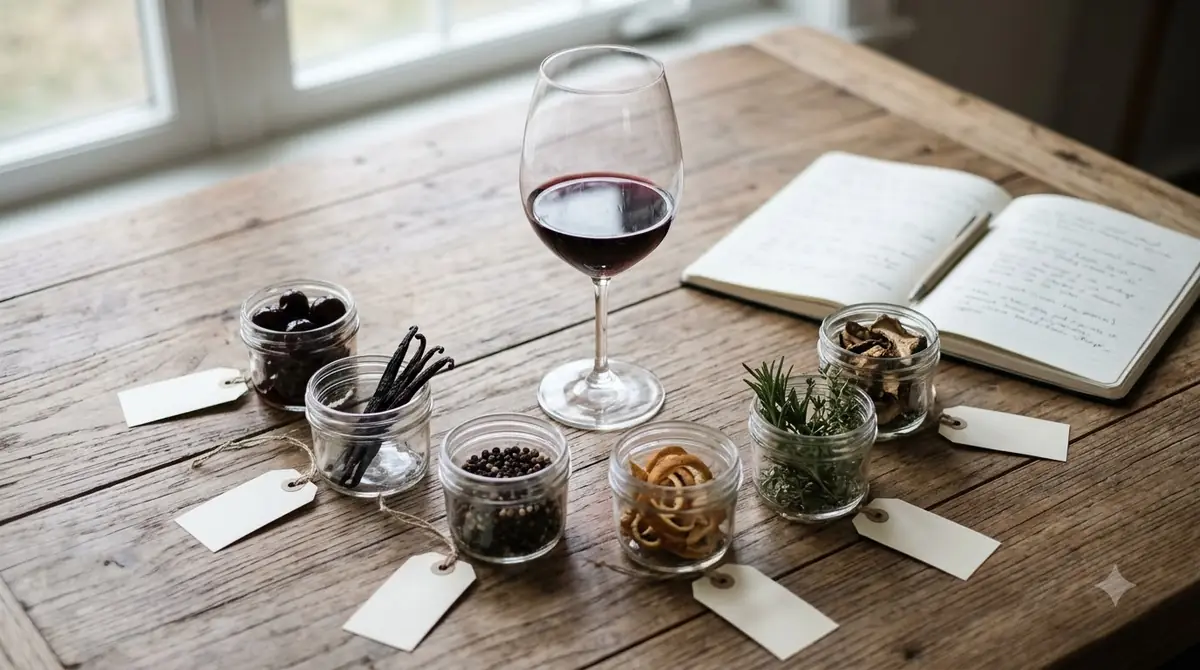
For recent US retail comparisons, Caveau reports typical prices of approximately $545 to $685 for tracked 750 ml bottles, depending on vintage. Its October 2026 comparison places the 2019 at approximately $545, the 2016 at $615, the 2018 at $675 and the 2017 at $685. These are indicative retail observations rather than guaranteed prices, and prices vary by state and retailer.
Those figures demonstrate why a single average is not enough. The 2017 example costs more than the 2019 in Caveau’s comparison, even though it is the older wine. Vintage reputation, market demand and available inventory can matter more than the number of years a bottle has spent aging.
Decanter provides another useful perspective. Its September 2026 Wine-Searcher comparison gives Penfolds Grange a global average retail value of approximately US$639 per 75cl bottle across all vintages. That international average is not a US-specific checkout quotation, but it offers context for understanding the wine’s position in the global fine-wine market.
| Comparison factor | What to examine | Why it matters |
|---|---|---|
| Recent vintage | 2016, 2017, 2018 or 2019 | Vintage-specific demand changes the retail quotation. |
| Bottle size | 750 ml standard bottle | Provides a consistent comparison between retailers. |
| Condition | Fill level, capsule, cork and label | Physical condition influences buyer confidence. |
| Provenance | Ownership and storage records | Helps establish the bottle’s history and authenticity. |
| Retail channel | Established wine merchant or auction | Different sales channels have different costs and risks. |
| Vintage maturity | Young release or mature bottle | Changes the wine’s drinking prospects and collector appeal. |
| Packaging | Original case or individual bottle | May influence collector interest and presentation. |
Vintage is often the first detail to compare. Decanter identifies 1990, 2010, 2018 and 2021 as particularly notable Grange vintages. That does not mean every bottle from those years will have the same market value. Retail availability, condition and the seller’s assessment all contribute to the final asking price.
Bottle condition deserves equal attention. A wine with a damaged capsule, questionable fill level or evidence of heat exposure should not be evaluated in the same way as a well-preserved bottle with documented storage. Older wine is particularly sensitive to its storage history because prolonged exposure to excessive temperatures can accelerate development and compromise quality.
Provenance means the documented history of a bottle, including where it was purchased, who owned it and how it was stored. A credible merchant should be able to explain the source of a mature bottle and provide relevant condition information. For a premium wine, this documentation is part of the purchasing decision rather than an optional extra.
Finally, compare like with like. A 750 ml bottle should not be compared directly with a 1.5 L magnum without accounting for the different format. Likewise, a retail quotation should not be treated as equivalent to an auction result, which may involve a buyer’s premium, shipping and other charges.
Tip: Compare at least three listings for the exact same vintage and 750 ml format. Record the retailer, bottle condition, provenance and shipping arrangements before deciding whether a quotation is competitive.
Step-by-Step
A sensible Grange purchase starts with choosing the purpose of the bottle, selecting a vintage and checking the seller before comparing prices. Following a consistent process reduces the chance of overpaying or buying a collectible bottle with an uncertain history.
-
Decide whether the bottle is for drinking, collecting or gifting.
A bottle intended for a special meal can be evaluated primarily on drinking readiness and condition. A collector may prioritize a particular vintage, original packaging and documented storage. A gift buyer may prefer a newer release from an established merchant because presentation and purchase documentation are easier to arrange.
-
Choose a vintage before comparing quotations.
Start by identifying the year you want. The 2018 and 2017 examples in Caveau’s comparison illustrate how recent vintages can have different retail values. If you are interested in mature wine, investigate older releases separately rather than assuming that their age automatically makes them more valuable.
-
Establish a realistic retail range.
Use current US retailer listings and comparison services to establish a reference point. Caveau’s tracked recent-vintage range of approximately $545 to $685 provides one useful benchmark, but the range should not be applied indiscriminately to every Grange vintage. Prices vary by state and retailer.
-
Compare the exact bottle format.
Make sure the listings refer to the same size. A standard 750 ml bottle and a 1.5 L magnum are different purchases. Also distinguish an individually sold bottle from a case, which may involve different storage, packaging and delivery arrangements.
-
Investigate the seller.
Look for an established fine-wine merchant with a clear business identity, a written returns policy and detailed descriptions. For older bottles, ask about previous ownership, storage conditions and how the merchant acquired the wine. A seller who cannot provide meaningful answers introduces additional uncertainty.
-
Inspect the bottle before committing.
Review photographs of the label, capsule, cork area and fill level. Check for leakage, unusual staining and damage. If photographs are insufficient, request additional images or a written condition assessment, particularly for older vintages.
-
Calculate the complete purchase cost.
Include applicable taxes, shipping, insurance and any auction-related charges. A lower advertised amount may not represent a lower final cost once these expenses are included. Confirm that shipping arrangements protect the wine from extreme heat and physical damage.
-
Keep the purchase documentation.
Save the receipt, vintage information, seller correspondence and any provenance or storage records. These details are useful for future insurance, cellar management and potential resale discussions. Retaining the original packaging can also be helpful for a collector.
It is particularly important not to rush the last stages. An expensive bottle can remain in a cellar for years, but an uncertain purchase cannot easily be corrected after delivery. Clear documentation and a reliable merchant provide a better foundation than an unusually attractive quotation alone.
For additional background on the producer’s broader portfolio, see the Penfolds wine collection. This helps put Grange in perspective alongside other Shiraz and Cabernet Sauvignon bottlings.
Types or Styles Explained
Penfolds Grange is a flagship red wine, but buyers encounter different vintages, bottle formats and stages of maturity. Understanding these distinctions is essential because the same label can represent very different drinking experiences and market valuations.
Young and recently released Grange
A young Grange generally emphasizes concentrated dark fruit, substantial structure and firm tannins. The wine’s combination of ripe Shiraz character and American oak gives it the intensity associated with the label. Buyers interested in cellaring may appreciate this stage because further bottle development can soften tannins and build complexity.
Young bottles are often easier to purchase through established retailers than rare older releases. They may also have clearer supply-chain documentation. However, buying a young bottle does not necessarily mean it is ready to drink immediately. Decanting and appropriate serving conditions can help make a powerful young red more approachable at the table.
Mature vintage Grange
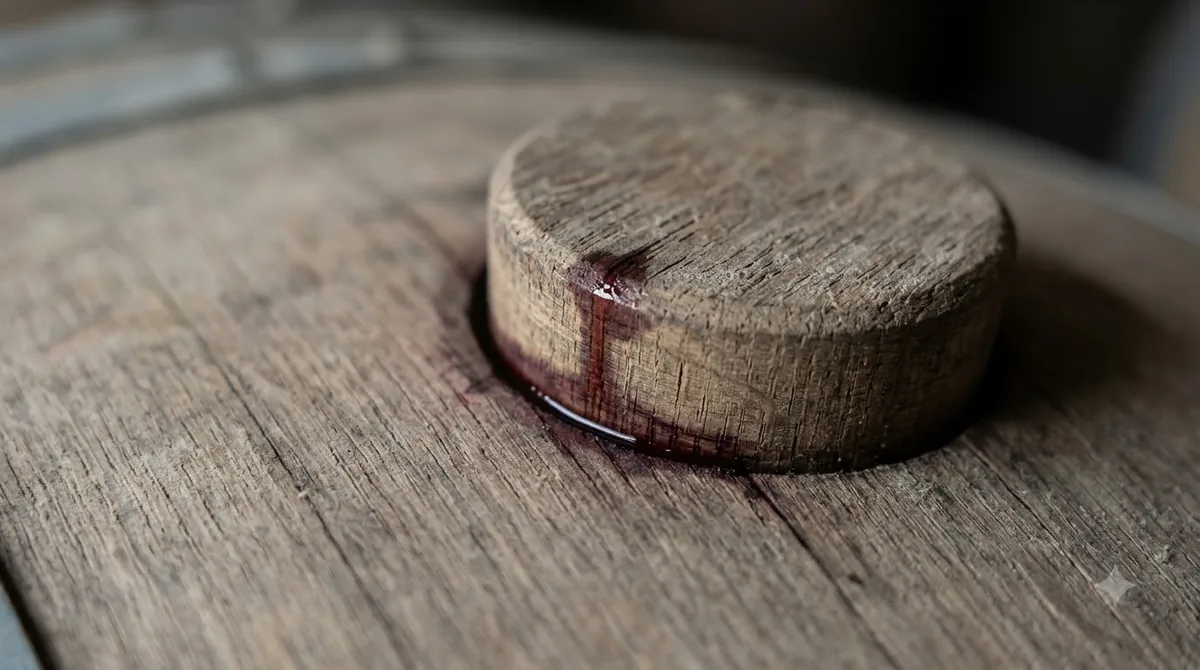
Mature Grange appeals to drinkers seeking developed aromas and a more integrated structure. Penfolds explains that bottle aging allows tannins to soften and complexity to increase. The pace of that development depends on vintage and storage conditions, so two bottles from the same year may not be identical.
Older bottles can be more difficult to source reliably. Their asking prices may reflect scarcity, collector demand or a notable historical reputation. However, a higher age or premium quotation does not automatically guarantee a better drinking experience. The condition and provenance of an individual bottle remain essential.
Grange Bin 95 and the original name
The Bin 95 designation identifies Penfolds Grange. The wine’s naming history is part of its appeal: the original experimental Grange was labeled Bin 1 before the winery settled on Bin 95 in 1961. Penfolds explains that its bin system originally helped winemakers identify wines by type, style and storage location.
Grange was also known as Grange Hermitage until the 1990 vintage, according to Decanter. The historic name should not be mistaken for a different wine. It refers to the same famous Penfolds flagship and its earlier naming tradition.
Standard bottles and magnums
The standard 750 ml bottle is the most practical format for ordinary retail comparisons. It is also the format used for Caveau’s recent-vintage US price comparison. A magnum holds 1.5 L, equivalent to two standard bottles, and may attract a different collector market.
Large formats can be appealing for celebrations and long-term cellaring, but they require additional consideration. Storage space, serving arrangements and the availability of suitable glassware all matter. Buyers should compare the actual volume rather than assuming a larger bottle represents a proportionately cheaper purchase.
Multi-region South Australian blending
Grange is not simply a single-vineyard Shiraz. Decanter describes the 2021 vintage as a South Australian multi-region blend comprising 66% Barossa, 26% McLaren Vale and 8% Clare Valley fruit. It also reports a 6% Cabernet Sauvignon component in that vintage.
These figures illustrate how Grange can combine fruit from different South Australian growing areas. They are specific to the 2021 vintage and should not be assumed to represent every release. The precise blend can change according to the vintage and the quality of available fruit.
For more information about the wine’s aromas and palate, the Penfolds Grange tasting notes provide useful context for evaluating its distinctive style.
Common Mistakes
The most expensive mistakes when buying Grange usually involve confusing age with value, overlooking provenance or comparing different vintages as though they were interchangeable. Avoiding these errors makes it easier to judge both the wine and the asking price realistically.
Assuming older always means more expensive
Wine does not follow a simple age-based pricing formula. A younger vintage with stronger market demand may cost more than an older one. Caveau’s comparison of the 2017 and 2019 vintages illustrates this point: the tracked 2017 typical price is higher despite its earlier vintage date.
Historical significance and scarcity can influence mature-bottle values, but the condition of surviving stock also matters. A well-preserved younger bottle can be a more sensible drinking purchase than an older bottle with uncertain storage.
Confusing retail prices with auction results
A retailer’s asking price and an auction sale result measure different things. Auctions can include buyer’s premiums and other charges, while retail listings may include different shipping and tax arrangements. Decanter’s reporting on mature Grange auction sales illustrates the significant values associated with rare historical bottles.
For an ordinary purchase, compare retail quotations with retail quotations. Use auction information as additional market context rather than treating it as a guaranteed estimate of what a bottle should cost.
Ignoring provenance
A prestigious label does not eliminate the need to check a bottle’s history. Poor storage can compromise even an exceptional vintage. Heat exposure, leakage and damaged closures can all create concerns that are not visible from the front label.
Ask for a clear explanation of where the wine came from and how it was kept. A documented chain of ownership is particularly valuable for mature bottles that have passed through several collectors or merchants.
Buying solely because of a famous vintage
Vintage reputation is useful, but it should not replace an assessment of the actual bottle. Decanter highlights 1990, 2010, 2018 and 2021 as notable Grange years. Nevertheless, a bottle from one of these vintages may be a poor purchase if its condition is questionable or its provenance cannot be established.
Consider the seller’s information alongside vintage reputation. A reputable source offering a slightly less famous year with good storage documentation may represent a more dependable purchase.
Assuming Grange is the only worthwhile Penfolds purchase
Grange is the producer’s flagship, but it is not the only serious wine in its portfolio. Penfolds also produces Bin 28 Shiraz, Bin 389 Cabernet Shiraz and Bin 707 Cabernet Sauvignon. These wines have different grape compositions, styles and price positions.
A buyer who wants powerful Australian red wine for a dinner party may not need the historical significance or collector appeal of Grange. Exploring other Penfolds bottlings can help determine whether the flagship premium is justified for the intended occasion.
Overlooking delivery conditions
Wine shipping deserves attention, particularly when purchasing during hot weather. Extended exposure to high temperatures can damage wine during transportation or temporary storage. Confirm that the merchant uses appropriate packaging and has a sensible delivery procedure.
Also consider the destination. If the bottle will be shipped to another state, verify the merchant’s shipping eligibility, insurance arrangements and delivery requirements before placing an order.
Care or Storage Tips
Proper storage protects the quality of Grange and helps preserve the value of a collectible bottle. A stable environment near 55°F, limited light exposure and minimal temperature fluctuation provide a practical foundation for long-term cellaring.
Store bottles on their sides when they have traditional cork closures. Horizontal storage helps maintain contact between the wine and cork, supporting the closure’s condition. Avoid locations near heating equipment, sunny windows, kitchen appliances or other sources of repeated temperature changes.
Humidity also matters because very dry conditions can contribute to cork deterioration over extended periods. A dedicated wine refrigerator or properly managed cellar is preferable to an ordinary kitchen refrigerator for long-term storage. The objective is consistency rather than frequent temperature adjustment.
Keep bottles away from strong vibrations and direct sunlight. Moving a collectible bottle repeatedly between storage locations is unnecessary and may disturb sediment in mature wine. Maintain a simple cellar record with the vintage, purchase date, merchant, storage location and any available provenance information.
Serving temperature and decanting
Grange is a full-bodied red, so a serving temperature of approximately 60°F to 65°F is a useful starting point. Serving it excessively warm can make alcohol seem more prominent and reduce the balance between fruit, acidity and tannin. If the bottle has been stored at a cooler cellar temperature, allow it to warm gradually before pouring.
Young, full-bodied reds can benefit from 30 to 60 minutes of decanting. This gives the wine time to open and helps separate it from any sediment that may have developed. Older bottles require more caution because extended exposure to air can diminish delicate mature aromas. Inspect the wine and adjust the decanting approach to its condition.
Food pairing
Grange’s concentrated fruit and substantial tannins make it a natural companion for rich dishes. Roast beef, grilled lamb, braised short ribs and other savory preparations can complement its structure. Salt and fat soften the perception of tannin, helping the wine feel more balanced alongside substantial food.
Hard, aged cheeses can also work well, particularly when their savory character complements the wine’s concentrated fruit. Avoid pairing a highly tannic red with delicate oily fish, which can create an unpleasant combination. Very spicy dishes can also amplify the perception of alcohol and tannin.
For a special dinner, serve modest pours of approximately 5 oz and allow guests to revisit the glass as the wine develops. A 750 ml bottle provides roughly five such servings. This is a useful approach for an expensive wine because it encourages thoughtful tasting without requiring large pours.
After opening, reseal the bottle and keep remaining wine refrigerated. Still wines generally retain their best opened-bottle character for approximately 3 to 5 days, although an older bottle may be more delicate and should be assessed sooner.
Protecting collectible bottles
If the bottle is intended for collection, preserve its original packaging and purchase paperwork where available. Keep photographs of the label, capsule and bottle condition. These records help establish what was purchased and provide useful documentation if the bottle is insured or transferred to another owner.
Decanter’s Australian collector guidance emphasizes verifying provenance and condition before buying rare wine. Its advice is particularly relevant to mature Grange because storage history can have a substantial effect on both drinkability and resale confidence.
For the producer’s own explanation of its flagship wine, consult Penfolds’ official Grange history and production overview. For wider market context, Decanter’s Australian collectors guide discusses Grange’s position among the country’s leading collectible wines and explains why provenance and market conditions matter.
Frequently Asked Questions
What does Bin 95 mean on a Penfolds Grange label?
Bin 95 is the designation Penfolds uses for Grange within its numbered wine collection. The original experimental wine was labeled Bin 1, and the numbering was changed to Bin 95 in 1961. The number is a historical identification rather than a statement about the wine’s age or quality score.
Was the first Grange vintage released commercially in 1951?
The 1951 vintage was the original experimental Grange, but it was not initially a conventional commercial release. Max Schubert made the early wine despite management opposition, and the project was officially reinstated in 1960. The distinction between the first experimental vintage and the later commercial history is important when researching historical bottles.
Does every Penfolds Grange vintage contain Cabernet Sauvignon?
Grange is primarily Shiraz, but some vintages include a small Cabernet Sauvignon component. Decanter reports that the 2021 vintage contained 6% Cabernet Sauvignon. The blend is vintage-dependent, so buyers researching a particular year should look for its specific composition rather than assuming a fixed recipe.
Why was Grange originally called Grange Hermitage?
The original name reflected the historical use of Hermitage as a name associated with Shiraz. The wine was called Grange Hermitage until the 1990 vintage, according to Decanter. Older labels carrying this name therefore represent an earlier naming tradition rather than a separate Penfolds product.
Can Penfolds Grange be stored in a home wine refrigerator?
Yes, a properly functioning wine refrigerator can provide a suitable environment if it maintains a stable temperature and protects bottles from light and vibration. For a valuable collection, keep an inventory of vintages and storage locations, and avoid frequent temperature changes. A unit designed for long-term wine storage is preferable to a standard food refrigerator.
Penfolds Grange is a significant Australian wine purchase, and its value depends on considerably more than the name on the label. Compare the exact vintage, bottle condition, provenance and retailer before committing, and consider whether the bottle is intended for immediate enjoyment or long-term cellaring. A careful comparison makes it easier to choose a Grange that suits both your occasion and your expectations.
More in Wine Brands
 Beringer White Zinfandel Review: Taste, Sweetness and Buying TipsUpdated Nov 21, 2026
 Bollinger Wine Price: Compare Bottles and Choose the Right ChampagneUpdated Nov 21, 2026
 Bolla Wine Review: How to Choose the Right Italian BottleUpdated Nov 21, 2026
 Black Tower Wine Price: Compare Bottles and Find the Right StyleUpdated Nov 21, 2026
 Black Tower Wine Review: Compare Styles and Choose the Right BottleUpdated Nov 21, 2026
 Beringer Main and Vine Review: Styles, Sweetness, and Buying GuideUpdated Nov 21, 2026