

We may earn a commission when you buy through links on this page, at no extra cost to you. Learn more.
Is josh chardonnay good? Yes, Josh Cellars Chardonnay is a good choice for approachable, fruit-forward California Chardonnay, particularly if you enjoy citrus, peach, honey, and a gentle touch of oak. It offers an accessible style suited to everyday meals rather than an especially complex or intensely buttery wine. Its appeal is supported by an 87-point Wine Enthusiast review of the 2024 vintage, which places it in the publication’s Very Good category.
Josh Cellars Chardonnay occupies a comfortable middle ground between crisp fruit and rounded oak character. It is designed to be easy to enjoy without requiring extensive wine knowledge, making it a practical option for casual dinners, gatherings, and people exploring Chardonnay for the first time. However, whether it is the right bottle depends on your preferred sweetness, acidity, body, and oak intensity. Understanding those characteristics makes it easier to decide whether this California white belongs in your regular rotation.
Who Should Choose Josh Cellars Chardonnay?
Josh Cellars Chardonnay is best suited to drinkers who appreciate ripe white-fruit flavors, moderate richness, and restrained oak. It is particularly appealing for casual occasions when a versatile white wine is more important than unusual vineyard character or elaborate winemaking techniques.
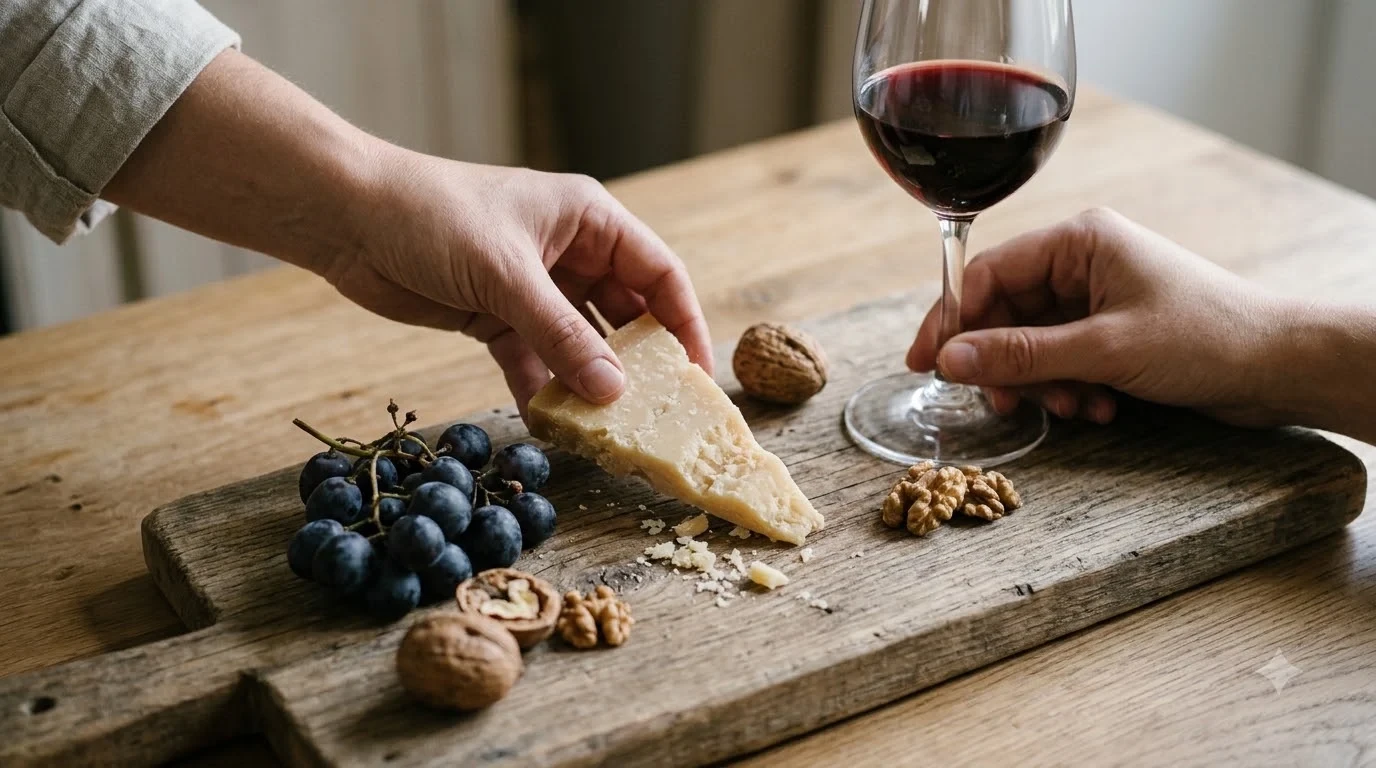
The wine’s published tasting notes emphasize citrus, honey, and juicy peach. These flavors provide a recognizable Chardonnay profile without relying exclusively on heavy vanilla, butter, or toasted wood. The result is an approachable combination of fruit and oak that can work for people who enjoy California white wines but do not necessarily want an extremely rich expression.
There is also independent editorial support for its everyday appeal. Wine Enthusiast awarded the 2024 Josh Cellars Chardonnay 87 points, a score within its Very Good classification. Its reviewer identified baked apple, pear, white flowers, toasty oak, ripe nectarine, peach, grapefruit zest, and mineral notes. That description suggests more flavor variation than the simple citrus-and-peach profile might initially indicate.
Consider this Chardonnay if you fall into one or more of these groups:
- New Chardonnay drinkers: Its combination of familiar fruit flavors and gentle oak provides an accessible introduction to the grape.
- Casual dinner hosts: The wine can accompany seafood, poultry, pasta, and grilled vegetables without requiring a highly specialized menu.
- Fans of fruit-forward whites: Peach, apple, pear, and citrus provide recognizable flavors that are easy to appreciate.
- Drinkers who enjoy some oak: Its subtle oak influence adds another dimension without making the wine exclusively about barrel character.
- Everyday wine shoppers: Its straightforward style makes it a practical candidate for ordinary meals and informal gatherings.
On the other hand, someone who exclusively enjoys very lean, sharply acidic whites might prefer a different grape or a cooler-climate Chardonnay. Sauvignon Blanc, for example, typically delivers more pronounced acidity and herbaceous or citrus-driven characteristics. A particularly mineral-driven Chablis can also offer a more restrained interpretation of Chardonnay.
Likewise, drinkers seeking an exceptionally buttery Chardonnay should understand that Josh Cellars emphasizes balance and a hint of oak rather than describing this particular wine as intensely creamy or heavily toasted. It may offer some rounded impressions, but that is different from a deliberately rich, buttery style.
Key Factors to Compare Before Buying
The most useful way to evaluate Josh Cellars Chardonnay is to consider its fruit profile, oak influence, sweetness, acidity, and alcohol content together. These characteristics determine whether its overall style matches your preferences more accurately than the brand name alone.
| Factor | Josh Chardonnay | What It Means for You |
|---|---|---|
| Wine type | California Chardonnay | A familiar American white wine style |
| Bottle size | 750 ml | Approximately 5 standard 5-ounce pours |
| Alcohol | 13.5% ABV for the reviewed 2024 vintage | A moderate-to-full alcohol presence for white wine |
| Primary fruit notes | Citrus and peach | Fresh, ripe fruit character |
| Additional tasting notes | Honey, apple, pear, nectarine | More rounded fruit impressions |
| Oak character | Hint of oak; toasty notes in the 2024 review | Some added warmth and complexity |
| Sweetness impression | Subtle sweetness in the producer’s description | Fruit-forward does not necessarily mean sweet |
| Food versatility | Seafood, poultry, pasta, vegetables | Useful across several everyday meals |
The following factors are particularly useful when comparing bottles from different producers.
Fruit and oak balance
Fruit is the central attraction. Citrus provides brightness, while peach contributes a softer, riper impression. Honey adds an impression of roundness, and the oak provides a supporting background. This combination is useful because neither an aggressively acidic profile nor an overpowering barrel character dominates the published description.
Oak deserves particular attention when comparing California Chardonnays. Oak aging or oak influence can contribute aromas and flavors reminiscent of vanilla, toast, baking spices, and cream. However, a wine can show some oak character without becoming heavily buttery. Josh Cellars describes its Chardonnay as having a hint of oak, while Wine Enthusiast identifies toasty oak in its 2024 review.
Alcohol and sweetness
The 2024 bottle reviewed by Wine Enthusiast and listed by Wine.com contains 13.5% alcohol by volume. That figure is useful when comparing it with lighter white wines, especially bottles that have substantially lower alcohol levels. It does not automatically indicate sweetness, body, or quality, but it helps establish the wine’s overall strength.
Sweetness is another important distinction. The producer’s reference to subtle sweetness describes the overall impression rather than establishing a specific residual-sugar measurement. Ripe peach and honey-like flavors can make a dry wine seem softer or sweeter than its actual sugar level.
For a closer look at the published alcohol information and how to interpret it, see our Josh Chardonnay alcohol content guide. Anyone comparing sweetness should also consider the difference between perceived fruit sweetness and measurable residual sugar.
Independent quality assessment
One useful external reference is Wine Enthusiast’s review of the 2024 vintage. Its 87-point assessment places the wine in a category the publication describes as Very Good. That is a positive evaluation for a wine intended for accessible everyday drinking, although it should not be interpreted as proof that every vintage tastes identical.
The review also identifies specific characteristics that help establish its style. Baked apple, pear, and white flowers appear in the aromatic description, while nectarine, peach, grapefruit zest, and mineral impressions contribute to the palate. These observations complement the producer’s simpler description and give shoppers a more complete idea of what to expect.
For additional information directly from the winery, consult the official Josh Cellars Chardonnay tasting and pairing description.
Step-by-Step: How to Decide If It Is Right for You
A good purchasing decision starts with your preferred wine style rather than the bottle’s popularity. A few simple comparisons can help establish whether Josh Cellars Chardonnay is likely to satisfy your expectations.
-
Identify your preferred sweetness.
Decide whether you enjoy dry whites, slightly off-dry wines, or noticeably sweet bottles. Josh Cellars emphasizes fruit and subtle sweetness, but its peach and honey notes should not be confused with a dessert-wine profile. If you generally prefer very sweet wines, this Chardonnay may taste drier than expected.
-
Consider how much oak you enjoy.
Think about whether you prefer citrus-forward, unoaked Chardonnay or richer wines with vanilla and toast characteristics. Josh Cellars includes a hint of oak, with toasty notes appearing in the Wine Enthusiast review. This makes it a reasonable middle-ground option for someone who likes some oak but does not want it to dominate.
-
Compare acidity and body.
Chardonnay generally has medium acidity, although climate and winemaking influence the finished wine. Josh Cellars combines ripe fruit notes with a relatively rounded flavor profile. If your favorite whites are extremely crisp and sharp, compare it with Sauvignon Blanc or a cooler-climate Chardonnay before deciding.
-
Check the vintage-specific details.
The 2024 bottle documented by Wine Enthusiast and Wine.com is listed at 13.5% ABV in a 750 ml format. Different vintages or production lots can vary, so use the information associated with the particular bottle you are considering rather than assuming every release is identical.
-
Match it with your usual meals.
Think about whether you regularly serve shrimp, chicken, creamy pasta, steamed mussels, or vegetables. These foods are specifically recommended by Josh Cellars. If most of your meals involve highly spicy dishes or heavily tannic red-wine pairings, another wine may be more suitable.
-
Choose an appropriate serving temperature.
Plan to serve full-bodied white wines around 50–55 degrees Fahrenheit. This temperature range helps preserve freshness while allowing the wine’s peach, citrus, honey, and oak characteristics to emerge. Serving it too cold can make its aromas less expressive.
-
Evaluate the wine according to your own preferences.
After pouring a 5-ounce serving, pay attention to the aroma, acidity, fruit character, and finish. Decide whether the balance feels refreshing, rounded, or too oaky for your taste. This is more useful than deciding that a wine is good or bad solely because of its reputation.
Tip: Chill Josh Cellars Chardonnay to approximately 50–55 degrees Fahrenheit rather than serving it straight from an extremely cold refrigerator. Allowing a few minutes in the glass can help its citrus, peach, honey, and oak aromas become easier to recognize.
Types and Styles of Chardonnay Explained
Chardonnay is one of the most versatile white grapes because its flavor profile changes considerably according to growing conditions and winemaking choices. Understanding the major styles helps explain where Josh Cellars fits and what alternatives might suit different preferences.
Josh Cellars presents its Chardonnay as a bright, fruit-forward wine with subtle sweetness and a hint of oak. Its published description and the 2024 independent review suggest a balanced expression rather than an extreme example of either lean, unoaked Chardonnay or intensely rich, buttery Chardonnay.
Unoaked and crisp Chardonnay
Unoaked Chardonnay emphasizes the natural character of the grape and its growing region. Common flavors include green apple, lemon, pear, and sometimes mineral or flinty impressions. Without substantial oak influence, these wines can feel especially clean and direct.
Chablis in Burgundy is a familiar reference point for this style. Cooler growing conditions can preserve freshness and acidity, making the wines particularly suitable for seafood, oysters, and simply prepared fish. A person who enjoys sharp citrus flavors and a restrained texture might find this style more appealing than a rounded California Chardonnay.
Josh Cellars is not described by its producer as an entirely unoaked wine. Its published tasting description specifically mentions oak, so shoppers looking for a completely neutral, unoaked profile should compare labels and producer information carefully.
Lightly oaked Chardonnay
Lightly oaked Chardonnay combines fruit flavors with restrained barrel-derived character. Citrus, apple, pear, and peach remain recognizable, while oak can add impressions of toast, vanilla, and additional texture.
This is the general direction suggested by Josh Cellars’ published description. The producer emphasizes fruit and a hint of oak, while the 2024 Wine Enthusiast review identifies toasty oak alongside ripe stone fruit and grapefruit zest.
Lightly oaked Chardonnay is often a practical option for people who enjoy some richness but still want a recognizable fruit character. It can work with roasted poultry, seafood in butter-based sauces, and creamy pasta dishes.
Rich and buttery Chardonnay
Rich Chardonnay generally has a fuller mouthfeel and more pronounced creamy, buttery, or vanilla-like characteristics. These impressions can be influenced by oak aging, malolactic fermentation, lees contact, and the ripeness of the grapes.
Malolactic fermentation converts sharper malic acid into softer lactic acid and can contribute to a creamy impression. Oak barrels can add additional flavors and texture. However, these techniques are not interchangeable, and the presence of an oaky flavor does not establish that a wine underwent a particular fermentation process.
Josh Cellars should not automatically be classified as a heavily buttery Chardonnay simply because its description includes oak and honey. The producer emphasizes balance and a delicate, bright character. Drinkers who specifically seek a rich, buttery finish should look for a bottle whose producer clearly describes that style.
Fruit-forward California Chardonnay
California Chardonnay encompasses a broad range of expressions. Cooler coastal areas can produce wines with pronounced citrus, green apple, and lively acidity, while warmer locations can encourage riper fruit flavors and a fuller impression.
Wine.com’s California Chardonnay overview explains this regional variation, distinguishing cooler coastal zones from inland areas where producers can make both leaner and richer styles. This diversity is one reason that the words California Chardonnay alone do not completely predict how a bottle will taste.
Josh Cellars identifies its Chardonnay with California rather than presenting it as a single-vineyard or narrowly defined appellation wine. Its combination of citrus, honey, peach, and gentle oak makes it a recognizable example of approachable California Chardonnay.
Common Mistakes When Evaluating Josh Chardonnay
Several misconceptions can lead shoppers to misunderstand this wine. The most important distinctions involve fruit sweetness, oak character, alcohol, vintage differences, and the relationship between personal taste and professional wine scores.
Recognizing these points makes it easier to assess the wine fairly rather than expecting it to deliver a completely different Chardonnay style.
Confusing peach and honey flavors with high sugar
One of the most common mistakes is assuming that a wine with honey and ripe peach notes must be sweet. Aromatic impressions and actual residual sugar are different characteristics. A dry Chardonnay can smell like ripe fruit or honey without containing enough residual sugar to taste like a sweet wine.
Josh Cellars uses the phrase subtle sweetness in its producer description. That is useful when considering the wine’s general impression, but it should not be treated as an exact sugar measurement. For a more detailed discussion, our Josh Chardonnay sugar content article explains why sweetness perception and residual sugar are not interchangeable.
Assuming all oak means intense butter
Oak and buttery texture are related to different aspects of wine production and perception. Oak can contribute vanilla, spice, and toast, whereas buttery impressions can be associated with malolactic fermentation and other winemaking influences.
Josh Cellars describes its Chardonnay as having a hint of oak. Wine Enthusiast identifies toasty oak in the 2024 vintage, but that does not establish an intensely buttery style. Buyers should distinguish between subtle barrel character and a rich Chardonnay that places butter and cream at the center of its flavor profile.
Expecting every vintage to taste exactly the same
Wine is an agricultural product, and vintage differences can influence ripeness, acidity, and flavor development. Even when a producer maintains a consistent general style, the exact expression can change with growing conditions and production decisions.
The 2024 review from Wine Enthusiast provides useful information about that particular release. Its 87-point assessment and detailed tasting notes should not automatically be transferred to every other vintage. A different release might emphasize slightly different fruit or oak characteristics.
Judging quality entirely by a numerical score
A professional rating provides useful context, but it cannot tell every drinker whether a wine will match their personal preferences. An 87-point score places the 2024 bottle within Wine Enthusiast’s Very Good category, but someone who dislikes oak may still prefer a more mineral-driven white wine.
Similarly, a person who enjoys ripe peach and honey notes might find Josh Cellars satisfying even if another wine receives a higher numerical rating. Wine evaluation should combine independent assessments with the characteristics that matter most to the person drinking it.
Serving it too cold or too warm
Temperature can change how a Chardonnay feels and smells. An excessively cold serving can suppress aromas and make the wine seem sharper, while a warm serving can make its alcohol seem more prominent and its freshness less apparent.
For a full-bodied white wine, approximately 50–55 degrees Fahrenheit is a useful serving range. This allows the wine to retain refreshing acidity while giving its fruit and oak characteristics enough room to develop in the glass.
Pairing it with overpowering food
Food pairing depends on the relationship between the wine’s structure and the dish’s intensity. Very spicy food can make alcohol and tannin seem more pronounced, while strongly acidic food needs a wine with sufficient acidity to remain balanced.
Josh Cellars’ recommended pairings are relatively straightforward: shrimp, steamed mussels, creamy pasta, roasted chicken, and grilled vegetables. These dishes allow its fruit and moderate oak character to complement the meal rather than compete with excessively strong flavors.
Care and Storage Tips for Josh Cellars Chardonnay
Proper serving and storage help preserve the freshness of Chardonnay and make its fruit character easier to appreciate. For Josh Cellars, attention to temperature, bottle handling, glassware, and opened-bottle storage is more useful than complicated preparation.
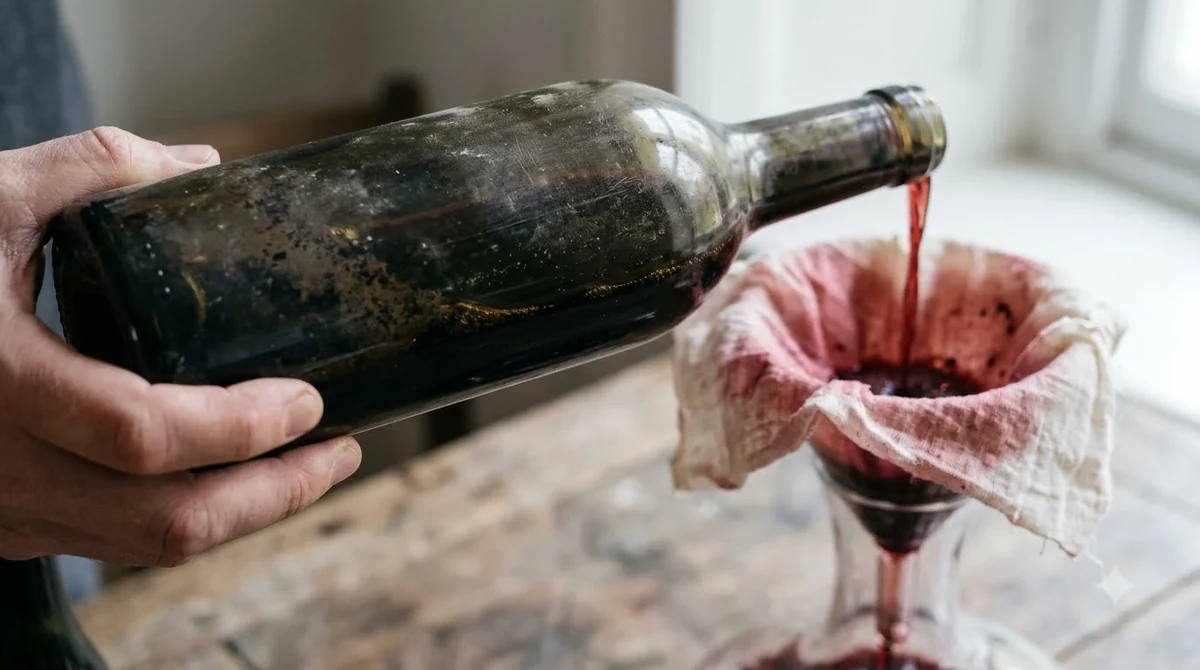
Unlike a mature collectible red wine, an approachable California Chardonnay generally does not require extended decanting. The objective is to preserve freshness and enjoy the wine while its fruit and aromatic characteristics remain appealing.
Serve at the right temperature
Serve full-bodied white wines at approximately 50–55 degrees Fahrenheit. If the bottle has been stored in a refrigerator that is considerably colder, allow it to warm slightly before pouring.
A standard white wine glass is suitable. A moderately sized bowl provides enough room for aromas to collect without requiring an oversized glass. Pour approximately 5 ounces per serving, which means a standard 750 ml bottle provides about five typical glasses.
Store unopened bottles properly
Keep unopened wine in a cool, dark location away from direct sunlight, heating equipment, and substantial temperature fluctuations. A consistent temperature near 55 degrees Fahrenheit is a useful general target for longer-term wine storage.
If the bottle uses a traditional cork, horizontal storage helps keep the cork in contact with the wine. For a screw-cap bottle, horizontal positioning is not necessary for cork hydration, although keeping it in a stable wine-storage environment remains important.
Wine.com lists a screw cap for its documented 2024 Josh Cellars Chardonnay. This is convenient for casual drinking because opening and resealing the bottle do not require a corkscrew.
Preserve an opened bottle
After opening, reseal the bottle and place it in the refrigerator. Still white wines generally remain enjoyable for approximately 3–5 days when properly refrigerated, although freshness gradually declines as oxygen interacts with the wine.
Keep the bottle upright to minimize the surface area exposed to air, and avoid leaving it open on a kitchen counter for extended periods. A dedicated wine stopper can help create a tighter seal. If the wine develops noticeably dull aromas, bruised-apple characteristics, or an unpleasantly oxidized taste, its best drinking period may have passed.
Decanting is usually unnecessary
Young Chardonnay typically does not require the 30–60 minutes of decanting sometimes recommended for young, full-bodied red wines. If the bottle initially seems closed or very cold, a few minutes in the glass may be enough to make its aromas more apparent.
There is also little reason to transfer an everyday Chardonnay into a decanter simply for presentation. A clean glass and suitable temperature are generally sufficient to appreciate its fruit and oak profile.
For a casual meal, open the bottle shortly before serving and keep it chilled between pours. This approach maintains freshness without adding unnecessary preparation to an otherwise straightforward wine experience.
Frequently Asked Questions
Is Josh Chardonnay good for beginners?
Yes, its recognizable citrus, peach, and honey flavors make it relatively easy to understand without extensive wine knowledge. The producer also emphasizes balance rather than a highly specialized or unusual flavor profile. Its approachable character makes it a reasonable starting point for exploring California Chardonnay.
Does Josh Cellars Chardonnay contain sulfites?
Like most conventional wines, Josh Cellars Chardonnay should be expected to contain sulfites, which can occur naturally during fermentation and may also be used in winemaking. Bottled wines sold in the United States generally carry a sulfite declaration when they contain at least 10 parts per million. The exact sulfite concentration is not established by the tasting descriptions discussed here.
Can Josh Chardonnay be used for cooking?
Yes, a fruit-forward Chardonnay can work in dishes such as cream sauces, chicken preparations, and seafood recipes. Its citrus and peach character can complement ingredients such as garlic, butter, shallots, and herbs. Use a wine you would be comfortable drinking rather than relying on heavily oxidized or poor-quality leftover wine.
Is Josh Cellars Chardonnay suitable for a wine gift?
It can be a suitable casual gift for someone who enjoys familiar California white wines and moderate oak character. The producer also offers a personalized-label feature on its product page, which can make a bottle more appropriate for an informal celebration. For a serious collector, however, a more specifically sourced or limited-production Chardonnay may be a better fit.
Does Josh Chardonnay need to age before drinking?
No extended bottle aging is necessary for someone buying this wine to enjoy its approachable fruit-forward style. Its published tasting profile emphasizes fresh citrus, honey, and peach rather than a requirement for long cellar development. Keep the bottle properly stored and enjoy it while its fruit character remains fresh.
Overall, Josh Cellars Chardonnay is a worthwhile option for drinkers seeking an accessible California white wine with citrus, peach, honey, and restrained oak. Its independent 87-point assessment of the 2024 vintage provides additional support for its everyday appeal, although personal preferences should remain the deciding factor. If you enjoy balanced, fruit-forward Chardonnay with enough oak to add character without dominating the glass, Josh Cellars deserves a place on your shortlist.
More in Wine Brands
 Bolla Wine Review: How to Choose the Right Italian BottleUpdated Nov 21, 2026
 Black Tower Wine Price: Compare Bottles and Find the Right StyleUpdated Nov 21, 2026
 Black Tower Wine Review: Compare Styles and Choose the Right BottleUpdated Nov 21, 2026
 Beringer Main and Vine Review: Styles, Sweetness, and Buying GuideUpdated Nov 21, 2026
 Bertani Wine Price: Compare Bottles and Find the Right ValueUpdated Nov 21, 2026
 Beringer Main And Vine Price: Compare Bottles and Find ValueUpdated Nov 21, 2026