

We may earn a commission when you buy through links on this page, at no extra cost to you. Learn more.
Is chandon brut good? Yes, CHANDON Brut is a good-quality California sparkling wine for people who enjoy crisp apple and citrus flavors, lively bubbles, refreshing acidity, and a dry finish. Its blend of Chardonnay, Pinot Noir, and Meunier delivers approachable fruit character with additional complexity from traditional-method production. It is particularly appealing for aperitifs, celebrations, seafood, and casual entertaining, although someone seeking the distinctive depth of a prestige Champagne may prefer a more complex bottle.
CHANDON Brut occupies an appealing middle ground between everyday sparkling wine and more elaborate traditional-method bottles. It offers recognizable fruit flavors, a creamy element, and enough acidity to work with food rather than simply serving as a celebratory drink. The important question is whether its style matches your preferences. Understanding its dryness, grape blend, production method, and food compatibility makes that decision considerably easier.
Who Should Buy CHANDON Brut?
CHANDON Brut is particularly suitable for sparkling wine drinkers who appreciate fresh fruit, fine bubbles, and a clean finish without an excessively sweet taste. Its California origin and traditional-method production give it a recognizable sparkling wine character that works for both everyday occasions and more formal gatherings.
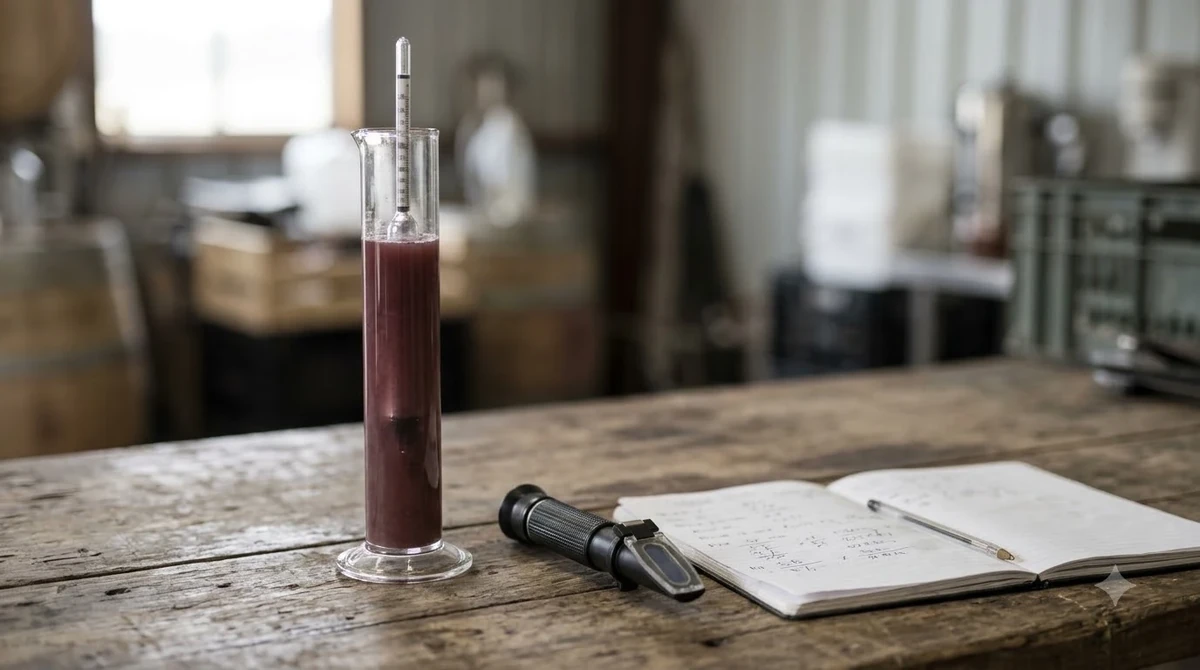
The wine is made from three familiar Champagne-region grape varieties: Chardonnay, Pinot Noir, and Meunier. According to CHANDON’s US product information, the current blend contains 73% Chardonnay, 26% Pinot Noir, and 1% Meunier. Chardonnay contributes freshness and acidity, while Pinot Noir provides additional structure and fruit character. The small Meunier component rounds out the blend.
This combination makes the wine a sensible option for people who want a recognizable brut style without necessarily buying Champagne from France. Its non-vintage character also makes it useful for entertaining because the producer blends base wines from multiple vintages to maintain a consistent house expression.
Several types of buyers are likely to appreciate this bottle:
- New sparkling wine drinkers: The recognizable apple, pear, and citrus flavors make the wine approachable without requiring detailed wine knowledge.
- Dry wine enthusiasts: The Brut designation and crisp finish suit drinkers who prefer refreshing sparkling wine rather than noticeably sweet bottles.
- Hosts and entertainers: Its combination of fruit, acidity, and bubbles works across appetizers, seafood, and several familiar party foods.
- California wine enthusiasts: The regional identity offers an alternative to European sparkling wine styles.
- Traditional-method enthusiasts: Bottle fermentation and yeast aging provide additional winemaking interest beyond basic tank-produced sparkling wine.
However, CHANDON Brut is not necessarily the right choice for everyone. People who prefer Moscato, sweet rosé, or dessert-style sparkling wines may find its dry profile less appealing. Similarly, collectors searching for extended aging complexity, particularly distinctive vineyard character, or highly developed brioche aromas may want a more specialized traditional-method wine.
It is also important to distinguish between good quality and personal preference. A well-made sparkling wine can still disappoint someone who prefers sweeter flavors or softer acidity. For a broader introduction to producers and sparkling styles, explore our guide to Wine Brands.
Key Factors to Compare Before Buying
The best way to judge CHANDON Brut is to consider its grape composition, dryness, production technique, alcohol level, and overall flavor profile. These characteristics explain why the wine appeals to some sparkling wine drinkers more than others.
The following table summarizes the principal characteristics of the US CHANDON Brut described by its producer.
| Characteristic | CHANDON Brut | What It Means |
|---|---|---|
| Wine category | California sparkling wine | American-produced sparkling wine |
| Style | Brut | Dry sparkling wine category |
| Chardonnay | 73% | Freshness and acidity |
| Pinot Noir | 26% | Structure and fruit character |
| Meunier | 1% | Additional blend complexity |
| Alcohol | 12% ABV | Moderate alcohol for sparkling wine |
| Bottle size | 750 ml | Approximately five standard 5-ounce pours |
| Lees aging | Minimum 12 months | Additional texture and complexity |
| Serving temperature | 49–54°F | Preserves freshness and aromatic expression |
| Production method | Traditional method | Secondary fermentation in the bottle |
One of the most important characteristics is the grape composition. Chardonnay accounts for almost three-quarters of the blend, which helps explain the wine’s lively, refreshing character. Pinot Noir contributes another dimension, preventing the sparkling wine from relying entirely on sharp citrus and green-fruit flavors.
The alcohol content is another useful comparison point. CHANDON lists its US Brut at 12% ABV, which is within a familiar range for sparkling wine. Alcohol is only one part of the overall drinking experience, however. Acidity, bubbles, temperature, and sweetness all influence how the wine feels on the palate.
The traditional method also deserves attention. Instead of completing the secondary fermentation in a large pressurized tank, the wine develops its bubbles inside individual bottles. The resulting production process includes yeast aging, riddling, disgorgement, and dosage.
For additional information about the wine’s alcohol level and how it compares with other sparkling styles, see our dedicated article about CHANDON Brut alcohol content.
Finally, consider the difference between a fresh, approachable sparkling wine and a bottle intended for extensive cellar development. CHANDON Brut is primarily designed around freshness, fruit expression, and consistency. Its appeal comes from its balanced everyday drinking character rather than an expectation of extraordinary vintage variation.
Step-by-Step: How to Decide Whether You Will Enjoy It
Choosing a sparkling wine becomes easier when you compare your own preferences with its defining characteristics. A few practical steps can help determine whether CHANDON Brut deserves a place at your next gathering.
-
Decide how dry you like sparkling wine.
CHANDON Brut is designed in a dry sparkling style. If you usually enjoy Brut Champagne, dry Cava, or other crisp sparkling wines, its sweetness level is likely to be familiar. If your preferred wine is noticeably sweet Moscato, a sweeter sparkling category may be more appropriate.
-
Consider your preferred fruit flavors.
Green apple, pear, citrus, and almond are central characteristics of CHANDON Brut. Wine Enthusiast also describes yellow apple, yellow plum, white peach, and grapefruit characteristics. Drinkers who enjoy fresh orchard fruit and citrus will probably find its flavor profile appealing.
-
Think about how you plan to serve it.
For a pre-dinner aperitif, CHANDON Brut offers refreshing acidity and lively bubbles. For a meal, it is particularly useful alongside salty appetizers, creamy dishes, oysters, and fried foods. A bottle intended primarily for sweet desserts may require a different style.
-
Check the production style.
Some sparkling wines use the Charmat or tank method, while others use traditional bottle fermentation. CHANDON Brut uses the traditional method, making it particularly interesting to drinkers who appreciate the texture and additional complexity associated with bottle-aged sparkling wines.
-
Choose an appropriate serving temperature.
CHANDON recommends serving its Brut between 49°F and 54°F. This range keeps the wine refreshing while allowing its apple, pear, and citrus aromas to remain expressive. Serving it excessively warm can make the wine seem less crisp.
-
Match the bottle to the occasion.
For a birthday, casual dinner, holiday gathering, or seafood appetizer course, its versatile flavor profile makes sense. For a formal Champagne-focused tasting, however, you may prefer to compare several traditional-method wines with different aging periods and regional identities.
These steps help separate the question of quality from the question of suitability. CHANDON Brut has the components expected of a well-made, approachable traditional-method sparkling wine, but the best purchase depends on whether its dry and fruit-forward style matches your preferences.
Tip: Chill CHANDON Brut before opening and allow it to warm slightly in the glass. Starting around 49°F gives you a refreshing first pour, while a modest temperature increase can make the pear, citrus, and almond aromas easier to appreciate.
For a more detailed look at its aroma and flavor characteristics, our CHANDON Brut tasting notes article provides additional information about the wine’s sensory profile.
CHANDON Brut Styles and Winemaking Explained
Understanding the production method helps explain why CHANDON Brut tastes different from inexpensive, fruit-focused sparkling wines. Its traditional-method production and blend of three grape varieties create a balance between freshness, texture, and complexity.
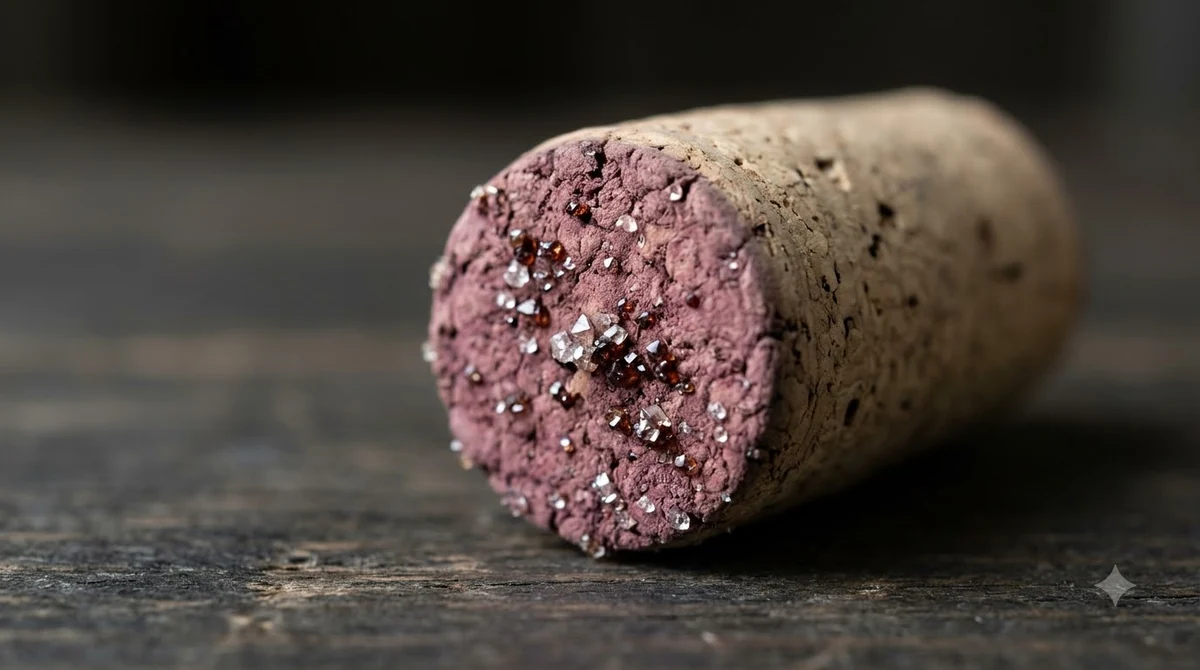
Traditional-method sparkling wine
The traditional method, also called méthode traditionnelle, involves two fermentations. The first fermentation creates the base wine, while the second takes place inside the bottle and produces the carbon dioxide responsible for the bubbles.
According to CHANDON’s explanation of sparkling wine production, the process begins with gentle pressing to limit the extraction of tannins and other compounds from grape skins. After primary fermentation, the winemaker blends different vineyard and grape-variety components to establish the final wine’s character.
Yeast and a measured quantity of sugar are then added before the wine is bottled for secondary fermentation. The wine develops on its yeast lees, which contribute additional aromatic and textural characteristics. The sediment is eventually collected through riddling and removed during disgorgement.
CHANDON’s US Brut product information specifies a minimum of 12 months on yeast lees. That period contributes to the wine’s creamy quality and helps explain why its character is more developed than that of a very simple sparkling wine. The producer’s explanation of traditional-method sparkling wine production describes how secondary fermentation, lees aging, riddling, and dosage contribute to the finished bottle.
Chardonnay: freshness and acidity
Chardonnay represents 73% of the current US blend. This grape is particularly useful in sparkling wine because it contributes freshness, structure, and acidity. In CHANDON Brut, that contribution supports the green apple and citrus characteristics that make the wine refreshing.
Chardonnay also provides a useful foundation for traditional-method sparkling wine. Its relatively restrained fruit profile allows the additional flavors developed during fermentation and yeast aging to become noticeable without overwhelming the wine.
Pinot Noir: structure and fruit
Pinot Noir accounts for 26% of the blend. It contributes additional body and fruit expression, helping balance Chardonnay’s freshness. The result is a sparkling wine with more than just citrus character.
Pinot Noir is widely used in traditional-method sparkling wine because it can contribute structure while retaining the freshness needed for an elegant sparkling style. Its presence makes CHANDON Brut suitable for pairing with a wider range of foods than a very light, sharply acidic aperitif wine.
Meunier: blend balance
Meunier makes up the remaining 1%. Although its proportion is small, its inclusion reflects the producer’s use of all three classic Champagne-region varieties in the blend.
Meunier is often associated with approachable fruit expression in sparkling wine. In this blend, it forms a supporting component rather than dominating the final flavor profile.
Understanding the Brut designation
Brut is a sweetness classification rather than a grape variety or a geographic designation. It indicates a relatively dry sparkling wine, although Brut wines can still contain some residual sugar.
The common sparkling wine sweetness categories, arranged from driest to sweetest, are Brut Nature, Extra Brut, Brut, Extra Dry, Dry, Demi-Sec, and Doux. This ordering sometimes surprises new sparkling wine drinkers because Extra Dry is actually sweeter than Brut.
For someone comparing different sparkling wines, the Brut designation is therefore a useful starting point. It indicates that CHANDON is intended for drinkers who prefer refreshing, relatively dry sparkling wine rather than a distinctly sweet dessert-style bottle.
Common Mistakes When Judging CHANDON Brut
Several misconceptions can lead to an unfair assessment of CHANDON Brut. The most common involve confusing regional identity with quality, expecting sweetness from fruit aromas, and assuming every traditional-method sparkling wine tastes like Champagne.
Assuming California sparkling wine is inferior to Champagne
Champagne is a protected geographic designation for sparkling wine produced in its specific French region under defined production rules. CHANDON Brut is a California sparkling wine, not Champagne, even though it uses the traditional method and familiar Champagne-region grape varieties.
That distinction matters, but it does not automatically determine quality. California has a substantial sparkling wine tradition, and cool-climate vineyard sources can produce wines with excellent freshness and balance. The correct comparison is between the actual wines, their production methods, and their intended styles.
Confusing fruity flavors with sweetness
Green apple, pear, citrus, and peach can make a sparkling wine smell fruity without making it sweet. Aromatic intensity and residual sugar are different characteristics. CHANDON Brut combines fruit expression with a dry style, so drinkers should not assume that its pear and apple notes indicate a dessert-like taste.
This distinction is particularly important for people who are accustomed to sweet sparkling wines. A wine can smell like ripe fruit while still tasting crisp, refreshing, and relatively dry.
Serving the wine too warm
Temperature can significantly change the perception of sparkling wine. A warm bottle may seem less refreshing, while excessively cold wine can conceal some of its aromatic detail. The producer’s 49°F to 54°F range offers a practical middle ground.
Avoid relying entirely on freezer time to chill a bottle. A refrigerator or an ice-and-water bucket offers better control and reduces the chance of forgetting the bottle until it becomes excessively cold.
Expecting an identical blend in every market
CHANDON operates in several wine-producing countries, and its sparkling wines are not necessarily identical across markets. Its Australian, Argentine, and California Brut bottlings can have different grape compositions, production details, and alcohol levels.
For example, the US product information identifies a 73% Chardonnay, 26% Pinot Noir, and 1% Meunier blend. The Australian product information describes a different regional wine with a different composition and production profile. Comparisons should therefore focus on the specific bottle rather than assuming that every wine carrying the CHANDON Brut name is interchangeable.
Expecting Champagne-level complexity from every bottle
Traditional-method production does not guarantee that every sparkling wine will have the same depth or character. Grape quality, vineyard sources, blending decisions, aging, and the winemaker’s intended style all influence the finished wine.
CHANDON Brut is designed around freshness, consistency, and accessibility. It offers additional complexity from bottle fermentation and lees aging, but buyers looking for unusually developed toasted, nutty, or mature yeast characteristics may want to explore more specialized sparkling wines.
Serving, Food Pairing, and Storage Tips
Proper serving and storage help preserve CHANDON Brut’s fresh fruit character and lively bubbles. The most important considerations are temperature, glassware, opening technique, food compatibility, and protecting leftover wine from excessive air exposure.
Serve at the right temperature
CHANDON recommends a serving temperature of 49°F to 54°F for its US Brut. This range is slightly warmer than the coldest temperatures sometimes used for inexpensive sparkling wine, allowing more of the wine’s aromas to become apparent.
A standard sparkling wine flute is suitable for maintaining visible bubbles, but a tulip-shaped glass can offer more room for the wine’s aromatic expression. A regular white wine glass can also work well when the goal is to examine the apple, citrus, pear, and almond characteristics.
Choose foods that complement the acidity
Sparkling wine is particularly versatile at the table because acidity and carbonation help refresh the palate between bites. CHANDON specifically recommends oysters, calamari, Caesar salad, and fried chicken. These suggestions make sense because the wine’s freshness complements salty, creamy, and relatively rich foods.
Other useful pairings include:
- Seafood: Oysters, shrimp, scallops, and grilled calamari complement the wine’s citrus character.
- Fried foods: Fried chicken, tempura vegetables, and calamari benefit from the wine’s acidity and bubbles.
- Cheese: Soft cheeses, fresh goat cheese, and creamy cheese spreads work well with its refreshing profile.
- Salty appetizers: Olives, salted nuts, crackers, and savory pastries make natural aperitif companions.
- Light salads: Caesar salad and salads with citrus-based dressings can complement the wine’s freshness.
- Shellfish dishes: Steamed mussels and seafood appetizers are particularly suitable options.
Acidity is especially important when matching sparkling wine with food. Dishes with noticeable acidity generally benefit from a wine with comparable or higher acidity, while salt and fat can soften the perception of some wine characteristics.
Be more careful with very sweet desserts. A dessert that is substantially sweeter than the wine can make a dry sparkling wine seem sharp or sour. A sweeter sparkling category is usually a better match for particularly sugary desserts.
Open and pour carefully
Before opening the bottle, make sure it is properly chilled. Remove the foil and loosen the wire cage while keeping a hand firmly over the cork. Point the bottle away from people and fragile objects, hold the cork securely, and turn the bottle rather than pulling forcefully on the cork.
The goal is a controlled release rather than a loud pop. Excessive pressure release can cause wine loss and reduce the amount available for serving.
A standard wine pour is approximately 5 ounces. A 750 ml bottle therefore provides about five standard glasses, making it a convenient size for a small gathering or dinner for several people.
Store unopened bottles properly
Store sparkling wine away from direct sunlight, heat, and major temperature fluctuations. A cool storage environment near 55°F is a useful target for bottles intended for longer storage. Bottles with traditional cork closures are generally stored on their sides to help maintain contact between the wine and the cork.
CHANDON Brut is primarily intended to be enjoyed for its freshness rather than held for extensive cellar aging. There is little reason to purchase it with the expectation that many years of storage will automatically improve its flavor.
Preserve leftover sparkling wine
After opening, reseal the bottle with a proper sparkling wine stopper and place it in the refrigerator. Opened sparkling wine generally retains its best qualities for approximately one to three days, although the exact period depends on the stopper, storage conditions, and how much wine remains.
Leaving an open bottle uncovered at room temperature allows carbon dioxide to escape more quickly. The wine can lose its lively bubbles and become less appealing even if its fruit aromas remain recognizable.
Frequently Asked Questions
Is CHANDON Brut considered Champagne?
No. Champagne is a protected geographic designation for sparkling wine produced in the Champagne region of France. CHANDON Brut is produced in California, United States. Both can use the traditional method, but their geographic identities and applicable regional production rules are different.
Is CHANDON Brut vintage or non-vintage?
CHANDON Brut is identified as non-vintage by Wine.com. Non-vintage sparkling wine is blended from wines originating in different harvest years rather than representing grapes from one specific vintage. This approach helps the producer maintain a recognizable house style across releases.
Does CHANDON Brut contain sulfites?
Like many conventional wines, CHANDON Brut may contain naturally occurring sulfites and may have additional sulfites used during winemaking for preservation. Sulfites are commonly present in both still and sparkling wines. The precise amount for an individual bottle should not be assumed without product-specific laboratory information.
Can CHANDON Brut be used in sparkling wine cocktails?
Yes. Its dry profile makes it suitable for cocktails that benefit from fresh bubbles without excessive sweetness. It can be used in a French 75 variation or a sparkling wine spritz, although adding sweet liqueurs or syrups will change the finished drink’s sweetness and balance.
What does the non-vintage designation mean for consistency?
Non-vintage production allows a winemaker to combine base wines from different harvests to maintain a familiar flavor profile despite changing growing conditions. CHANDON describes blending multiple vintages as part of its US Brut production. This approach is especially useful for a signature sparkling wine intended to offer a consistent drinking experience.
Overall, CHANDON Brut is a worthwhile choice for drinkers who appreciate dry, fruit-forward California sparkling wine with lively acidity and traditional-method production. Its combination of apple, pear, citrus, fine bubbles, and food-friendly freshness makes it a versatile bottle for entertaining and everyday celebrations. If those characteristics match your preferences, compare the available bottle formats and choose a properly chilled bottle for your next occasion.
More in Wine Brands
 Underwood Wine Price: Compare Bottles, Cans, and Pack SizesUpdated Nov 21, 2026
 Zenato Wine Price: Compare Styles and Choose the Right BottleUpdated Nov 21, 2026
 Zuccardi Wine Price: Compare Bottles and Find the Right RangeUpdated Nov 21, 2026
 Yellow Tail Moscato Review: Taste, Sweetness and Serving TipsUpdated Nov 21, 2026
 Wolf Blass Yellow Label Review: Choose Your Best StyleUpdated Nov 21, 2026
 Wolffer Estate Rose Review: Choose the Right Bottle for Your TableUpdated Nov 21, 2026