

We may earn a commission when you buy through links on this page, at no extra cost to you. Learn more.
Chandon wine is sparkling wine from Domaine Chandon, the Napa Valley house founded in 1973 by Moët et Chandon in Yountville, California. The brand is known mainly for its Brut style made from Chardonnay and Pinot Noir, along with Blanc de Noirs and rosé bottlings. Its wines are sold across the United States, and the same name also appears on sparkling wines from other countries in the group, so the label’s origin line is worth checking.
This guide covers where Chandon wine comes from, which styles are most common, how the sparkling wines taste, and how to serve and pair them. It also explains how the brand differs from other sparkling options on the shelf, and who tends to enjoy these wines most.
Where Chandon wine comes from
Domaine Chandon is a sparkling wine winery in Yountville, in the heart of Napa Valley. The house was founded in 1973 by the French Champagne house Moët et Chandon, and it was among the first French-owned sparkling wine producers in the valley. That heritage shapes the approach: the winery focuses on sparkling wine rather than still wine, and its style draws on the grape mix used in Champagne.
The brand is now part of the LVMH group, which also owns Moët et Chandon in France. Over the years the Napa winery has added tasting rooms and an on-site restaurant, and it has changed its dining program more than once. Visitors can still tour the estate and taste the range, and the official Chandon site lists the brand’s current wines.
The main Chandon wine styles
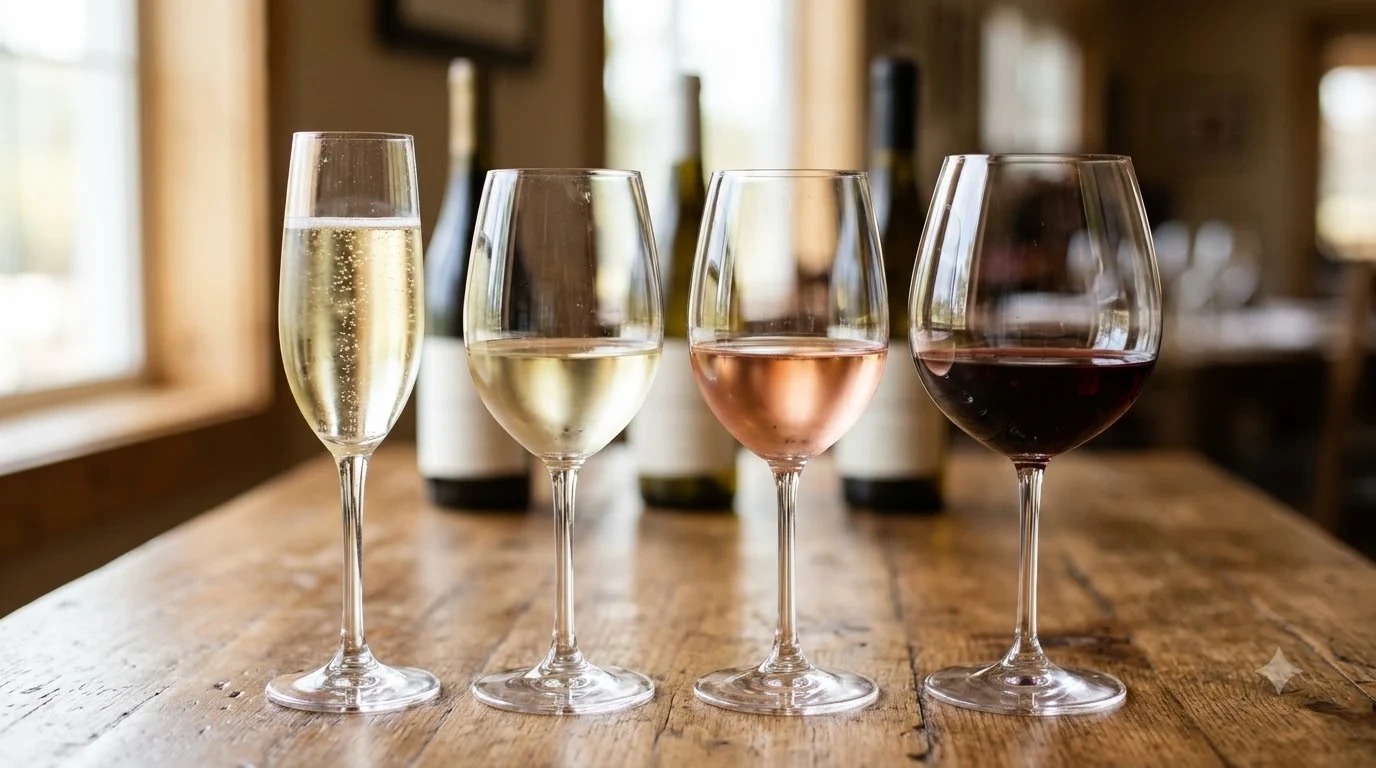
The lineup is built around a few core sparkling styles. The most familiar is the Brut, which blends Chardonnay with Pinot Noir and sometimes Pinot Meunier. Blanc de Noirs is made from red-skinned grapes and tends to show more red fruit and body. Rosé bottlings add a pink color and red berry notes. Specialty bottlings such as Extra Brut and sweeter styles also appear across the brand’s sites, so the sugar level on the label is the key detail to check.
The table below gives a simple way to compare the styles you are most likely to meet. Exact formulas change over time, so use the current winery description when you need the details for a specific release.
| Style | Typical grapes | What it tastes like | Best for |
|---|---|---|---|
| Brut | Chardonnay and Pinot Noir, sometimes Pinot Meunier | Fresh, fruity, creamy, and balanced, with apple and citrus | Aperitif, celebrations, most meals |
| Blanc de Noirs | Red-skinned grapes such as Pinot Noir | Fuller body, red fruit, a more structured finish | Richer dishes and a slower sipping pace |
| Rosé | Pinot Noir-based blend | Red berry, floral notes, soft and creamy | Brunch, summer evenings, light food |
| Extra Brut or drier styles | Similar blends with less added sugar | Tighter, crisper, more mineral | Oysters, seafood, sharp cheese |
Tip: On a sparkling label, the sweetness term (Brut, Extra Brut, Demi-Sec and so on) matters more than the brand name for how sweet the bottle will taste.
How Chandon sparkling wine tastes
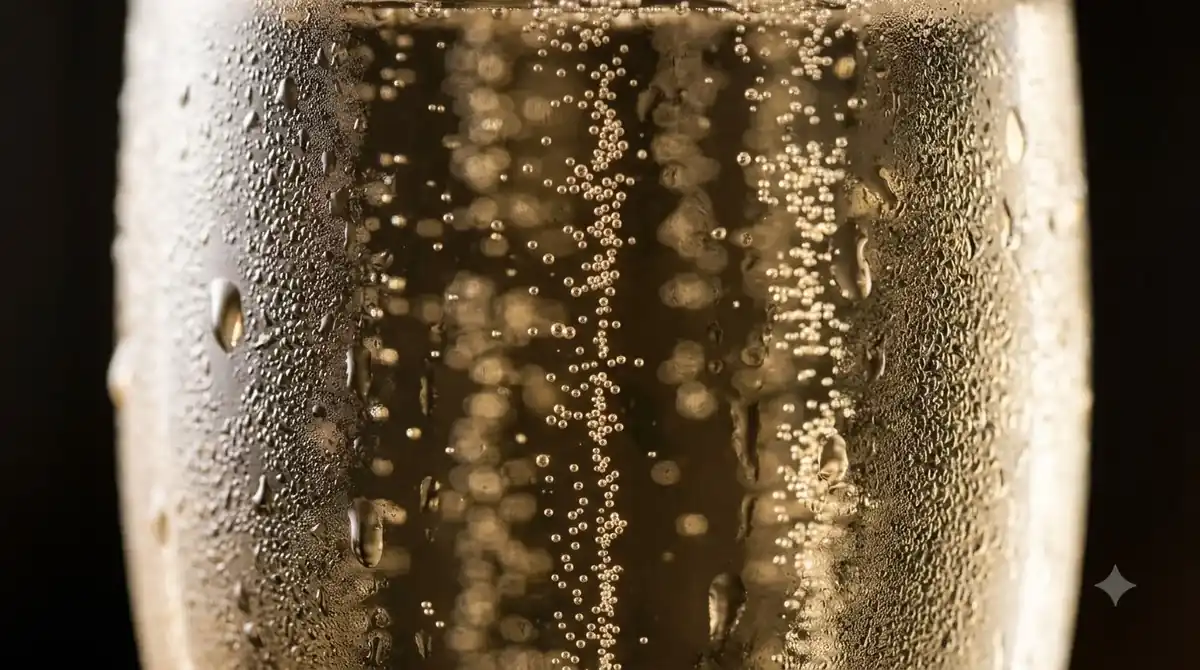
Most Chandon sparkling wines aim for a clean, approachable style rather than a sharp, austere one. The Brut tends to show green apple, pear, and citrus, with a creamy texture that comes from time on the yeast after the second fermentation. Fine bubbles give the wine a lively feel without making it aggressive, which is why it works well as a welcome drink.
The rosé and Blanc de Noirs bring a fuller, rounder character. Red berry fruit and a touch of floral aroma show up in the rosé, while the Blanc de Noirs has more weight and a longer finish. Both styles are generally more food-friendly than a light, lemony sparkler, because the extra body stands up to richer dishes.
Keep in mind that sparkling wine ages differently from still wine. Most bottles are meant to be opened within a few years, and the bubbles fade over time, so buying a fresh release is usually the better choice for everyday drinking. Store bottles on their side in a cool, dark place, and keep them away from heat and light.
How to serve Chandon sparkling wine
Sparkling wine should be chilled well, usually to a temperature between 40 and 45 degrees Fahrenheit. A bottle that is too warm will foam too quickly and lose aroma, while one that is too cold can mute the fruit. Plan at least two hours in the refrigerator, or about twenty minutes in an ice bucket, before serving.
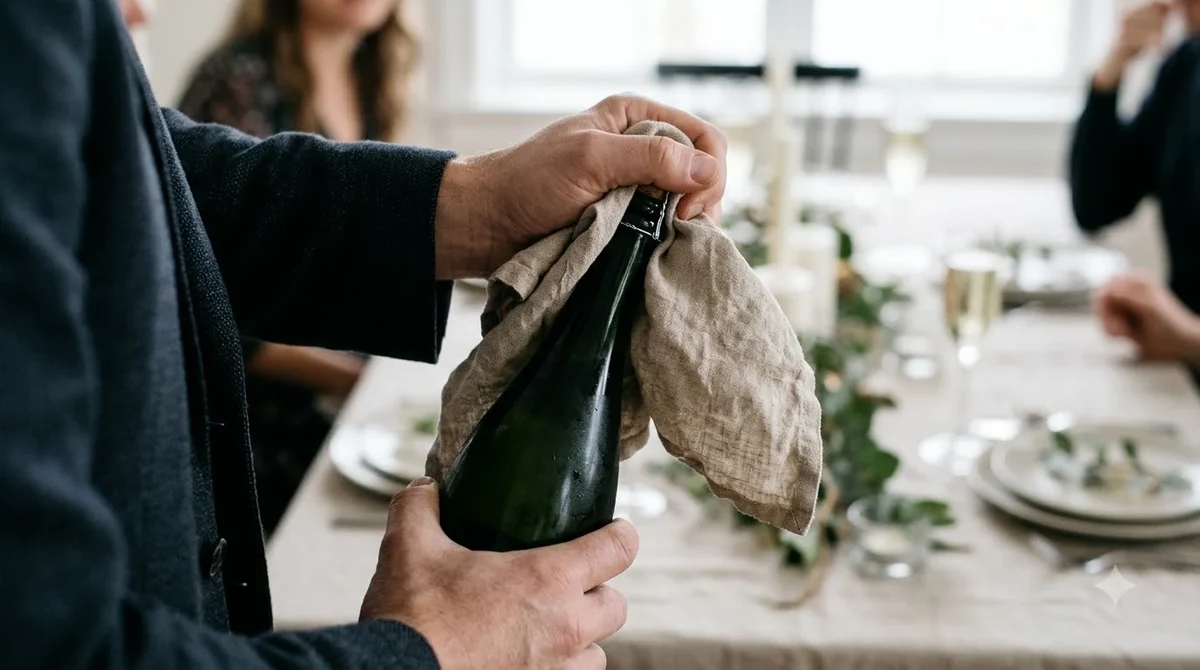
Use a tall, narrow flute or a tulip-shaped glass to keep the bubbles lively and concentrate the aroma. Open the bottle gently by holding the cork and turning the base slowly, which keeps the pressure controlled. Pour slowly down the side of the glass to limit foaming, and fill the glass about two-thirds full.
A bottle of Brut or rosé stays fresh for a day or two once opened if you reseal it with a sparkling wine stopper and keep it chilled. Flat or heavily foamed sparkling wine is a sign it has lost its carbonation, which is normal after a few days.
Food pairing with Chandon wine
Sparkling wine is one of the most flexible drinks at the table. The Brut pairs well with oysters, shrimp, fried foods, popcorn, and soft cheeses such as brie. Its acidity cuts through fat and salt, so it works with fried chicken or a cheese board. Salty snacks and sushi are also good companions, since the bubbles clean the palate between bites.
Rosé suits grilled salmon, charcuterie, tomato-based salads, and summer fruit desserts. Blanc de Noirs is a strong match for roast chicken, pork dishes, and mushroom risotto, where its body and red fruit complement the savory flavors.
Avoid pairing sparkling wine with very sweet desserts unless the bottle is labeled sweeter, because a dry sparkler can taste thin next to heavy sugar. For a dessert pairing, look for a sweeter sparkling wine or serve the Chandon with fresh berries rather than a rich cake.
How Chandon compares with other sparkling wines
Chandon sits in the middle of the sparkling market. It is more widely distributed and more affordable than many grand Champagne houses, but it is more polished and consistent than many inexpensive sparkling wines. The Napa setting and the Champagne-style grape blend give the wines a recognizable identity that many buyers appreciate.
The brand also differs from Prosecco. Prosecco is usually made from Glera grapes with a shorter, tank-based process, and it tends to be lighter, fruitier, and less creamy. Chandon’s styles lean toward a richer texture and a more structured finish, which makes them a good step up for someone used to Prosecco.
If you want a sparkling wine from Italy with a lighter, fruit-forward style, you can compare with the La Marca Prosecco page. For a Chandon-specific style, the Chandon Brut page covers the most common bottle in more detail.
Who enjoys Chandon wine and who might choose something else
Chandon suits people who want a dependable sparkling wine for celebrations, toasts, and casual gatherings. It is a good choice for someone who likes Champagne-style flavors without paying the price of a prestige cuvee, and it works well for drinkers who are learning the difference between dry and sweet sparkling wines.
Others may prefer a different style. People who want a very dry, mineral-driven sparkling wine may look for a Champagne from a smaller grower, or a Crémant. Drinkers who like sweet, lightly fizzy wines usually reach for Moscato d’Asti or a sweet rosé, since Brut will taste too dry for them.
For a wider view of the brand landscape, the wine brands guide places Chandon alongside other producers, and it helps you see where sparkling wine fits in a larger wine list.
Frequently Asked Questions
Is Chandon wine the same as Champagne?
No. Champagne is a protected name for sparkling wine from the Champagne region of France, while Chandon is made in California. The Napa house uses a similar grape mix and a bottle fermentation process, so the style is related, but the origin and terroir are different.
Where is Domaine Chandon located?
The winery is in Yountville, in Napa Valley, California. Visitors can tour the estate and taste the sparkling wines in the tasting room.
Which Chandon wine should I try first?
The Brut is the most common starting point, because it shows the house style in a clean, balanced way. Once you know what you like, try the rosé or Blanc de Noirs to compare fuller styles.
How long does Chandon sparkling wine last after opening?
Keep the bottle chilled and sealed with a sparkling wine stopper, and drink it within a day or two for the best bubbles. The wine will still be drinkable after that, but it will lose its fizz.
Chandon wine is a practical choice for sparkling wine drinkers who want a Napa-made bottle with a Champagne-style blend and a consistent house style. Pick the style that matches the meal, serve it well chilled, and use the sweetness level on the label to guide your choice. For more on how sparkling brands compare, browse the wine brands guide.
More in Wine Brands
 Underwood Wine Price: Compare Bottles, Cans, and Pack SizesUpdated Nov 21, 2026
 Zenato Wine Price: Compare Styles and Choose the Right BottleUpdated Nov 21, 2026
 Zuccardi Wine Price: Compare Bottles and Find the Right RangeUpdated Nov 21, 2026
 Yellow Tail Moscato Review: Taste, Sweetness and Serving TipsUpdated Nov 21, 2026
 Wolf Blass Yellow Label Review: Choose Your Best StyleUpdated Nov 21, 2026
 Wolffer Estate Rose Review: Choose the Right Bottle for Your TableUpdated Nov 21, 2026