

We may earn a commission when you buy through links on this page, at no extra cost to you. Learn more.
This cupcake chardonnay review finds a creamy, approachable California white wine with apple, lemon, pear and vanilla flavors, making it a practical choice for casual meals and everyday Chardonnay drinkers. Made with grapes from Monterey County, Cupcake Vineyards Chardonnay combines coastal growing conditions with barrel fermentation to create a smooth texture and noticeable oak influence. It is best suited to people who enjoy rounded white wines rather than sharply mineral, lean Chardonnays.
Cupcake Vineyards Chardonnay occupies an accessible place in the California Chardonnay category. Its combination of ripe fruit, citrus freshness and creamy texture gives it a familiar style that works for casual dinners, cheese boards and relaxed gatherings. However, its oak character and relatively substantial alcohol level are important considerations for anyone comparing bottles. Understanding the wine’s flavor profile, production approach, serving temperature and food compatibility makes it easier to decide whether this is the right Chardonnay for your preferences.
Who This Is For
Cupcake Chardonnay is particularly suitable for drinkers who enjoy fruit-forward California whites with a noticeable creamy character. Its Monterey County origins, citrus notes and barrel-fermented texture give it a recognizable style without requiring an appreciation for highly complex or unusual wines.
The wine is a reasonable starting point for someone exploring Chardonnay for the first time. Apple, pear and lemon are familiar fruit characteristics, while subtle vanilla and oak provide additional depth. These flavors make it relatively straightforward to enjoy without extensive wine knowledge. Drinkers who already prefer smooth white wines with moderate acidity may find its overall profile especially appealing.
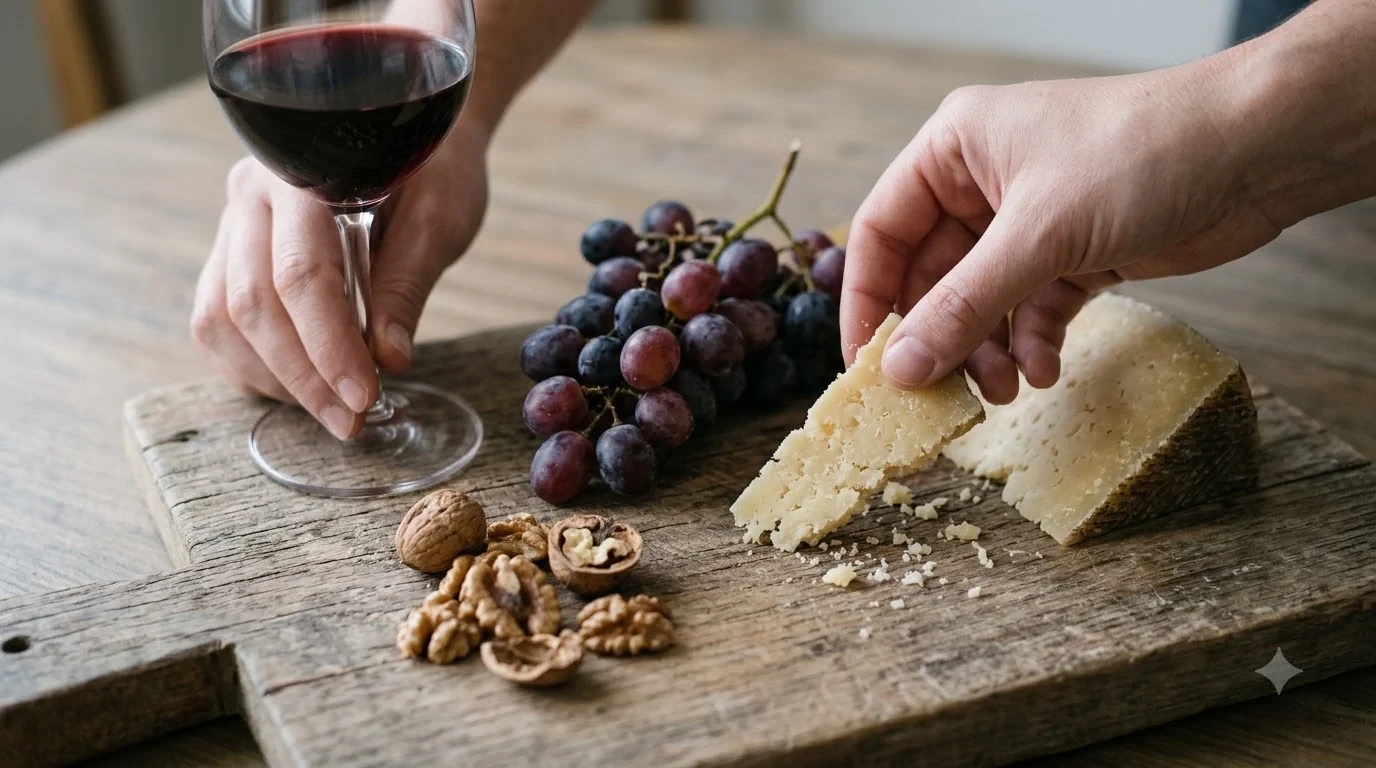
It also makes sense for people planning informal meals. Cupcake recommends serving the Chardonnay with a charcuterie board, and its combination of fruit, acidity and creamy texture gives it flexibility with several familiar foods. Roast chicken, creamy pasta, mild cheeses and seafood prepared with butter or lemon are other useful pairing possibilities.
However, this is not necessarily the right choice for every Chardonnay drinker. Someone who prefers the sharp acidity and restrained fruit of Chablis or a lightly oaked white Burgundy may find Cupcake’s texture too soft and its oak character too noticeable. Similarly, drinkers seeking a particularly delicate, low-alcohol white wine should pay attention to its listed alcohol percentage.
Independent reviews provide some useful context. Wine Enthusiast awarded the 2023 bottling 89 points and the 2024 bottling 88 points. Both scores fall within the publication’s Very Good category, suggesting that the wine offers an appealing experience for its intended style without being positioned as a particularly ambitious premium Chardonnay.
People comparing different California producers can also explore our broader Wine Brands coverage to understand how regional origins, winemaking choices and grape varieties influence the bottles available in American wine shops.
Key Factors to Compare
The most important buying considerations are flavor, oak influence, alcohol content, acidity and serving flexibility. These characteristics help explain what makes Cupcake Chardonnay appealing and where its style may not match individual preferences.
| Factor | What to expect | Why it matters |
|---|---|---|
| Grape variety | Chardonnay | Provides a familiar California white wine style. |
| Origin | Monterey County, California | Coastal growing conditions help retain natural acidity. |
| Bottle size | 750 ml | Provides approximately five 5-ounce servings. |
| Alcohol content | 14% to 14.1% in the reviewed vintages | Indicates a relatively full-strength white wine. |
| Fruit profile | Apple, pear, lemon and pineapple | Creates a familiar, fruit-forward flavor profile. |
| Additional flavors | Vanilla, toast and oak | Adds richness and a more rounded impression. |
| Texture | Smooth and creamy | Appeals to drinkers who enjoy fuller white wines. |
| Serving temperature | 50 to 55°F | Helps preserve freshness without hiding the wine’s texture. |
| Calories | 120 per 5-ounce serving | Manufacturer’s published average nutritional information. |
| Carbohydrates | 3 grams per 5-ounce serving | Manufacturer’s published average nutritional information. |
Origin and growing conditions: Monterey County is an important part of the wine’s identity. According to Cupcake winemaker Jessica Tomei, the coastal vineyards benefit from morning fog, warm afternoons and a long growing season. These conditions allow grapes to ripen while retaining natural acidity. That balance is useful in Chardonnay because ripe fruit flavors and refreshing acidity need to work together rather than compete.
Oak and texture: Barrel fermentation is another important production detail. Cupcake explains that this process contributes to the wine’s rich, creamy finish. It is important to distinguish barrel fermentation from a claim that every bottle spends a particular amount of time aging in new oak barrels. The manufacturer describes the fermentation approach but does not publish a precise barrel-aging schedule on its Chardonnay page. The official Cupcake Chardonnay description provides the producer’s explanation of its coastal vineyards and winemaking approach.
Alcohol and vintage: Alcohol content deserves attention because it can affect the overall impression of a white wine. Wine Enthusiast lists 14% ABV for the 2024 vintage and 14.1% for the 2023 vintage. These figures are close, but they demonstrate why buyers should not assume every bottle carries an identical alcohol percentage.
There are also differences in the published tasting descriptions. The 2023 review emphasizes apple, honeysuckle, pineapple and delicate oak, while the 2024 review highlights wet-rock minerality, toast and citrus pith. Vintage differences and individual tasting perspectives can influence the description, so neither set of notes should be treated as a universal guarantee of exactly what every bottle will taste like.
Tip: Compare the vintage and alcohol percentage rather than relying on the brand name alone. The published 2023 and 2024 reviews show that the wine’s alcohol level and tasting emphasis can vary between bottlings.
For a closer look at the bottle itself, our Cupcake Chardonnay overview provides additional product context. If alcohol percentage is a deciding factor, the separate Cupcake Chardonnay alcohol content discussion is also useful.
Step-by-Step: How to Choose and Serve Cupcake Chardonnay
A good buying decision starts with the style you enjoy rather than the label design. A few straightforward checks can help establish whether Cupcake Chardonnay fits your preferences and how to get the most from a bottle.
-
Identify your preferred Chardonnay style.
Think about whether you enjoy creamy, oak-influenced whites or prefer crisp, restrained wines. Cupcake’s barrel-fermented approach makes it more appropriate for the first group. Its apple, pear and citrus characteristics provide fruit freshness, but the overall texture is deliberately rounded rather than extremely lean.
-
Look at the vintage.
Published reviews of the 2023 and 2024 bottlings offer useful comparisons. The 2023 version received 89 points from Wine Enthusiast, while the 2024 version received 88 points. Their descriptions also differ slightly, making vintage identification useful when comparing tasting expectations.
-
Check the alcohol percentage.
Wine Enthusiast records 14.1% ABV for the 2023 bottling and 14% for the 2024 bottling. This is useful information for people who prefer lighter white wines or want to understand the wine’s strength before serving. Alcohol content is also relevant when planning serving sizes.
-
Chill the bottle before opening.
Place the Chardonnay in the refrigerator before serving and aim for approximately 50 to 55°F. This is a useful temperature range for full-bodied white wines. Serving it considerably warmer can make the alcohol seem more prominent, while serving it extremely cold can suppress the fruit aromas and creamy texture.
-
Prepare appropriate glassware.
A standard white wine glass with a reasonably wide bowl works well. It provides enough room to appreciate apple, lemon and vanilla aromas without requiring specialized equipment. Pour approximately 5 ounces into each glass, leaving sufficient room to swirl the wine gently.
-
Evaluate the wine in stages.
Start with the aroma before taking a sip. Look for apple, pear, citrus and subtle oak characteristics. Then consider the relationship between acidity, fruit and texture. Notice whether the wine feels creamy and rounded or more refreshing and citrus-driven on the finish.
-
Serve it with food that complements its structure.
Begin with mild cheeses, roast chicken or a simple seafood dish. If the meal includes lemon or another acidic ingredient, choose a wine with enough freshness to match it. Cupcake’s coastal Chardonnay profile provides a useful starting point for these combinations.
These steps also help make comparisons with other Chardonnay styles more meaningful. Rather than judging a wine solely by its aroma or initial sweetness impression, consider how it behaves with food, its finish and whether its texture suits your preferred style.
For a more structured comparison, try tasting Cupcake alongside another California Chardonnay. Use the same glass size, similar serving temperatures and a consistent tasting sequence. Differences in oak, acidity, fruit ripeness and alcohol warmth become easier to recognize when the conditions are reasonably similar.
Types and Styles Explained
Cupcake’s Chardonnay range makes more sense when its signature Monterey County wine is distinguished from other Chardonnay styles and from the brand’s separate flavored or stylistically differentiated bottlings. Understanding these differences helps prevent confusion when choosing a bottle.
Signature Monterey County Chardonnay
The signature Chardonnay is the main focus of this guide. It combines California coastal fruit with barrel fermentation and a creamy texture. Cupcake describes the wine as rich, citrus-driven and suitable for serving chilled with charcuterie.
Its tasting profile can be understood through three main components. First, apple and pear provide ripe fruit character. Second, lemon and citrus contribute freshness. Third, barrel fermentation and oak-related flavors contribute a smoother, fuller impression. These elements make it a recognizable California Chardonnay rather than a very light, neutral white wine.
Unoaked and Lightly Oaked Chardonnay
Unoaked Chardonnay is generally a different experience from Cupcake’s signature approach. These wines emphasize the natural fruit and acidity of Chardonnay without the same degree of barrel-derived richness. Common flavors include green apple, lemon, pear and occasionally mineral or saline notes.
Lightly oaked examples occupy a middle position. They may offer subtle vanilla, toast or spice without making the oak character dominant. Drinkers who find heavily creamy Chardonnay overwhelming often prefer this intermediate style.
Cupcake’s stated use of barrel fermentation means its signature bottling is better understood as a textured, oak-influenced style. However, the production information does not establish a specific percentage of new oak or a precise aging period.
Butterkissed Chardonnay
Cupcake also offers a separate California Butterkissed Chardonnay. It should not be confused with the signature Monterey County bottling simply because both wines use the Chardonnay grape.
The distinction is relevant for people who actively seek a richer, buttery flavor profile. Wine Enthusiast’s review of the 2023 Butterkissed bottling describes ripe pear, vanilla and buttery notes, with a rich and opulent overall impression. This provides a useful reference point for understanding how Cupcake’s different Chardonnay offerings can occupy different stylistic positions.
How Chardonnay Styles Differ
Chardonnay is a flexible grape variety, and its final style depends on growing conditions, ripeness, fermentation and maturation choices. The grape itself does not automatically produce a buttery wine. Instead, winemaking techniques and the fruit’s natural characteristics determine whether the finished wine feels crisp, creamy, tropical or restrained.
For example, a cool-climate Chardonnay may emphasize lemon, green apple and high-toned acidity. A warmer-climate example may show more ripe peach, pineapple and fuller fruit flavors. Oak fermentation or maturation can introduce additional texture and flavors associated with vanilla, toast or spice.
Cupcake’s Monterey County Chardonnay brings several of these elements together. Its coastal origin provides a basis for natural freshness, while barrel fermentation contributes the smooth, creamy character that distinguishes its signature style.
Common Mistakes When Buying Cupcake Chardonnay
The most common buying mistakes involve confusing creamy texture with sweetness, overlooking alcohol content and assuming every Chardonnay tastes alike. Paying attention to the wine’s actual characteristics makes it easier to select a bottle that matches the meal and personal preference.
Assuming creamy means sweet: A wine can feel rich and creamy without containing substantial residual sugar. Barrel fermentation, fruit ripeness and texture all influence the perception of richness. Cupcake describes its signature Chardonnay as creamy and rich, but that description alone does not establish that the wine is sweet.
For buyers who prefer dry white wines, it is useful to distinguish fruit aromas from actual sweetness. Ripe apple, pear and pineapple can make a wine seem fruitier without necessarily making it sweet. A creamy mouthfeel also does not automatically indicate a dessert-style wine.
Ignoring the alcohol percentage: The difference between 14% and 14.1% ABV is small, but the figures illustrate the importance of checking the specific vintage. People who generally prefer lighter white wines may find a Chardonnay at approximately 14% alcohol more substantial than expected.
Serving the wine too cold: Very cold temperatures can make the wine seem less expressive. Citrus, apple and vanilla aromas become harder to appreciate when a full-bodied white wine is served straight from an extremely cold refrigerator. A short period of warming in the glass can help restore its aromatic character.
Pairing it with overpowering foods: Chardonnay has useful food flexibility, but it is not equally suited to every dish. Extremely spicy preparations can make alcohol feel hotter, while very acidic sauces can make a wine seem less fresh if its acidity is insufficient. A creamy white wine is generally more comfortable with moderate seasoning and balanced flavors.
Expecting a premium Burgundy profile: Cupcake is a California Chardonnay with a fruit-forward and creamy presentation. It should not be purchased with the expectation that it will reproduce the restrained mineral character of a traditional Chablis or the complexity of a high-end white Burgundy.
Confusing the different Cupcake Chardonnay offerings: The signature Chardonnay and Butterkissed Chardonnay are separate products. Their names and grape variety may be similar, but their published tasting descriptions indicate different stylistic emphases. Someone specifically seeking a classic creamy Monterey County Chardonnay should distinguish the two before buying.
Expecting every vintage to taste identical: The 2023 and 2024 Wine Enthusiast reviews demonstrate that tasting descriptions can vary. One emphasizes honeysuckle and pineapple, while the other highlights toast and wet-rock minerality. Vintage differences, production decisions and tasting conditions all contribute to the final experience.
Care, Serving and Storage Tips
Proper serving and storage help preserve Cupcake Chardonnay’s fruit character and creamy texture. The most useful practices are maintaining a suitable refrigerator temperature, avoiding excessive warmth and limiting exposure to oxygen after opening.
Serving temperature: Aim for 50 to 55°F. This is a practical range for full-bodied white wines, including Chardonnay with noticeable oak influence. It gives the wine enough chill to remain refreshing while allowing its apple, citrus, vanilla and toast aromas to develop in the glass.
If the bottle has been refrigerated for several hours, allow it a little time outside the refrigerator before pouring. Avoid leaving it in direct sunlight or near a warm kitchen appliance. Temperature consistency matters more than complicated serving equipment.
Glassware and pouring: A standard white wine glass is sufficient. Pour approximately 5 ounces per serving, which gives a 750 ml bottle about five standard glasses. Avoid filling glasses to the rim because a little empty space makes it easier to appreciate the aromas.
Food pairings: Cupcake’s creamy Chardonnay profile is particularly compatible with dishes that contain moderate amounts of fat. Butter-roasted chicken, creamy mushroom pasta, baked salmon and mild cheeses are useful options. The richness of these dishes can work with the wine’s rounded texture, while lemon or herbs provide freshness.
For cheese, consider Brie, young Gouda or mild Cheddar. These choices provide enough richness without overwhelming the wine’s fruit. A charcuterie board with crackers, nuts, mild cheeses and fresh pear is another straightforward option consistent with the producer’s serving recommendation.
Seafood requires a little more consideration. Chardonnay can pair nicely with buttery scallops, shrimp or baked fish with lemon. However, very delicate raw seafood may be better matched with a lighter, more mineral white wine, particularly if the dish has little seasoning or fat.
Storage before opening: Store the bottle in a cool, dark location away from temperature fluctuations. A temperature near 55°F is a useful general target for wine storage. If long-term storage is unavailable, keeping the wine in a consistently cool area is preferable to exposing it to direct light or repeated heating and cooling.
Storage after opening: Replace the closure securely and refrigerate the remaining wine. Most opened still wines retain their best qualities for approximately three to five days under refrigeration. The actual result depends on how much wine remains in the bottle, how much oxygen it has encountered and the condition of the wine before opening.
For better preservation, minimize the amount of air in contact with the remaining wine. A suitable wine stopper can help, although it does not completely prevent oxidation. Keep the bottle upright in the refrigerator and allow the remaining wine to warm slightly before serving it again.
Deciding whether the bottle is still enjoyable: Pay attention to changes in aroma and flavor rather than relying only on the number of days since opening. Fresh apple and citrus aromas may gradually become muted, while oxidized notes can become more noticeable. If the wine loses its freshness or develops an unpleasant stale character, its best drinking window has probably passed.
Frequently Asked Questions
Is Cupcake Chardonnay vegan-friendly?
Retail product information for Cupcake’s signature Chardonnay identifies it as vegan-friendly. Vegan certification and winemaking practices can vary between individual products and markets, so consumers with strict requirements should look for product-specific confirmation. Vegan-friendly labeling also does not mean that the wine is organic.
Does Cupcake Chardonnay contain sulfites?
Retail product information identifies sulfites as an ingredient or declared allergen for Cupcake Chardonnay. Sulfites are commonly present in wine because they can occur naturally during fermentation and may also be used during winemaking. The presence of sulfites is separate from whether a wine tastes dry or sweet.
Can Cupcake Chardonnay be used for cooking?
Yes. A dry or relatively dry Chardonnay can be used in sauces for chicken, seafood and pasta. Its fruit and oak character may contribute additional flavor to a cream sauce or pan sauce. Avoid reducing it excessively because concentrated wine can develop a more pronounced acidity and oak impression.
Does Monterey County Chardonnay have a protected appellation designation?
Monterey County is a recognized American winegrowing region within California’s Central Coast. Monterey County and Monterey AVA are distinct geographic designations, so they should not automatically be treated as interchangeable on wine labels. The specific geographic wording on a bottle indicates the origin claim being made.
What is the difference between malolactic fermentation and barrel fermentation?
Barrel fermentation describes fermenting grape juice in barrels rather than exclusively in stainless-steel tanks. Malolactic fermentation is a separate process in which sharper malic acid is converted into softer lactic acid. Malolactic fermentation can contribute to a buttery impression, but the two techniques are not interchangeable, and Cupcake’s published Chardonnay description specifically identifies barrel fermentation.
Cupcake Chardonnay is a sensible option for drinkers who enjoy California whites with ripe fruit, citrus freshness and a creamy, oak-influenced texture. Its Monterey County origins and approachable style make it particularly useful for casual meals and cheese boards, although its alcohol level and rounded profile may not suit every preference. For shoppers seeking an uncomplicated, familiar Chardonnay style, it deserves consideration alongside other California white wines.
More in Wine Brands
 Underwood Wine Price: Compare Bottles, Cans, and Pack SizesUpdated Nov 21, 2026
 Zenato Wine Price: Compare Styles and Choose the Right BottleUpdated Nov 21, 2026
 Zuccardi Wine Price: Compare Bottles and Find the Right RangeUpdated Nov 21, 2026
 Yellow Tail Moscato Review: Taste, Sweetness and Serving TipsUpdated Nov 21, 2026
 Wolf Blass Yellow Label Review: Choose Your Best StyleUpdated Nov 21, 2026
 Wolffer Estate Rose Review: Choose the Right Bottle for Your TableUpdated Nov 21, 2026